Why constipation is dangerous: consequences for the body of adults, children and pregnancy
Constipation is a dysfunction of the intestines for a variety of reasons. The impact of various factors can provoke the appearance of defecation disorders. Constipation is dangerous for a person not only by a feeling of discomfort in the abdomen, but also by intoxication of the whole organism.
In medicine, constipation differs from the mechanism of its occurrence. The separation of the disease looks like this:
- Common constipation. Associated with improper bowel function. If the absence of defecation is observed for a long time, then this leads to complications. Other diseases, such as hemorrhoids, are exacerbated. The patient has anal fissures. If there is no stool, this provokes intoxication of the body, a sharp loss of weight. The person gets tired quickly, irritable.
- Stool neurogenic disorder. This is an ailment that occurs against the background of malfunctions in the central nervous system, which is responsible for the functioning of the internal organs and body systems. Therefore, any effect on the central nervous system necessarily affects the functionality of the organs. Severe stress, nervous tension lead to spasms in the intestines, which prevents the normal removal of processed food outside;
- Reflex constipation. When a person restrains himself for a long time, does not go to the toilet, then food accumulates in the lumen of the colon. Reason for containment: haste, lack of sanitation.

- Hypodynamic violation of defecation. Occurs due to long bed rest. Suffering from a hypodynamic absence of bowel emptying, bedridden patients who are not capable of active physical actions.
- Inflammatory disease. Development of an inflammatory process in the intestines.
- Proctogenic constipation. Caused by diseases affecting the anal region and rectal area: hemorrhoids, genital warts, anal itching, acute paraproctitis, anal fissure. The patient's health is at risk.
Content
- 1 Risk group
- 2 Symptoms
-
3 Consequences of constipation
- 3.1 Implications for adults
- 3.2 Consequences for pregnant women
- 3.3 Implications for children
Risk group
Analyzing the reasons for the absence of defecation, you can display a list of those who are at risk:
- Patients who have abnormalities in the normal functioning of the digestive system from birth. For such people, organic stool retention is characteristic. The solution to the problem lies in surgical intervention.
- People who are unable to actively move. Bedridden patients or those on long-term treatment without movement.
- Patients with medical conditions that prevent normal bowel movement. Basically, diseases of the anal area and rectum.
- Infants on artificial feeding, children with signs of dehydration.
- People suffering from nervous diseases, feeling constant stress.
The risk group includes office workers, students, workers whose work schedule does not allow them to have a full lunch or go to the toilet.
Symptoms
Signs that your body is constipated and you need to take action to treat:
- Feeling of heaviness and discomfort localized in the abdomen.
- Pain syndrome that appears periodically as a result of intestinal spasm.
- Feeling of bloating and fullness in the abdomen.
- Nausea and vomiting.
Accumulating in the intestinal lumen, the fecal fragment releases toxins. They are absorbed into the bloodstream and carried throughout the body, which can lead to severe intoxication of internal organs. The skin is the first to react to poisoning. Change in color, the appearance of rashes - speaks of a violation in the process of metabolism against the background of a lack of emptying.
Consequences of constipation
Occasional constipation is common. As a rule, this kind of violation goes away on its own, without consequences for the body, with the involvement of minimal efforts on the part of the person. Such constipation does not require medical intervention and medication.
Implications for adults
Chronic constipation is dangerous because it carries pathological changes in the body. Medicines do not always help to remove feces outside, they are so dense and knocked down.
The work of the digestive system in the absence of digested food outside is not normal and has a negative effect on other internal systems.
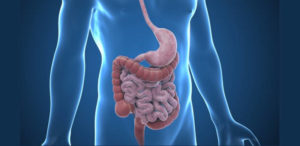
Human digestive system
List of dangers of prolonged absence of a chair:
- The accumulation of food debris in the colon leads to stretching of the walls of the organ and the occurrence of inflammation. Diverticulosis develops on the intestinal walls against the background of inflammation. These are small protrusions on the outside of the intestine. Food is collected in these bags, and a decay process can occur. The rupture of such a protrusion leads to severe hemorrhage inside the abdominal cavity.
- Feces begin to ferment, putrefactive processes appear in them. As a result, toxic compounds are released. Absorbed into the bloodstream, they are carried through the internal systems of the body, poisoning them. Intoxication negatively affects a person's well-being, his emotional state. Patients suffer from headaches, weakness. Against the background of poisoning with toxins, labor activity decreases.
- Retention of feces in the intestines for more than two days leads to a negative effect on the functioning of the liver. As a result, metabolic processes are disturbed.
- When trying to empty the intestines, the person puts pressure on the lower abdominal region. Constant tension in the muscles of the lower intestine leads to a high probability of prolapse of part of the intestine through the anus (hemorrhoids and part of the rectum). Chronic constipation leads to pathology of the anal sphincter. The hole does not close completely, the patient has a constant leakage of feces.
- The solid consistency of feces has a traumatic effect on the mucous membrane and on the intestinal walls. The result is cracks that are difficult to heal.
In older people, prolonged stool stagnation affects the body as a whole.

Consequences for pregnant women
Pregnancy is a difficult period. Changes in hormonal levels, fetal growth, emotional component - all affect the well-being of the expectant mother.
Constipation is more dangerous for women during pregnancy than for the average person:
- When trying to go to the toilet, a person is forced to strain. For a pregnant woman, tension in the abdominal muscles is dangerous, especially in the last stages.
- In the early stages, constipation can harm the developing fetus and lead to miscarriage. Constipation in the first trimester for the fetus is also dangerous. The appearance of toxins in the body negatively affects its development.
- Chronic constipation provokes inflammatory processes that spread throughout the body. The genitals are also affected, and during childbirth there is a danger of infection of the child.
- Frequent attempts are the cause of hemorrhoids in pregnant women.
- With prolonged constipation, the rectum threatens to become inflamed. There are signs of secondary colitis due to the return of food debris back into the small intestine.

- Constipation during pregnancy - this is a load on the body, weakened by the position. The accumulation of toxins provokes an exacerbation of chronic diseases.
Implications for children
Children, like adults, are susceptible to disorders of the gastrointestinal tract. When constipation occurs, behavior changes. The child may become irritable, have a stomach ache, feel nausea, and vomit. The feces, without the possibility of a natural exit, get lost in one place, large hard fragments are formed. The danger of stagnation is the inability to remove from the body toxic substances released from food fecal masses. This has an impact on the health and life of the child.
The baby is not less than a growing baby subject to the absence of defecation. Consequences of constipation in babies:
- Collecting food puts pressure on the walls of the digestive organs, which leads to an increase in intraintestinal pressure. At the same time, the nerve endings of the intestinal walls are irritated and the baby has abdominal pains. Without treatment for this problem, new changes appear in the inner lining of the intestine. The gradual accumulation of food debris will lead to stretching and enlargement of the organ and the emergence of new diseases, for example, megacolon. When the pressure inside the intestine rises, it is possible to throw the digested food back into the upper part of the digestive system.
- Constipation provokes a change in the composition and properties of the microflora that lives in the gastrointestinal tract. Dysfunction of microorganisms involved in food digestion leads to the accumulation of fat-soluble substances in the intestinal cavity, removing moisture from the stool and thickening it.
- Toxicosis, which occurs against the background of the absence of defecation, leads to negative health. The function of other internal organs is impaired. There is pain in the navel area. The baby loses appetite, apathy, irritability occurs.
- The transition of an episodic stool disorder to a chronic one is already reflected at an older age by the manifestation of other diseases: hemorrhoids, encopresis, and even rectal prolapse.