Constipation after surgery: what to do, easy ways to help the body with a bowel movement
Often there are problematic moments with health, which can only be improved through surgical intervention. Constipation after surgery is a common and unpleasant problem for patients. How to fight and not face trouble? We will try to understand the nature of the onset of the disease and choose the appropriate method of treatment.
Content
- 1 Causes of constipation
- 2 List of constipation-causing surgeries
- 3 Constipation medication
- 4 Folk remedies
- 5 Features of diets and general recommendations
Causes of constipation
80-90% of operations negatively affect intestinal motility, which becomes the main condition for the appearance of constipation in humans. A brief explanation of such unpleasant consequences of surgical interventions:
- After anesthesia, the body tends to experience a cardinal imbalance in functioning, muscle weakness (mainly reflected in the intestines).
- Due to postoperative sutures and injuries, stress is prohibited, bowel movements with straining are excluded.
- Physical passivity - the lying regime after the operation provokes a slowdown in the work of the intestines. This means that the excretion of contents from the body to the outside slows down.
- Change of the already habitual regime and diet (stress of the body).
- Taking a lot of medications to prepare for surgery.
The psychological factor plays an important role. After the operation, the patient experiences a stressful, sometimes depressive state, even nervous breakdowns are possible. The described number of reasons stimulates constipation.
List of constipation-causing surgeries
Constipation usually occurs after gastrointestinal surgery. The list includes:
- Surgery to remove appendicitis. The patient is advised to eat in small portions every 2-3 hours (porridge, puree or finely chopped food). This diet will help a person to quickly restore the functioning of the gastrointestinal tract.
- Hemorrhoid removal surgery. The disease suggests a number of reasons for the occurrence of constipation, presents a pain syndrome, dysbiosis, the appearance of scars, a violation of the microflora in the intestine and the fear of the operated patient about the discrepancy of the imposed seams. After removing hemorrhoids rest, proper nutrition is recommended.
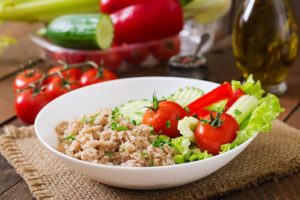
- After abdominal surgery. Constipation is provoked by adhesions (formations from connective tissue, which leads to adhesion of the serous surfaces of organs) in the abdominal cavity. It is advisable to restore an active life position (playing sports) to the maximum in order to get rid of indisposition. Doctors advise to diversify the diet with cereals from coarse cereals (wheat), biokefir, vegetable salads and light soups.
- After laparoscopy (surgery by forming a small hole). The operation excludes injuries. True, this does not mean that constipation will bypass the patient. In the case of such an operation, you will need to give up physical activity (gym, dancing, running, etc.) and hot procedures (sauna). Daily care of sutures and an antiseptic dressing is required.
- After resection. Laparoscopic cholecystectomy suggests removing a poorly functioning gallbladder. On the first postoperative day, it is forbidden to drink, eat. Within the next 24 hours, it is allowed to take an unsweetened rosehip broth, switching to green tea, dried fruit compote or low-fat kefir. As for solid food, mashed potatoes, vegetable puree soups, boiled fish are allowed on the fourth to fifth day. Fast recovery and treatment of constipation requires adherence to a prescribed diet and proper nutrition.
- Removal of the uterus and the likely appearance of adhesions. The occurrence of constipation is often associated with long-term surgery, a large amount of lost blood, hidden bleeding, and probable infection.
- After general anesthesia. Everyone's response to anesthesia is different. Some people react negatively to anesthesia. In addition, anesthesia has a bad effect on the liver and kidneys due to its inherent narcotic nature. Simple boiled water comes to the rescue.
Almost all surgical interventions in the area of the human gastrointestinal tract result in constipation. To get rid of the malaise, you will need to adhere to doctor's recommendations and take care of your own health.

If you want to treat constipation yourself, you should be guided by the advice of the article (with the permission of the doctor!). Methods for treating constipation can be divided into medication and folk.
Constipation medication
Stool softeners can help alleviate the painful situation. Emollients help normalize emptying. To purchase them, you do not need special prescriptions from your doctor. Medication fills the stool with optimal moisture levels, making it easier to defecate. Take tablets 1-2 times a day.
Laxatives for constipation in combination with softeners help to cope with the disease. Distinguish between stimulating and osmotic. The latter give access to fluid in the body to the intestines. The former are also effective. After a stimulant laxative, diarrhea and stomach cramps may occur.
Lubricants are a lesser known method of dealing with complicated bowel movements, which does not mean a lack of results. The principle of action is similar to that of softeners, the easy passage of the stool through the gastrointestinal tract is ensured by lubricating the intestinal walls. Mineral oil and fish oil are considered more common and readily available.
Suppositories or enemas can also help relieve constipation. In most cases, the main component of the suppository is glycerin with bisacodyl, which easily penetrates into the muscular structure of the rectum, stimulating easy contraction. An enema is supposed to be given only with the permission of a doctor, since after a number of operations it is contraindicated.
Folk remedies
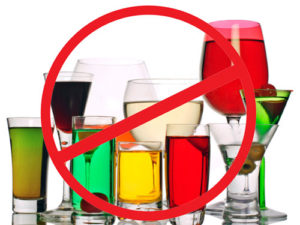
Regarding folk remedies for constipation - therapy is based on proper nutrition and the consumption of a greater concentration of certain foods. It is necessary to increase the level of fluid in the body. It is supposed to drink a universal norm of water and more (from two liters per day): boiled water, coffee and decaffeinated teas (the best option is a laxative). The use of carbonated drinks, fruit nectars, alcohol and energy drinks is prohibited.
Fiber in supplements softens stool and makes it easier to move through the digestive tract. Dietary fiber is used in different ways: in the form of capsules, gummies or powder - no more than twice per knock with the permission of a doctor.
It is worth refraining from foods that cause constipation:
- Foods with a high concentration of potassium and calcium.
- Milk (cheese, sour cream, yogurt, not including low-fat kefir).
- Fruits (grapes and bananas).
- Sweets (chocolate, caramel, etc.).
- Concentrated nectars.
- Flour and butter products.
- White bread and pastries (sweet and savory).
- White rice.
- Semi-finished products, etc.
Prunes are an indispensable component in the treatment of constipation, because its natural sugar sorbitol and fiber have a laxative effect. It is permissible to drink warm prune juice - a glass a day.
Traditional medicine suggests treating constipation with senna leaves and buckthorn bark, chamomile broth, pumpkin or carrot juice. That's just no folk remedies will eliminate the congestion without clearly prescribed rules. In the case of nutrition, this is a strict diet.
Features of diets and general recommendations
Diet should be called the most effective means of dealing with postoperative constipation, which is prescribed by the attending physician. And not in vain, because exceptionally proper nutrition can enhance the effect of medications and give the body strength to fight the sore. The diet consists of products, the composition of which is saturated with certain substances, vitamins and microelements, which can easily cope with constipation that has arisen:
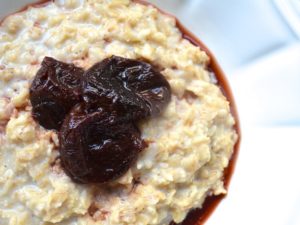
- Oatmeal and buckwheat (combined with pieces of prunes and a spoonful of honey is not only healthy, but also delicious).
- Whole grain breads, bran and dietetic crisps.
- Vegetable and fruit salads (excluding legumes and quince).
- Steamed lean meat (chicken or turkey).
- Boiled fish.
In addition, it is allowed to sign up for an acupressure type of massage. Due to the determination and activation of certain points, the movement of stagnant food occurs along the gastrointestinal tract. For a massage procedure, it is recommended to sign up with an experienced master and not do it yourself, so as not to harm yourself.
Physical activity is seen as a key part of the diet. It is important to force yourself to move from the moment the doctor allows you to walk. Systematic exercise will help keep your colon working properly, and light aerobics in the fresh air will encourage regular bowel movements. It is advisable to devote at least 3 hours a week to walking. And in parallel to engage in certain sports allowed after the operation.
Try to use the bathroom regularly. Listen to your body and your urge to void signs. You shouldn't put off going to the toilet. At a later date, such restraints will immediately attract severe constipation. After the expiration of time, bowel movements will take on an individual regime, and the intestines will be able to empty every day at approximately the same time.
Timely consultation with the attending physician before the operation and discussion with the doctor about the likelihood of constipation will help prevent constipation. Work together to optimize the functioning of the gastrointestinal tract and exercise to the maximum. Problem situations have arisen - contact your gastroenterologist without delay, so as not to aggravate the situation. Maintain a stable state of health and invest in it physical labor, because this is the most valuable human capital.