Constipation before childbirth: what to do, recommendations
During pregnancy, a woman experiences many difficulties. Toxicosis, edema, stool disorders are frequent companions of girls on the way to motherhood. Constipation can often occur in the last stages due to squeezing of the digestive organs by an enlarged uterus or due to hormonal changes.
Content
- 1 Constipation symptoms
-
2 The danger of stool retention in the late term
- 2.1 Intoxication
- 2.2 Haemorrhoids
- 2.3 The beginning of labor
-
3 Treatment
- 3.1 Drug therapy
- 3.2 Enema
- 3.3 Folk recipes
- 3.4 Food
- 4 Prophylaxis
Constipation symptoms
Constipation is the absence, difficulty in defecation, or incomplete bowel movement for more than two days. During the act of defecation, the woman feels pain. Symptoms:
- Feeling of fullness in the intestines.
- Pain in the abdomen of a cramping or aching character.
- Nausea.
- The need for straining.
- Lack of appetite.
- Irritability.
- Bloating.
With constipation, the consistency of the stool changes, it becomes hard and its volume is small. The act of defecation does not bring relief.
It is important to eliminate constipation, the acute form can turn into a chronic one, and after delivery, the woman will continue to suffer from an unpleasant symptom.
The danger of stool retention in the late term
Diarrhea, frequent training contractions are the harbingers of childbirth. Sparse stools before childbirth can also indicate the end of pregnancy. The reason is simple: the baby's head sank and squeezes the intestines, preventing the feces from moving normally. But constipation is dangerous complications, therefore, requires treatment.
Constipation before childbirth negatively affects the health of the mother. Due to the difficult process of defecation, the contents of the intestine, and with it, the harmful substances stagnate. They are absorbed through the intestinal walls into the blood.
Consequences of constipation at a later date:
- Intoxication.
- Prolonged constipation provokes the appearance of cracks in the anus and inflammatory processes in the intestines.
- Varicose expansion of the venous plexus of the rectum.
- The beginning of labor.
Due to the overflowing intestines, the general condition of the pregnant woman worsens. She feels nausea, abdominal pain, and heaviness in the abdomen.
Intoxication
Through the intestinal mucosa, fluid and nutrients are absorbed into the bloodstream. Prolonged stool retention promotes the absorption of toxic substances, which causes:
- Feeling of lack of energy.
- Headache.
- Nausea.
- Lack of appetite.
Intoxication is dangerous for a woman and for an unborn baby: toxins can penetrate the placental barrier.
Haemorrhoids
In late pregnancy, an enlarged uterus and a congested intestine place severe pressure on the vessels in the pelvis, which makes it difficult for blood to drain. The intestinal veins are dilated. Signs of hemorrhoids include:
- Prolonged absence of bowel movements.
- Itching sensation in the anus.
- Painful sensations.
- Blood from the anus.
Symptoms of the disease worsen a woman's quality of life, negatively affect her emotional state. At the first signs of the disease, they consult a doctor. Early therapy will help prevent complications.
The beginning of labor
The intestine overflowing with feces puts strong pressure on the uterus, which can cause the organ to contract. Childbirth - relatively safe consequence of constipation, since a child born at 39-40 weeks is considered full-term. But the pathogenic microflora, which has developed due to stagnation of feces, can enter the vagina and infect the baby while passing through the birth canal.
Doctors agreed that pushing at any stage of pregnancy is dangerous, but delayed bowel movements also pose a real threat to a woman's health. For this reason, it is important to avoid constipation.
Treatment
The physical activity necessary for the proper functioning of the gastrointestinal tract is almost impossible in late pregnancy. Exercise is replaced by light outdoor walks.
If the state of health allows, it is permissible to do special gymnastics, the exercises of which are designed for pregnant women.
Drug therapy
If physical activity is categorically contraindicated, and the diet does not bring the desired result, medications will be required. Most medicines are contraindicated during pregnancy, medicines can harm the health of the unborn child. It is important to consult a gynecologist before proceeding with drug therapy.
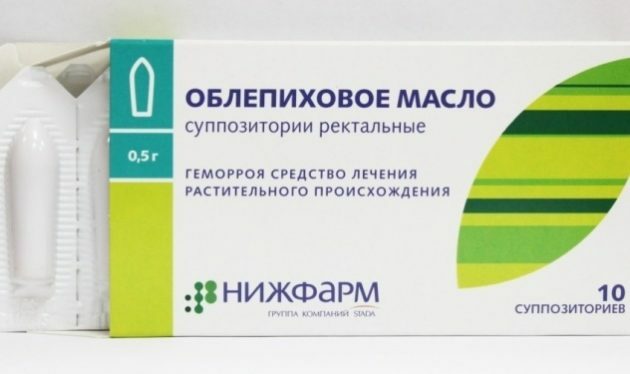
Relatively safe means in the fight against the disease are glycerin or sea buckthorn candles. Glycerin-based suppositories are often prescribed by a gynecologist to a pregnant woman for quick emptying. Glycerin is not absorbed by the intestines and does not harm the fetus. Sea buckthorn candles - a medication with an active substance in the form of sea buckthorn oil. The drug will help get rid of constipation, heal microcracks, and relieve pain.
Enema
An enema will help to cope with stool retention. Putting is permissible only with the permission of a doctor in urgent need. Stimulation of the bowel can trigger the onset of labor, which may be slightly premature for weeks 37-38. At the beginning of childbirth, if a woman cannot empty the intestines, an enema will be done without fail, since the accumulated lump of feces will make it difficult for the baby to pass through the birth canal.

Folk recipes
The folk method of eliminating delayed bowel movements with the help of decoctions of medicinal herbs can be effective, but unsafe for the health of mom and baby. Before using the method of traditional medicine, you need to consult your doctor.
Homemade Recipes To Fight Constipation:
- Dill is a safe plant for pregnant women and newborn babies. To get rid of the symptom, you need to brew a tablespoon of plant seeds in a glass of boiling water and insist. Consume before meals.
- A drink made from milk and honey normalizes peristalsis.
- Beetroot decoction will effectively eliminate constipation if you drink it before bed. It is supposed to add prunes and oatmeal to the grated root vegetable, pour the ingredients with water and cook over low heat for an hour. Next, the drink is filtered and stored in the refrigerator.
- Herbal decoctions are safe for pregnant women and effectively fight stool retention: mint, chamomile, plantain, motherwort.
Food
To avoid an unpleasant phenomenon, a woman must eat right. General dietary guidelines:
- A woman expecting a baby needs to eat fractionally and often. The portions are small.
- The most high-calorie and hard-to-digest food is eaten at breakfast. Dinner should be light and not late.
- Fried foods, smoked foods are not recommended. Steamed or boiled dishes are allowed.

- Overeating, like fasting, is contraindicated.
- It is important to follow the food intake regimen.
- It is worth excluding snacks on the go. With a strong feeling of hunger, it is allowed to eat a fruit or a handful of berries.
- It is not recommended to go to bed after eating.
- Food must be natural, without flavorings and dyes.
The daily diet includes foods containing coarse fiber. Kefir will help digestion. It is important that the fermented milk drink is fresh. With a tendency to constipation, products are allowed:
- Dried fruits.
- Millet, oatmeal, buckwheat groats.
- Bran bread.
- From drinks allowed clean water without gas, dried fruit compotes, green tea.
- Soft-boiled egg.
- Lean meat.
- Fish.
Fruits and vegetables must be present in the daily diet. Vegetable food in raw and thermally processed form is useful. Compotes, juices are made from fruits; they can be consumed raw and baked.

Strong tea, coffee, semolina dishes, pastries, slimy soups should be excluded from the menu.
Prophylaxis
Treat constipation during pregnancy using modern medicines is prohibited. Therefore, doctors advise to pay more attention to prevention. Girls in position are advised to avoid emotional stress and stress, which often cause deterioration of intestinal motility.
Also, if you are prone to constipation, you should carefully monitor the amount of fluid you consume. Doctors advise drinking at least 2 liters of clean water per day. Constipation is often caused by improper food intake. Large pieces take a long time to digest, food should be thoroughly chewed.
To avoid an unpleasant symptom at a later date, you need to carefully monitor your diet. It is recommended to exclude foods from the diet:
- Causing flatulence - cabbage, legumes.
- Dishes with a viscous consistency.
- Products containing essential oils.
- Products with tannin content.
It is extremely difficult for a woman in a position to treat an ailment. It is easier to prevent a symptom by following simple guidelines.
Constipation at any stage of pregnancy is a dangerous symptom for mom and baby. It is important to quickly eliminate it with affordable means without harming the fetus. To do this, you need to tell the attending physician about a delicate problem, who will help to cope with the phenomenon.