Constipation after childbirth: what to do for a nursing mother while breastfeeding
A common problem that young mothers have to face when breastfeeding is constipation after childbirth. For many women, this is a delicate case, they talk about it with embarrassment. Hoping that the issue will be resolved by itself, the treatment is delayed. Constipation can lead to intestinal obstruction. The consequence will be surgery.
Content
- 1 The onset of the disease
- 2 Symptoms
-
3 How to eat
- 3.1 What to exclude from the diet
- 3.2 What you need to be in the diet
- 4 Drinking regime
- 5 Physical exercise
-
6 Treatment of the disease
- 6.1 Medication
- 6.2 Folk remedies
- 6.3 Recipes
- 6.4 Enema
- 6.5 Doctor's advice
- 7 Prophylaxis
The onset of the disease
The cause of constipation during lactation is different. The most common sources of constipation include:
- Weakened abdominal muscles. It occurs due to a decrease in tone. Every third woman after giving birth is faced with this ailment. To prevent the problem from overtaking, it is advisable to do exercises that strengthen the abdominal muscles.
- Psychological factors appear against the background of a fear of pain. Especially typical for sutures after episiotomy.
- Hemorrhoids that appear after the birth of a child.
- Chronic fatigue comes with the arrival of a baby in the house.

- Strong emotional stress. The appearance is associated with a new role that a woman takes - the role of a mother. Against the background of stress, postpartum syndrome can occur.
- The return of the intestines after pregnancy to their usual place.
Given the origin and occurrence, endocrinologists distinguish the following types of constipation:
- Alimentary type - the cause of the appearance is an improper diet, indigestion, insufficient fluid intake.
- Dyskinetic type - occurs when the intestines are disrupted.
- Conditioned reflex type - appears due to emotional stress, a nervous breakdown caused by childbirth.
Symptoms
A woman can become constipated while breastfeeding for several reasons. Symptoms are solitary, manifested in a complex. The most common are:
- Lack of appetite.
- Bloating, heaviness.
- Gas formation.
- Difficulty going to the toilet "big".
- Muscle pain, fatigue, headaches.
- Sleep disturbance, decreased performance.

Due to difficult bowel movements, the stool becomes hard, leading to damage to the anus and intestines. Defecation with blood, accompanied by pain, signals this.
Bloody stool is not always the cause of constipation. The reason for its appearance lies behind intestinal inflammation, cancer, the presence of worms. If there are difficulties with the digestive system, then blood can come from the damaged organ and stain the stool black. Such a signal cannot be ignored, you need to urgently make an appointment with a doctor.
How to eat
To restore strength, a woman must eat properly, in a balanced way. If a young mother neglects the rule, then the risk of constipation increases greatly.
When drawing up a menu to combat constipation, it is worth considering a possible allergy in a child. Nutrition must be correct. When compiling a menu, you need to consult a doctor. A properly formulated diet for nursing mothers will help to cope with illness and normalize metabolism.
Mothers are often advised to keep a food diary to identify infant allergies, but it can also be beneficial for the woman's health.
What to exclude from the diet
In the first weeks, stop eating flour products. If a complete refusal is not possible, then reduce the portions. Fried and salty foods can not only cause constipation in a nursing mother, but can also cause heartburn.
Condiments and spices are not suitable for a nutritious diet. Replace pre-pregnancy carbonated drinks with plain water. It is also advisable to exclude fruits and vegetables that cause bloating and flatulence.

What you need to be in the diet
To get rid of the difficulty with defecation, millet, pearl barley, buckwheat porridge will help. Fermented milk products have a laxative effect. Fiber-rich foods help to stimulate the intestines, and the use of vegetable oil helps to improve excretory function. Vegetables cooked or steamed have a laxative effect.
Drinking regime
After giving birth, the mother's body is severely dehydrated. To prevent this from happening, a woman needs as much water as possible, the daily intake of fluid is at least two liters.
To activate the work of the intestines, you need to drink a glass of water on an empty stomach in the morning. The method is useful not only for constipation, but also for normal digestion. Allowed to drink compotes, juices, tea with lemon, milk.
Physical exercise
One of the most effective methods of dealing with constipation is exercise. Morning exercises have a positive effect on the mother's body. It should be performed on an empty stomach, after drinking a glass of warm water. It is worth starting with light exercises, gradually adding new elements.
Since the mother's body is exhausted after childbirth, walks are an excellent option. The duration should be increased every day. Use breathing techniques in combination with walking and exercise.
Treatment of the disease
Constipation should be treated immediately, as soon as a woman noticed her first symptoms. The disease has an adverse effect on the mother and the child. But it is worth remembering that the chosen method of treatment should not affect feeding.
If the change in diet has not adjusted the stool, it is worth resorting to treatment with medication. But be sure to consult a doctor.
Medication
When breastfeeding, it is allowed to use drugs that contain lactulose. It is not absorbed into the walls of the stomach and intestines, forms beneficial bacteria that help with the withdrawal, softening of feces. Lactulose laxatives do not harm the baby.
Glycerin suppositories are safe for breastfeeding. They soften the stool, make the intestinal motility work, and are not addictive, provided they are used correctly. You cannot use suppositories if there are cracks in the anus.
Folk remedies
Traditional methods will help get rid of constipation. An excellent solution would be treatment with phytopreparations. Phytotherapy not only helps to eliminate constipation, the woman begins to feel better.
Phytotherapy does not have a negative effect on the baby. The preparations have a natural composition. It is recommended to prepare decoctions. After taking such decoctions, lactation is stimulated, the general tone of the mother's body increases.
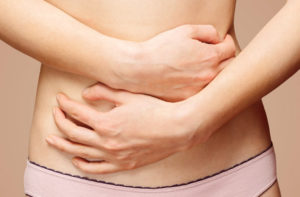
For proper bowel function, abdominal massage is performed. Massage the abdomen in a clockwise circular motion, stimulating the stomach.
Recipes
- Gooseberry decoction. Pour a handful of berries with hot water, leave for 15 minutes. Pour the gooseberries into a container, simmer over a fire for 5-7 minutes. Remove the broth from the stove, let cool. Split the medication 2-4 times, drink half a glass.
- Milk broth with figs. Boil a glass of milk, pour in the figs. Let the mixture sit for 15 minutes. Take one scoop daily.
- A decoction of fennel, anise and caraway seeds. Herbal infusion helps to keep the body in good shape, will enable a young mother to cope with constipation.
Enema
The way everyone knows. Fill the pear with liquid, insert the tip into the anus, fill the intestines with water. The procedure is carried out lying on its side.
- Cleansing enemas. The composition includes boiled water, the required volume for the procedure is no more than two liters. When it enters the intestines, it softens the feces, removes them naturally. Withdrawal is carried out within 10 minutes.
- The oil enema contains water and any vegetable oil. The beauty of such an enema is its mild effect. But the action is much slower than the cleansing, it is worth waiting for 12 hours.
- Salt-based enema enhances intestinal motility, affects receptors. Begins to act in twenty minutes.
Doctor's advice
You can cure constipation using a set of remedies. The well-known pediatrician Komarovsky does not advise eating protein foods, it is better to give preference to fruits and vegetables. A vegetarian diet will be beneficial in this case.
For laxative agents, take liquid oils with a mild effect based on senna (sendexin, senna leaves, glaxen). When breastfeeding, if a woman has cracks in the anus, it is advisable to use candles with glycerin or sea buckthorn oil.
Prophylaxis
A woman should think in advance about the prevention of constipation during breastfeeding and pregnancy. The disease can be prevented long before it occurs.
Remember, foods that hold back stool are contraindicated for a young mother. The list includes chips, croutons, some cereals, and strong brewed tea. You need to eat more fermented milk products rich in live bacteria.
Stool retention is influenced by fatigue and lack of sleep. The woman needs maximum rest. While the mother is resting, the father takes care of the child.