
Chronic colitis of the intestine: symptoms and treatment of the disease
This term, translated from Latin, means inflammation of the colon. The inflammatory process occurs in the intestinal mucosa. The cause of the disease can be:
- Infectious bacteria;
- Improper diet and use of low-quality products;
- Long-term use of antibiotics;
- Abuse of laxatives
- Abdominal surgery
- Work with poisonous substances (arsenic, mercury).
Colitis affects both women and men over forty. All over the world, forty percent of people suffer from chronic colitis (the code for MKB-10 is K50-52, different codes for the classification of the disease). Colitis of the intestine according to the effect on the body, they are divided into two classifications:
- Acute is a non-prolonged disease of the gastric tract of the body.
- Chronic colitis is a natural continuation acute colitis, lasts for years and requires long-term treatment.
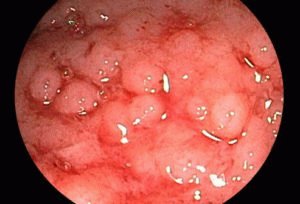
Chronic colitis
Content
- 1 Bowel inflammation symptoms
- 2 Diagnosis of the disease
-
3 Chronic colitis treatment methods
- 3.1 Drug treatment
- 3.2 Folk remedies for treatment
- 4 Prophylaxis
Bowel inflammation symptoms
With any type of disease, and even when the inflammatory process begins, the body gives signs, the main thing is to recognize them.
Signs of chronic colon disease:
- Complete absence of stool for a week;
- Heaviness in the abdomen after and before meals, an outward sign of an enlarged abdomen;
- Severe, frequent pain in the abdomen, a pronounced symptom of the disease;
- Stool changes, the presence of blood and discharge;
- Frequent and false urge to go to the toilet "by and large", as a result, the release of mucus;
- Stool immediately after eating, early in the morning after waking up, or before going to bed;
- Diarrhea with complications in the form of complete dehydration of the body;
- Bad breath, the consequences of food stagnation in the stomach and intestines of a person;
- Constant rumbling in the stomach;
- Weakness and severe fatigue of the body, the immune system is weakened;
- Frequent belching with a smell;
- Rapid weight loss;
- Pain in muscles and joints;
- Dolichosigma (persistent constipation).
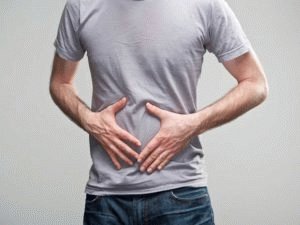
Causes of the disease:
- Bad habits;
- Infection;
- Long-term use of antibiotics, laxatives;
- Food and drug allergies;
- Metabolic disorders of the body;
- An inactive lifestyle.
Diagnosis of the disease
If symptoms are present, it is necessary to diagnose the disease. It is performed by a therapist or gastroenterologist. All data and symptoms should be presented. Enteritis are divided into several types.
Etiological classification (for reasons) of colitis:
- Infectious (consequences of infection with an intestinal infection);
- Alimentary (improper nutrition);
- Allergenic (for food allergies);
- Intoxication (the result of poisoning);
- Radiation (receiving radiation);
- Ulcerative (consequences of mucosal ulcers).
When diagnosing a disease, the doctor needs to make a confident diagnosis. There are diseases with symptoms similar to chronic colitis:
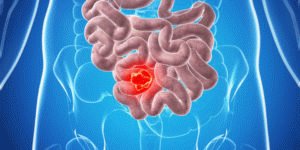
- Bowel cancer;
- Any disease of the digestive organs;
- Appendix;
- Enteritis.
For a reliable statement of the analysis, a comprehensive study is carried out. The medical history needs analysis. Using the following methods, the area and lesion of the intestine, the degree of severity, and treatment are identified.
- A general and biochemical blood test is carried out to analyze the condition of the organs of the body;
- Scatological examination of feces is necessary to study the level of amino acids, ammonia and fiber;
- Examination of an x-ray of the colon;
- Colonoscopy - a method for identifying the focus of infection and atrophic changes in the intestine;
- Irrigoscopy - using this method, a change in the relief in the intestinal mucosa is revealed;
- Ultrasound of internal organs and study of their structure (distal colitis).
Chronic colitis treatment methods
If the pathogenesis of the disease is identified, immediate therapy is required. Timely started therapy will prevent complications and improve the general condition of a person.
The procedure depends on the degree of the disease. At the initial stage, a special diet is prescribed, and an exacerbation of the disease leads to the use of medications.
With an exacerbation of the disease and in case of urgent hospitalization, the patient is prescribed medications and a strict diet. Each patient is prescribed treatment individually, depending on the type, stage of the disease and the area of infection of the body. With improper treatment, the situation can develop up to serious complications.
Drug treatment
Clinical treatment means pill therapy or surgery for complications.
Medicines for treatment:
- Sulfonamides (antibacterial and antiallergic drugs);
- Eubiotics (effective remedies with a high content of oxyquinoline, reduce abdominal pain, normalize stool);
- Probiotics (microorganisms necessary to restore the intestinal environment);
- Antispasmodic substances (to reduce painful sensations);
- Laxatives (for constipation and diarrhea)
- Antibiotics;
- Sedatives (spastic colitis);
- Enzyme tablets;
- Vitamins (an effective form for the healing of intestinal mucosa tissue);
- Polyenzyme tablets (for dysbiosis).
A diet is necessary and without proper nutrition, the effectiveness of the use of medicines is zero, it is impossible to cure the disease.
The diet is compiled individually. General rules diets for chronic colitis:
- Eat at least four times a day in small portions;
- Add fiber to the diet in the form of cereals, vegetables, fruits and bread;
- Eat meat, fish without fat and cooked;
- Eat boiled eggs for breakfast in the morning (non-infectious colitis);
- Give preference to first courses in vegetable broths;
- Diversify the diet with seafood;
- Exclude carbonated, alcoholic drinks, dairy products, hot spices.
Folk remedies for treatment
Chronic colitis at home and folk remedies can be treated after remission.
Folk remedies for colitis:
- Sage tincture. Pour a tablespoon of dried leaves with two glasses of hot water, let it brew for thirty minutes, strain and take the broth three times a day, half a glass before meals. Duration is two weeks.
- Plantain juice. Squeeze the juice from finely chopped fresh leaves. Add an equal amount of honey, hold in a water bath for twenty minutes. Store the juice in the refrigerator with the lid tightly closed. Take one teaspoon twice a day for ten days.
- Apple juice. Add one hundred grams of honey per liter of freshly squeezed juice. Take in the morning on an empty stomach for two months. Use only if colitis is nonulcer.
- Walnuts. Take 2 as a snack once a day after lunch.
Folk remedies should be used after consulting a doctor.
Prophylaxis
To prolong the remission phase, in order to prevent colitis, the following conditions must be met:
- Diet, eat food in moderation;
- Drink two liters of clean water every day;
- Observe basic hygiene rules;
- Often when you want to go to the toilet;
- Get examined and see a doctor for pain and bowel problems;
- Observe safety measures when working with chemicals;
- Do not use tobacco and alcohol;
- To live an active lifestyle.
Correct treatment, adherence to all doctor's recommendations and with a strict diet - in this case, a favorable outcome of the disease can be expected. Be healthy!