
Pseudomembranous colitis: symptoms and treatment of the disease
Disease of the large intestine, in which acute inflammatory processes of the mucous membrane of Clostridial genesis occur. The second name is membranous colitis. It occurs due to infection with a pathogenic microflora - Clostridium difficile. In the intestines, 50 trillion of beneficial lacto- and bifidobacteria live in adults, which support digestion, participate in the synthesis of vitamins and immune defense. With an organ disease, pathological changes occur in the structure of the intestine, physiological functions are impaired, the microflora dies. Instead of beneficial lacto- and bifidobacteria in the intestine, active growth and development of pathogenic microflora begins - clostridia, staphylococcus, streptococcus.
Content
- 1 Description of the disease
- 2 Clinical causes of the development of the disease
- 3 The clinical picture of the disease
- 4 Diagnosis and treatment of pseudomembranous colitis
Description of the disease
Inflammatory, acute intestinal lesions occur after antibiotics and other drugs (melarsoprol, pentamidine, or suramin). Useful microflora dies, and conditionally pathogenic (clostridia, enterococci, streptococci and others) begins to actively grow and multiply. Clostridia secrete in the process of life the most dangerous poisons that affect not only the gastrointestinal tract, but also the central nervous system of a person. Inflammation of the tissues of the large intestine leads to severe disorders in the functioning of the organ.
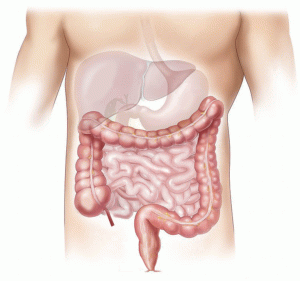
Pseudomembranous colitis is referred to as nosocomial infections (inside hospital infections), since 65% of patients were treated for other diseases in a hospital (after operations, severe infections). Predisposing factors that increase the risk of infection with Clostridia (pathogenic microorganism) are: age - after 60 years and up to 14 years (especially preschool age); the presence of serious diseases or operations in the anamnesis (oncology, resection of the intestine or stomach, absence of the gallbladder, and others). This disease affects healthy adults after taking antibiotics only in 5% of cases.
Clinical causes of the development of the disease
- According to clinical statistics, pseudomembranous colitis occurs after taking antibiotics in 65%. Colon diseases occur after a course of therapy with antibacterial drugs: ampicillins and cephalosporins, tetracyclines, macrolides, rarely chloramphenicol. The antibacterial drug destroys the intestinal microflora.
- Antiprotozoal drugs - pentamidine or suramin, melarsoprol. The latter causes severe pathological changes in the tissues of the large intestine.
- Irrational and frequent use of laxatives.
- Dysbacteriosis of the intestine against the background of taking antibacterial agents and stress.
- Clostridia form endospores capable of dwelling in nature: in soil, in water. 85% of clostridial endospores are found in “village” or “bio” toilets. Often, infection occurs through unwashed hands and fruits, drinking from sources infected with Clostridial infection, washing vegetables and fruits in the same place. Clostridial endospores are able to enter the intestine, encyst and develop.
The clinical picture of the disease
The clinical picture of the disease depends on the duration of the course of Clostridial infection in the body and on the degree. The characteristic symptom of the disease is persistent, debilitating diarrhea. The reason for it is in the toxic waste of the vital processes of Clostridia.
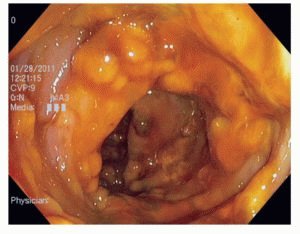
Membranous colitis
At the initial stage of the development of the disease, the patient develops diarrhea. The nature of pain in the abdomen is cramping, radiating to the lower back. The patient has constant tenesmus, diarrhea: profuse, watery, with fragments of mucus and blotches. General signs of intoxication in the disease are growing, the main signs of which are: the temperature is raised to 38 - 40, fatigue, nausea, headache, attacks of severe nausea and vomiting. Allergic reactions to bacterial toxins can manifest on the skin in the form of a rash and redness of the skin.
At the severe and terminal stage, the intestine is hyperemic, its tissues atrophy and necrotic. She is not able to perform all physiological functions, because of this, the processes of digestion, blood clotting are disrupted, and the defenses of the immune system are reduced. Patients complain of persistent tenesmus and debilitating bouts of diarrhea. The stool becomes yellowish - brown or greenish. It is dominated by mucus and blood.
Signs of dehydration, dehydration and pathological changes in water electrolyte metabolism appear. At this stage, the patient is diagnosed with impaired protein metabolism. A toxic megacolon is being formed. There comes a severe pathology of the intestinal walls - their perforation with the throwing of its contents into the abdominal cavity - peritonitis. Its main feature is a "hard" belly.
Death occurs with membranous colitis due to infection of the abdominal cavity with pathogenic bacteria contained in the organ; due to dehydration and pathological disorders of water electrolyte and protein metabolism. Tremors, convulsions are possible. The patient develops dysuria. The skin becomes dry, white. Due to digestive disorders, anorexia can begin in patients. The small intestine is involved in the inflammatory process - enterocolitis. This is a typical complication of pseudomembranous colitis in adults.
With pseudomembranous colitis, ulcers and erosion can occur on the intestinal walls. One of the associated diseases will be ulcerative or necrotizing colitis. With pseudomembranous colitis, all organ systems are affected. The disease causes other diseases of the internal organs: renal and heart failure, gastritis, chronic pancreatitis.
Diagnosis and treatment of pseudomembranous colitis
When symptoms of large intestine disease appear in a patient: persistent tenesmus, diarrhea, nausea, the doctor examines him, collects an anamnesis and directs him for laboratory and instrumental analyzes. Diagnostics is aimed at identifying the cause of the disease and making an accurate diagnosis. When palpating the patient's abdomen, a gastroenterologist or proctologist establishes soreness in the lower abdomen, bloating. On examination of the anus, notes hyperemia and swelling of the anus. Also, patients have low blood pressure, increased body temperature.
Laboratory and instrumental analyzes:
- Complete blood count with leukocyte count and ESR. With pseudomembranous colitis, the patient has leukocytosis, especially an increased level of neutrophils, which indicates the course of a bacterial (Clostridial) infection.
- Blood biochemistry - C-reactive protein, blood globulins.
- Study of the patient's feces for pathogenic microflora (on clostridia, enterococci, streptococci and others), coprogram, occult blood in the stool.
- Swab or scraped from the anus.
- Ultrasound of the abdominal cavity and kidneys.
- Sigmoidoscopy. During endoscopy, the doctor diagnoses changes in the mucous layer in patients with this disease, on which there are yellowish - fibrinous formations (pseudomembranes).
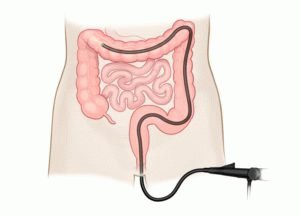
- Colonoscopy is performed to diagnose and establish general pathological processes of intestinal tissues with taking a biopsy (a process in which a fragment of an affected area of intestinal tissue is taken for a histological analysis).
- Computed tomography is prescribed at the terminal stage - to diagnose megacolon or intestinal obstruction.
The tactics of treating the disease is carried out with the help of drugs. It consists of the following principles:
- Therapeutic diet number 3.
- Increased consumption of water and other beverages to prevent dehydration. In addition, to replenish water electrolyte metabolism, doctors prescribe rehydron, 2-3 sachets per day.
- The drugs of choice for the treatment of Clostridial infection are metronidazole (an antibiotic and antiprotozoal) and vancomycin. The drug is not absorbed in the intestines, with oral administration, its concentration increases and reaches a maximum in three days. Metronidazole therapy is aimed at destroying and inhibiting the growth and development of pathogenic organisms.
- An acute attack of pain is stopped by antispasmodics (duspatalin, buscopan). With a decrease in pain, do not stop taking medications, they have a cumulative effect.
- During treatment, it is important to restore the normal intestinal microflora. Doctors prescribe drugs that create a favorable environment for the development of bifido and lactobacilli - Hilak Forte and prebiotics - alpha normix, maksilak.
At a severe or terminal stage of the disease of pseudomembranous colitis, the patient is given infusion therapy with the aim of restore the volume of fluid, eliminate the symptoms of intoxication, reduce the loss of protein compounds and electrolytic violations. If the patient has a toxic megacolon, intestinal perforation and intestinal obstruction, surgical surgical treatment is indicated - partial resection of the affected area of the intestine.
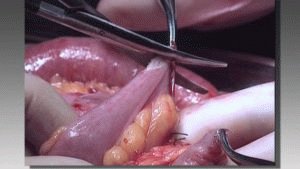
Bowel resection
With pseudomembranous colitis of the colon, a strict, therapeutic diet is prescribed. It is based on:
- fractional meals, up to 5-6 times a day;
- exclusion from the menu of spicy, fried, smoked. Fast food, cakes, chocolate, honey are prohibited;
- food accepted - in the form of mashed potatoes or finely chopped or grated;
- milk, legumes, cabbage, white bread, which cause flatulence and bloating, are excluded from the diet;
- the patient should only eat yesterday's dried bread, crackers, biscuits, crispbread;
- use only low-fat varieties of meat and fish products (rabbit, turkey, chicken). Steam or cook;
- boil or bake vegetables and fruits;
- protein omelets, boiled eggs (no more than 2 pcs. in a day);
- vegetable oil in moderation;
- exclude alcohol, soda, energy drinks;
- drinking regime - up to 2 liters. Dried fruit compotes, rosehip decoctions are useful. Eliminate juice.
The principles of the diet are aimed at restoring digestive functions in the gastrointestinal tract, reducing pain and swelling, and normalizing beneficial microflora. A dietitian or gastroenterologist will be able to choose the correct dietary regimen.
Timely treatment of the disease leads to a complete recovery of the patient. There are no complications at the initial stage. After the course of therapy, the patient must undergo control, preventive examinations by doctors and take tests. Prevention of the disease consists in taking medications that protect and contain beneficial microflora during courses of antibiotic therapy.