
Treatment of intestinal colitis with medicines: a review of effective drugs
Before treating colitis, it is worth learning about its features, types, causes.
Colitis of the intestine - a disease characterized by inflammation of the inner wall of the human large intestine. The mucous layer is disturbed due to malnutrition, stress and other factors, which is the cause of the disease. Inflammation leads to impaired absorption of fluid from food waste and intestinal motility. The shell does not fulfill its functions or does not fully fulfill it. The degree of damage determines the type of disease.
Content
- 1 Types of intestinal colitis
- 2 Symptoms
- 3 Causes of the disease
-
4 Treatment of the disease
- 4.1 Prescribing antibiotics
- 4.2 Pain relievers (antispasmodics)
- 4.3 Anti-inflammatory drugs
- 4.4 Microflora restoration
- 4.5 Solving problems with intestinal motility
- 5 Vitamin intake
- 6 Power features
Types of intestinal colitis
Depending on the cause of the inflammation, the following types of colitis are distinguished:
- Ulcerative - a type of colitis that is different ulcers on the walls of the large intestine.
- Acute - a type in which not only the large intestine is affected, but also the small intestine is inflamed, and the stomach is also affected.
- Ischemic - the consequences of poor blood circulation in the intestine.
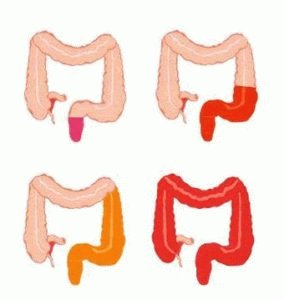
- Chronic is the consequences of acute, incompletely cured colitis.
- Spastic manifests itself in spasms, bloating. Not considered a severe form.
- Alcoholic occurs with alcohol dependence.
- Erosive - characterized by ulcers over a large area of the duodenum.
- Atonic is typical for the elderly. Intestinal activity is reduced, frequent constipation, hemorrhoids subsequently.
- Hemorrhagic is characterized by bloody discharge - diarrhea.
- Radiation colitis occurs after radiation exposure, received with cancer.
- Nonspecific ulcerative - similar to chronic with relapses, the origin of the immune type.
Symptoms
Colitis symptoms:
- Dull pain in the lower, side of the abdomen. Time after eating exacerbates pain.
- Constipation alternating with diarrhea.
- A symptom of intense gas formation.
- Nausea.
- On stool, feeling of incomplete emptying of the rectum.
- Unpleasant feces odor.
- Weight loss.
- Prostration.

Acute form:
- Loss of appetite.
- Diarrhea.
- High body temperature.
- Drawing pain in the lower abdomen.
Causes of the disease
The inflammatory process is caused by the following reasons:
- Hereditary predisposition.
- Stress, nervous breakdowns.
- Lack of normal blood circulation in the intestinal walls.
- Disruption of work by food microorganisms.
- Intoxication.
Treatment of the disease
Diagnosis entails treatment. Therapy provides an integrated approach in this case. Experts advise to go through all the stages:
- Diet.
- Sessions with a psychotherapist.
- Sanatoriums.
- Medication.
Medication treatment involves prescribing a set of drugs. Let's dwell on this in more detail.
Prescribing antibiotics
Antibiotics are not always used to treat colitis. The reason for this is contraindications for different types of colitis.
Antibiotics are drugs aimed at destroying bacteria-provocateurs of an infectious type of disease. They are prescribed if the use of other methods is ineffective.
Antibiotics are not prescribed in conjunction with antibacterial drugs due to unexpected reactions.
Furazolidone - a representative of antibiotics, has a pronounced antimicrobial function. An effective drug, the properties of which depend on the dose. The tablets are drunk without chewing. The treatment course is individual. The average course is a week with the use of the medicine four times a day.
Levomycetin is an antibiotic available in the form of tablets, powder. Effective as furazolidone. The course is prescribed by the doctor.
Metronidazole is another antibiotic with antimicrobial effect. Has contraindications: pregnancy, problems with the central nervous system.
The described funds are used for mild to moderate severity of the disease.
Pain relievers (antispasmodics)
Pain relievers help relieve pain caused by an acute illness. Used for ulcerative acute colitis.
No-shpa - suitable for moderate pain, has contraindications for heart failure, preschool age, individual intolerance to the composition of the drug. Available in the form of a solution, yellow tablets.
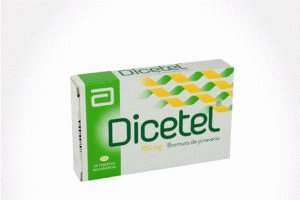
Dicetel - solves the problem of spasms, thereby destroying pain. Take the tablets three times a day. Contraindicated in children. Available in orange tablets.
Mebeverine is an antispasmodic that soothes irritated bowels and relieves pain. It is used internally. Contraindication - hypersensitivity to drug components.
Anti-inflammatory drugs
Inflammation is the main feature of the disease. To remove it, the doctor prescribes anti-inflammatory drugs that improve the general condition of a person.
Prednisolone is credited with ulcerative colitis, with a chronic form of the disease. The drug relieves inflammation, inhibits the process of its development. The dosage is individual.
Microflora restoration
Disease, the use of drugs destroy the normal microflora of the human intestine. Antibiotics, in addition to destroying bacteria, destroys beneficial microflora, the absence of which leads to depression, obesity, asthma, allergies and dysbiosis.
Medicine does not yet have drugs in its arsenal without side effects. Therefore, having cured one thing, you have to solve the problem with the consequences. It turns out that to cure the form chronic colitis almost impossible completely.
Microflora restorers: Bifikol, Bifidumbacterin. The time of treatment with drugs is up to one and a half months. This also includes Linex, Lactobacterin.
Linex is a medicine in the form of capsules that restores microflora. Take capsules three times after meals. Contraindications - allergy to the components of the drug.
Lactobacterin is a prebiotic in powder form. Apply one hour before consuming food as a drink. Treatment should be carried out within a month.
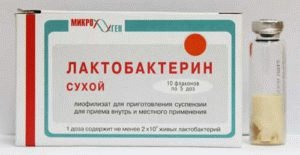
Bifikol is a lyophilisate for preparing a suspension. Consume half an hour before meals twice a day. Used to restore microflora after ulcerative colitis. Contraindications - simultaneous use with antibiotics.
Bifidumbacterin is available in capsules, tablets, lyophilisates for preparation of suspension, liquid concentrate. The use depends on the prescribed form of the medication. The dosage is individual. Do not use for children under 3 years of age.
Solving problems with intestinal motility
After the restoration of microflora or simultaneously with it, drugs are prescribed to improve intestinal motility.
Mezim-forte is a drug in the form of tablets that activates the digestion process - a high level of assimilation of proteins, carbohydrates, fats. The remedy is contraindicated in pancreatitis.
Creon is a medicine in the form of gelatin capsules to improve digestion. The dosage depends on the severity of the disease. Like Mezim, it is contraindicated in chronic pancreatitis.
Vitamin intake
In chronic colitis, in addition to medications, vitamins of groups C, B, PP, U are attributed. These organic compounds are used orally, parenterally, in the form of injections. Injections are given with some B vitamins.
B1 is used for better cleansing of the body.
Vitamin B3 improves the production of stomach acid, harmonizes the functionality of the intestinal tract.
U is used as a building material. With the help of it, damaged areas of the intestine are restored. PP includes the activity of the secretory function of the human stomach.
Power features
While treating colitis, adhering to a diet is perhaps the most important component of recovery. For bowel disease, you can eat the following foods:
- Yesterday's coarse wheat bread, crackers. White fresh bread, rich products increase the production of gases, peristalsis accelerates - this will negatively affect the patient's condition.
- Soup, porridge on water, vegetable broth. Soup and not only on animal fats burdens the work of the stomach, intestines, liver.
- Meat, fish in the form of steamed cutlets.
- Eat low-fat dairy products.
- Confectionery in moderation.
- Tea, cocoa, soft coffee.
- No more than two tablespoons of sugar a day, a few sweets.
It is worth giving up:
- legumes, pasta - cause excessive gas formation;
- raw fruits, vegetables - fiber enhances peristalsis;
- canned food, pickles, smoked, pickled - these products irritate the intestinal lining, cause inflammation;
- fast food;
- spices, seasonings.