
Acute intestinal colitis: symptoms and treatment of the disease
Acute colitis is an inflammatory disease that affects the mucous membrane of the large intestine. The inflammation often affects the small intestine and stomach.
The disease occurs in adults, children, the cause in most cases is the ingestion of an infection. The disease is provoked by bacteria of streptococcus, staphylococcus, proteus group and pathogenic bacteria. Colitis is often associated with intestinal colic, which is a symptom indicating a possible onset of the disease.
The factors that caused the emergence and further development of acute intestinal colitis will most often be:
- Frequent use of antibiotics, leading to a violation or destruction of the intestinal microflora.
- Bacterial infections.
- Violation of the blood supply to the intestines.
- Worms.

- Food, non-food poisoning.
- Allergic reaction.
- Influence of toxic substances and poisons, radiation exposure.
- Improper diet, alcohol abuse, stress.
Content
- 1 Signs
- 2 Types of acute colitis
- 3 Diagnostics
- 4 Treatment methods
- 5 Consequences
- 6 Prophylaxis
Signs
Symptoms common with colitis:
- Severe pain of a spasmodic, pulling character in the lower abdomen.
- Bloating.
- Flatulence.
- Lack of appetite.
- Constant malaise.
- The appearance of loose stools.
- The presence of mucus or blood in the stool.
- Increased urge to defecate.
- The temperature rises to 38 degrees.
The disease develops with salmonellosis, dysentery, disorders of the gastrointestinal tract. Patients experience additional symptoms: weakness, constant fatigue, vomiting, nausea. There is a form of colitis of unclear etiology, when it is impossible to determine the exact causes, the disease arose as a result of an allergic reaction, the presence of autoimmune diseases in the patient.

Types of acute colitis
Taking into account the above and other symptoms, the following types of colitis are distinguished, which are based on the cause of their occurrence:
- Drug.
- Toxic.
- Infectious.
- Ischemic.
- Ulcerative.
Symptoms of acute colitis are varied, often do not have a clearly defined specificity, as a result of which they are confused with other diseases affecting the large intestine. Therefore, it is important to correctly diagnose on time, start treatment, until the disease has passed into the chronic stage, and has led to the development of serious diseases.
Diagnostics
A timely diagnosis is extremely important; at the first symptoms, you should immediately consult a doctor. This will prevent overflow from acute to chronic colitis.
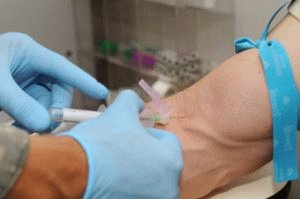
Diagnosis begins with the collection of anamnesis, which takes into account the past diseases that could cause acute colitis. An examination is performed, palpation of the abdominal cavity, determination of the presence of abdominal distention, painful areas of the large intestine, and possible inflammation. To make an accurate diagnosis, a number of tests are required, including stool analysis, general and biochemical blood tests.
Instrumental examination methods are often used:
- Endoscopy (examination where the colon is examined with an endoscope).
- Irrigoscopy (X-ray examination of the large intestine with retrograde introduction of a radiopaque contrast agent into it).
- Sigmoidoscopy (visual examination, where the rectal mucosa is examined).
- Colonoscopy (endoscopic examination of the colon).
- Ultrasound examination of the abdominal organs.
- MRI.
The above research methods, although they require preliminary preparation of the patient, give more accurate diagnostic results, which allows timely initiation of treatment.
Treatment methods
Treatment should be started immediately. It often depends on the cause of the occurrence. In acute colitis, hospitalization of the patient is necessary, especially in cases of an infectious form.
When diagnosed with acute colitis, the patient is assigned a diet that must be strictly adhered to. The first time you need to drink plenty of fluids (water, tea without sugar is recommended), refrain from fried, smoked, sour, spicy foods, vegetables, raw fruits, exclude milk, foods with a high content fiber. It is desirable that the food be soft, food - in small portions, but frequent, without overloading the gastrointestinal tract, without provoking the subsequent development of further inflammation. Subject to the described rules, the disease proceeds in a mild form, accelerating recovery.
In addition to the diet, antibiotics and antimicrobial drugs are prescribed, antiparasitic or antibacterial treatment is carried out, salt laxatives are indicated for toxic colitis. Removal of pain syndrome is carried out with antispasmodic drugs. Most often, the disease is accompanied by dehydration, in this case, a solution of 0.9% sodium chloride or 5% glucose solution is administered intravenously.
To normalize the composition of the intestinal microflora, to prevent dysbiosis, bacterial preparations containing representatives of the normal intestinal microflora are prescribed. With colitis, the likelihood of proctitis or proctosigmoiditis increases; to prevent them, drugs containing belladonna and anesthesin are taken rectally.
In rare cases, when the disease is neglected and there is a threat of blood clots, it is necessary to resort to surgical intervention.
Along with drug treatment, traditional medicine recipes can be used. Herbal preparations have a beneficial effect on the body: infusion of chamomile, St. John's wort, black elderberry flowers, buckthorn bark. It is good to add medicinal plants with a laxative effect to the diet: aloe, valerian, oregano. Before using any recipes, both traditional and alternative medicine, a mandatory consultation with a doctor is required.
In order to get the appropriate medications prescribed, to determine the optimal treatment methods, it is necessary to consult with a gastroenterologist or proctologist who correctly diagnoses, determines the nature of the disease, prescribes individual treatment in each a separate case. Do not self-medicate - it is fraught with big problems, harm to the body.
Consequences
Acute colitis, due to the lack of necessary therapy or incorrect treatment, becomes chronic and takes on an incurable form, or it will cause the development of diseases:
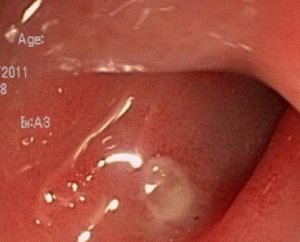
Human ulcer
- Peptic ulcer disease.
- Peritonitis.
- Liver abscess.
- Sepsis.
- Internal bleeding.
- Intestinal obstruction.
- Dehydration and intoxication of the body.
- Increased risk of cancer.
- Headaches.
This is fraught with serious and painful consequences, and the likelihood of surgical intervention increases.
Prophylaxis
Acute colitis will be prevented by proper nutrition and wellness procedures. You need to move more and play sports, which prevents the formation of stagnant processes in the body, including in the intestines. Quitting smoking and alcohol abuse will significantly reduce your risk of illness.
You should not neglect healing with mineral waters and physiotherapy. It is important to always take good care of your own health, and if the first symptoms of the disease appear, urgently seek help from a gastroenterologist or proctologist.