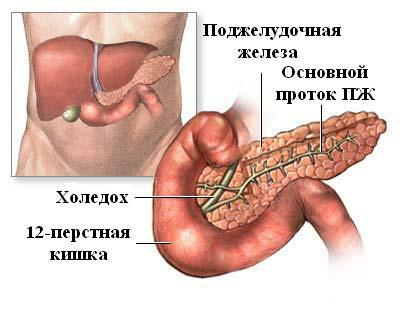
What can you eat with an exacerbation of pancreatitis? Find out from our article!
Sharp girdle pain in the upper abdomen, radiating to the back, decreased pressure, heart palpitations, exhausting nausea and vomiting are all symptoms of inflammation of the pancreas, a serious condition better known as pancreatitis. Pancreatic dysfunction is fraught with unpleasant consequences, including the risk of developing diabetes and even cancer, so the problem cannot be ignored.
"First aid" for exacerbation of pancreatitis should be bed rest and complete rest, cold compresses on the upper abdomen, and also a well-chosen diet, which will allow an important organ of the digestive system to temporarily not synthesize enzymes and a little "relax". This will help the pancreas to restore normal function more quickly and restore the patient to well-being.

What can you eat with exacerbation of pancreatitis
Content
-
1 Nutrition at different stages of exacerbation of pancreatitis
- 1.1 First stage
- 1.2 Improvement period
- 1.3 Stage of fading exacerbation of pancreatitis
-
2 What to exclude from the diet
- 2.1 Video: Prohibited foods for pancreatitis
- 3 Indicative daily menu for exacerbation of pancreatitis
- 4 Dishes for pancreatitis
-
5 Conclusion
- 5.1 Video - Treatment and diet for pancreatitis
- 5.2 Video - What can you eat with pancreatitis
Nutrition at different stages of exacerbation of pancreatitis
To alleviate the general condition, a stepwise nutritional scheme is recommended, which is divided into three stages and includes yourself a period of fasting, the gradual introduction of certain types of food into the diet and a smooth transition to a full nutrition.
First stage
The main principle of organizing food in the first days of the "acute" period is a complete rejection of food. The patient is allowed to drink only mineral water without gas (to suppress the secretion of gastric juice), weak tea or weak rosehip decoction. This will provide unloading of the gastrointestinal tract and prevent the development of complications and progression of the inflammatory process.

Sparing diet for acute pancreatitis
Until the cause of the exacerbation is eliminated, the hunger period must be continued - often 2-3 days are needed to alleviate the condition. In especially severe cases, this method of eating should be continued from a week to a month, but in such situations, a person needs hospitalization and medication support.

Diet for exacerbation of chronic pancreatitis
Improvement period
With the improvement of the patient's condition, when the symptoms of the disease begin to subside, it is allowed to gradually replenish the diet with certain foods and drinks.

Permitted and prohibited foods for pancreatitis
When choosing a menu, it is necessary to take into account several important points:
- you should adhere to the principle of fractional nutrition (eat in small portions 5-7 times a day at a clearly set time);
- you should not force-feed the patient (it is better to slightly shift the time schedule for eating until the appetite appears);
- an equally important risk factor is overeating (the daily food intake (taking into account the liquid drunk) should not exceed 2.5 kg);
- food should be served warm or at room temperature;
- dishes can be cooked or steamed and must have a uniform consistency (can be wiped in a blender);
- food should be fat-free to avoid functional stress on the pancreas;
- the number of calories can vary from 500-1000 kcal per day (depending on the general condition of the patient and his physical activity).

How to eat with pancreatitis
The priority is given to mashed milk soups, liquid and semi-liquid porridges in water, vegetable purees, jelly and compotes. In combination with drug treatment, it is possible to quickly achieve positive dynamics in the patient's condition.
Stage of fading exacerbation of pancreatitis
With the removal of most of the symptoms of the disease, you can expand the scope of the diet. However, we must not forget that the diet should help unload the pancreas, as well as reduce gastric secretion. Food should also be taken in small portions at intervals of no more than 4 hours. In addition, during this period, it is recommended to include the use of folic acid and vitamins A, B1, B2, B12, C, PP and K, but only after consulting a doctor.

Allowed foods for pancreatitis
The main menu should include:
- lean fish and boiled chicken, rabbit, as well as veal and turkey;
- slimy soups and liquid cereals as a side dish (with the exception of millet and pearl barley);
- ground dried fruits soaked in water (with a minimum calorie content, they contain many substances that are useful for normalizing the digestive tract);
- potatoes, beets, carrots, zucchini, pumpkin, cauliflower in boiled, baked or pureed form;
- egg whites;
- kefir and dietary cottage cheese;
- cracker.

Permitted and prohibited cheeses for pancreatitis
As the main drinks, it is better to use mineral water (still) or unsweetened tea, as well as sweet compotes, jellies, jelly and freshly squeezed juices diluted with water (in a 1: 1 ratio). Fresh fruits and vegetables (except radishes, onions and garlic) can be introduced gradually. The main thing is not to fill them with vegetable oil, sour cream or mayonnaise. Bread is also allowed.
Advice! It is advisable to eat yesterday's bread, or dry fresh pieces in the oven before serving.
What to exclude from the diet
To exclude the transition of acute pancreatitis to the chronic stage, it is necessary to draw up a list of food restrictions, avoiding foods that stimulate the active work of the pancreas, and taking into account the individual intolerance.

Prohibited foods for pancreatitis
It is necessary to completely remove from the daily diet:
- fatty meat food, lard and some types of fish (mullet, salmon, catfish, carp, halibut), as well as caviar;
- pork and lamb fat;
- Rye bread;
- meat offal (sausages, rolls, sausages, sausages, and so on) and smoked meats;
- canned food, pickles, marinades;
- hot spices, herbs and seasonings;
- some types of vegetables (radishes, rutabagas, radishes, onions and garlic, as well as cabbage, mushrooms and legumes with a high content of coarse fiber);
- sour fruits;
- orange, lemon, tangerine and other types of citrus fruits;
- candied fruit;
- condensed milk;
- glazed curds and fat sour cream;
- carbonated and coffee drinks;
- chocolate products, cakes, pastries, biscuits, marmalade, caramel, lollipops and other sweets.
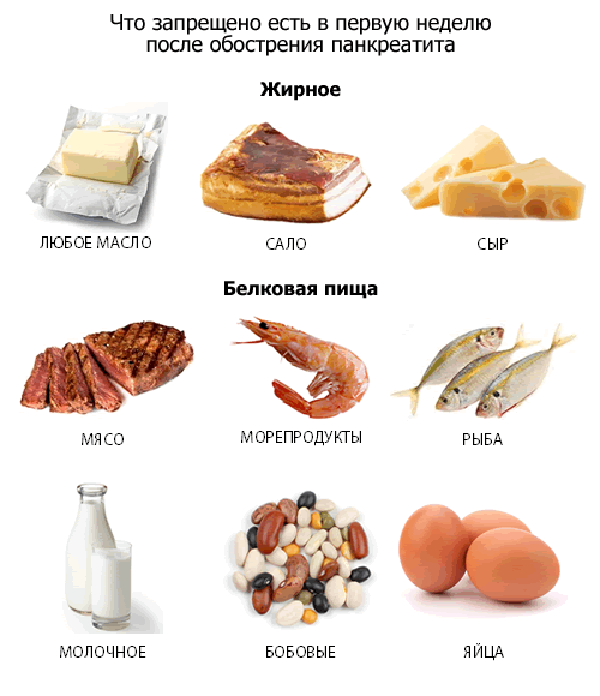
What is forbidden to eat in the first week after an exacerbation of pancreatitis
Advice! It is better to give up fast food (french fries, hot dogs), chips, crackers, salted nuts forever in order to avoid exacerbations of the disease.
In addition, you should limit the use of alcohol (not only spirits, but also low-alcohol cocktails). Alcohol can provoke a spasm of the sphincter of Oddi (a valve device that allows enzymes to move into the intestines and at the same time prevents digested food from leaving). After taking the "hot" valve may not open in time, and the digestive juice will be blocked in the ducts, which will cause an acute attack and unpleasant consequences.

List of foods for pancreatitis
Video: Prohibited foods for pancreatitis
Indicative daily menu for exacerbation of pancreatitis
A strict diet is not a sentence. A lot of tasty and healthy dishes can be prepared from permitted products. Before you compose a balanced diet for every day, you should consult your doctor and take into account all his recommendations. But if it is not possible to contact a specialist, an approximate menu, which contains all the necessary products in acceptable doses and indicates the recommended time reception.
| Meal time | Image | Dishes |
|---|---|---|
| First breakfast (7.00 – 7.30) |
 |
Your first breakfast should be light, but nutritious to provide the body with the necessary supply of energy. This can be slimy soup, semolina pudding, cottage cheese casserole, or rice porridge with fruit. Lovers of sweets will certainly love the curd balls with jam. From drinks, it is worth giving preference to mineral water or weak tea (from chamomile, mint or rose hips). You can add a little milk to tea |
| Lunch (9.00 – 9.30) |
 |
Second breakfast means a light snack to replenish your strength, so you can opt for baked pear or apple (without peel), enjoy fruit jelly, eat a small banana or drink yogurt |
| Dinner (12.00 – 12.30) |
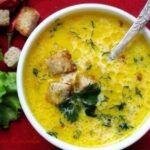 |
Despite the dietary restrictions, the lunch in the treatment of pancreatitis should be the most satisfying. You can make mashed pearl barley soup with croutons, liquid mashed potatoes (carrot) or buckwheat with a steam cutlet. You can wash down lunch with compote or milk |
| Afternoon snack (16.00 – 16.30) |
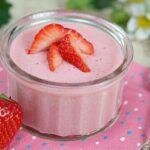 |
Before dinner, it is imperative to make an afternoon snack, which may include oatmeal jelly with a dried slice of bread, milk jelly, fruit mousse or cottage cheese with 1 tsp. honey |
| Dinner (20.00 – 20.30) |
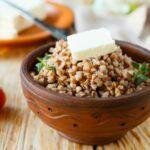 |
To prevent nutritional deficiencies, you should serve buckwheat, semolina or rice porridge, pasta with vegetables, or fish meatballs with vegetable puree for dinner. A weak tea, which can be diluted with milk, is suitable as a drink. The final point in the daily diet can be half a glass of low-fat kefir, which is better to drink before going to bed. |
Advice! During cooking, food must not be salted. It is allowed to add a little salt to food only before serving, but its volume should not exceed 10 g per day.
The body will take time to recover from an exacerbation, so a diet for pancreatitis is desirable observe a long period (from 6 to 12 months), strictly adhering to all the recommendations and advice of the doctor.
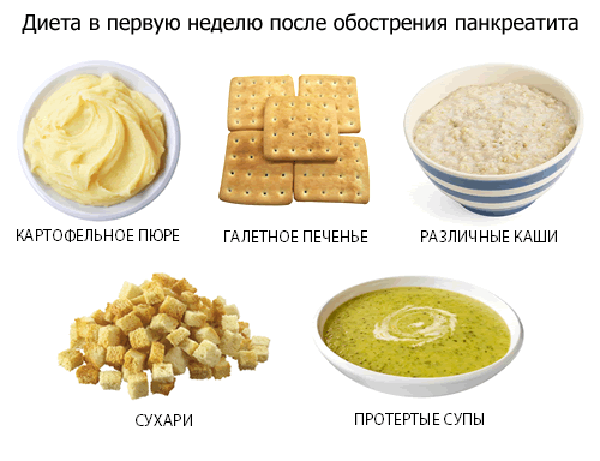
Diet in the first week after exacerbation of pancreatitis
Dishes for pancreatitis
An attack of pancreatitis should not become an obstacle to positive emotions. And if the pains have receded, you can please the patient with mouth-watering delicacies, prepared strictly within the limits of the permissible norms and the declared diet.

Useful fruits for pancreatitis
For this, a few simple and interesting recipes come in handy.
- Tender chicken soufflé (boiled poultry mix with protein and cook in a steamed form. If desired, the chicken can be replaced with veal).
- Appetizing noodles casserole (take 30 g of noodles, cottage cheese and milk each; grind cottage cheese with boiled noodles; ¼ beat eggs with milk; mix everything, add sugar to taste, put in a mold and bake).
- Strawberry Dessert (mix 1 whipped egg white with powdered sugar and vanilla; pick up with a spoon and dip in boiling water, forming balls; decorate them with thick strawberry jelly poured into glasses).
- Zrazy from pike perch fillet (mince 400 g of fish fillet; Soak 100 g of a white loaf in 0.5 tbsp. milk, squeeze, grind and add whipped protein; mix everything into a homogeneous mass, lightly salt; use a spoon to form zrazy and lower it in boiling water for 15-20 minutes).

Therapeutic menu for pancreatitis
Using the list of permitted and prohibited products, you can replenish your recipe box with your own findings. Thanks to culinary experiments, the patient can not only quench his appetite, but also get a lot of positive emotions, which is important for the successful outcome of the course of treatment.
Conclusion
Diet is the basis for comprehensive treatment of pancreatitis, and strict adherence to it allows you to quickly cope with the disease. The slightest deviations from the chosen course can negatively affect the result of therapy, because each exacerbation leads to the appearance connective scars in the areas of inflammation, therefore, the glandular tissue, which normally performs its function, remains in the pancreas smaller. As a result, the production of enzymes decreases, and digestive processes are disrupted.

Diet for chronic and acute pancreatitis
In addition to food restrictions, the success of rehabilitation largely depends on the patient's lifestyle, reasonable physical activity and the rejection of bad habits. This will have a positive effect not only on the activity of the pancreas, but also on the work of all functions of the body, and most importantly, it will help to avoid repeated attacks.
Take care of yourself and be healthy!