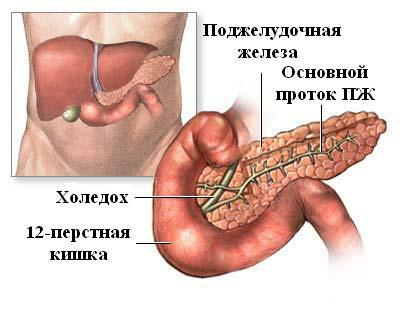
Diet for acute pancreatitis in adults
Pancreatitis is an inflammatory process that affects the pancreas. It is a common condition that affects patients regardless of gender or age. There are two forms of pancreatitis - chronic and acute. In the second case, the disease proceeds very rapidly, which is associated with the clogging of secreted enzymes in the pancreas. As a result, the organ is damaged by digesting itself, which is dangerous for the patient's life. Often the pathology is accompanied by severe pain and requires timely treatment or, if drug therapy does not give the desired effect, surgery. Diet for acute pancreatitis in adults and children also plays an important role in the treatment process. More about this and will be discussed in this article.

Diet for acute pancreatitis in adults
Content
- 1 Causes of Acute Pancreatitis
- 2 Signs of the acute stage
- 3 Why is it dangerous
-
4 Features of diet treatment
- 4.1 Prohibited foods
- 4.2 Allowed Products
- 4.3 Menu for the day
-
5 Prevention of pancreatitis
- 5.1 Video - What can you eat with pancreatitis
Causes of Acute Pancreatitis
The main factors contributing to the development of pancreatitis, doctors include:
- improper diet (excessive consumption of spicy, fried or fatty foods);
- frequent overeating;
- eating too cold or hot foods;
- lack of proteins in the body;
- excessive consumption of alcoholic beverages;
- mechanical damage to the pancreas;
- intoxication of the body;
- the development of infectious diseases, stomach ulcers, cholecystitis;
- gallstone disease.

Causes of Acute Pancreatitis
As you have already seen, most of the causes of the onset of the disease can be prevented by changing your diet and daily routine. But there are also factors that, unfortunately, cannot be influenced.

Pancreatitis
Signs of the acute stage
The development of acute pancreatitis can be guessed by the appearance of characteristic symptoms that accompany the pathology.

Symptoms of the edematous form of acute pancreatitis
These include:
- pain in the right side, which cannot be eliminated or alleviated even with the help of medication. In rare cases, the pain can be so severe that the patient may faint or experience painful shock. As practice shows, a painful attack can last for several hours, but sometimes the pain does not leave the patient for several days;
- deterioration of appetite or its complete loss, bouts of nausea and vomiting, the presence of bile in the vomit;
- increased body temperature, arrhythmia, decreased blood pressure;
- feeling of dryness in the mouth, belching, heartburn;
- the formation of plaque on the surface of the tongue (most often yellow or white);
- protective tension of the muscles of the abdominal wall;

Abdominal muscle tension
- increased gas formation associated with disturbances in the functioning of the digestive system;
- prolonged constipation or diarrhea (diarrhea);
- general weakness of the patient's body, a sharp decrease in weight, increased sweating;
- discoloration of the skin. Even with an acute form of pancreatitis, the patient's skin may turn yellow, bluish or pale. Such a change is associated with pancreatic edema or pinching of the bile ducts during the development of pathology.

Skin color with pancreatitis
On a note! The danger of the disease lies in the fact that without the provision of timely medical care, serious complications can arise, starting with the development of diabetes mellitus and ending with death. Therefore, it is impossible to ignore the symptoms of pancreatitis.
Why is it dangerous
Incorrect or untimely treatment of any form of pancreatitis can lead to the development of complications, the most common of which are:
- a decrease in the amount of insulin in the patient's blood, which leads to the development of diabetes mellitus;
- depletion of the body, intoxication;
- an abscess in the tissues of the inflamed pancreas;
- violation of respiratory functions;
- pancreatic ascites (occurs as a result of damage to the main pancreatic duct);
- the appearance of pathologies of other internal organs of the digestive system (ulcer of the duodenum and stomach, cholecystitis, etc.);
- pancreatic cyst;
- jaundice that occurs when the pancreatic ducts are squeezed;
- in rare cases, it can be fatal.

Complications of acute pancreatitis
Exacerbation of pathology is often accompanied by the development of infectious processes that affect the tissues of the pancreas or other internal organs. The pancreas is located next to the large aorta, which contributes to the development of the inflammatory process. Ignoring the symptoms of pancreatitis, non-compliance with the diet and the course of general therapy can lead to the appearance of internal bleeding and the formation of abscesses. Therefore, at the first suspicious symptoms, you should immediately consult a doctor for help.. The doctor will conduct an examination, diagnose and prescribe an appropriate course of therapy.
Features of diet treatment
As noted earlier, diet is an integral part of the treatment of any gastroenterological disease, including pancreatitis. Depending on the severity of the disease, the doctor may prescribe outpatient or inpatient treatment. During the first 3 days after the attack, the patient should refuse to eat at all. The strict diet should last up to 5-6 days. All this time, the patient can drink non-carbonated water, but in small sips. The severity of the attack and the patient's condition can affect the duration of a strict diet. Such "torture" is required so that the patient does not feel pain in the pancreas.

Diet with exacerbation of pancreatitis
In parallel with nutrition, the doctor prescribes a course of drug treatment, the main task of which is in eliminating the symptoms of pancreatitis, restoring the work of the pancreas and generally improving the condition health. Throughout the entire therapeutic course, the doctor must monitor the patient's health. For this purpose, a number of laboratory tests (urine, blood) are carried out in order to be able to monitor the work of the pancreas and the production of enzymes.

Acute pancreatitis treatment
With a successful decrease in the level of enzymes in the patient's body, the doctor will be able to slightly expand the diet. In the acute form of pancreatitis, it is allowed to use low-fat kefir, weak tea, vegetable broths. About 2 days after expanding the diet, you can add other products to the menu (carrot, cabbage and potato soup, yogurt, boiled meat, fish, etc.).
On a note! Doctors recommend eating fractionally, that is, 4-5 times a day, but in small portions. This will prevent the occurrence of serious stress on the pancreas and, as a result, prevent recurrence of the attack.

Diet for pancreatic pancreatitis
Prohibited foods
All dishes for the treatment of pancreatitis are prepared exclusively in boiled form, that is, they should be low-fat. Fried foods are prohibited. You can eat fermented milk products, but only low fat and in small quantities. From drinks, doctors recommend drinking tea, natural compotes and juices, as well as plain water.

Prohibited foods
What foods need to be completely excluded from your diet for pancreatitis:
- fried animal products (lard, meat, fish), spicy or smoked foods;
- vegetable food (onions, sorrel, mushrooms, beans, peas);
- bakery products made from butter dough;
- sweets (creams, chocolates, candies, etc.);
- dates, grapes, dried apricots, figs;
- cooking fats;
- fried eggs or hard boiled eggs.

Nutrition rules
The diet is quite strict, but effective, therefore, its observance will significantly speed up the healing process.
Allowed Products
The patient's diet must necessarily contain a sufficient amount of healthy foods. Allowed foods for pancreatitis include:
- low fat dairy products;
- compote, fruit jelly and tea (necessarily weak);
- baked or grated sweet apples;
- boiled pasta or noodles;
- omelet, cottage cheese casserole, cooked in a double boiler;
- fresh vegetable soups, only without adding garlic and onions;
- cereals in water or milk;
- boiled fish or meat;
- steamed or steamed vegetables. Sometimes you can replenish the diet with boiled vegetables.

Allowed Products
If you want to add a little oil to any dish, then you need to do this in already prepared food, that is, the oil should not be heat treated. This applies to all types of oils (olive, butter, etc.). After cooking, food should cool down to room temperature.. Doctors do not recommend eating too cold or hot food, especially in the treatment of pancreatitis and other pathologies of the gastrointestinal tract.
Menu for the day
For better orientation, as well as for the opportunity to improvise when drawing up a menu, an example of a daily diet for acute pancreatitis is given below.
Table. An approximate menu for the day with pancreatitis.
| Eating | Composition |
|---|---|
| Breakfast | The first meal should be hearty and nutritious. Oatmeal with strawberries or some low-fat cottage cheese with sour cream is perfect. Weak tea can be prepared as a drink. |
| Dinner | For lunch, eat a crumbly porridge cooked in water. You can take buckwheat or rice. Add some dried fruit to normalize bowel movements. Wash it all down with carrot juice or tea. |
| Afternoon snack | For a snack between lunch and dinner, a vegetable casserole or baked apples are great. You can drink a glass of fruit jelly. If it was not possible to prepare the jelly, then take birch sap - it perfectly quenches thirst and nourishes the body with useful components. |
| Dinner | In the late afternoon, food should be light so as not to overload the digestive system. Eat vegetable soup, steamed chicken cutlets, and durum wheat bread. Wash it down with boiled milk or green tea, preferably unsweetened. |
| Second supper | Closer to the night, about 3-4 hours before bedtime, the patient's fractional nutrition provides for one more meal. In the late evening, you need to drink 200 ml of kefir, eat 1 banana and some gingerbread cookies. You should not gorge on, so make sure you get up from the table with a slight feeling of hunger every time. |
Despite the large number of prohibited foods, the correct composition of the diet will make it not only healthy, but also tasty. In addition, this will increase the effectiveness of therapy.
Prevention of pancreatitis
It is difficult to follow a therapeutic diet, as well as to cure acute pancreatitis. It will be much easier to prevent the development of the disease by performing simple preventive procedures. Below is a step-by-step guide to help prevent inflammation of the pancreas and other health problems.
Step 1. Eat only healthy foods and exercise. If you suffer from an early stage of pancreatitis, then after successful treatment, you can take some precautions to prevent the development of pathology in the future. One of the best things you can do is eat right, while eliminating all unhealthy foods that can negatively affect your digestive system. It is also recommended to exercise regularly to prevent pancreatitis.

Eat healthy foods
Pancreatitis can develop due to high blood sugar levels. Monitor your health and it will help relieve the symptoms of pancreatitis. This means that you need to follow a special low-sugar diet. Eat fewer carbohydrates (such as pasta and chips) and cut out foods high in sugar. Eat more vegetables and fewer fruits, which are high in sugar. Also, doctors recommend to completely or at least partially abandon the use of soda.
Step 2. Reduce your alcohol consumption. The abuse of alcoholic beverages on a regular basis can trigger the development of pancreatitis. If you have been diagnosed with an acute form of this disease or other problems with the work of the pancreas have been identified, then you need to completely abandon alcoholic beverages.

Reduce your consumption of alcoholic beverages
Step 3. Stop smoking. Smoking not only has a detrimental effect on the heart and lungs, it also causes problems with the pancreas and can worsen the condition if you already have pancreatitis. Smoking also has many other negative effects on the body, from the effects on the mouth and circulatory system, and ending with the stomach. Therefore, you better try to quit smoking. There are many great methods out there these days to help with this.

Quit smoking
Step 4. Consider all medications you are using. Talk to your healthcare provider about medications. The fact is that some drugs can provoke the development of various diseases, including pancreatitis. Your doctor should provide all the information about this on his own, but you can check it anyway if you think the doctor may not have given enough time to it. This is especially important if you are being treated by a new doctor who may not know your medical history.

Talk to your doctor about medications
Compliance with all these preventive measures will prevent the development of not only pancreatitis, but also other diseases of the gastrointestinal tract. In addition, a combination of a diet with regular physical activity will help you lose a couple of extra pounds and tone your body.