Therapeutic properties of the drug Ginkgo Biloba
Contents:
- Mechanism of action
- Indications for prescribing
- How to use
- Adverse effects
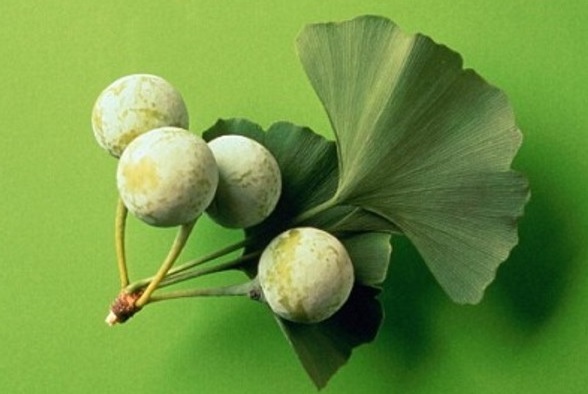 Ginkgo Biloba is a common herbal remedy that improves brain function, mainly memory in humans. Currently, this drug is actively used to improve memory in senile dementia, as well as Ginkgo Biloba's method after a stroke proved to be successful.
Ginkgo Biloba contains only plant substances, namely an extract from the plant of the same name, which can improve the condition of the walls of blood vessels in the brain, leading to a better saturation of the brain with nutrients. The properties of Ginkgo Biloba are very extensive, which determines its wide application in neurology and psychiatry.
Mechanism of action
Ginkgo Biloba contains a large number of plant active substances with their own pharmacological effects. The most important property of this drug is a positive effect on the brain and on the cardiovascular system of the body.
Improving the state of the vascular wall( its elasticity, tone) facilitates the delivery of more oxygen and nutrients to the brain and other organs. In addition, Ginkgo Biloba reduces the activity of the blood coagulation system, which prevents the formation of blood clots and is an excellent tool for the prevention of ischemic stroke or myocardial infarction.
In addition, there are data on the antioxidant activity of Ginkgo Biloba, which makes it an indispensable tool for combating free radicals. The latter easily destroy cells and disrupt the work of various organs. Extract from this plant, is able to stimulate neurons in the brain, thereby improving their work.
Indications for prescribing
Ginkgo Biloba is very widely used in psychiatric and neurological practice. The following indications of Ginkgo Biloba are assigned to his appointment:
- memory impairment, decreased learning ability, related to age or any other cause;
- vascular diseases of the brain, as well as the consequences after a stroke or craniocerebral trauma;
- senile dementia( Alzheimer's disease, Pick's disease, etc.);
- disorders in the neuro-psychic sphere;
- diseases, characterized by a violation of microcirculation and blood supply of tissues, primarily of the brain.
As with any drug, despite the therapeutic properties of Ginkgo Biloba, he also has contraindications to the appointment:
- children under 12 years of age, due to the lack of evidence of the safety of this drug;
- pregnant women and breast-feeding;
- reduced blood coagulation in the patient;
- diseases of the stomach and intestines( gastritis, peptic ulcer disease);
- epileptic seizures of any conditionality.
How to use
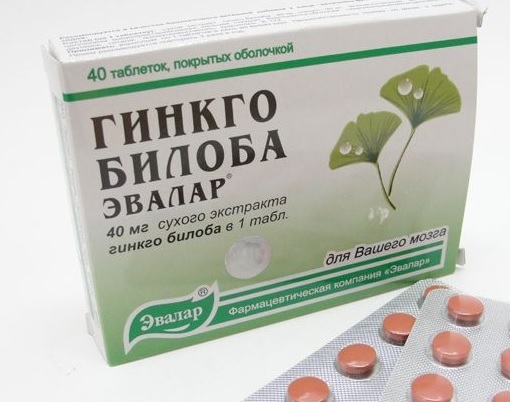 How to take Ginkgo Biloba? There are several dosage forms in which this drug is produced: in the form of powder, soft gel, liquids, tablets or capsules, solutions for ingestion, issued in a vial, and as an extract of plant leaves.
Any form of Ginkgo Biloba should be administered one tablet( capsule) or one dose of the solution 3 times a day, preferably immediately after meals. The total duration of therapy is 3 months.
Many people care about how to drink Ginkgo Biloba correctly. Tablets or capsules should be swallowed completely, washed down with plenty of water. In no case should they dissolve in the mouth or chew - this will significantly reduce the effectiveness of the drug.
Tip! It is important to note that the effect of Ginkgo Biloba occurs within 3-6 weeks, so you should not expect a very rapid appearance of improvements in the state of memory and other psychological functions of the brain.
Adverse effects of
spite of vegetable origin, the side effects of ginkgo biloba are also seen in some patients. Most often, there are various allergic reaction associated with increased sensitivity to components of human medicament. But as a rule, their manifestations are not significant - a small rash, hives, or itching. In some cases, patients are observed irregularities in the gastrointestinal tract: nausea and impaired stool( diarrhea or constipation).
It is very important, before prescribing the drug, to consult your doctor who will analyze the need for his admission and evaluate all the indications and contraindications to the appointment of Ginkgo Biloba. In any case, do not self-medicate and make their own or to discontinue the drug.
write the question in the form below: