Symptoms of inflammation of the pancreas in women, diagnosis and treatment!
All glands in the human body are divided into exocrineproducing non-hormonal secretions into the external environment, endocrinethat produce hormones, and mixedgenerating both. The pancreas is also a representative of the third group. Its role in the proper functioning of the whole organism is very great, and any pathology becomes a serious threat to humans. That is why it is so important to know the symptoms of inflammation of the pancreas in women and men, whether there is a difference between them, how to suspect that you have pancreatitis and what to do about it.

Symptoms of inflammation of the pancreas in women
Content
- 1 Pancreatitis: what is it?
- 2 What are the causes of pancreatitis?
- 3 What are the risk factors for developing pancreatic inflammation?
- 4 Symptoms of acute pancreatitis
- 5 Inflammation of the pancreas in women
- 6 Treatment for acute pancreatitis
- 7 Treatment for chronic pancreatitis
- 8 Surgical interventions
- 9 Complications in acute pancreatitis
- 10 Complications of chronic pancreatitis
-
11 Forecast
- 11.1 Video - Signs of pancreatic disease
Pancreatitis: what is it?
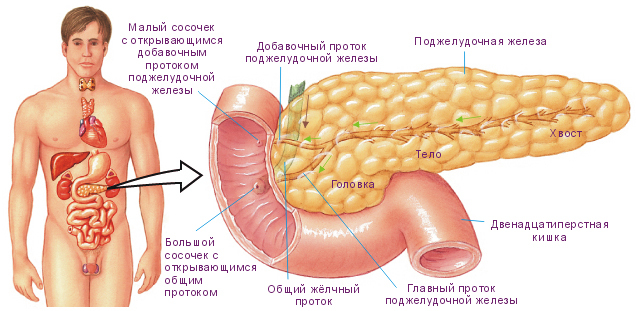
The pancreas is a parenchymal organ located in the upper abdominal cavity, in the left hypochondrium. It produces two main groups of substances:
- juices that aid digestion;
- digestive hormones.

Pancreas
The inflammatory process of the pancreas is called pancreatitis. Its difference from inflammation of any other organ is that the swelling of the gland itself and the narrowing of the vessels surrounding it can cause self-digestion processes, which entails the development pancreatic necrosis, which has critically serious consequences. The disease is divided by the nature of the course into acute and chronic pancreatitis, but it is impossible to say which type pathologies are "easier": each of them can cause significant damage to health and even pose a danger to life.

Causes and mechanisms of development of pancreatonecrosis
Both forms can occur with serious complications. Acute pancreatitis usually debuts immediately after an aggressive effect on the gland - overeating, a large dose of alcohol, etc. In some cases, it is easily tolerated, but sometimes the disease is extremely difficult. An attack of acute pancreatitis is most often short-lived, transient, and usually resolves completely when the pancreas returns to its normal state, i.e. inflammation subsides. Often, acute pancreatitis becomes chronic, but this is not a "law": there are two or three attacks acute pancreatitis, after which the gland becomes unchanged again and no longer shows signs disease.
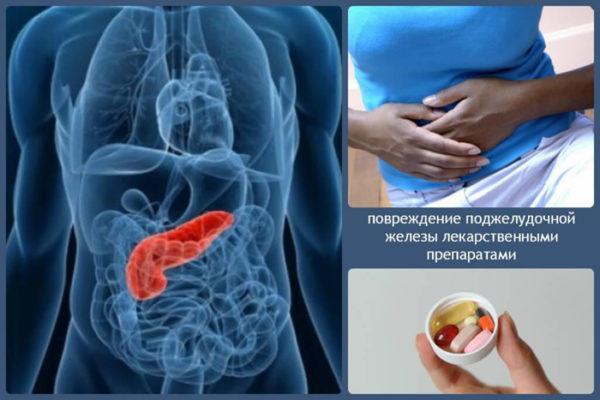
Acute pancreatitis - what is it
Chronic pancreatitis can begin as an attack, this is a variant of the outcome of an acute condition. If the pancreas is significantly damaged during exacerbations of the acute form of pancreatitis and cannot fully fulfill its functions, chronic inflammation develops, which proceeds with bouts of exacerbation and remission, but still steadily progresses. Another option is the slow, gradual development of pancreatitis, and the first attack that the patient experiences is the first exacerbation of a chronic disease.

The bile duct of the pancreas is blocked
What are the causes of pancreatitis?
Alcohol abuse and gallstones are the two main causes of pancreatitis, accounting for 80-90% of all cases.
Table. The main causes of pancreatitis.
| Cause | Characteristic |
|---|---|
 Alcohol abuse |
For the development of pancreatitis, alcohol must be taken for five to seven years in doses of more than 1000 ml per week. |
 Gallstones |
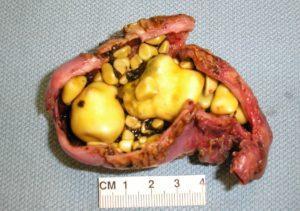
Stones are formed as a result of pathology of the gallbladder and changes in the properties of bile, when salts begin to build up on a solid "base". The gallstone can block the pancreatic canal (Wirsung duct), blocking the digestive juices inside the organ. Pancreatitis, triggered by gallstone disease, is most often observed in women (usually over the age of 50). |
In addition to the two listed, pancreatitis can have other causes, here are some of them:
- the use of medicines;
- the effect of certain chemicals;
- organ damage occurring in an accident or in a fall, impact, leading to abdominal injury;
- some hereditary pathologies;
- surgical interventions, invasive and non-invasive diagnostic and therapeutic methods;
- infectious complications such as mumps, hepatitis, etc .;
- violations of the anatomical structure of the pancreas, biliary system.
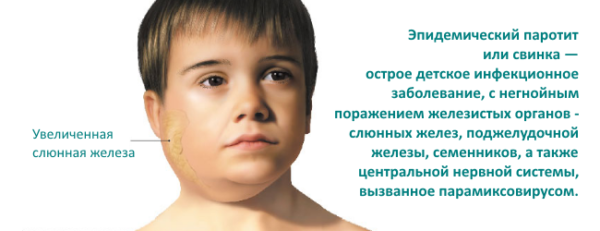
Parotitis
However, there are quite a few cases in which the causes of the development of pancreatitis are unknown.
What are the risk factors for developing pancreatic inflammation?
Risk factors for developing pancreatitis include:
- burdened heredity;
- obesity, hyperlipidemia (high blood lipids);
- tobacco smoking;
- cystic fibrosis;
- therapy with estrogens, diuretics, tetracycline;
- the use of combined oral contraceptives.

Oral contraceptives
Symptoms of acute pancreatitis
The most common symptom of acute inflammation is abdominal pain. Although there is a painless form of the disease, it is extremely rare. The characteristic of pain in pancreatitis is as follows.
- Pain is usually concentrated in the upper abdomen, in the middle or closer to the left hypochondrium. The pain is often described as extending from the anterior abdominal wall to the back. The most commonly used term is girdle pain.
- Pain in some cases appears suddenly, in others it grows gradually. If the pain manifests itself without precursors, immediately after a period of complete well-being, it is usually very intense, sharp, and difficult to endure. If the pain gradually increases, then initially it is not intense, "mild", but after a couple of hours it becomes almost unbearable.
- Pain in most cases appears or worsens after eating.
- Pain sometimes lasts more than one day, and almost continuously for 2-5 days.
- The pain is worse when the person is lying on their back.

Pain in acute pancreatitis
In addition to pain, people may have other symptoms:
- nausea, usually prolonged, difficult to bear, constant, disturbing sleep from which people get tired;
- vomiting, which develops at the peak of pain, but does not bring relief to the patient;
- diarrhea;
- lightening of feces, the appearance of fat spots in it;
- temperature rise to 37-38 ° С;
- chills;
- bloating;
- tachycardia (which can be caused by pain, fever, dehydration due to vomiting and refusal to eat, or be a symptom of internal bleeding);
- constant hot flashes of weakness, a feeling of fatigue;
- increased irritability;
- concentration disorders;
- headaches, sometimes dizziness.

Headache
There are even symptoms of pancreatitis, which are manifested by changes in the skin:
- Cullen's sign (bluish skin around the navel);
- Gray-Turner sign (cyanosis of the lateral abdomen);
- the appearance of red spots on the body;
- Tuzhilin's symptom ("red drops").
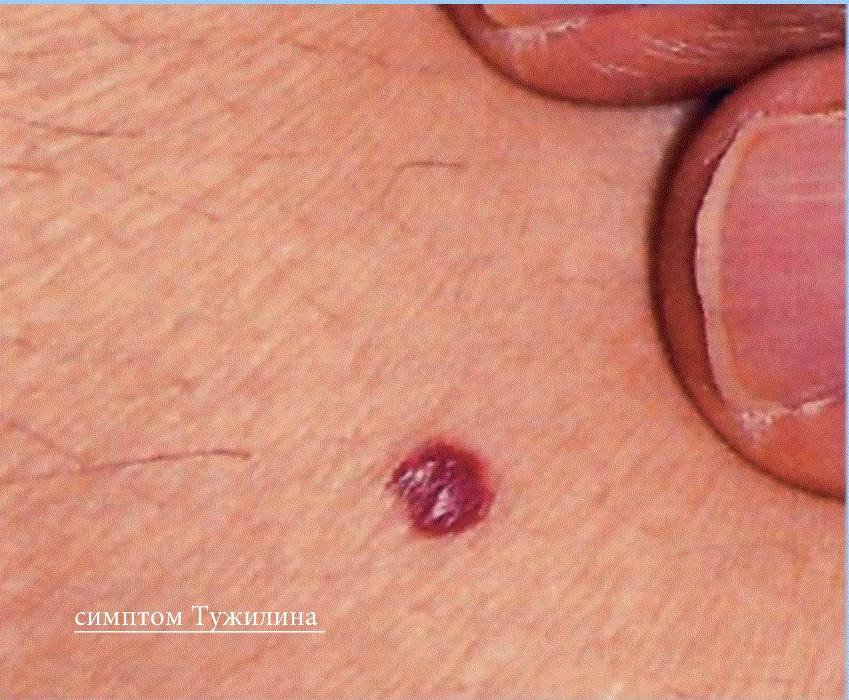
Tuzhilin's symptom
The rest of the symptoms associated with acute inflammation of the pancreas are associated with long-term complications such as:
- violation of the insulin-producing function of the gland (diabetes with all its inherent symptoms);
- impaired digestive function (weight loss, severe weakness);
- bleeding (anemia).
- concomitant liver pathology (jaundice, pain in the right hypochondrium).

Jaundice
It is worth noting that people with diseases of the gastrointestinal tract always experience their illness hard. They become depressed, difficult to communicate, withdrawn, abrupt. People with acute pancreatitis are no exception: they often feel extremely sick.
Inflammation of the pancreas in women
In women and men, pancreatitis is about the same, but women usually endure it more psychologically. Although they are more pain-tolerant, they seek medical help earlier, gastrointestinal disease affects their character more pronounced: they become irritable, there are notes of hysteria, quarrelsomeness. In women, the skin deteriorates to a greater extent, dryness, flaking appears..
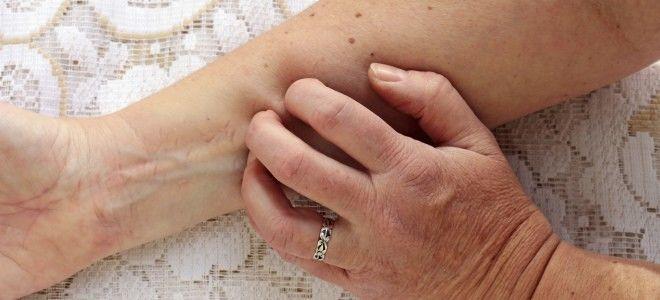
Changes in the skin with pancreatitis
In connection with the need to cancel hormonal therapy with estrogens in women in the postmenopausal period, the symptoms of climacteric syndrome can be clearly manifested:
- hot flashes to the face;
- increased sweating;
- feeling of palpitations;
- heart pains of non-ischemic origin;
- mood swings;
- sleep disorders;
- decreased memory;
- tearfulness;
- dryness in the genital tract, causing discomfort during intercourse;
- increased frequency of urination;
- brittle hair and nails.
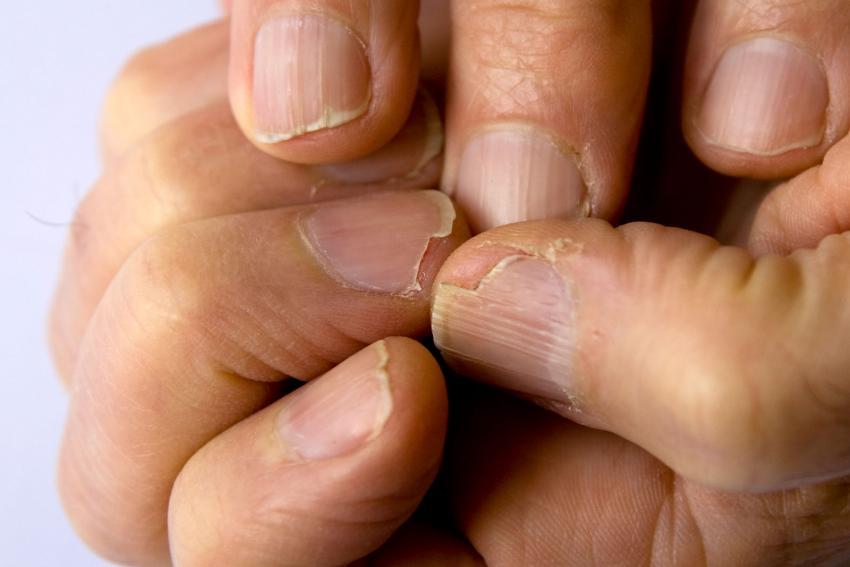
Brittle nails
When taking therapy to stop or cure pancreatitis in women, the menstrual cycle may be disrupted, headaches, skin rashes, anxiety, joint and muscle pains may appear.
Treatment for acute pancreatitis
All patients with first-onset acute pancreatitis are hospitalized. Therapy for inflammation of the pancreas should be comprehensive, timely and well-chosen.
- Bed rest. A person needs to provide peace, both physical and psycho-emotional. You need a healthy sleep, good rest.
-
Cold to the place of pain. It is recommended to put ice in the left iliac region to relieve pain.

Treatment for acute pancreatitis
-
Diet therapy. Hunger is recommended on the first day. Parenteral nutrition in stationary conditions is recommended for another 2-3 days. Then the introduction of food gradually begins with broths, soups. It is assumed that patients with chronic pancreatitis have a diet low in fat (maximum 20 g / day) but high in carbohydrates. It is recommended to eat about 5-6 small meals a day. Dinner should be the lightest of all meals and should not be eaten at night. You should beware of feasts, kebabs, fast food, where the food contains the maximum amount of fat. If the pancreas starts to hurt again, especially after a diet violation, you need to re-enter a strict diet, drink plenty of fluids and rest. Alcoholic beverages are strictly prohibited: their use is the fastest way to pancreatic necrosis, which can lead to dire consequences, incl. death.
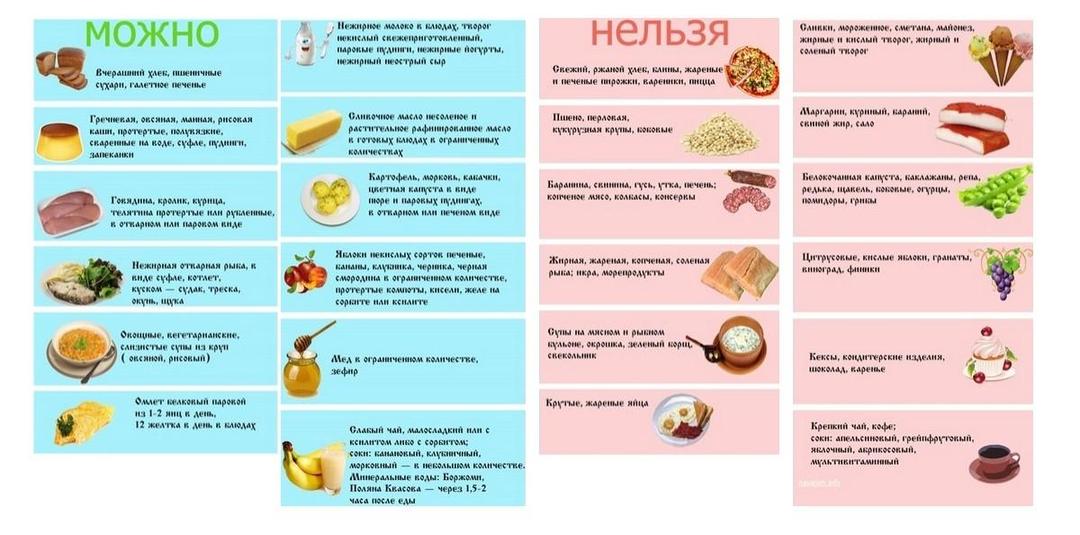
Allowed and Prohibited Products
- Intravenous fluid support. To correct dehydration, it is necessary to infuse a saline solution, as well as solutions of trace elements such as potassium, magnesium, sodium. This is especially important with prolonged severe vomiting, which could lead to dehydration.
- Medicines for pain and nausea. Most often, antispasmodics are used, in severe cases, narcotic analgesics. After excluding acute surgical pathology, non-steroidal anti-inflammatory drugs can be prescribed, in the absence of infection, glucocorticosteroids. Dopamine receptor blockers such as metoclopramide (Cerucal) have been successful in treating nausea.
- Antibiotics. They are prescribed not in all cases, but only if there is a suspicion of joining an infectious process.
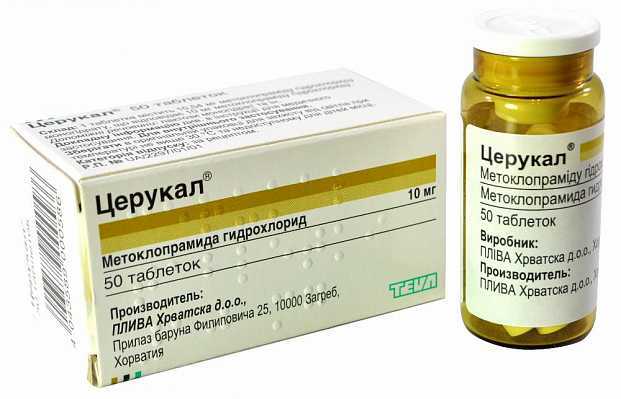
Cerucal
Treatment for chronic pancreatitis
The main goal of therapy for chronic inflammation of the pancreas is to relieve pain and prevent the continuation of deterioration of the organ. Another emphasis is to maximize a person's ability to eat and digest food. Hospitalization is not required for everyone, but only in case of intense pain, indomitable vomiting, bleeding or other dangerous symptoms.
- With pain in an exacerbation, the same drugs are prescribed as for the relief of an attack of acute pancreatitis.
- A diet high in carbohydrates but low in fat, eating more often and in smaller portions.
- Strict ban on alcohol intake.
- Control over the blood glucose level, if necessary - its correction.

Blood glucose test
Surgical interventions
Surgical methods of treatment are used in cases when pancreatic necrosis develops, bleeding, abscess formation occurs, or a pancreatic cyst is formed. In addition, gallstone disease can be surgically treated by removing the gallbladder. In this case, the clamping of the duct of the gland will stop and the inflammation will no longer occur.
Operations on the pancreas are one of the most difficult and difficult to tolerate. Long-term drainages are required, sometimes - repeated operations for better cleansing of pus and necrotic tissue. In addition, any interference with the work of this organ can cause a violation of not only exocrine, but also endocrine function, which can lead to the development of diabetes mellitus.

Pancreas surgery
Complications in acute pancreatitis
These include:
- renal failure;
- kidney failure;
- diabetes;
- encephalopathy.
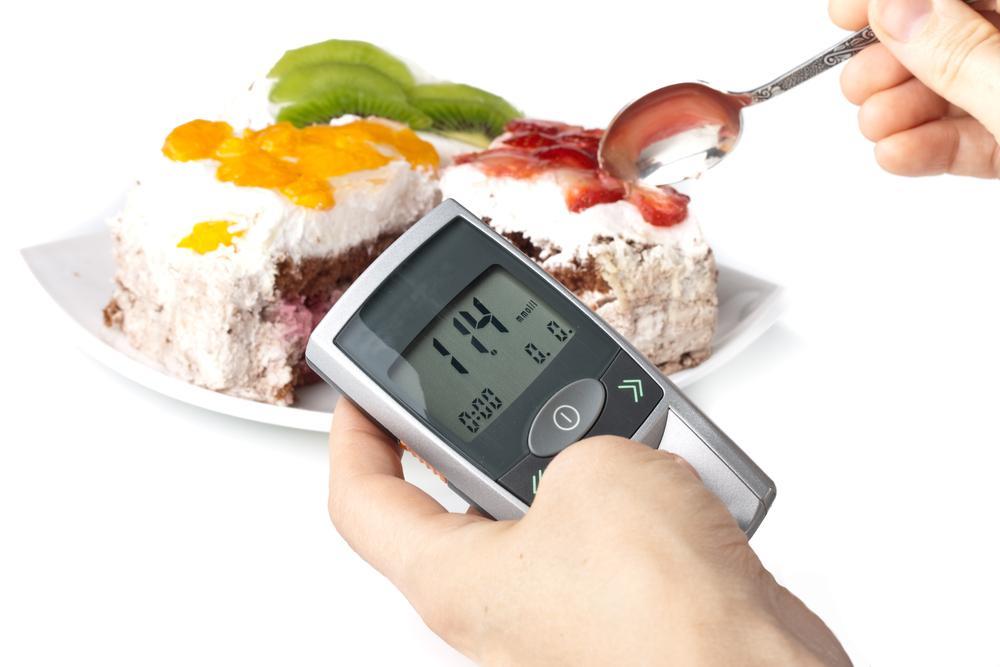
Diabetes mellitus is one of the possible complications
Complications of chronic pancreatitis
Chronic inflammation of the pancreas is a much more serious disease, since violations in the structure of the organ take place in the form of a continuous process. As a result, one of the following complications often develops.
- Bleeding. Constant inflammation and disruption of the integrity of the blood vessel wall that surrounds the organ can lead to bleeding. If blood loss is severe and rapid, shock may result. In the case when this is a slow process, anemia (a lack of hemoglobin) most often develops.
- Infection. Inflammatory changes make the tissue vulnerable to infection. As a result, abscess formation can occur and a purulent cavity can form, and this is very difficult to treat without surgery.
-
False cysts. Small fluid-filled cavities can appear in the pancreas due to ongoing damage. These cysts often become infected or ruptured, causing inflammation of the peritoneum - peritonitis.

Types of pancreatic cysts
- Breathing disorder. Pancreatitis triggers a certain cascade of biochemical reactions in the body, as a result of which significant changes occur in the internal environment of the body, affecting the lungs. They reduce the efficiency of gas exchange, causing chronic oxygen starvation - hypoxia.
- Oncopathology. As a result of chronic inflammation and disruption of the normal functioning of the gland cells, atypia may develop, which leads to the appearance of neoplasms. However, the incidence of such outcomes is low.

Chronic pancreatitis can be serious
Forecast
For the most part, people who have had acute pancreatitis recover if pancreatic necrosis does not develop. The pancreas returns to normal with no long-term effects. If you follow the doctor's recommendations, maintain a proper lifestyle and refrain from alcohol abuse, the disease no longer bothers. However, pancreatitis can recur, become more severe, or chronic.

Prevention of pancreatitis
Thus, pancreatitis is a serious disease that requires close attention. In women, symptoms may be more severe and treatment has more side effects. In addition, female alcoholism is much more serious than male alcoholism, and it is much more difficult to get rid of it, which reduces the chances of a cure for pancreatitis.