
How to heal your pancreas forever
The pancreas is a very important organ in the digestive system. Full digestion of food, as well as carbohydrate metabolism, depends on her work. Its pathology always manifests itself with very bright, intense clinical symptoms and carries a real danger not only for health, but also for the patient's life. Many disorders in the functioning of the pancreas lead to serious diseases and life-threatening conditions. They are difficult to treat, requiring an integrated approach, careful selection of drugs, as well as thorough adherence to the doctor's instructions. However, all patients are worried about the question: how to cure the pancreas, get rid of the symptoms that reduce the standard of living forever, forget about pain and the need to constantly take pills?
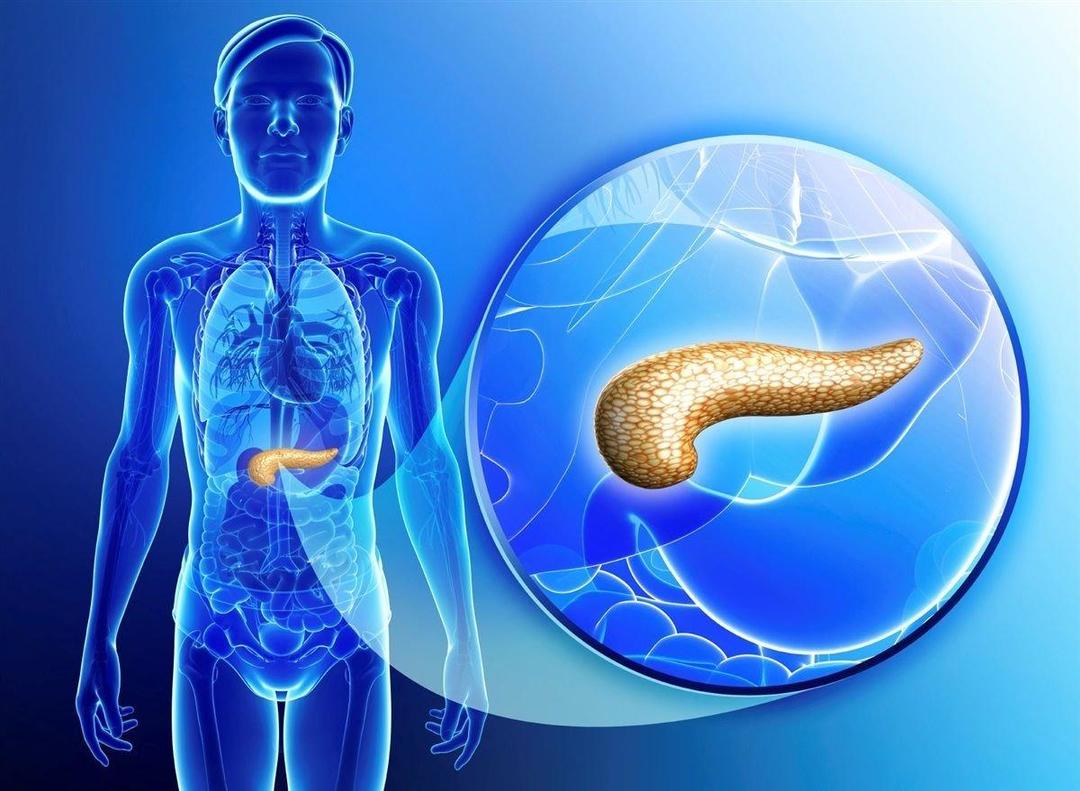
How to heal your pancreas forever
Unfortunately, there is no quick and 100% effective way to cure this organ so that the pathology does not return. However, at the moment, methods have been developed for correcting violations of the organ's work, which significantly improve the condition of a person.
Content
- 1 A bit of anatomy and physiology
- 2 Diabetes
- 3 Pancreatitis
- 4 Pancreatic necrosis
-
5 Pancreatic neoplasms
- 5.1 Video - Pancreatitis: treatment + diet
A bit of anatomy and physiology
The pancreas is a parenchymal (not hollow, with a special type of dense internal structure) organ, which includes several parts:
- head;
- body;
- tail.

Pancreas - structure and function
All parts together are about 13-15 cm long and represent a pinkish, bumpy organ, shaped like a comma, "laid on its side". The excretory duct of the gland is located almost along its entire length and, leaving the organ, merges with the bile duct (common bile duct).
Special organs capable of producing certain substances in the human body are divided into organs of the exocrine type (external secretion) and the endocrine type (internal secretion). Organs working in both directions are also distinguished.
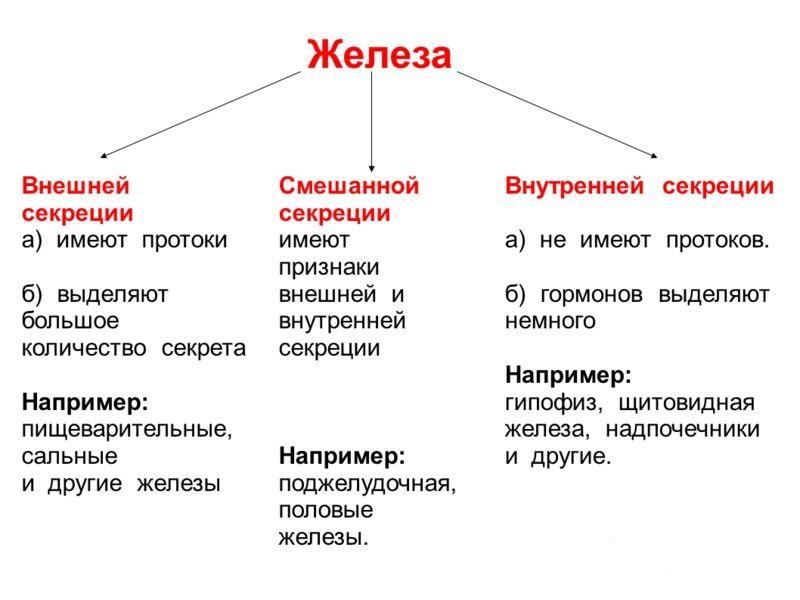
Types of glands
Table. Types of glands in the body.
| Type of glands | Type of excreted substance | Characteristics of the organ's activity | Example |
|---|---|---|---|
| Internal secretion glands. | Various hormones are the secret. | They control the activity of the body by hormones, release hormones into the bloodstream or lymph flow. | We are talking about the hypothalamic, pituitary, epiphyseal structures, thyroid, parathyroid, suprarenal, thymus glands. |
| External secretion glands. | The secret is non-hormonal substances (sweat, saliva, tears, colostrum, breast milk, etc.). | They have ducts through which the secretion produced enters the surface of the skin or into the lumen of hollow organs. | Sweat, salivary, lacrimal, mammary glands. |
| Mixed glands. | Both types of secret are allocated. | They produce hormones that enter the bloodstream, and also have excretory ducts for other secretions. | Liver, sex glands, pancreas. |
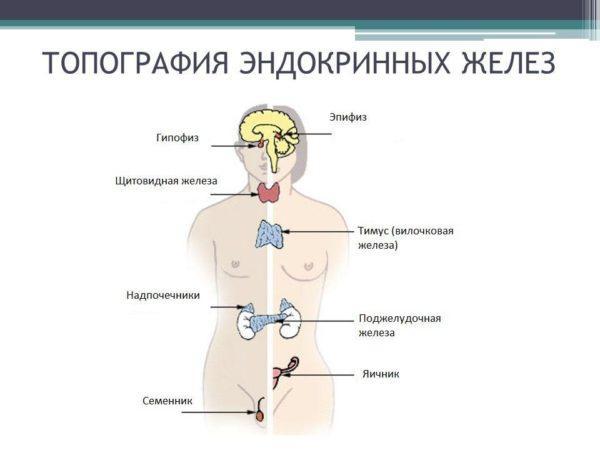
Endocrine gland topography
The pancreas is responsible for two critical processes in the body. Her exocrine function is aimed at the production of enzymes that break down the main nutrients: amylase (breaks down carbohydrates), lipase (fats) and protease (proteins). In turn, endocrine function responsible for the production of several hormones:
- insulin (reduces the level of plasma sugars);
- glucagon (increases the sugar content in plasma);
- somatostatin (affects other glands, suppressing their secretion);
- pancreatic polypeptide (increases the secretion of gastric juice);
- ghrelin (increases the feeling of hunger, awakens the appetite).
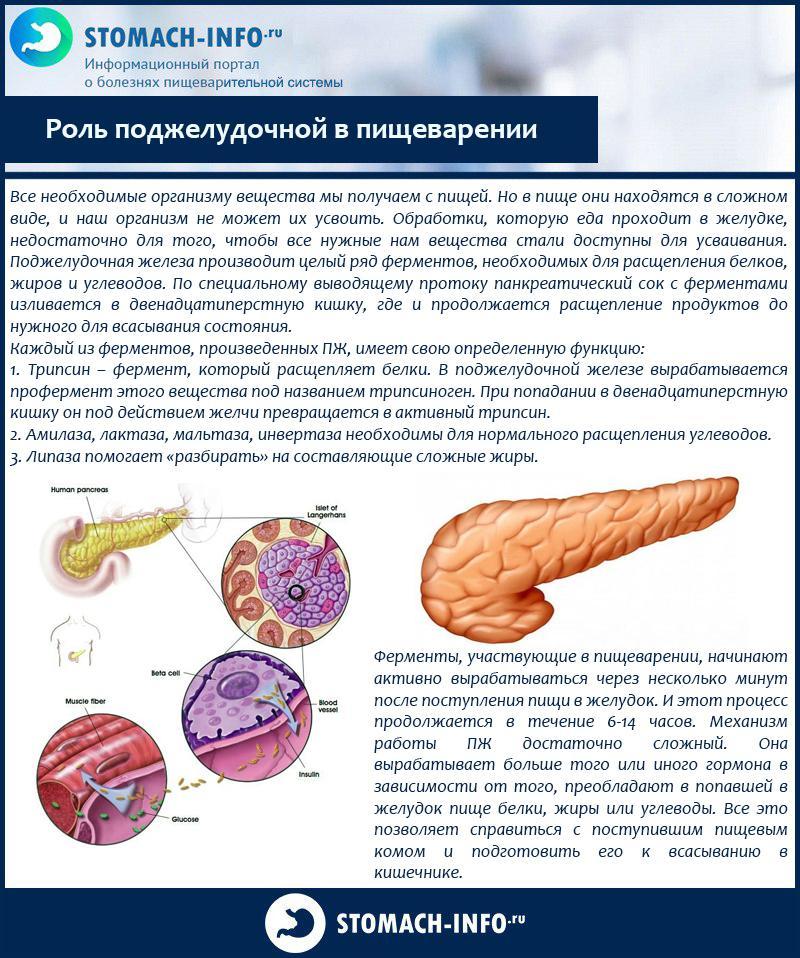
The role of the pancreas in digestion
The gland can "break" at any stage of any function. However, there are the most common and therefore the most important groups of diseases that deserve special attention:
- diabetes;
- chronic hypoglycemia;
- pancreatitis;
- pancreatic necrosis;
- tumor growth;
- pancreatolithiasis.

Scheme of blockage of excretory ducts with stones
Diabetes
In the structure of the pancreas, a special type of formations is distinguished - Langerhans β-cells. They are responsible for the production of insulin. In turn, this hormone promotes the uptake of glucose by cells, since glycogen accumulates in the liver tissue. Under its action, carbohydrate compounds in the body break down more slowly. In addition, it stimulates synthetic processes related to nucleic acids, inhibits the breakdown of protein structures. It also affects the metabolism of fats, activating the synthesis of fatty acids and slowing down the decomposition of fats.

The bulk of the islets of Langerhans are beta cells
Diabetes mellitus is a carbohydrate metabolism disorder characterized by high blood glucose levels. The main classification of the disease divides it into two types. First, or insulin dependent diabetes - this is a situation when too little hormone is produced. In this case, we are talking about the pathology of the pancreas. In the second type, the level of insulin remains within the normal range or may be elevated, but the cells lack receptors for it.
There is another option - secondary diabetes mellitus. This disease develops not because the work of Langerhans cells is disrupted, but because of another pathology of the pancreas. There is an indirect effect on its endocrine function, which causes the phenomenon of diabetes.
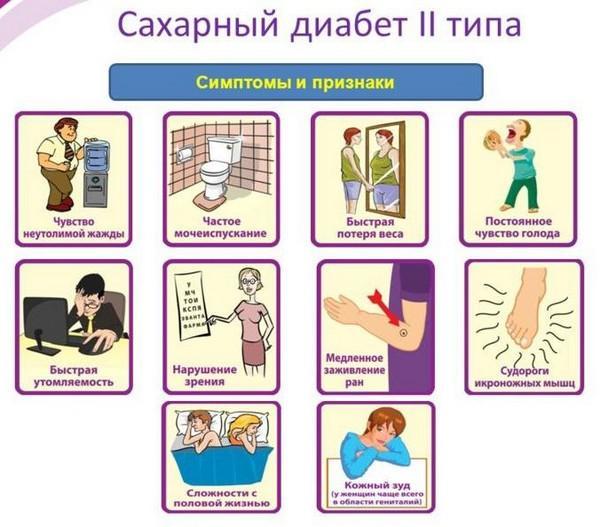
Symptoms of type 2 diabetes
Type 1 diabetes is formed due to autoimmune aggression against the pancreas, destruction of β-cells, often after a toxic effect or an infectious disease. The disease usually develops at a young age, acutely, manifests with severe clinical symptoms.
This option is less favorable than type 2 diabetes, since it is not corrected by the introduction of insulin into the body. And, unfortunately, today it is impossible to cure type 1 or type 2 diabetes. However, there are effective methods for correcting the condition of a sick person and significantly improving his standard of living.

Diabetes
It is incredibly important for diabetes mellitus to follow a diet:
- diet therapy is prescribed for life;
- violation of the diet threatens with serious complications;
- the calculation of calories is necessary (calorie intake, nutritional composition of food and the diet is selected by a diabetologist);
- carbohydrates should be eaten at a strictly defined time and in a strictly defined amount - this makes it easier to control blood sugar levels and select a dose of insulin;
- the intake of fatty foods should be limited to a minimum;
- fractional meals are recommended 4-6 times a day at one time.

Nutrition for diabetes
There is only one medication for type 1 diabetes - insulin therapy. Oral hypoglycemic drugs will not be effective in this case. Dose selection should be carried out categorically only by an endocrinologist, the dosage must be regularly adjusted. It is important to remember that insulin overdose leads to hypoglycemic coma, so the administration must be done carefully and carefully.
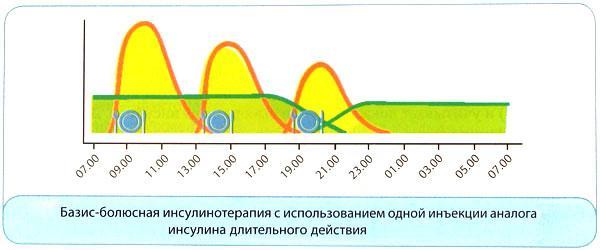
Basic bolus insulin therapy
Pancreatitis
Pancreatitis is an inflammatory process in the pancreas, which is constantly progressing, characterized by the destruction of organ tissue and leads to a decrease in its exocrine and endocrine functions.

Pancreatitis
There are quite a few reasons for the development of this disease, and often it develops for no reason at all. However, it is necessary to highlight some of the factors that are of greatest importance in the etiology of the disease.
- Alcohol abuse. Ethanol is extremely toxic to the tissue of the pancreas, causes swelling, inflammation in it, and destroys its structure.
- Presence of stones in the gallbladder and ducts. If an infection joins the choledocholithiasis, which then passes through the lymphatic system to the pancreatic gland, then organ inflammation may develop.
- Hypercalcemia.
-
Cystic fibrosis.

The main signs of cystic fibrosis
- Other toxic effects (medicines, some chemical compounds).
- Anatomical changes in the organthat prevent the normal peristalsis of the duct and contribute to the stagnation of the secretion.
- Autoimmune aggression.
- Heredity.
- Unknown reasons (this factor accounts for 20-25% of all pancreatitis).
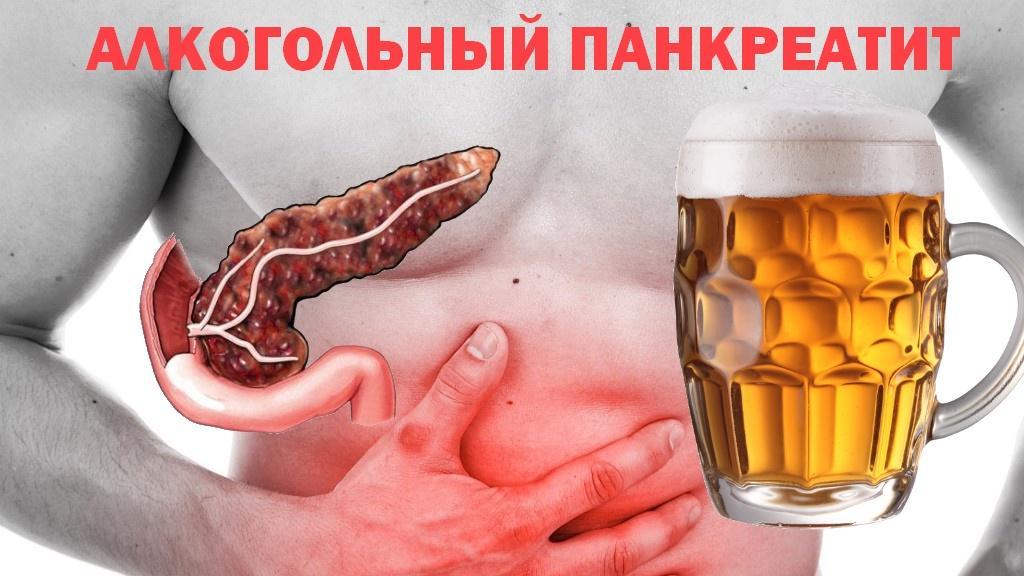
Alcoholic pancreatitis
Pancreatitis can be acute or chronic, with periods of exacerbation and remission. Chronic pancreatitis is also subdivided into several different forms (by origin, clinic, structural changes in the organ and the type of functional failure). Some of the symptoms of the disease:
- girdle pain or pain in the left hypochondrium;
- nausea, vomiting, which does not make it easier;
- "Fat", discolored stools - steatorrhea;
- heartburn;
- bloating, etc.
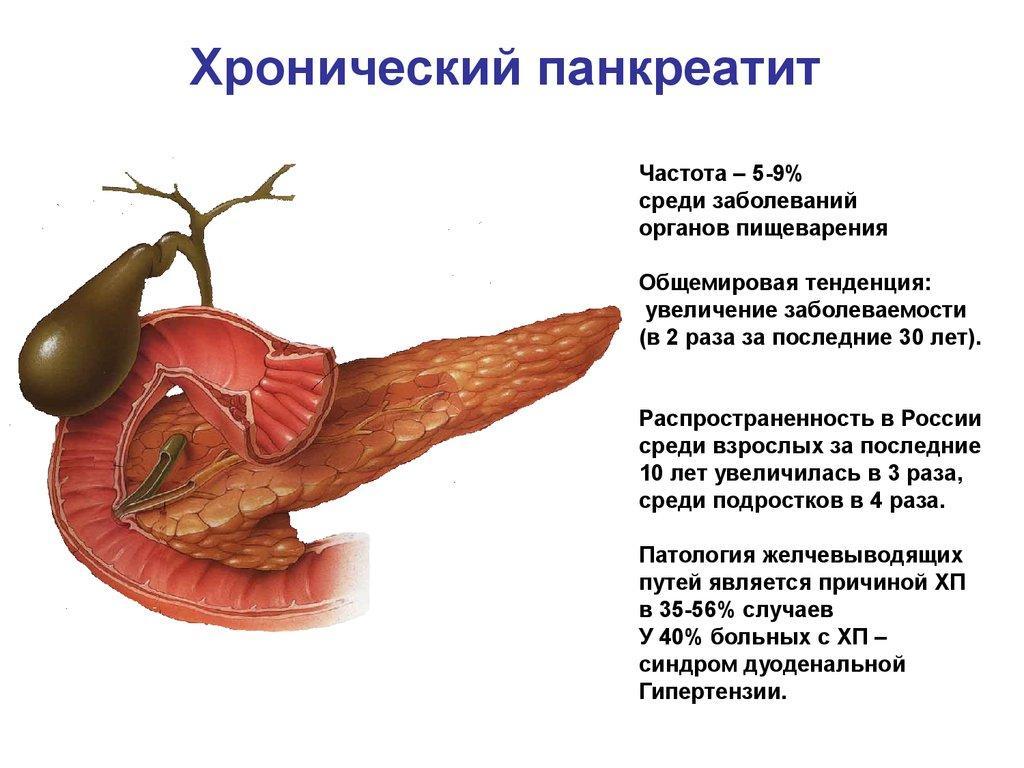
Chronic pancreatitis
The method of therapy is chosen depending on the condition of the person. Both conservative and surgical procedures can be performed. The basic rule in the treatment of pancreatitis is cold, hunger and rest.
- Diet therapy. In the first 12-14 hours after the development of the initial attack or exacerbation, hunger is recommended, after - parenteral nutrition. Subsequently, patients are offered a strict diet with the exception of fatty, fried, spicy and spicy - table number 5B.
- In a peremptory manner alcohol is canceled, it is recommended to quit smoking.
- Anesthesia. Mainly used are antispasmodics (drotaverine, papaverine, mebeverin), anticholinergics (platifillin).
- Antisecretory drugs (rabeprazole, pantaprazole).
- Detoxification therapy if necessary (saline, colloids or crystalloids intravenously).
- Enzymes. In case of a decrease in the function of the gland, digestive enzymes are prescribed. Usually these are drugs Creon, Pancreatin, etc.
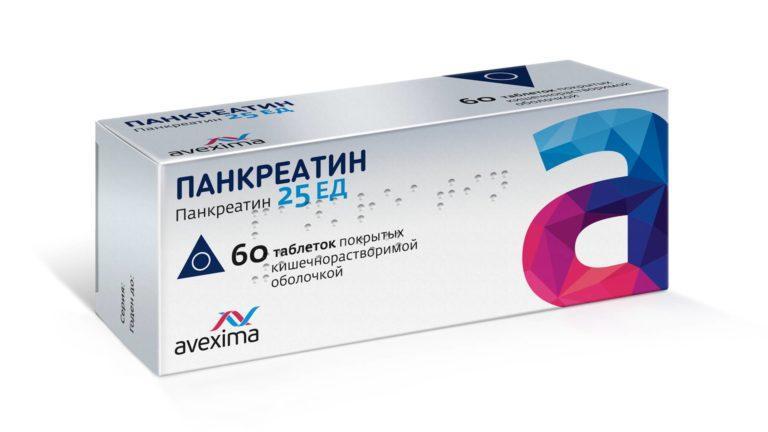
Pancreatin
Exacerbations of pancreatitis are treated permanently. In the case of acute pancreatitis (for example, after a feast with heavy drinking), a complete cure is possible. Edema and inflammation will subside, the gland will recover, and with further adherence to a gentle diet, there will be no relapses. But chronic pancreatitis cannot be cured forever, just keep it under control.
However, you can cure secondary pancreatitis - one that develops as a reaction to one factor or another. For example, with pancreatolithiasis - the formation of stones in the pancreas and their blockage of the Wirsung duct (pancreatic duct) - reactive pancreatitis is formed. Having eliminated the problem - removing the stones, you can get rid of pancreatitis completely.
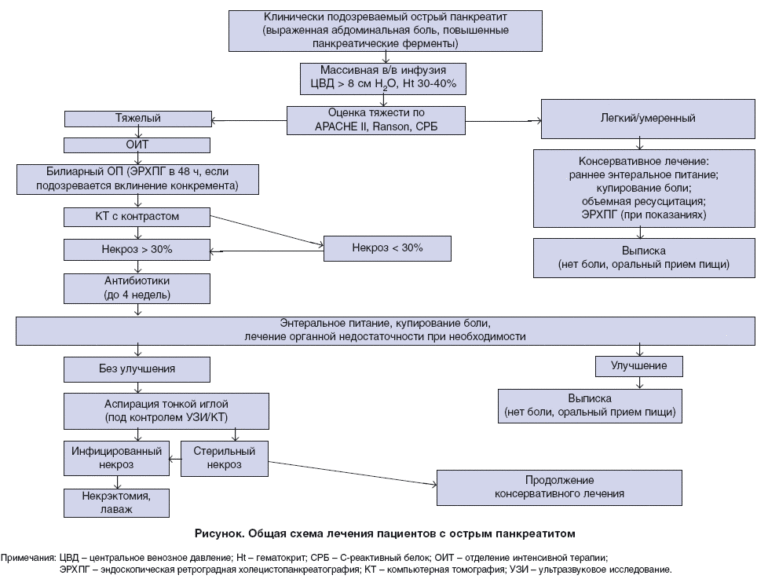
Acute pancreatitis treatment regimen
Pancreatic necrosis
Pancreatic necrosis is a very formidable disease that develops as an outcome of acute or exacerbated pancreatitis, or as an independent pathology. In this case, the integrity of the secretory structures of the gland is disrupted and the action of all its enzymes is directed against it. She seems to be digesting herself. This requires immediate medical intervention, an operation: the abscesses are opened and drained, if any, the necrotic tissue of the gland is excised, and drains are installed. Repeated operations will also be required to clean out the residues. This pathology, of course, will not pass without a trace. However, there are cases when patients after pancreatic necrosis lived a long life, observing all recommendations regarding diet, enzyme therapy, etc.
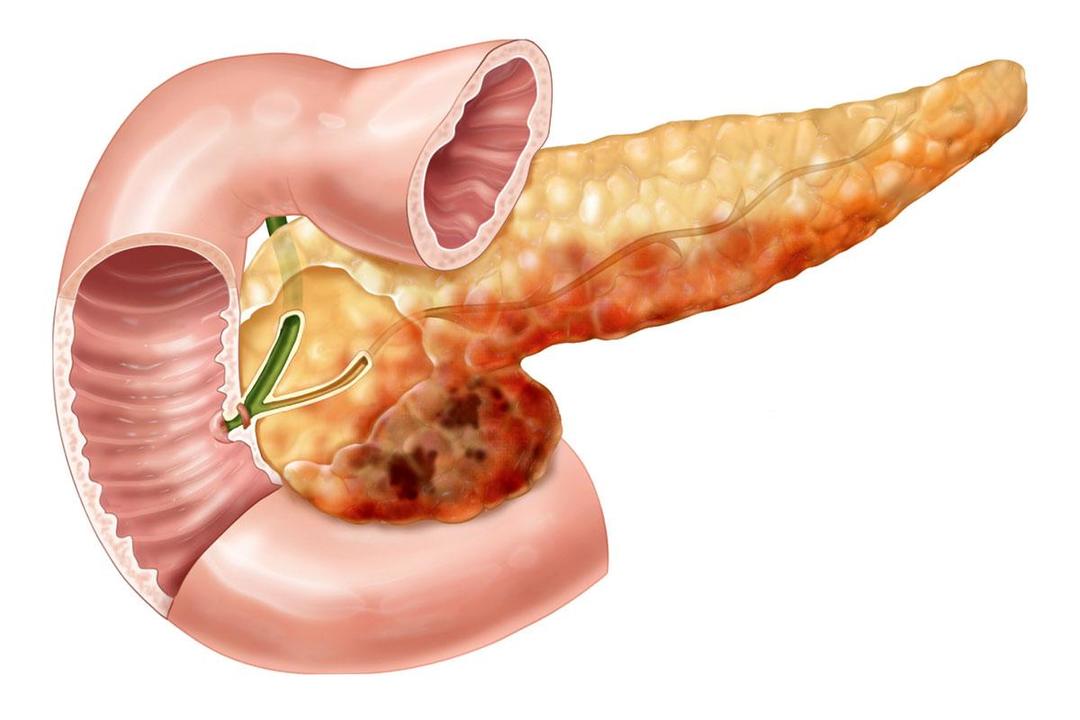
Pancreatic necrosis
Another complication of pancreatitis is pancreatic cyst formation. Other risk factors for its development are organ trauma, parenchymal hemorrhage. A cyst is a cavity in an organ filled with some kind of content. In this case, it is a "cocktail" of glandular tissue and digestive enzymes. Treatment in such a situation is usually prompt. Conservative therapy is shown only as a preparatory stage, when there is an inflammatory process in the organ. There are many methods for removing cysts, both laparoscopic (through punctures using video equipment) and classical access (abdominal surgery with an incision). The choice of the method is carried out depending on the state of the organism. After the cyst is removed and the pancreatitis is healed, the pancreas can be considered healthy.
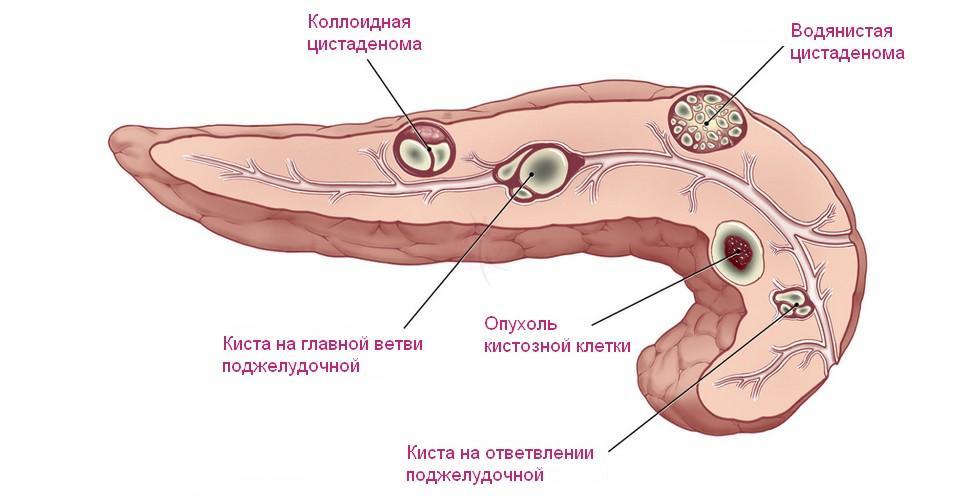
Pancreatic cyst and its types
Pancreatic neoplasms
Unfortunately, tumor changes are common today, both benign and malignant. Their symptoms vary slightly.
Table. Symptoms of tumor changes.
| Symptom | Benign tumor | Malignant tumor |
|---|---|---|
| Tumor composition | Overgrown own cells of the gland, not changed, not mutated | Mutated glandular cells, atypical, having lost specificity |
| Growth rate | So slow | Relatively fast |
| Germination into adjacent organs | Impossible | Possibly and often |
| Pain | It starts in the early stages and is intense. This is due to the impossibility of tumor growth outside its own capsule. Usually well localized, constant | Appears critically late. Not localized, not permanent |
| Squeezing feeling | Yes, especially with tumor growth | Not always |
| Disorders of carbohydrate metabolism | With extensive tumors, deformities and significant compression of the organ | For large tumors |
| Digestive disorders | Often | Rarely |
| Symptoms of general intoxication of the body | Never never | They develop from the early stages |

Pancreatic tumor
With benign neoplasms, the prognosis is quite favorable. It is possible to remove the tumor in various ways and, as a result, a complete cure. This does not always happen, complications also happen, but in most cases the disease ends well.
But the cancerous pathology of this organ is a very serious problem. Due to the late diagnosis due to the low-symptom, the complex location of the tumors, the peculiarities of the organ itself, the disease is often detected already at the incurable (incurable) stage. However, if the pathology is detected on time, there is a chance to fight: chemotherapy is used, radiation therapy to the affected area. Surgical intervention remains the main method. Under favorable circumstances, cancer can be cured completely and never recur.

Pancreatic carcinoma
Treatment of diseases of the pancreas is a very complex and sometimes unpredictable process. Even with a classic clinical picture and a good response to therapy, it is not always possible to guarantee the success of treatment. In addition, a complete cure of diseases is, alas, not always possible. Therefore, it is so important to take all possible measures to prevent diseases of this organ.


