Pancreatic cancer early symptoms, diagnosis and treatment
Pancreatic cancer is a serious oncological disease that can proceed without any symptoms for a long time and manifest itself at a severe stage of development, being already incurable. But if the disease was detected at an early stage, this still does not guarantee a complete cure. This is due to the location of the pancreas (it is surrounded by other vital organs). More details about what symptoms of pancreatic cancer in the early stages occur in a patient, and will be discussed in this article.

Early symptoms of pancreatic cancer
Content
- 1 Varieties of the disease
- 2 Causes of occurrence
-
3 Pancreatic cancer signs
- 3.1 Early symptoms
- 3.2 Later symptoms
- 4 Cancer stages
- 5 Diagnostic features
- 6 How to treat pancreatic cancer
-
7 Prevention measures
- 7.1 Video - The first signs of pancreatic cancer
Varieties of the disease
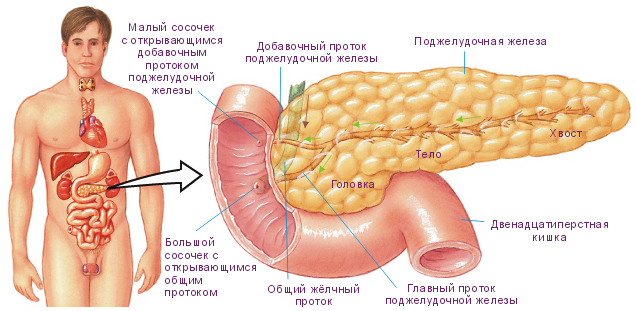
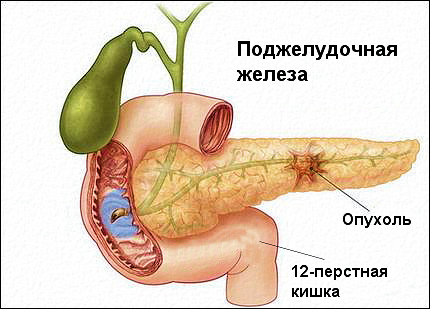
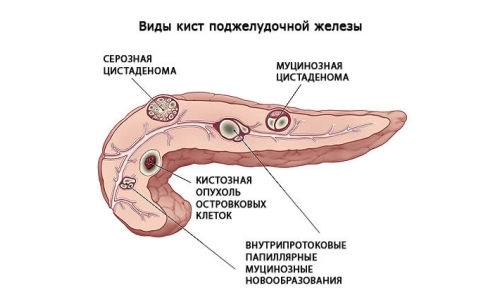
As a rule, the disease affects the head of the pancreas, but despite this, cancer can also be diagnosed in the tail zone of the organ or on its body itself. The pathological process occurs in the tissue ducts of the affected organ, but over time it can spread to other areas. The danger of pancreatic cancer is that
tumor processes eventually affect bone tissue, kidneys, liver, lungs and adrenal glands, which negatively affects the functioning of these organs and the patient's body as a whole.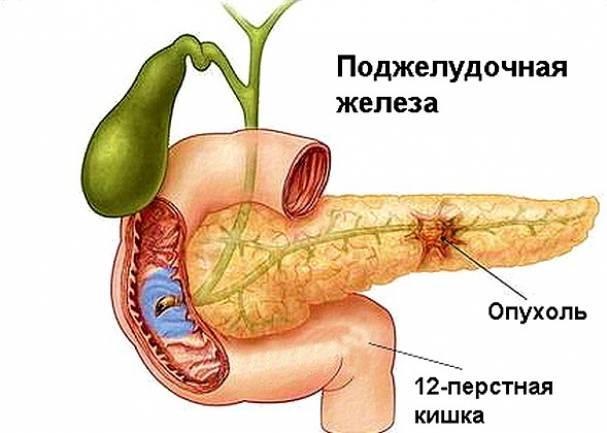
The disease is not rare, every year 10 out of 100 thousand people are diagnosed with a pancreatic tumor
On a note! Pancreatic cancer is often diagnosed in people between the ages of 45 and 70. Moreover, women suffer from this cancer much less often than men.
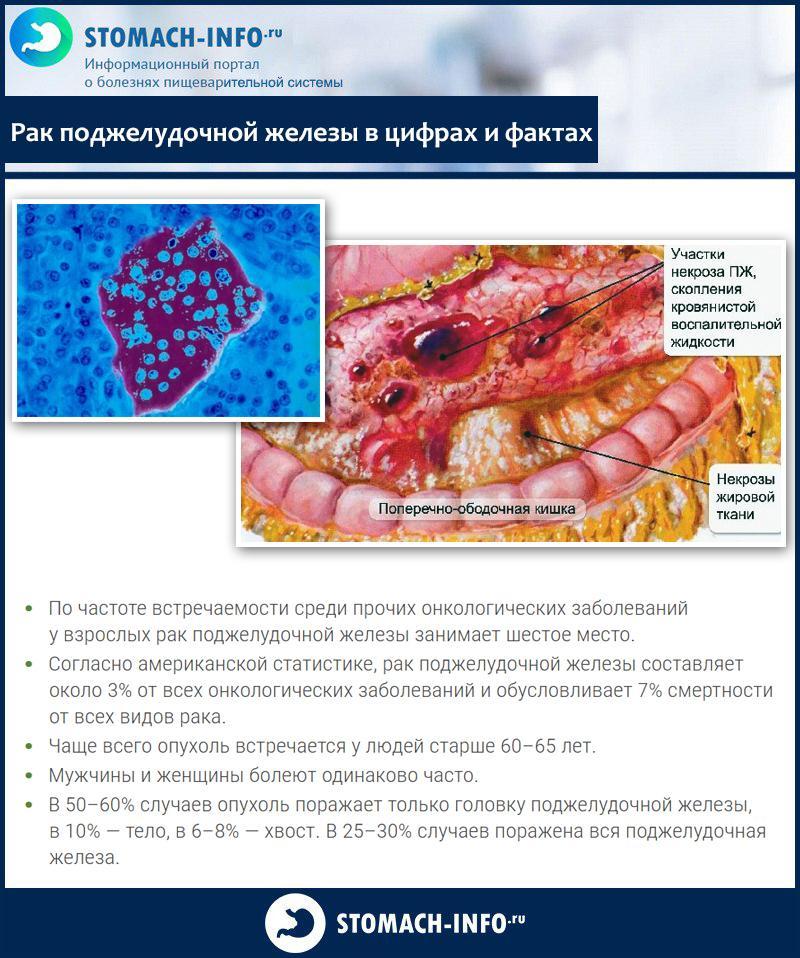
Pancreatic cancer facts and figures
Depending on the substrate of the malignant formation, doctors distinguish the following forms of pancreatic cancer:
- mucinous adenocarcinoma (characterized by damage from 1% to 3% of the organ);
- the development of glandular squamous cell formations, in which no more than 4% are affected;
- giant cell adenocarcinoma (accompanied by organ damage from 5 to 8%);
- ductal adenocarcinoma is the most severe form of the disease, in which more than 75% of the organ is affected.
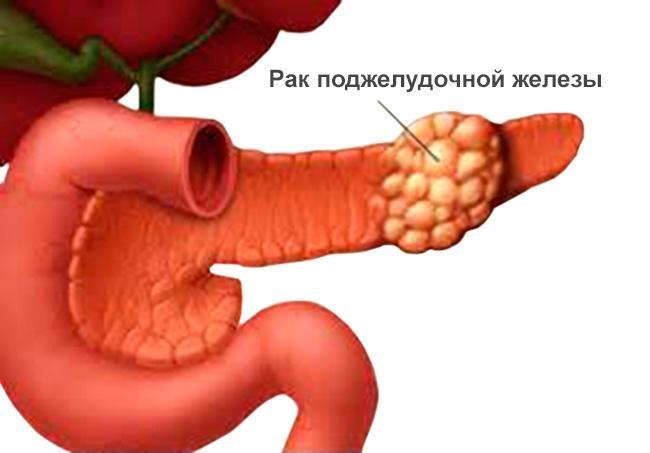
Pancreatic cancer is of several types
The pathology is very serious, so it must be treated with the utmost responsibility. In no case should suspicious symptoms be ignored, even if they only resemble characteristic signs of cancer from afar.
Causes of occurrence
Despite the rapid development of modern medicine, doctors cannot yet determine the exact cause of pancreatic cancer.
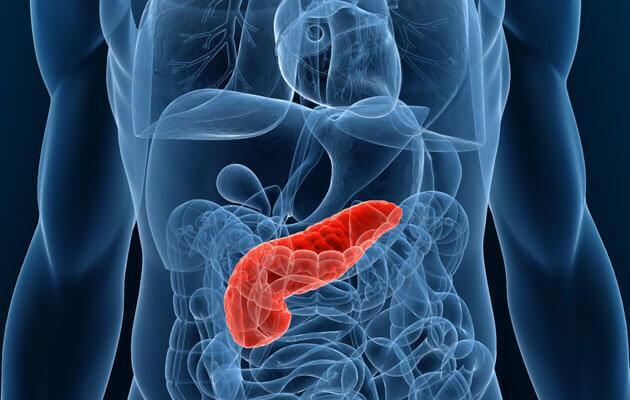
Why does pancreatic cancer develop?
But there are factors that contribute to the development of cancer:
- overweight;
- atypical multiple melanoma, Lynch syndrome and genetic characteristics of the organism;
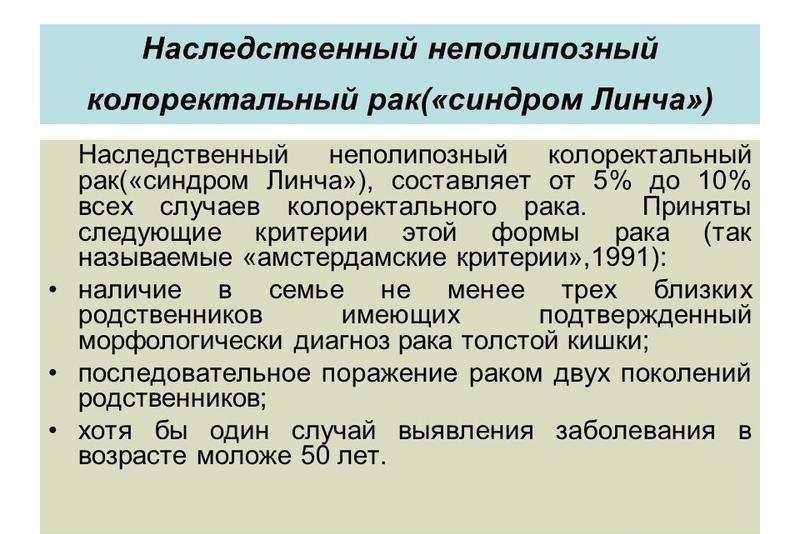
Lynch syndrome
- hereditary factor (if someone from blood relatives previously suffered from pancreatic cancer, then the chances of developing this pathology increase);
- stomach or duodenal ulcer;
- inflammation of the pancreas (pancreatitis);
- diabetes;
- bad habits, in particular smoking.

Smoking is one of the provoking factors
On a note! According to statistics, in more than 90% of patients with pancreatic cancer, the bacterium Helicobacter Pilori was found in the stomach cavity. Through the efforts of many medical centers, a link is being established between this bacterium and the disease.
Pancreatic cancer signs
Depending on the severity of the disease and the location of the focus of cancer cells, the symptoms may differ. Consider the early and advanced signs of pancreatic cancer.
Early symptoms
Pancreatic cancer symptoms
The very first symptoms that a patient may encounter with the development of pancreatic cancer include:
- predisposition to increased blood clotting (blood clots);
- rapid body fatigue, general fatigue;
- a sharp decrease in weight;
- loss of appetite or complete loss of it;
- pain in the lower abdomen with displacement to the back;
- discoloration of feces and urine (feces may lighten, and urine may darken);
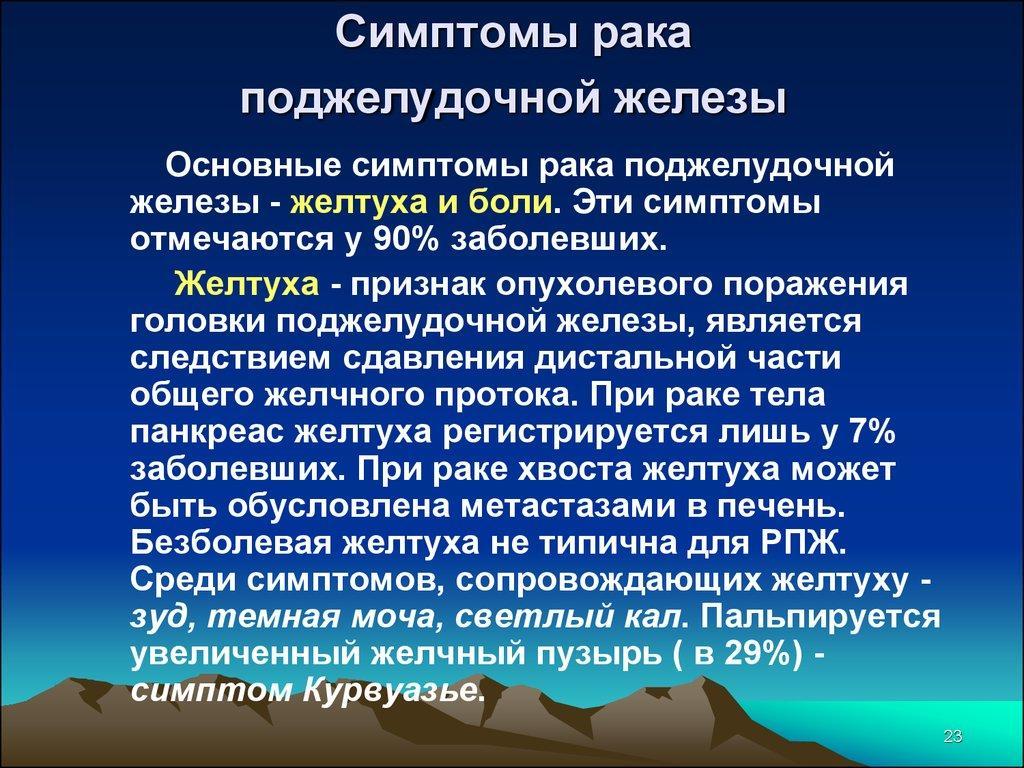
- the appearance of jaundice.
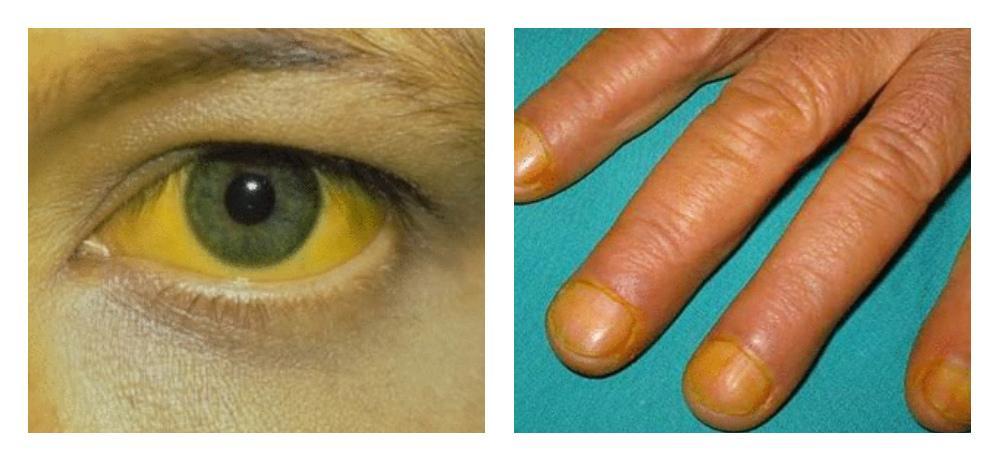
Manifestation of pancreatic cancer
Sometimes the above symptoms are accompanied by a feeling of fullness in the stomach, which often occurs immediately after a meal. There may also be pain in the right side or itching.
Later symptoms
In the process of developing cancer, other symptoms may occur that are associated with an increase in the size of the primary formation. This tumor growth leads to compression of healthy tissues and adjacent internal organs. At this stage, the functions of the digestive system are disrupted. Other symptoms may also occur depending on which part of the pancreas is affected.
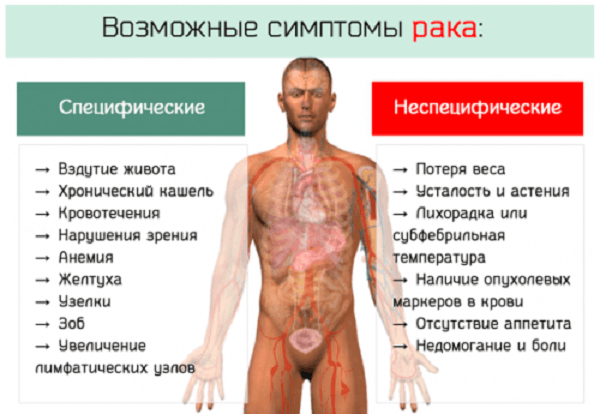
Specific and non-specific symptoms
Cancer stages
The course of all oncological diseases is divided into 4 stages, each of which is distinguished by concomitant symptoms and the severity of the patient's condition. The main stages of pancreatic cancer are presented below.
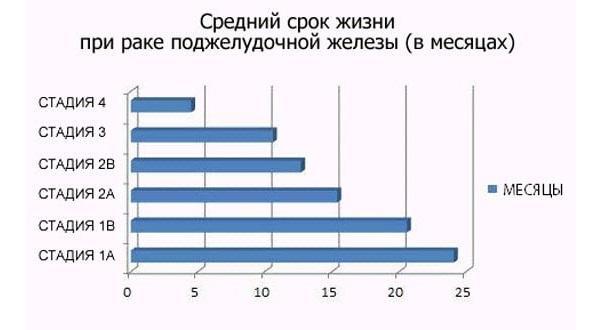
Average lifespan for pancreatic cancer
Table. The main stages of cancer development.
| Pathology stage | Description |
|---|---|
 Zero |
At stage zero, a small number of cells in the pancreas are affected. At the same time, the neoplasm has an exact localization. In most cases, at this stage of development, the disease can be eliminated, but it can only be detected with the help of MRI, ultrasound or CT. |
 The first |
In the process of the development of pathology, the first stage begins, in which the size of the cancerous tumor increases to 1.5-2 cm. The localization of the tumor can influence the clinical picture of the disease. For example, if it is located in the tail of the pancreas, then the patient develops glucagonomas or gastrinomas. If the tumor is in the head of the affected organ, then nausea, problems with stool, or painful sensations in the pancreatic region may occur. |
 The second |
There is a gradual increase in the tumor, in parallel with this, metastases develop in the lymph nodes. Symptoms practically do not differ from the clinical picture of cancer at the first stage of development (stool disorder, nausea attacks, etc.). |
 Third |
It is accompanied by a pathological change in metastases that affect the nearest blood vessels and arteries (metastases can also grow into the patient's stomach and spleen). |
 Fourth |
At this stage of development, pancreatic cancer poses the greatest threat, since the survival rate is small, and the disease itself is progressing quite quickly. Metastases spread to the liver, kidneys, brain and lungs. There are pronounced symptoms, including an increase in the size of the liver, pain in the lower abdomen, complete exhaustion of the body, and the appearance of signs of intoxication. |
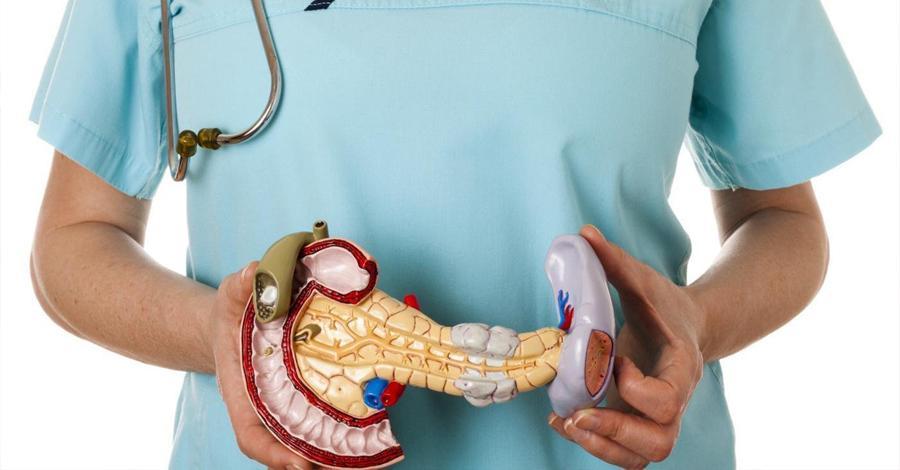
How does pancreatic cancer develop?
At stage 4 of cancer, the patient's skin turns pale, and the appearance becomes extremely exhausted. To all of the above symptoms may be added bleeding gums, yellowing of the eyes, decreased potency or the formation of bruises on the body. In the process of oncological disease development, other internal organs are involved in the pathological process, in case of malfunction of which additional signs may appear.
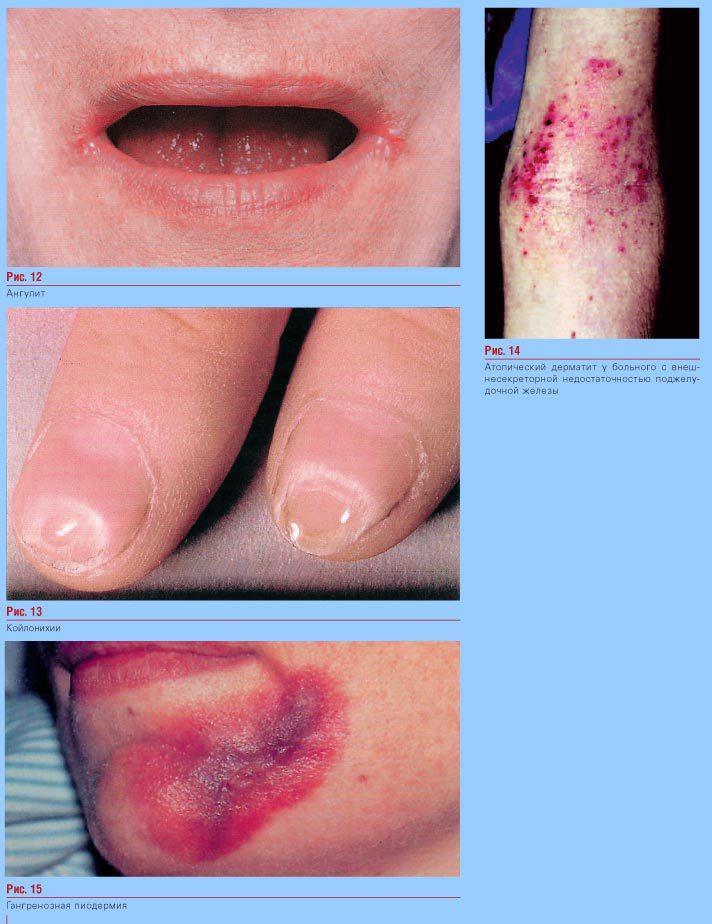
Symptoms of the fourth stage of pancreatic cancer
Diagnostic features
As noted earlier, unfortunately, it is very difficult to diagnose pancreatic cancer at an early stage of development, when the pathology can still be cured. The first symptoms appear only under the influence of an increase in the tumor, which puts pressure on the internal organs. During the diagnostic examination, the doctor palpates the abdominal cavity, which reveals an enlarged liver, spleen, or other organs. Also, palpation reveals the accumulation of fluid in the abdominal cavity - ascites. But all these symptoms are not critical, as they may indicate the development of other diseases.
Taking blood for analysis
To make an accurate diagnosis, the doctor may prescribe the following diagnostic procedures:
- biopsy of tissues of the affected organ;
- Magnetic resonance imaging;
- CT scan;
- angiography (a diagnostic procedure in which contrast is injected into the patient's blood vessels);
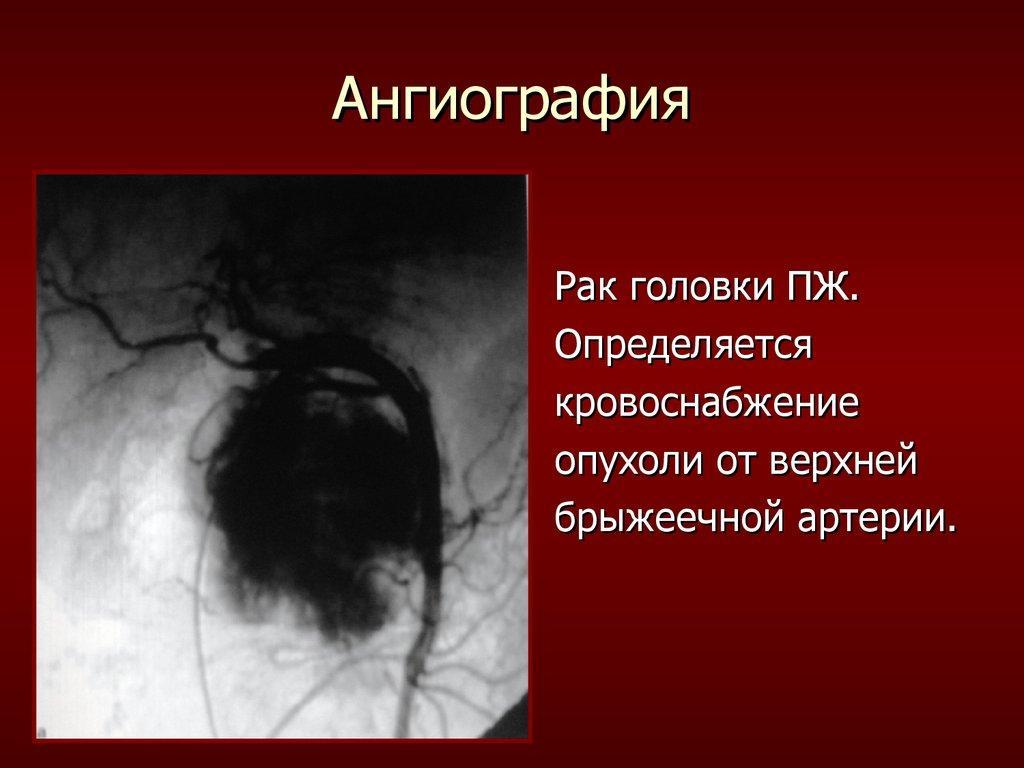
Angiography. Pancreatic head cancer
- X-ray examination of the bile ducts (cholangiography);
- ultrasound examination of internal organs (using this procedure, you can identify a malignant tumor, assess its size and severity of the disease);
- blood chemistry.
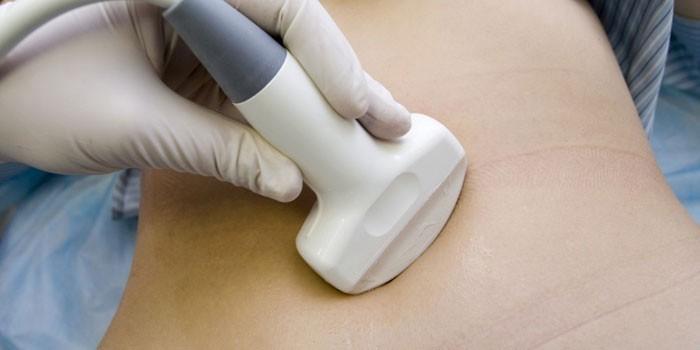
Ultrasound procedure
All these laboratory tests should be enough to make an accurate diagnosis. If pancreatic cancer is confirmed, then the patient is urgently hospitalized.
How to treat pancreatic cancer
To increase the survival rate for pancreatic cancer, a surgical method of therapy is used, which consists of two stages - resection of the formed tumor and subsequent chemotherapy. But to alleviate the patient's condition, other therapeutic methods are also used. For example, chemotherapy and radiotherapy are used to relieve painful sensations, and pain relievers are prescribed.

Surgical treatment of pancreatic cancer
When treating jaundice, which is an integral symptom of cancer, doctors do surgical treatment followed by a bypass anastomosis, as well as endoscopic stenting. With obstruction of the duodenum, which is diagnosed in about every 10 patients, is used endoscopic stenting and surgical treatment, in which between the small intestine and the patient's stomach anastomosis is applied.
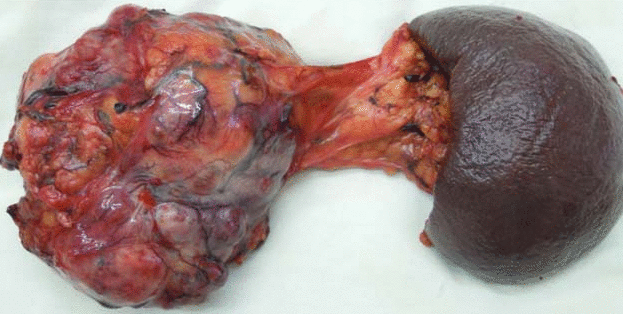
Pancreatic cancer, stage 4
Thanks to the right combination of all medical procedures and diagnostic measures, it is possible to achieve the maximum therapeutic effect in the treatment of cancer. It also improves the patient's quality of life.
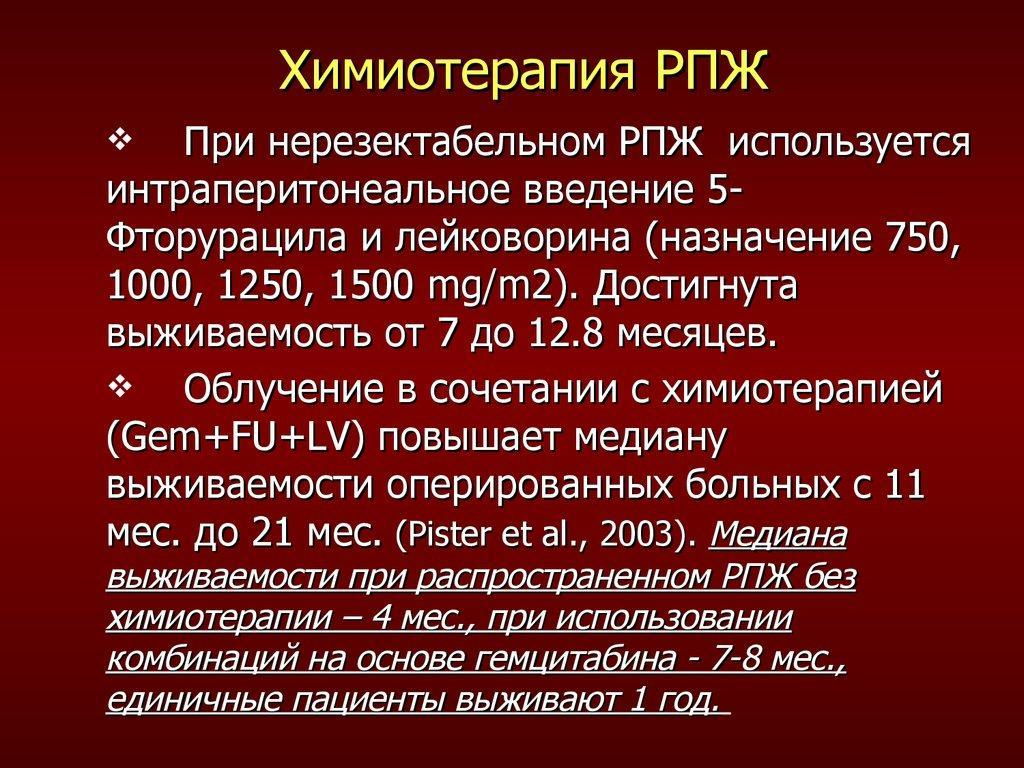
Chemotherapy for prostate cancer
Prevention measures
With long-term implementation of all preventive measures, you can significantly reduce the likelihood of developing pancreatic cancer. First of all, the prevention of cancer consists in observing the following recommendations:
-
proper nutrition. The diet should contain healthy foods containing vitamins and minerals. At the same time, it is recommended to exclude spicy and fatty foods from the menu;
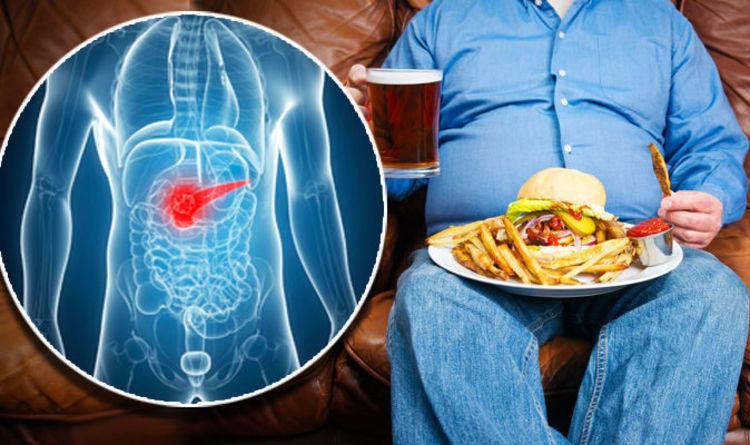
You need to give up the use of harmful products
- maintaining a healthy lifestyle. For preventive purposes, you need to regularly play sports (swimming, running, cycling, dancing, etc.);
-
timely treatment of all emerging pathologies. First of all, this applies to diabetes mellitus, in which a proper correction of metabolism is necessary;
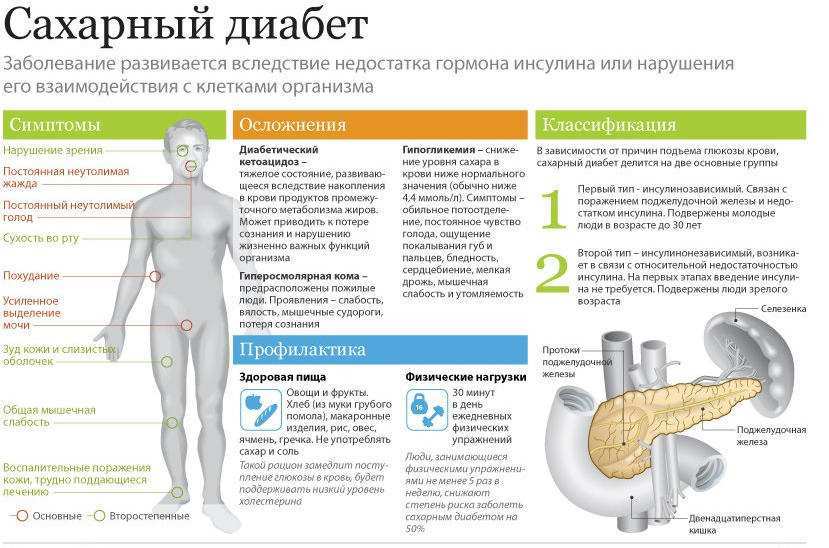
Diabetes
- various diseases of the biliary tract and pancreas need to be treated promptly and completely;
- rejection of bad habits. This refers to smoking and alcohol abuse.

Rejection of bad habits
If the patient has previously undergone surgery on the stomach, then in the future he must monitor his health, especially with the development of pancreatitis.