
Pancreatic fibrosis: what is it
The pancreas is one of the most important glands in the body: its digestive enzymes are needed to digest fats and proteins, and hormones are used to regulate the amount of sugar in the blood. The organ is unpaired, and in case of illness there is nothing that could at least partially compensate for its functions. This makes diseases of the gland life-threatening. One of the most dangerous ailments is fibrosis.
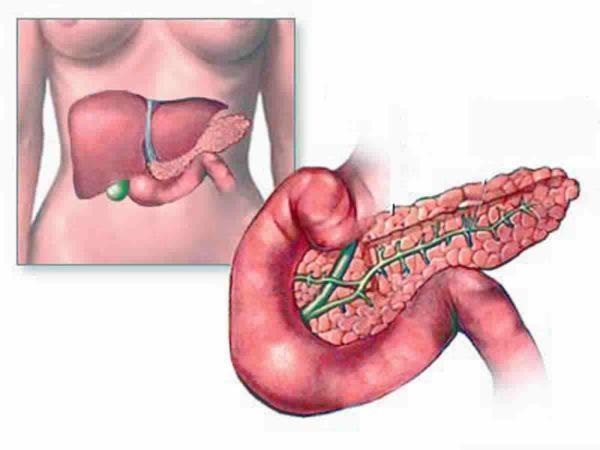
Pancreatic fibrosis: what is it?
Content
- 1 What it is?
- 2 Causes of the disease
-
3 Diagnostics
- 3.1 The main symptoms
- 3.2 Diagnostic methods
-
4 Treatment
- 4.1 Drugs
- 4.2 Surgery
- 4.3 Other measures and diet
- 5 Prophylaxis
- 6 Consequences and complications
-
7 Conclusion
- 7.1 Video - Signs of pancreatic disease
What it is?
Fibrosis is a serious disease associated with the replacement of glandular tissue with connective tissue. Normally, the pancreas consists of a glandular epithelium capable of producing biologically active substances - enzymes and hormones. With fibrosis, epithelial tissue is destroyed, and in its place connective tissue grows, which is not capable of producing secretions.
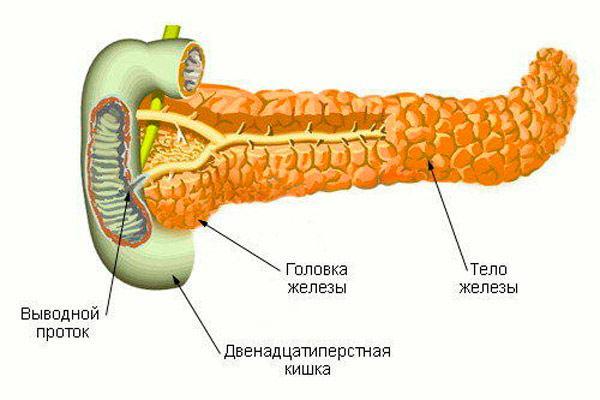
The structure of the gland
Anatomically, the gland consists of the parenchymal part, which is responsible for the secretion of hormones and enzymes, and the connective membrane, or stroma, which surrounds and protects the organ. It is from the membrane that connective tissue “grows” into the organ in case of death of its own cells. Like cirrhosis of the liver, fibrosis of the pancreas is an irreversible process, and if untreated, it can easily lead to the death of the patient.
Fibrosis can occur both diffusely (throughout the gland at the same time) and intralobularly, that is, by local areas of connective tissue, with the formation of scars clearly distinguishable against the general background.
Reference! The rate of development of the disease can be very different and depends both on the reasons that caused it and on the genetic characteristics of the patient.
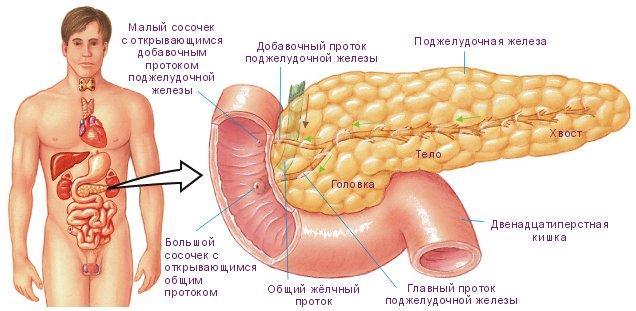
Pancreas anatomy
Causes of the disease
The cause of fibrosis is the death of gland cells due to various factors. Such factors can be:
- Alcoholism. It is known that ethanol is an intracellular poison that primarily affects the cells of the glands - the liver and pancreas. With regular use of alcohol, the disease develops in an average of 10-15 years.
- Smoking. The smoke contains a whole complex of toxic substances that negatively affect the pancreas. Heavy smokers often suffer from chronic pancreatitis, which can be one of the prerequisites for fibrosis.
- Toxin poisoning. Most poisons act selectively, accumulating only in certain tissues and affecting certain organs. Alloxan, methyl alcohol, dioxins, and the poisons of many mushrooms can have a negative effect on the pancreas.
- Bile duct dysfunction. It usually develops against the background of gallstone disease or tumors that mechanically block the ducts. A complete cessation of the flow of bile is called dyskinesia and is an extremely dangerous condition for humans.
-
Pancreatitis. This is an inflammation of the gland, usually caused by infections or poisoning. It can be both acute and chronic. Gradually leads to the death of the gland tissue, which is a prerequisite for its replacement with fibrous tissue.
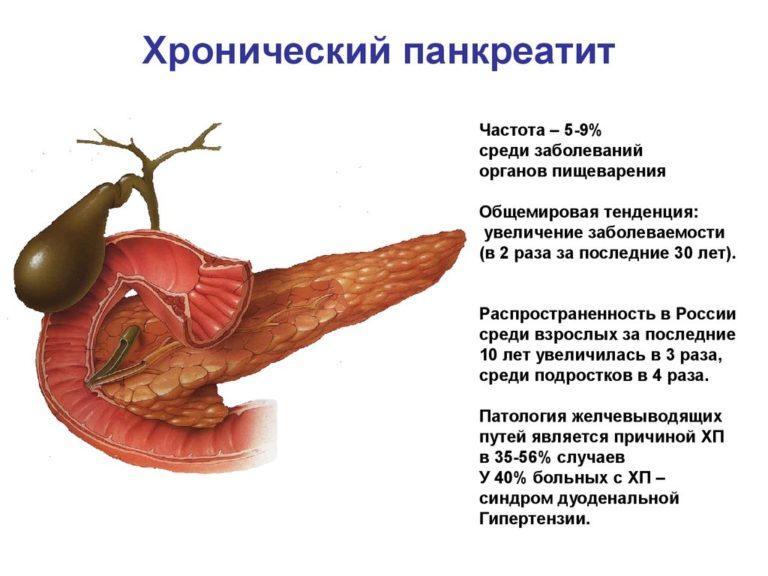
Chronic pancreatitis is one of the most common causes of fibrosis
- Inflammation of the duodenum. Since this gut is directly connected to the pancreas, infectious agents and toxins can easily pass from one organ to another.
- Eating disorder. Especially dangerous is the abundance of fatty and fried foods, flour, artificial colors and additives, a lack of vitamins and minerals. Complete starvation is also dangerous.
- Psychosomatic causes. Sometimes severe stress, depression, etc. lead to fibrosis.
- Drug abuse.
- Genetic diseases (cystic fibrosis).
- Overactive thyroid.
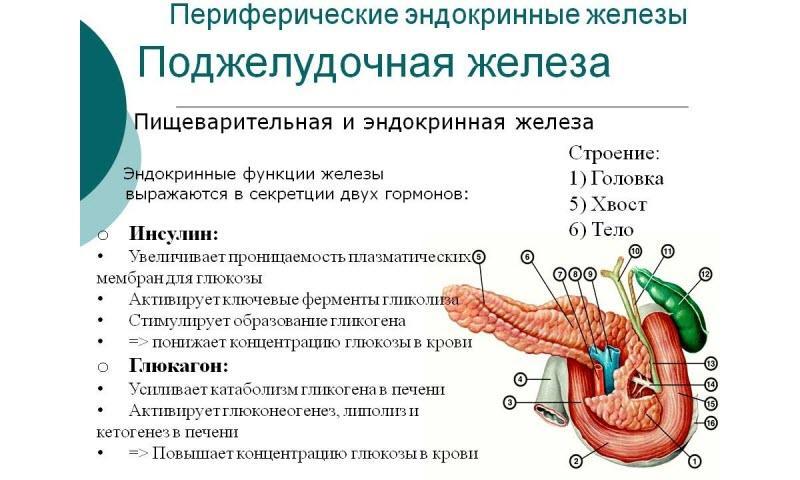
Pancreas functions
Attention! Some medicines and folk remedies used by careless patients in the "treatment" of pancreatitis, can stimulate the development of fibrosis. Therefore, self-medication of inflammation of the pancreas is strongly discouraged.
Diagnostics
The main symptoms
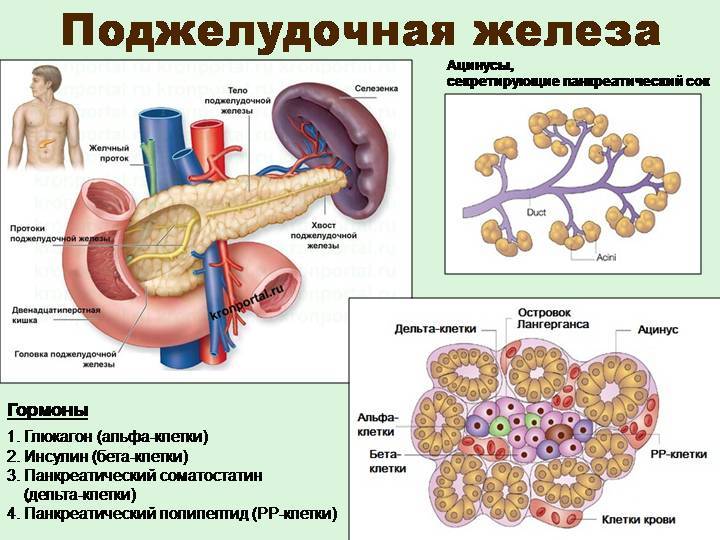
Pancreas structure
The symptoms of fibrosis are similar to those of pancreatitis. It:
- Pain in the left hypochondrium, just below the stomach.
- Girdle pain. It can manifest itself in the form of seizures or have an aching character.
- Digestive problems: vomiting, especially after fatty and fried foods, the presence of undigested food in the feces, diarrhea, fatty stools (not washed off the toilet with plain water).
- Heaviness in the stomach.
- Lack of appetite (anorexia).
- Irregularity of the stool.
- Bloating.
- A sharp increase in pain after eating any food.
- Strong belching.
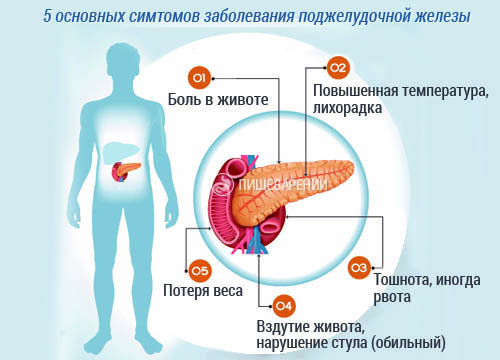
Symptoms of pancreatic problems
Diagnostic methods
Fibrous changes in the pancreas are detected in several ways:
- Anamnesis. This is finding out the symptoms and the circumstances of their occurrence by interviewing the patient.
- Lab tests. Stool, blood, and duodenal contents can be examined. The amount of proteins, amylase and some other substances in the blood decreases. The Lasus test (urine composition analysis) is also used.
- Ultrasound. Some scars of fibrous tissue can be detected visually on the screen of the apparatus. In addition, glandular and fibrous tissue have different indicators of density and echogenicity (ability to reflect sound). In some cases, fluoroscopy can be used instead of or in conjunction with ultrasound.
- Computed tomography and RHPC.
- Instrumental methods (biopsy, gastroscopy).
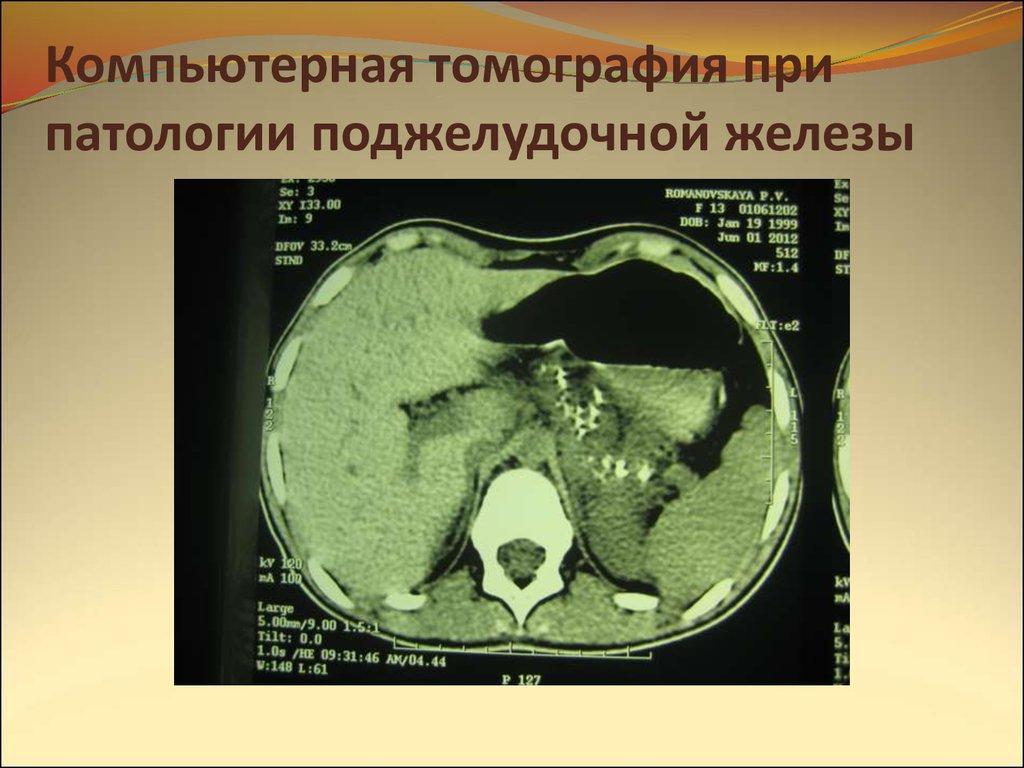
CT scan of the body at the level of the pancreas
Important! Sometimes an external examination of the patient can help. With the disease, there may be overdried skin, cyanosis (cyanosis of the integument), redness of the face, thinning of subcutaneous fat.
Treatment
There are no methods that can completely stop the development of fibrosis or reverse it. Therefore, all that remains for doctors is to replenish the deficiency of hormones and enzymes produced by the gland, as well as inhibit the pathological process. For this, various drugs, diets and physiotherapy methods are used.
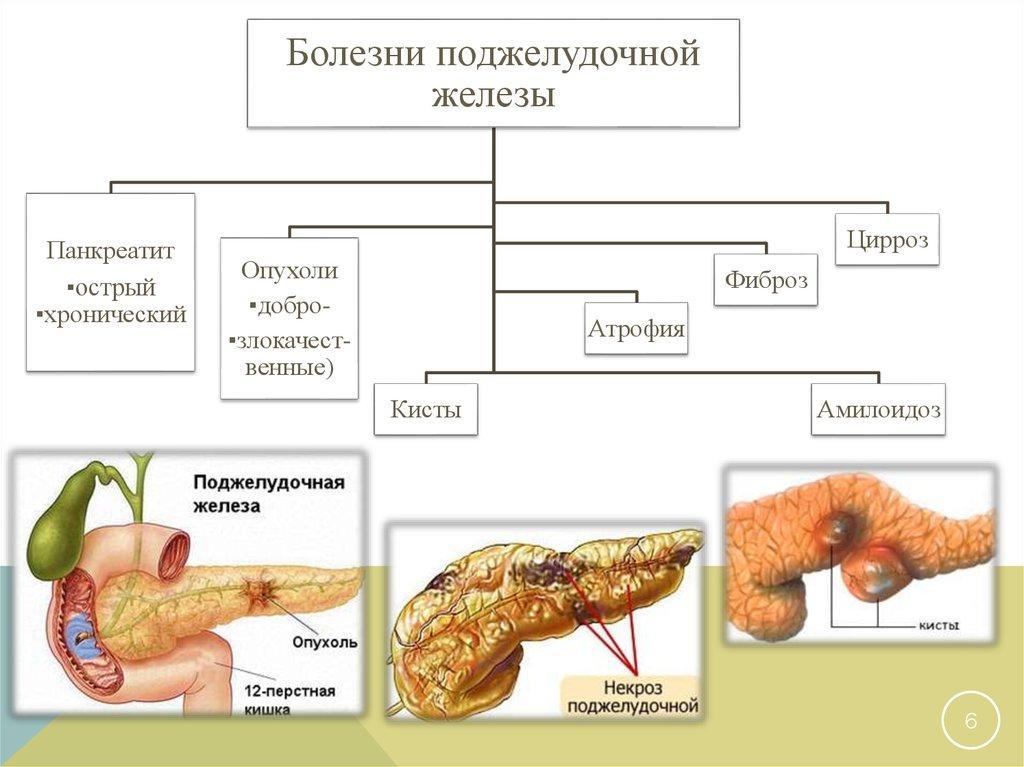
Diseases of the pancreas
Drugs
The following medicines can be used:
| A drug | Image | Application |
|---|---|---|
| Drotaverin |  |
An antispasmodic drug used for pain syndrome. Available in the form of small round tablets. Contraindicated in children under 30, with renal and hepatic failure, myocardial infarction, acute abdomen and appendicitis |
| Diclofenac |  |
Anti-inflammatory, used for pancreatitis. It is produced both in the form of tablets and in the form of a solution for injection. It is unacceptable to use in bronchial asthma, diseases of the blood and hematopoietic organs, pregnancy, lactation, bleeding from the gastrointestinal tract |
| Metoclopramide |  |
Stops vomiting. Available in pill form. Contraindicated in gastrointestinal bleeding, mechanical intestinal obstruction, intestinal perforation, certain types of tumors, diseases of the nervous system, glaucoma |
| Pangrol and Creon |  |
Medicines with pancreatic digestive enzymes. Designed to compensate for enzyme deficiencies. Pangrol should not be used for pancreatitis and individual intolerance, Creon - only for intolerance |
| Pancreatin |  |
Another preparation containing gland enzymes |
Surgery
In some cases, a pancreas transplant may be used. This organ is transplanted less frequently than others due to the technical complexity of the operation. The operation helps in 83% of cases, the rest of the patient is fatal. Another difficulty is that the organ is unpaired, unlike the kidneys, for example, and iron can be stored outside the body for no more than 30 hours. The advantage is that the pancreas can be transplanted in parts.
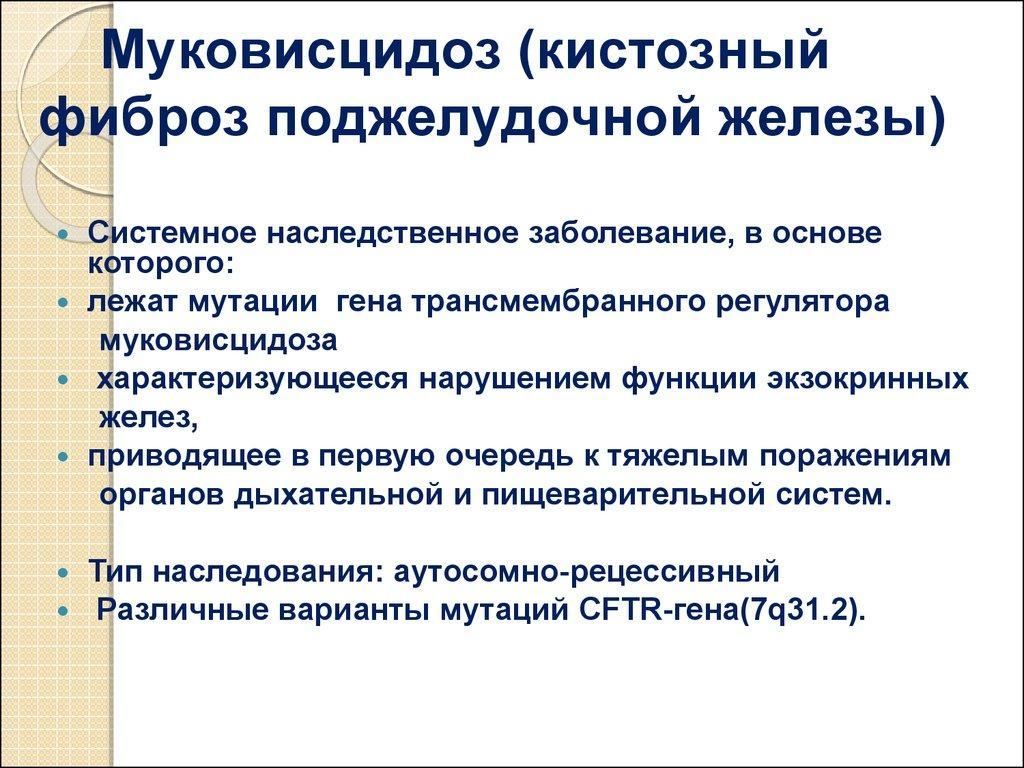
Cystic fibrosis of the pancreas
Other measures and diet
Diet number 5 – p. Fatty, fried, salty, smoked, spicy foods, coarse foods, meat broth, canned foods are prohibited. You should adhere to fractional meals (in small portions), drinking plenty of fluids.
It is also strictly forbidden to take alcohol in any form, especially if the disease is accompanied by pain and gastrointestinal upset.
Bed rest is often required.
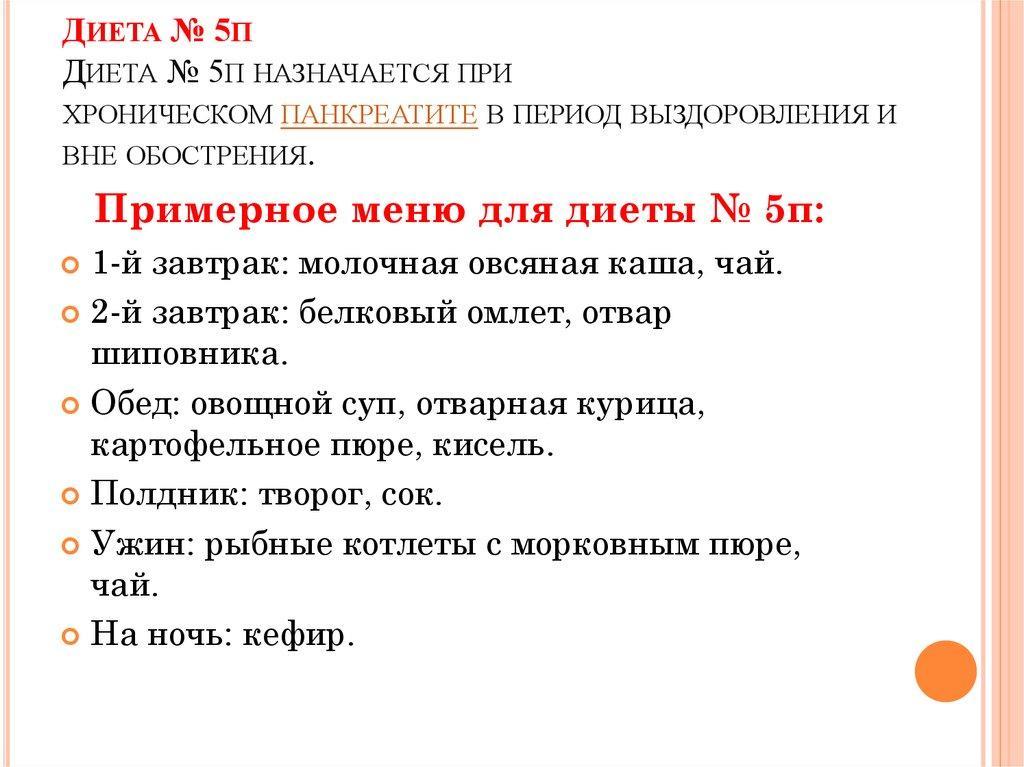
Table number 5-p
Prophylaxis
People prone to diseases of the pancreas or suffering from pancreatitis should adhere to the following rules of behavior:
- Get rid of bad habits (alcoholism and smoking).
- Stop pancreatitis attacks.
- Drink more water.
- Limit physical activity, do not overwork.
- Avoid stress and depression.
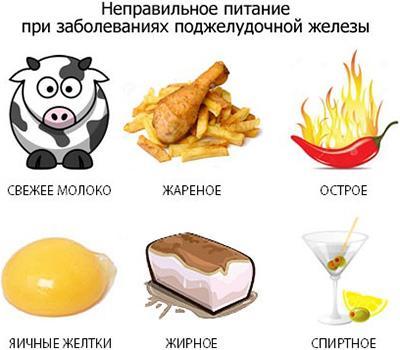
Foods that harm the pancreas
Important! In addition to the listed preventive measures, it is necessary to monitor the diet, limiting the amount of fatty foods and eating more vegetables and greens.
Consequences and complications
The main consequence of the disease is gland dysfunction, in which the organ stops producing enzymes (lipase, trypsin, maltase, etc.) and hormones (insulin, glucagon). The first leads to severe digestive disorders, the inability to assimilate nutrients from food, and the depletion of the body. The second leads to the loss of the body's ability to control the concentration of glucose, diabetes develops.
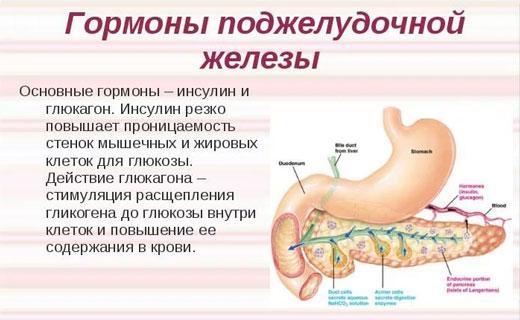
Pancreatic hormones
If the disease is not treated, soon all these violations will lead to the death of the patient.
Conclusion
Fibrosis is an incurable disease associated with the replacement of gland tissue with connective (fibrous) tissue.
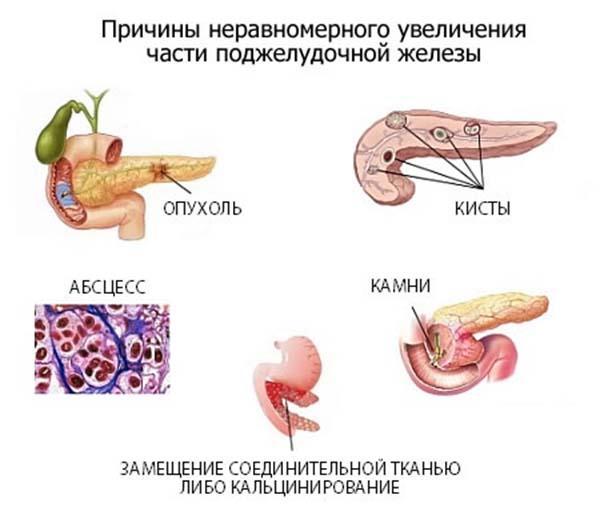
Causes of uneven enlargement of a part of the pancreas
The number of patients with fibrosis of the pancreas is currently growing due to alcoholization of the population, ineffective treatment, abuse of drugs and junk food.


