
Pancreatic necrosis: what is it, causes of development, methods of treatment
The pancreas performs several functions in the process of human life at once - it takes part in the work of the gastrointestinal tract and produces insulin, which is necessary for the absorption of glucose. Any diseases associated with this organ can cause serious health disorders, and therefore require timely diagnosis and therapy. One of the most dangerous pathologies is called pancreatic necrosis, and can lead to the complete destruction of pancreatic cells. In the article we will tell you what kind of disease it is - pancreatic necrosis, how to recognize it and which doctor should you contact when the first signs appear?
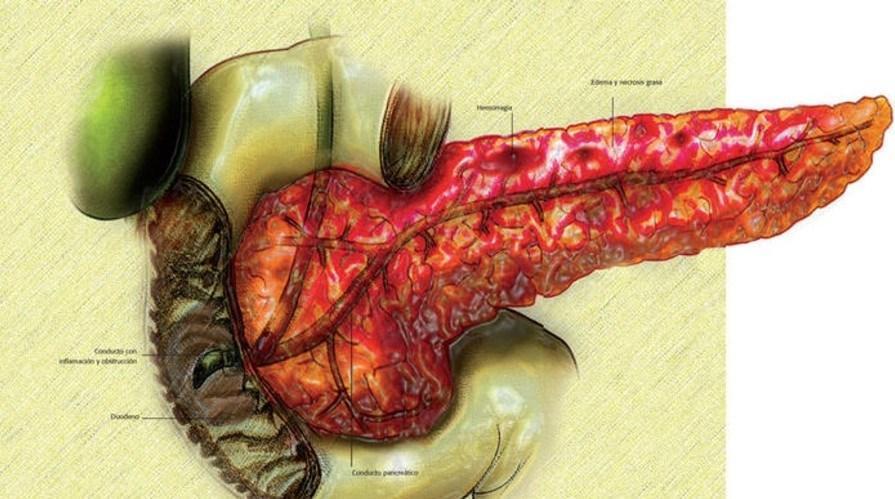
Pancreatic necrosis - what is it?
Content
-
1 Pancreatic necrosis - what is it?
- 1.1 Video - Can pancreatic necrosis be cured?
- 2 Reasons for the development of pancreatic necrosis
- 3 Classification of pancreatic necrosis
- 4 Symptoms of pathology
- 5 What is the danger of pancreatic necrosis?
- 6 Diagnosis of pancreatic necrosis
- 7 Pancreatic necrosis treatment
- 8 Rehabilitation after treatment of pancreatic necrosis
- 9 Let's sum up
Pancreatic necrosis - what is it?
In a healthy body, the pancreas secretes special enzymes that enter the lumen of the duodenum and aid in the digestion of food. Under the influence of a number of negative factors, the organ becomes inflamed, and the ducts that remove biologically active substances in other parts of the gastrointestinal tract, narrow, as a result of which they remain in the pancreas and start the process digestion. This is how pancreatic necrosis develops - a disease that leads to the complete failure of an organ or one of its parts.
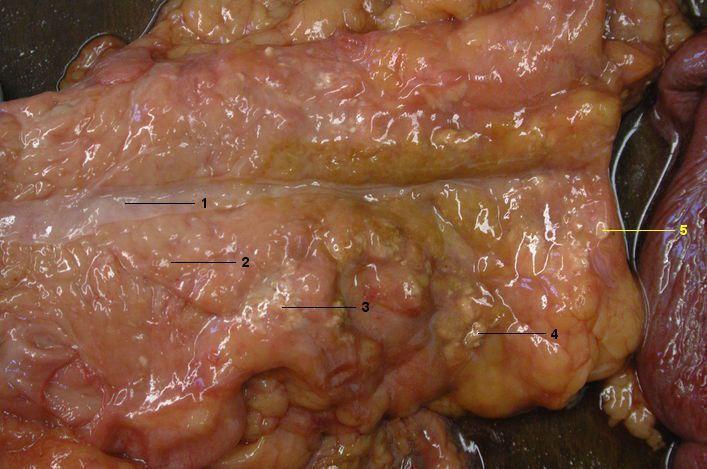
Pancreas with pancreatic necrosis
Pancreatic necrosis is a set of syndromes characterized by dangerous processes in the pancreas. In the structures of the organ, inflammation develops, after which necrotic areas and stones are formed. Aggressive enzymes that take part in digestive processes do not enter the intestines, but remain in the pancreas, as a result of which it literally self-digests, and the cells are completely die off.
Important: the danger of pathology lies in the fact that the changes that occur in the tissues are irreversible, and the chances of survival for the patient are from 30 to 60%, even with timely treatment.
Video - Can pancreatic necrosis be cured?
Reasons for the development of pancreatic necrosis
Pancreatic necrosis is the last stage acute pancreatitis, which develops under the influence of a number of factors:
- the use of copious doses of alcoholic beverages and excessive amounts of junk food;
- pathology of the biliary tract;
- infectious diseases, infection of the body with parasites;
- dysfunction of the pancreas and diseases of the peritoneal organs requiring surgical intervention;
- food poisoning;
- surgical interventions on the digestive tract.
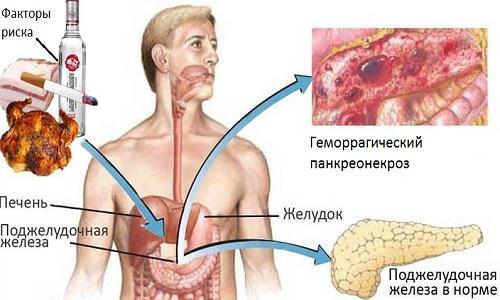
Alcohol and junk food is a risk factor.
All factors that provoke the development of pathological changes in the tissues of the pancreas are divided into three main categories (alimentary, obstructive, reflux), since the mechanism of development in each case is slightly different from each other friend.
Table 1. Factors for the development of pancreatic necrosis
| Pathology development factor | Causes | How does it manifest? |
|---|---|---|
| Alimentary | Heavy consumption of alcohol, fried and fatty foods | Excessive activation of the pancreas, which is accompanied by extensive cell death |
| Obturation | Pathologies of the bile excretion system | Stenosis (narrowing) of the ducts, increased pressure in different parts of the organ, the effect of enzymes that trigger the process of self-digestion of tissues |
| Reflux | Anatomical pathologies of the pancreas and duodenal sphincter, diseases affecting the vessels of the organ, food poisoning, complications of surgery, mechanical damage to the abdominal cavity and some diagnostic procedures | The ingress of bile into the pancreas from the intestines, which leads to a serious disruption of its work |

The most common cause of pancreatic necrosis is the abuse of fatty foods and heavy doses of alcohol, so most cases of this disease occur on holidays
Feature: most often, pancreatic necrosis affects people who have not previously abused alcoholic beverages. After plentiful feasts, patients suffering from alcoholism develop a chronic form of pancreatitis, which is rarely complicated by destructive processes.
Classification of pancreatic necrosis
There are several types of pancreatic necrosis, which differ depending on the stage of the pathological process, the area of the lesion and the developing complications. According to the prevalence of necrosis, the disease is divided into the following types:
- local;
- middle focal;
- large focal;
- total (diffuse).
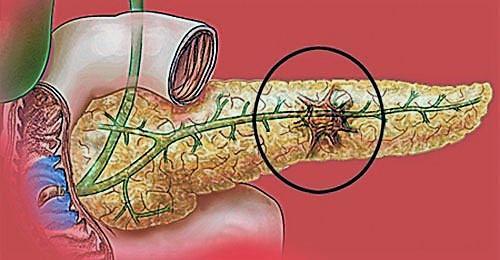
The area of distribution of pancreatic necrosis
Local pancreatic necrosis captures one of the areas of the pancreas (head, tail, etc.), middle and large-focal - several foci of different sizes, total - all structures, including vessels and large ducts. In addition, pancreatic necrosis can affect the upper layers of tissue (superficial form) or the entire organ, causing an extensive dystrophic process and necrosis - in this case we are talking about a deep variety disease. Based on the nature of the clinical course, the following types of pancreatic necrosis are distinguished:
- abortive characterized by destruction and swelling of tissues, where inflammation develops over time;
- progressive occurs under the influence of digestive enzymes, which cause self-digestion of tissues and complications in the form of purulent and necrotic foci;
- retrogressive causes blockage of the ducts, the secretion of the pancreas accumulates in the tissues where pseudocysts are formed, and subsequently - deformation of nearby organs (stomach, gallbladder, etc.);
- recurrent develops against the background of alcohol abuse, and is characterized by polycystic, sclerotic lesions, scar formation;
- fulminant - the symptomatology increases over several hours, in patients there is poisoning with toxins, pain shock and other serious disorders.
According to the presence or absence of an infectious process, the disease is divided into sterile and infected forms. In the first case, there is no infection, and in the second, it spreads throughout the body along with the bloodstream and causes serious complications. Sterile pancreatic necrosis, in turn, can occur in three separate forms.
- Hemorrhagic. It develops rapidly, causes massive internal bleeding and most often becomes the cause of death of a person.
- Fatty. This form is characterized by the death of adipose tissue, the survival rate of patients is slightly higher.
- Mixed. The most common form of the disease, in which the pathological process affects the pancreatic parenchyma, as well as adipose and connective tissues.
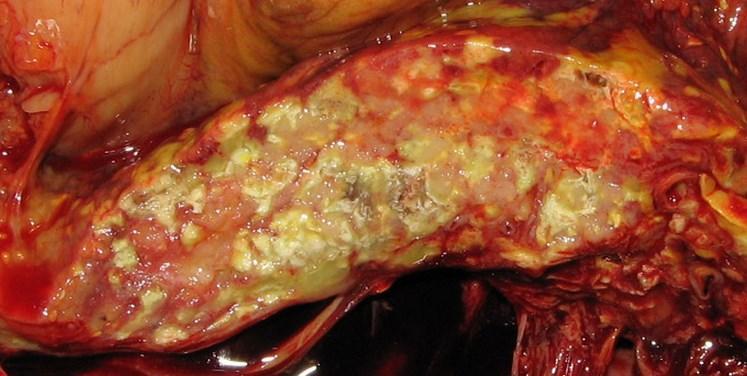
Fatty pancreatic necrosis
Important: the most unfavorable in the prognostic plan are infected, fulminant and progressive form, as they cause toxic shock, from which the patient rarely succeeds withdraw.
Symptoms of pathology
Pancreatic necrosis, as a rule, begins acutely, and is characterized by a number of signs that require immediate treatment.
-
Pain syndrome. The pain is shingles, does not have a specific localization, and its intensity depends on the stage pathological process - with the development of massive lesions and death of nerve endings, it becomes less pronounced. A certain posture brings relief to the sick - lying on its side with legs bent at the knees. Possible acute abdomen syndrome.

Pancreatic necrosis is never painless
-
Vomit. For pancreatic necrosis is characterized by strong, not bringing relief vomiting with bloody impurities and bile.

Vomiting with pancreatic necrosis
-
Bloating. Dysfunction of the pancreas leads to processes of decay and fermentation in the gastrointestinal tract, which are expressed by bloating, constipation, excessive gas production and deterioration of digestive processes.

Bloating
-
Intoxication. Signs of intoxication with this pathology include a slight fever, severe weakness, disorders activity of the cardiovascular system, lethargy or, conversely, excessive excitement, in severe cases, comatose condition.

Intoxication
-
Dehydration. The secondary signs of pancreatic necrosis include dry skin, constant thirst, a decrease in the amount of urine or its complete absence.
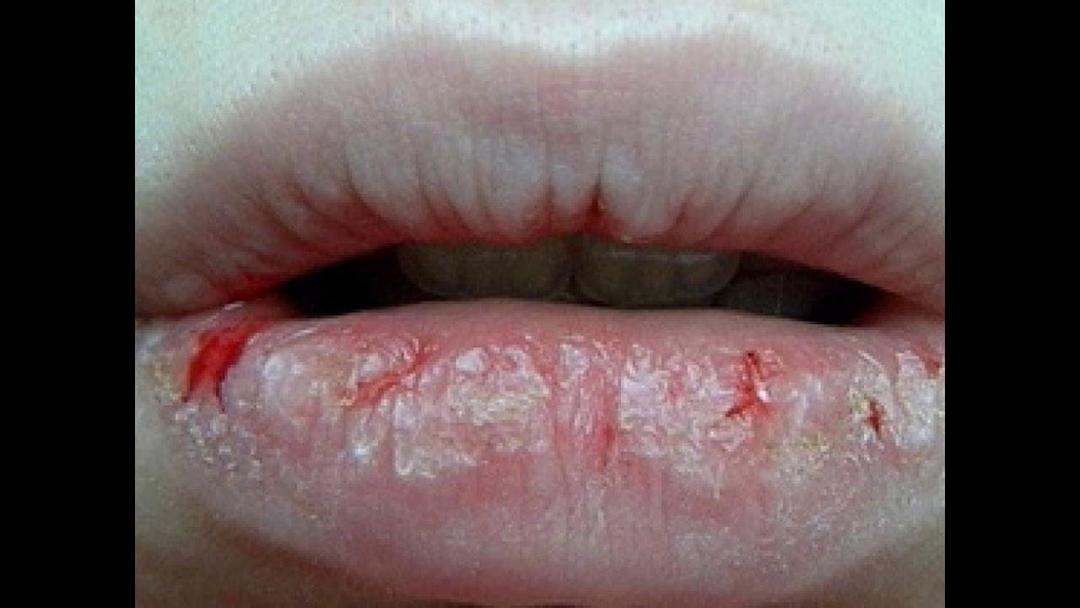
Dry skin and lips is a sign of dehydration during intoxication of the body
-
Skin manifestations. At the first stages of pathology, patients have reddening of the skin, which over time flows pallor with a marbled or yellow tint, purple spots may appear in the abdomen, back and buttocks.
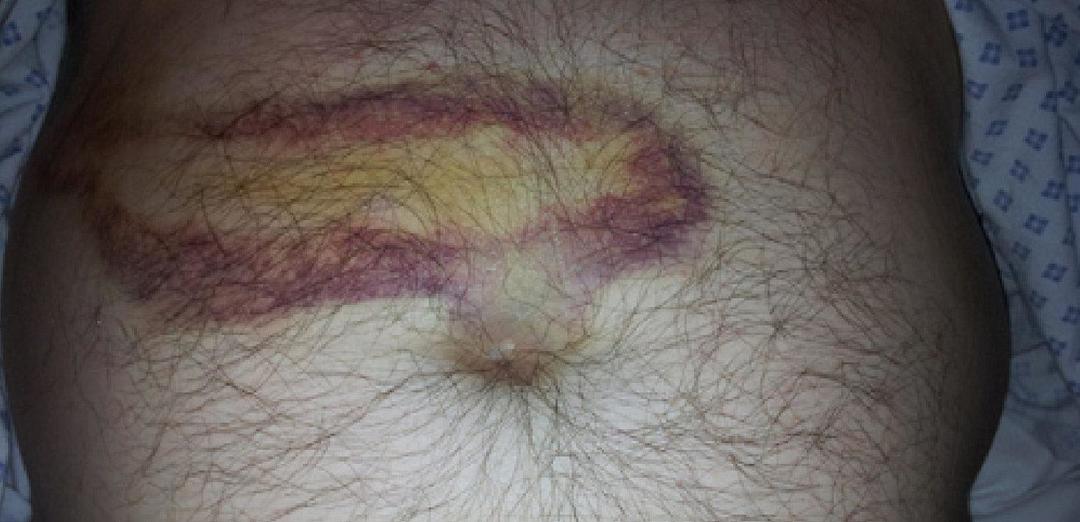
Skin manifestations in pancreatic necrosis
The characteristic symptoms of pancreatic necrosis - vomiting, pain syndrome, increased gas production - are called the Mondor triad. It is them that should be paid attention to in the initial diagnosis of pathology - if they were preceded by heavy alcohol consumption, the risk of irreversible changes in the pancreas is significant rises.
The disease develops in three main stages (phases). At the first stage, toxins appear in the tissues of the pancreas, which trigger a purulent-necrotic process. During the second phase, abscesses and purulent-septic foci are formed in the organ. At the last, or third stage, necrosis develops, cells and tissues die off, after which death occurs.
Attention: from the beginning of the first stage of the disease to the formation of purulent foci in the tissues of the pancreas, it can take from 9 to 14 days - in during this time, the patient should receive medical care as soon as possible, otherwise the development of severe complications and fatal outcome.
What is the danger of pancreatic necrosis?
As noted above, pancreatic necrosis is often fatal, since the human body cannot function normally without the pancreas. The rest of the complications that the disease causes include:
- shock due to severe pain or intoxication of the body;
- enzyme deficiency;
- cysts and fistulas in the tissues of the pancreas;
- ulcerative lesions of the mucous membranes of the gastrointestinal tract;
- hemorrhage and bleeding in the digestive tract;
- kidney dysfunction;
- pulmonary edema;
- purulent-septic lesions of the abdominal cavity (abscesses, peritonitis).
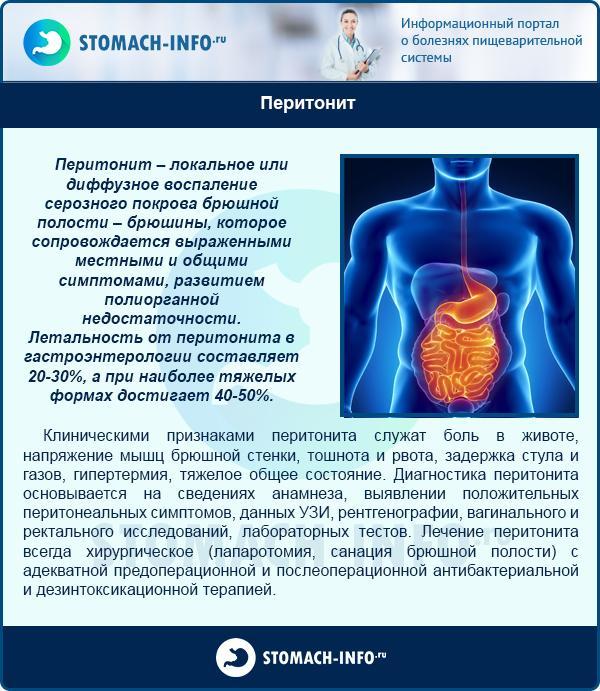
Peritonitis
Diabetes mellitus develops in 25% of patients who are faced with a destructive form of pancreatic dysfunction. In any case, pancreatic necrosis entails health problems, which in the future may affect the patient's quality of life, and lead to disability and other serious problems.

Pancreatic necrosis is an unpredictable disease, so even the most experienced doctor will not be able to give any predictions and predict the outcome for the patient.
Diagnosis of pancreatic necrosis
The diagnosis of pancreatic necrosis is carried out on the basis of a number of clinical and instrumental procedures that allow determine the degree of damage to the pancreas, as well as carry out differential diagnostics with other dysfunctions of work Gastrointestinal tract. Diagnostics begins with the collection of anamnesis and complaints of the patient - about the development of changes in the pancreas can testify to the Mondor triad (pain, vomiting, flatulence), as well as a clear connection of symptoms with alcohol consumption or unhealthy food.
-
General blood analysis. In diseases of the pancreas, signs of an inflammatory process and intoxication of the body are found in the blood - leukocytosis, increased ESR and hematocrit.
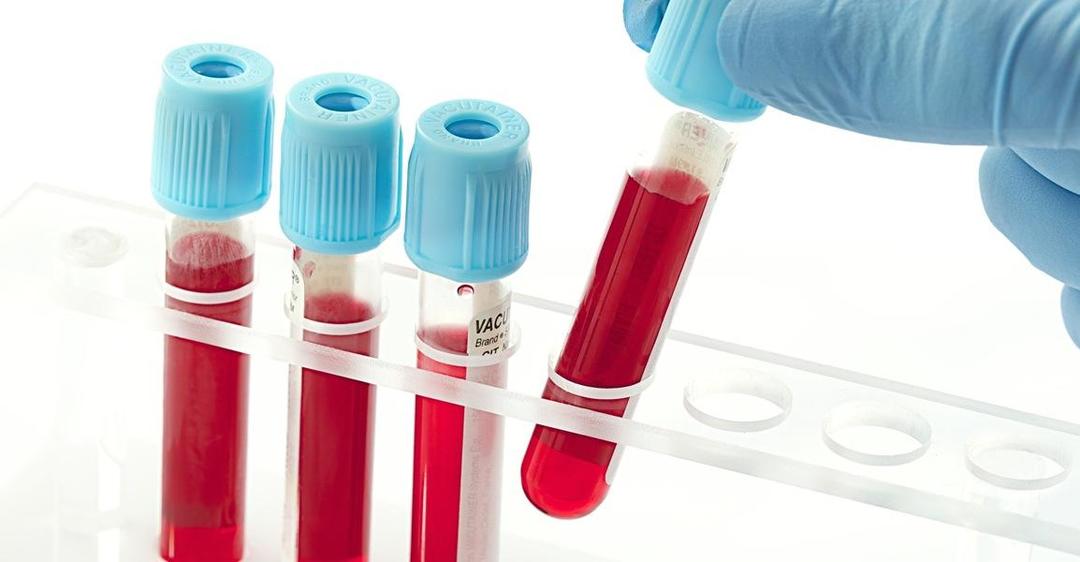
To diagnose the disease, a blood test is required.
- Biochemical analysis. Blood biochemistry demonstrates an increase in calcitonin, C-reactive protein, an increase in the activity of liver enzymes, which indicates infection and necrosis of the pancreas.
-
Ultrasound procedure. The most informative diagnostic method, which makes it possible to assess the size and structure of the pancreas, to determine purulent foci, neoplasm abscesses and other signs of pancreatic necrosis.
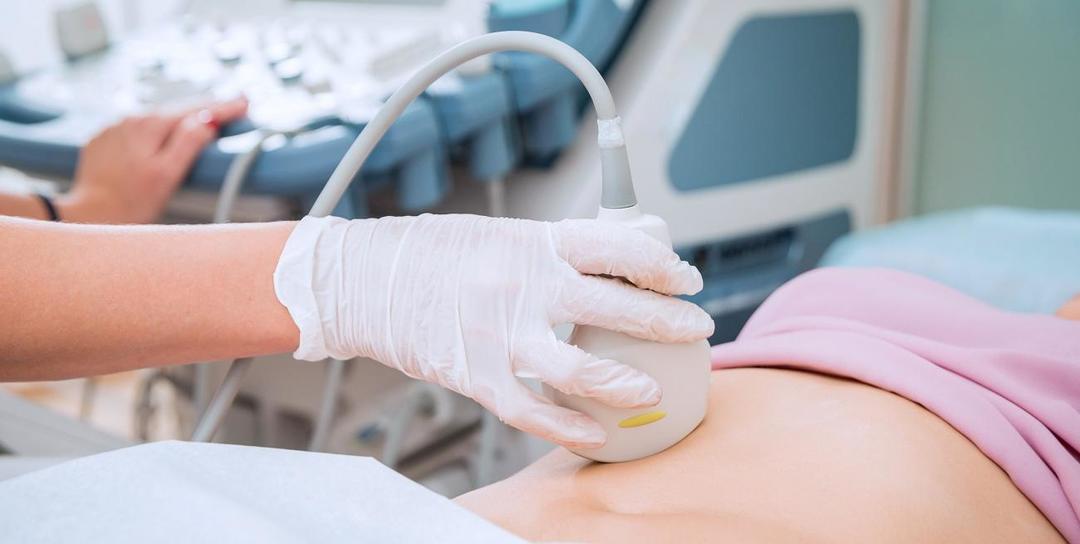
Ultrasound procedure
- CT and MRI. Computed tomography and magnetic resonance imaging give a clearer picture of the state of the organ than ultrasound, but not every medical institution is performed.
- Chest X-ray. It is carried out to identify changes in other organs that pathology can provoke - pleural effusion, pulmonary edema, etc.
In difficult cases, doctors resort to diagnostic laparoscopy and puncture, which allow confirming or refuting the previously obtained results, and making a diagnosis with maximum accuracy.
Attention: to identify the pathological process in pancreatic necrosis, complex diagnostics using several methods, since the manifestations of the disease resemble intestinal obstruction, biliary colic, inflammation of the appendix etc.
Pancreatic necrosis treatment
Pancreatic necrosis therapy is carried out exclusively in a medical institution. The patient needs to ensure complete rest, exclude any food intake and put a cold compress on the pancreas area. Conservative treatment of pathology includes the use of the following drugs:
- antispasmodics and narcotic analgesics to eliminate pain syndrome;
- drugs that block the activity of the pancreas (proton pump inhibitors, antienzyme drugs, anticholinergics), in the absence of cholelithiasis, choleretic drugs are prescribed;
- antibiotics to fight bacterial infection that develops when the pancreas is damaged;
- somatostatin - a hypothalamic hormone that suppresses the production of gastric juice and prevents the development of bleeding in the internal organs;
- glucose with insulin and saline are injected to remove aggressive substances from the body that have entered the bloodstream from the affected pancreas.
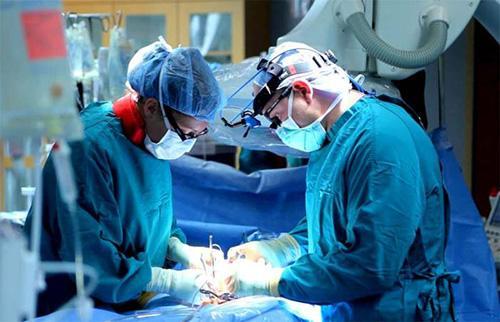
If conservative treatment has not yielded results, patients are shown surgery
In the absence of the effect of conservative therapy, patients are shown surgical intervention - restoration of duct function pancreas, removing foci of dead tissue, removing excess fluid from the abdominal cavity, stopping internal bleeding. As a rule, surgical intervention is postponed for several days - until the acute manifestations of the disease are stopped. Immediate operation is necessary only in severe cases - with the development of total organ damage or purulent-septic processes.
For reference: surgical intervention, which is performed with pancreatic necrosis, can be negative affect the entire subsequent life of the patient - sometimes during the operation it is necessary to remove adjacent organs. If it is not possible to stop the process of destruction of the tissues of the pancreas, the patient will need another operation.
Rehabilitation after treatment of pancreatic necrosis
After the therapy of pancreatic necrosis, the patient remains incapacitated for some time - if the treatment is limited conservative therapy, the recovery period takes several weeks, after surgery it increases to 3-4 months.

Diet is an essential element in recovery
The most important part of rehabilitation is proper nutrition - at first it is allowed to use crackers, unsweetened tea, mashed soups in vegetable broth. Further, the patient can switch to a sparing diet containing the following products:
- stale bread, uncomfortable pastries;
- lean fish and meat, chopped and steamed;
- soups with vegetable broth, in which you can add fine vermicelli and cereals;
- vegetable and butter, no more than 10 and 20 g per day, respectively;
- dairy products;
- soft (ripe or overripe) fruits without peels and seeds;
- dried fruit compotes;
- protein omelets;
- herbal infusions.

The basis of the diet should be steam or boiled dishes, a person should eat fractionally and little by little
Food should be steamed or boiled, and the intake should be carried out several times a day at the same time in small portions - hunger or overeating should not be allowed. Prohibited foods include:
- fatty, smoked and salty dishes;
- products containing chemical additives;
- semi-finished products and fast food;
- fruits and vegetables that promote fermentation and gas formation in the intestines (legumes, cabbage, spicy and sour fruits);
- sweets, especially cakes, pastries, pastries, chocolate.

Give up smoking and alcohol
In addition, the patient must give up smoking, alcohol, heavy physical exertion, reduce the amount of stress and be outdoors as often as possible. If the symptoms of pancreatic necrosis re-develop, you should consult a doctor as soon as possible - they may indicate a relapse of the disease or the development of complications.
Often, a person who has suffered from this disease has to change jobs or even give up work. He is put on dispensary registration, and every few months they are tested for sugar content in blood and instrumental studies of the pancreas in order not to miss the development complications.
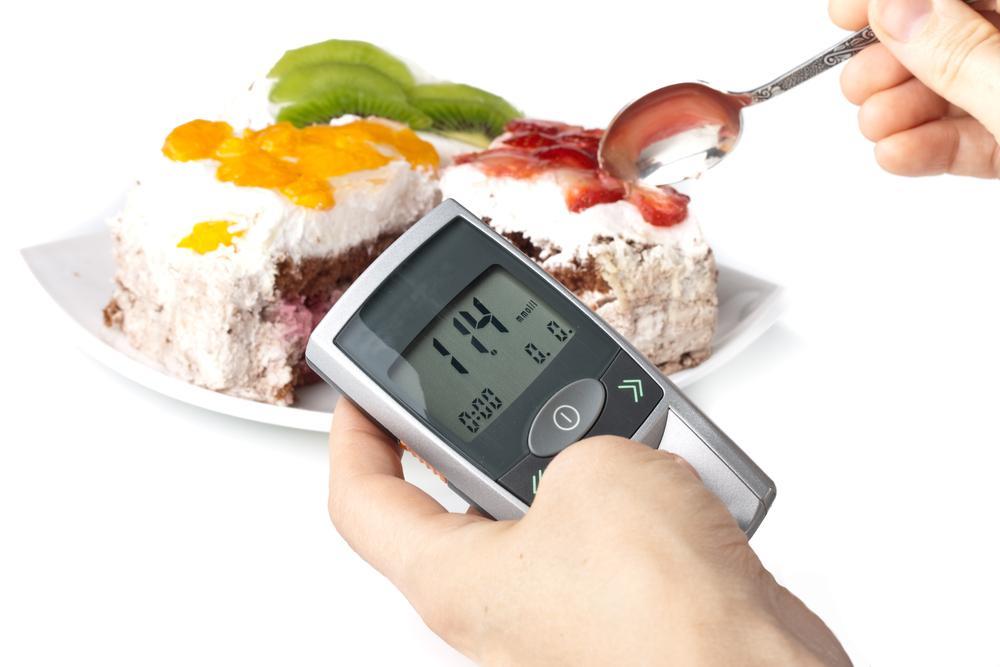
Diabetes mellitus is one of the possible complications
Prevention of pancreatic necrosis is to prevent the development of pancreatitis, for which the following rules must be observed:
- eat balanced;
- lead a healthy lifestyle;
- stop drinking alcohol;
- timely treat gastrointestinal diseases, inflammatory processes in the body, helminthic invasions;
- do not use medications without consulting a doctor.
Let's sum up
The prognosis for pancreatic necrosis depends on the form of the disease, the spread of the pathological process and the state of the patient's body (death occurs when more than 50% of the pancreas is affected glands). About half of patients develop diabetes mellitus and damage to other organs of the gastrointestinal tract, which can lead to serious health problems and even disability. Even if inflammation and necrosis have been stopped, all people who have had pancreatic necrosis need to continue to lead a healthy lifestyle, eat right, do not smoke or drink alcohol beverages. Pathology imposes a ban even on taking a hot bath - when performing hygiene procedures, the water should be warm and not reach the pancreas area (the lower part of the chest under the ribs).

Pancreatic necrosis is a serious pathology that can lead to death, and only timely treatment in combination with preventive measures can prevent the sad consequences


