Why is water sick: the main reasons for what to do
Nausea is an unpleasant feeling of heaviness in the stomach that can occur in both an adult and a child. It leads to decreased physical activity, poor health, and is a precursor to vomiting. If you feel sick after drinking water, then this may be the first sign of serious illness.
Content
- 1 Signs of nausea
-
2 Why does water nausea occur?
- 2.1 What diseases provoke nausea
- 3 First aid for nausea
- 4 When you need to go to the hospital urgently
Signs of nausea
Nausea and vomiting are protective functions of the body.
Experiencing a feeling of discomfort in the abdomen, a person may notice concomitant symptoms:
- Dizziness;
- Weakness, sweating;
- Vomiting;
- Hypersalivation (increased salivation);
- Apathy, drowsiness;
- Irritability;
- Rapid heartbeat and breathing;
- Pallor of the skin;
- Increased body temperature;
- Feeling of pain in the stomach;
- Diarrhea is possible.
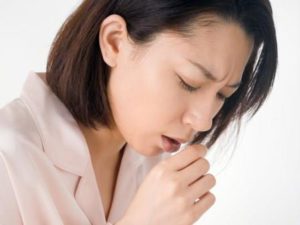
As a rule, vomiting begins after abdominal discomfort. With the secreted masses, the remnants of undigested food, harmful compounds are removed from the stomach (it is dangerous if blood clots, bile, mucus are observed in the vomit). In this way, the body is cleansed, relief comes. If observed
persistent nausea and severe vomiting, this is a signal of pathological processes.Remember! It is important to find out what is the cause of the nausea and eliminate it. Treatment is prescribed and carried out only after the diagnosis of the disease.
Why does water nausea occur?
Nausea is not a disease, but a concomitant symptom. If stomach discomfort and gagging occur after a glass of water, this indicates a malfunction of the stomach. The reason may be the use of poor quality water.
Raw water contains trace elements that are beneficial to the body. Modern methods of water purification make it safe in terms of sanitary and chemical indicators. But worn water pipes can degrade the composition of the water. The increased content of chlorine, iron, organic matter and bacteria negatively affects health and leads to indigestion. Therefore, it is recommended to consume water:
- Filtered at home;
- Bottled (meets safety requirements).
If the water is purified and fresh, but discomfort after taking the liquid still appears, then this indicates health problems.
What diseases provoke nausea
Factors that provoke nausea after water:
- Pregnancy. In the first trimester, nausea is a natural phenomenon in a woman's body against the background of hormonal changes. Morning sickness is accompanied by vomiting. Acute reaction to smells, food, drinks. Stomach discomfort can come from a glass of water.
- Central nervous system (CNS) problems. Since nausea and vomiting are coordinated by the nervous system, a disorder of the central nervous system leads to similar physiological manifestations.
- Diseases of an infectious nature of the central nervous system - viral meningitis, encephalitis, acute myelitis.
- Increased intracranial pressure. It can appear both in childhood and in adults.
- Congenital (acquired) dysfunction of the vestibular apparatus. The patient feels unwell and dizzy with a sharp change in body position (getting out of bed or chair, with sudden head movements), in transport. In case of malfunction of the vestibular apparatus, motion sickness syndrome or "seasickness" is observed.
- Inflammatory processes of the stomach organs. With serious diseases of the gastrointestinal tract, pains, abdominal cramps occur, and digestion slows down. Diseases of the gastrointestinal tract: acute or chronic cholecystitis (inflammation of the gallbladder), gastritis, pancreatitis (disease of the pancreas), ulcerative colitis. The patient complains of constant nausea on an empty stomach, vomiting of bile or blood, high body temperature, sharp pains, cramps in the abdomen, and a bitter taste in the mouth. The exacerbation of gastrointestinal diseases is influenced by nutrition (spicy, fatty foods, alcohol, flour products, cocoa-containing products, smoked meats, spicy foods). The feeling of discomfort occurs after eating food, water.

- Food poisoning. Spoiled foods can cause digestive upset. Dangerous microorganisms and bacteria, getting into the stomach, provoke severe nausea, vomiting, diarrhea, dizziness, fever. In case of poisoning, it is necessary to rinse the patient's stomach (with a weak solution of potassium permanganate), give activated charcoal. For rinsing, you can use a soda solution (add a teaspoon of baking soda to 1 liter of water). Do not eat for 3-4 hours to avoid repeated vomiting. Drink water in small amounts, often. If vomiting occurs after water, seek immediate medical attention.
- Side effects of drugs, vitamins. Each medication has contraindications for use and side effects on the body. Nausea and vomiting can occur due to individual reactions of a person to the components that make up the drug. In this situation, you need to replace the drug or stop taking it for a while. Before starting treatment with medicines or taking vitamins, a doctor's consultation is required. Self-medication, improperly selected medications can lead to negative results.
First aid for nausea
With severe ailments, the body becomes weak. Together with the vomit, useful minerals, chemical components, nutrients and water are excreted. In order to quickly restore the work of the stomach, ease the feeling of nausea, reduce the urge to vomit, you must follow the following rules:

- Limit loads. Observe bed rest, especially with dizziness. Reducing physical activity calms the body, helps relieve abdominal cramps. You need to relax and breathe deeply, so you can bring your heart rate back to normal. You should lie on your side. With excessive, uncontrolled vomiting, there is a danger of choking or inhaling the excreted masses. This can lead to a lung abscess.
- Ventilate the room well. Oxygen improves blood circulation, heart function, central nervous system. Extraneous odors lead to the resumption of vomiting. Clean air improves well-being.
- After vomiting, it is necessary to cleanse the oral cavity from the secreted masses, rinse with water.
- To restore the water-salt balance in the body, rehydration drugs (Trigidron, Regidron) are used. Drink with profuse vomiting to avoid dehydration.
- Wipe your face and neck with a towel dampened in cool water.
- Diet foods are allowed to be eaten. Dishes should be eaten in small portions, but often. Avoiding food will worsen your health condition. Neutral crackers, vegetables, fruits, diet meats, mineral water without gases, herbal tea are suitable. Exclude fried foods, pastries, spicy foods, seasonings, sausages from the menu.
- To restore the stomach, take prebiotics (Linex Forte, Normobact, Bifiform, Lactofiltrum). They help replenish beneficial microorganisms in the intestines, normalize the digestive tract.

- After consulting a doctor, medications can be used to eliminate stomach pain, nausea, vomiting, and diarrhea. Cerucal is an effective antiemetic drug that helps with intestinal obstruction, heartburn, vomiting, and increased gas production. Smecta is prescribed for the treatment of diarrhea, diseases of the gastrointestinal tract. No-shpa is an antispasmodic agent, prescribed for stomach pain.
Any medication should be used only after a medical consultation!
When you need to go to the hospital urgently
Short-term nausea and one-time vomiting does not pose a health hazard. It could just be a small breakdown in the digestive system. Signs that require medical attention:
- Long lasting nausea for no apparent reason;
- The presence of bile, blood clots in the vomit;
- High body temperature, chills, convulsions;
- The whole day of an adult or child continues to vomit from water;
- Sharp pain in the abdomen;
- Severe and sharp headaches.
Seek medical help in a timely manner to find out the cause and promptly eliminate the disease. Don't ignore occasional sickness and vomiting. Be healthy!