Nausea with osteochondrosis of the cervical spine: reasons, what to do, treatment
Osteochondrosis of the cervical spine is a disease that affects a large number of people. People over 30 are at risk. Sedentary work is a common cause of illness. In addition to cervical, thoracic, lumbar osteochondrosis is distinguished.
Content
- 1 Can I feel sick with osteochondrosis?
- 2 Symptoms
- 3 Causes
- 4 Diagnostics
-
5 Treatment
- 5.1 The traditional way
- 5.2 Physical education
- 5.3 Massage
- 6 Prophylaxis
Can I feel sick with osteochondrosis?
With osteochondrosis of the cervical spine, unpleasant nausea and dizziness are often noted. Those suffering from the disease do not understand the cause of the unpleasant symptoms. Therefore, they do not pay due attention. Sedentary work forces a person to stay in one position for a long time. Cervical pain and accompanying symptoms are a common occurrence for an office worker.
The cause of nausea in osteochondrosis is the structure of this spine. In contrast to the thoracic, lumbar regions, the cervical vertebrae have a number of features. The neck takes a load at which the displacement of the vertebrae is possible. In the cervical region there is a whole network of nerve connections, blood vessels. The slightest displacement of the vertebra can transmit a vessel, the consequence of which will be tinnitus, dizziness, nausea.
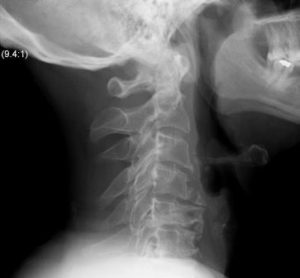
Displacement of the vertebra in the cervical spine
The question of possible unpleasant symptoms is asked by patients with chondrosis of the neck, with lumbar, with thoracic. There is no definite answer, doctors believe that the listed symptoms should not be. In some cases, another disease becomes the cause of dizziness, nausea.
Symptoms
Sometimes, with cervical osteochondrosis, there is no symptomatology. The first major symptom of neck disease is headache. The intensity and location of the focus of pain depends on the severity of the disease. It can be shooting, sharp, aching. Localized in the forehead, occiput. Painful sensations in the evening intensify.
The general manifestations of the disease are sharp. The neck hurts and discomfort is transmitted to the jaw, throat, chest. The cover of the body becomes very sensitive - light touches cause irritation and pain. In exceptional cases, the skin is red, inflamed.
The head is spinning due to the compression of the blood vessels that feed the central nervous system. Occurs with a sharp rise, turn of the head. Headaches are overcome, the temperature rises.
Lack of normal vision, in which flies flicker before the eyes, makes noise in the ears, weakness, loss of consciousness, nausea, vomiting is possible - this can occur with osteochondrosis. When a person is sick, vomits, but after vomiting the symptoms do not stop, you should seek the advice of a doctor.

Nausea can cause stomach discomfort. The listed symptoms are manifested with VSD. Dizzy, nauseous, stomach ache, diarrhea, weakness are characteristic of poisoning. A symptom of weakness, impotence, pulling neck pain, headache can be signs of other disorders of the spine.
With osteochondrosis in the lower back aches, pulls, back aches. Chest osteochondrosis is manifested by pain in the chest, sternal spine.
Causes
Possible reasons that influenced the formation of cervical, thoracic, lumbar osteochondrosis:
- Lack of vitamins in the body.
- Sedentary work.
- Changes due to age.
- Spine injury.
The lack of the proper amount of vitamins leads to deformations of the column. There is a destruction of the discs of the spine, bone tissue, a hernia develops. The collapse of the vertebrae leads to constriction of blood vessels in the back, going to the head, leading to oxygen starvation. Poor circulation in the brain leads to unpleasant symptoms.
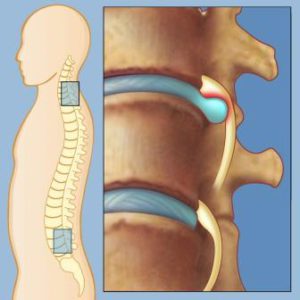
Spinal hernia in the neck
The disease associated with osteochondrosis can occur in men and women. The weaker sex suffers more often. The stronger sex is more likely to experience complications leading to disability.
Diagnostics
The symptoms that appear in cervical osteochondrosis can be signs of diseases of the stomach, nervous system, a consequence of trauma. You can make the correct diagnosis by contacting a specialist. Doctors dealing with spinal problems: a neuropathologist with a rheumatologist, a therapist and a vertebral neurologist.
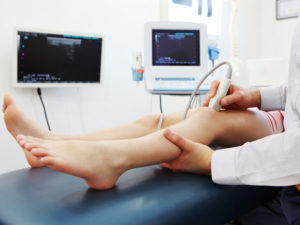
To make a diagnosis, it is worth conducting a series of examinations, each of which will confirm or deny the presence of the disease. With the help of X-ray, MRI and CT, examinations are performed to identify the condition of the vertebrae, nerve endings, and bone tissue. If you suspect a heart or stomach disease, an ultrasound scan and an electrocardiogram are done, an examination of the digestive organs - this will make it possible, by exclusion, to make an accurate diagnosis and the person will be able to receive the necessary treatment.
Treatment
The choice of treatment depends on the severity, degree of the disease and is carried out in stages. The first method is medication. With the help of medicines, a person gets rid of the inflammatory process, pain. Medicines are designed to restore impaired blood circulation, metabolism, which was impaired in a specific area of the neck.
The traditional way
Medicines taken for osteochondrosis include tablets, solutions for injections, gels, ointments. In the form of tablets, pain relievers are prescribed, such as Indomethacin, Analgin, Ketanol. Long-term use of these medicines is not practiced due to their side effects on the gastrointestinal tract.
Chondroprotectors are used in the form of tablets. Their principle of action is to slow down the destruction of the cartilage of the joints of the spine. These include Kartilag vitrum.
Muscle spasms, severe pain are eliminated with injections. Injections are given with Ortofen, Analgin, in extreme cases, Ketonal.
If the patient develops parallel pathologies and the prescribed drugs are contraindicated, external agents are used in the form of a cream, ointment. They have anti-inflammatory, analgesic, warming effect.
Physical education
With the help of physical therapy for cervical osteochondrosis, muscles are strengthened, blood circulation is restored. Well-chosen exercises with the help of a specialist will help remove symptoms: eliminate dizziness, pain in the neck, shoulders, back, nausea with vomiting and high blood pressure.
In the acute phase of this disease, exercises are not done. All human movements should be smooth, sharpness should not be allowed. Circular movements of the head should be excluded. Spinal hernia sessions should be discussed with the attending specialist. It is not necessary to use spinal stretching tools before consulting your doctor.

Massage
Professional massage is the best way to solve the problem when the neck, lower back hurts. With the help of manual action on the skin, muscle tone is restored, tension and spasm are relieved. Blood circulation improves, pain is eliminated. Sometimes, only with the help of massage it is possible to cure the patient, without the use of additional medications, injections.
You can perform massage yourself at home. The principle of self-massage is as follows - a person strokes, presses, kneads the muscles, based on their own feelings. This method is not suitable for patients with cervicothoracic osteochondrosis due to the fact that it is inconvenient to do self-massage with it.
Prophylaxis
You can eliminate the unpleasant symptoms of the disease by adhering to preventive measures. Patients with cervical chondrosis should control the actions: move slowly, smoothly, exclude sharp turns. Diet is also important. It is worth reducing the load on the stomach: give up smoked meats, fatty foods.
Walking in the fresh air will improve your health. Self-massage will improve blood circulation, relieve tension. Physical, psychological overwork is something to avoid. Carrying weights, bending over for a long time is not worth it. It is necessary to monitor the state of the nervous system, not to forget about activity: to strengthen health with the help of health-improving physical culture.