At what pressure does he feel sick: at low or high, connection with dizziness
Healthy blood vessels of the brain, adequate blood supply to nerve tissues determine the normal values of blood pressure. If blood circulation is obstructed, the following symptoms may develop:
- Headache;
- Noise may appear inside the ear;
- The person is sick;
- Dizziness;
- Heart may ache.
Symptoms are considered under elevated, reduced pressure.
Content
-
1 Nausea and dizziness with high blood pressure
- 1.1 Necessary measures for high blood pressure
-
2 Nausea and dizziness with low blood pressure
- 2.1 Necessary measures for low arterial indications
Nausea and dizziness with high blood pressure
In an adult, pressure surges upward cause dizziness with nausea. Symptoms are characteristic: poor health, weakness in the limbs, the appearance of anxiety, irritability. Nausea with dizziness is not a serious health hazard. An exception is loss of consciousness.
With hypertension, deterioration in well-being is based on individual characteristics. There are people with low sensitivity to increased readings, others are more susceptible - explains the duration of the disease: hypertension contributed to the increased susceptibility of the walls of blood vessels, arteries to arterial indications.
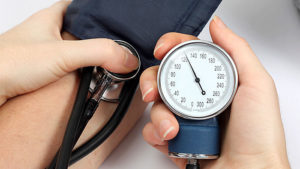
If a person does not carry out treatment under pressure, complications arise. The body gets used to it, the increase in readings is perceived adequately. Happened:
- Vertigo with nausea, with vomiting;
- Feeling apathy, lethargy;
- The head hurts, developing into a constant migraine.
Such manifestations, with a high value, proceed for ten, fifteen days, after which a normal state of health sets in.
Due to pressure, the likelihood of developing a stroke increases, contributing to damage to brain tissue, disruption of normal functioning. Stroke contributes to the development of disability and death. From pressure, the blood vessels of the brain are blocked, provoking the development of ischemic lesions.
Diseases contribute to poor speech, atrophy of the muscles of the tongue, dizziness, strong gag reflex, constant turbidity, constant migraine. At constant values within 180 mm, cerebral autoregulation of blood circulation is triggered. When the reading rises, the vessels in the brain constrict, blocking the intense blood flow. Cerebral ischemia may develop - the tone of the arterial walls decreases due to vasoconstriction. Systematic manifestation leads to atherosclerotic changes in the brain.
The brain does not receive the right amount of nutrients due to a decrease in blood supply. There are symptoms of dizziness, constant nausea, vomiting, and other negative consequences.

Diagnosis of hypertensive disease is accompanied by pain in the chest area, contributing to the development of nausea, gag reflex.
Necessary measures for high blood pressure
A high arterial value represents a variable value arising from provoking factors. With an increased value, accompanied by negative symptoms, it is recommended to take measures:
- A patient with dizziness is advised to lie down. Breathing is calm, with a deep breath, a slow exhalation. The gaze is fixed at one point.
- With apathy, lethargy, loss of strength, it is recommended to massage the back of the head for ten minutes. Massage promotes relaxation and lowering values without medication.
To stabilize the condition after pressure, the patient is advised to adhere to a correct diet, moderate physical activity, and a normal duration of night sleep. Food does not include fatty, salty, spicy foods. It is recommended to enrich the diet with vitamins, minerals, vegetable fats.
In case of vomiting during an increased arterial indication, it is necessary to provide the patient with an influx of fresh air in the room. In the absence of medications, 10 grams can be diluted. powder of magnesium sulfate for half a glass of warm water. It is recommended to drink the mixture at one time. The solution helps to lower the readings, relieve the feeling of nausea and dizziness.

Nausea, dizziness are signs of a stroke. It is recommended to call emergency help before the condition worsens. If the symptoms are persistent, it is recommended to undergo an examination to identify the cause of the disease.
Nausea and dizziness with low blood pressure
Low blood pressure, hypotension can be a consequence of a weak tone of the walls of blood vessels. The physiological, pathological process is considered. To determine the true nature of the origin of the disease, it is recommended to do a complete examination. The main manifestation of hypotension is considered to be a feeling of nausea with dizziness.
Dizziness with nausea are manifested as a result of vegetative-vascular dystonia, which is a symptomatology that determines a functional failure in the performance of human organs, with impaired innervation. VSD is the primary cause of a decreased arterial indication, arising from:
- In young age;
- With a hereditary factor;
- Hormonal disorders;
- Stressful situations;
- Strong fright;
- Bleeding;
- Due to the complication of the previous disease.
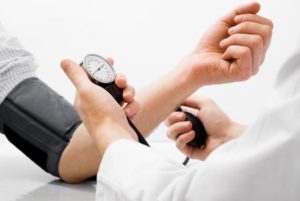
With a low value of dizziness, nausea is caused by severe fatigue, constant stressful situations, nervous tension. The symptom is due to:
- Osteochondrosis;
- Diabetes mellitus;
- Anaphylactic shock;
- Hyperthyroidism;
- Neuropathies;
- Arrhythmias.
Nausea, dizziness are accompanied by poor health, migraine, visual impairment, loss of control over coordination.
If the low level of the usual nature, it is recommended to seek medical help. The measure taken maintains good health, life expectancy.
Necessary measures for low arterial indications
If it is not possible to obtain professional medical care, it is recommended to take measures to increase blood pressure at home. The patient needs fresh air, it is recommended to ventilate the room, open windows if possible. The patient is freed from tight, constricting clothing, sits down in a sitting position. It is recommended to tilt the head to improve blood circulation to the brain. Sharp movements, turns, inclinations are contraindicated. Dizziness is the cause of injury, loss of coordination. It is recommended to give the patient rest in one position until the condition normalizes.
It is not recommended to use sedative, sedative drugs, which help to reduce the arterial indication. Even if an increase in the emotional state is considered, as with normal pressure. The patient is offered a strong caffeine-containing drink, the drug Citramon. Subsequently, it is recommended to visit the attending physician for diagnostics, prescribing suitable treatment.
Treatment of hypotension, symptoms are correlated with a specific disease. The treatment is supplemented with a balanced diet, walking in the air, and moderate physical activity. The patient must be decisive in adhering to the norms, therapeutic rules. Physical activity increases vascular tone, which has a beneficial effect on arterial parameters. Better exercise instead of regretting lost time. A sharp morning awakening is not recommended for the patient. It is recommended to include one cup of coffee and strong black tea in breakfast. The measures prevent the occurrence of diseases of the cardiovascular and other systems of the body.