Vomiting and diarrhea in a child: what can it be, what to do and how to treat it?
Vomiting in a child accompanied by a general weakening of the muscles, chills, pallor of the skin and nausea. With the help of contractions of the muscles of the stomach, diaphragmatic muscles, the contents of the stomach are expelled through the mouth. With vomiting, the remnants of undigested food, gastric juice come out.
Diarrhea is liquid stool. From blood impurities, food residues, the cause of the disease is recognized. With diarrhea, frequent trips to the toilet are characteristic, stomach ache. At the same time with diarrhea in a baby nausea manifests itself.
Vomiting, diarrhea - defensive reactions. They indicate the defeat of the body by a virus, bacteria, are the consequences of stale food.
Content
-
1 Symptoms and Causes
- 1.1 Diarrhea without fever
- 1.2 Vomiting without fever
- 1.3 Diarrhea with vomiting without fever
- 1.4 Vomiting and diarrhea with fever
- 2 First aid
-
3 Dehydration
- 3.1 What should I do?
- 4 Doctor call
- 5 Diagnostics
-
6 Treatment
- 6.1 Medication
- 6.2 Folk ways
- 7 Food
Symptoms and Causes
There are many possible reasons. They are divided into symptoms with and without fever.
Diarrhea without fever
- Infection in the intestines, mild poisoning - abdominal pain, skin rash, frequent diarrhea with particles of undigested food.
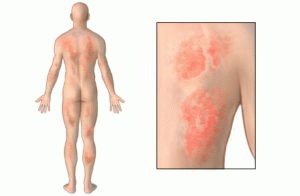
- Allergy to the drug - the urge to use the toilet appears after a couple of hours after taking the medicine, the lower abdomen aches. A rash on the body may occur with the disorder.
- Dysbacteriosis - stool in children with an unpleasant odor, twists in the lower abdomen, colic in the abdomen appears, rumbling, flatulence, the color of feces changes to yellow, green. The disorder is manifested by a decrease in appetite, a white coating on the tongue.
- Infection with worms - periodic diarrhea, followed by constipation. Cold forehead, but helminthic invasion is feverish. Weight loss, intestinal colic, weakness, nervousness.
Vomiting without fever
- Pyloric stenosis (congenital problems with the muscle layer of the stomach) - vomiting occurs after eating on the first or second day of the baby's life. Vomit with milk. The child is losing weight.
- Gastroesophageal reflux occurs due to an undeveloped muscle ring in the esophagus. Occurs in a child under one year old with HV (breastfeeding). It is manifested by hiccups, anxiety, suffocation, pain in the hypochondrium.
- Acute gastritis - the child is sick, vomit with bile. Bloating, decreased appetite, abdominal pain. Symptoms without diarrhea. The reason in infants is taking medication, in older children it is manifested when using new products.
- Ingestion of an object - vomiting occurs after swallowing. Associated symptoms are anxiety, salivation, choking. A small item will vomit naturally.
- Diseases of the central nervous system (the consequences of intracranial pressure in a small child) - after vomiting does not get better, the child is sleepy, restless.
Black vomit - an infrequent phenomenon. Causes from severe gastrointestinal illness to food poisoning. Black color indicates bleeding in the digestive organs, eaten food of dark color (dark berries, chocolate cake). If you have had these foods in your diet, don't panic. After days have passed with the preservation of the phenomenon, urgently make an appointment with a gastroenterologist.
Diarrhea with vomiting without fever
- Food poisoning - heaviness in the stomach, nausea, vomiting, frequent diarrhea interspersed with blood. Spasmodic pains, increased anxiety, moodiness. The kid refuses to eat with water. Food poisoning is not uncommon. Poisoning occurs in an adult, the whole family.
- Allergy to complementary foods - altered nutrition brings the body into a stressful state. Diarrhea with vomiting - defensive reactions. Skin rashes, irritation, itching are possible.
- Intestinal infection - vomiting is not associated with food, pain in the right side is possible. A strong-smelling stool indicates a severe infection.
Vomiting and diarrhea with fever
The difficult condition of a child with a temperature should make parents think. Temperature along with vomiting, diarrhea become common causes of food poisoning, infectious diseases (with meningitis, otitis media, with ARVI), intestinal infections (salmonellosis, dysentery).
The temperature rises more often at night. You can stop the rise in temperature with medication. Therefore, the help of a doctor is needed. A small child's body is too sensitive to drugs - self-medication can aggravate the situation.
First aid
A nursing baby does not have the opportunity to talk about the symptoms. Children under one year old are placed on inpatient treatment. For a two-year-old, 3-year-old child, things are simpler - the symptoms are expressed, they can tell about the symptoms on their own. The parent understands what is happening with the baby.
With the above symptoms, it is necessary to call a doctor. First aid is provided before the doctor arrives.
- After vomiting the child should be given a glass of water - rinse the mouth.
- In case of nausea, drink with saline solution - it will help stop vomiting attacks. Alternate between water and solution. The dosage is one spoon for children under 12 months. Repeat the procedure up to five times per hour.
- Calm down, put the baby to bed so that the head is in an elevated state. Hold the baby vertically in your arms.
- Give antipyretics at a temperature.
- If the parents are sure that the cause of the symptoms is poisoning, and the child is over three years old, do the washing.
Dehydration
After diarrhea, vomiting, dehydration occurs. The process impairs the functioning of the body, leads to weakness, impotence. Symptoms of dehydration:
- Lack of urination.
- Dry mucous membranes.
- Lethargy.
- Sunken fontanelle (in infants).
- Weight loss.
- Crying without tears.
What should I do?
To restore the water balance, give the child water and tea to drink in small sips. It is necessary to restore the alkaline-acid balance, disturbed by frequent vomiting, with a solution of rehydron.
Doctor call
It is necessary to call a specialist. The doctor will be able to make an accurate diagnosis, establish the correct treatment. If the child is in serious condition, without a fever or with a fever, call the doctor at home. Further treatment depends on the severity and age.
A doctor's call is necessary for symptoms:
- Loss of consciousness by a child.
- Blood in the vomit.
- Blood in the stool.
- The presence of seizures.
- Vomiting with diarrhea.
- Salt solution causes gagging.
- Vomiting frequency.
Diagnostics
Vomiting, diarrhea, ambiguous symptoms that indicate poisoning. The assumption is worth confirming. To make an accurate diagnosis, diagnostics are carried out:
- Blood analysis.
- Sowing feces, vomiting.
- Ultrasound procedure.
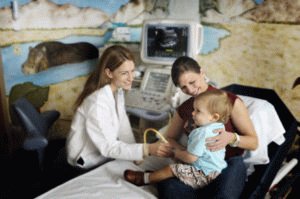
- X-ray examination of the abdominal cavity.
- Stool analysis.
Mandatory - analysis of feces, blood. The rest are additional if you suspect a certain disease.
If the diagnosis is unsuccessful, check the child's mental health. The stress on the child causes similar symptoms. Psychosomatics is a medical direction that explains the relationship between psychological health and somatic manifestations. Psychosomatic manifestations are observed in children, adolescents, women before childbirth, an elderly person. Experiences, anxiety, emotional stress cause a protective reaction in the body - diarrhea, stomach problems.
Treatment
Treatment, recovery of the child takes place in the hospital, at home. There is no universal drug for vomiting, there is no diarrhea - drugs are combined to achieve an effect. Folk remedies are used. Depending on the severity of the diagnosis, a diet is prescribed for complete recovery.
Medication
The consequences of vomiting with diarrhea are treated with various antiemetic drugs, antidiarrheals, antibiotics, antitoxins, probiotics, antispasmodics.
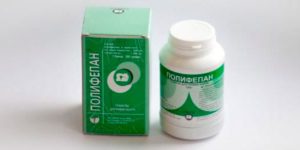
The first include Motilium, Domperidone. The second one includes Imodium. Antibiotics are counted as antifungal drugs. From antitoxins, Polysorb, Sorbeks, Polyphepan, Smecta are prescribed. Bifidumbacterin is prescribed as a probiotic. Antispasmodics include No-shpu, Papaverine.
Folk ways
Treat diarrhea with rice water. Before cooking, rinse the rice well, add water, boil without adding salt. Drink the child every two hours in small sips. The method is used for diarrhea in a nursing mother.
If the cause of ARVI diarrhea, replenish the body with vitamin C. Rosehip broth, citrus fruits will do.
A drink made from chamomile and mint is recommended for diarrhea. A spoonful of the mixture, filled with boiling water, removes the unpleasant sensation in the abdomen, restores intestinal failure. To help restore normal bowel function, hawthorn tincture will come. You can take it after the disorder.
Is the cause of diarrhea an allergy to drugs? Get rid of the effects of mint tea. Take in small sips throughout the day.
Food
During treatment, special nutrition is prescribed to help restore the body. The exclusion of some products, the inclusion of others is provoked by the peculiarity of the body's activity. The diet is different - it depends on the diagnosis. Let's describe general recommendations.
Replace fresh bread with white breadcrumbs. Eat rice, oatmeal. Eat chicken, beef from meat. Prefer soup on vegetable broth, lean meat. Fried food, smoked, fatty, fermented milk products - exclude. From vegetables to use potatoes, fruits - bananas, which have a "bonding" effect. Help with diarrhea. Drink tea without sugar, compotes, still water.
Boiled steamed dishes should prevail. Increase the frequency of receptions, reduce the portions. Return to the previous diet in a week.