Nausea after removal of the gallbladder: causes and treatment
Removal of the gallbladder is a common operation, it ranks third in frequency after surgical interventions in the intestines, patella. Unfortunately, about 30-45% of people grasp complications that make the life of patients, on the contrary, more difficult after the expected improvement.
Content
- 1 Complications after removal of the gallbladder
- 2 The causes of vomiting after removal of the gallbladder, their likelihood
-
3 Treatments for nausea and vomiting
- 3.1 Folk remedies for eliminating the disease
- 4 Prevention
Complications after removal of the gallbladder
- Internal bleeding. The human body is individual, despite the general similarities in structure. Patients tolerate post-surgical periods differently. In 15% of patients, internal bleeding develops, which occurs due to sudden movements, improper use of food that stimulates the bile ducts (seeds, nuts).
- Bile leakage - the passage of bile into the abdominal cavity in large quantities. The complication is accompanied by pain in the abdomen: stomach, intestines, giving the patient unpleasant sensation, causing inflammation of other organs due to strong oxidation of neutral tissues after deletion.
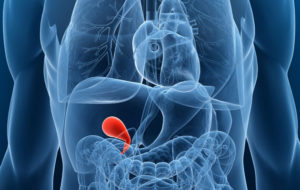
- Abscess of the liver and diaphragm. An infection from the stomach bladder to the liver causes acute cholecystitis (inflammation), accompanied by a dull, aching, constant pain in right side, nausea, flatulence (accumulation of a large amount of gas), diarrhea, bloated stomach, irritated or upset bowels, bitterness in mouth.
- Cholemia - accumulation of bile acids in the blood, characterized by a drop in blood pressure, general weakness, itching, constant thirst, abdominal cramps, neurological stone symptoms.
- Dyspeptic symptoms - a slight complication: discomfort, heaviness in the abdomen, burning in the right side, behind the breastbone, bloating, flatulence, the patient is sick.
A common complication or symptom is vomiting and nausea (with bile), which can appear at any time of the day.
The causes of vomiting after removal of the gallbladder, their likelihood
- Incorrect operation of the sphincter of Oddi. The organ that connects the liver (biliary tract) with the pancreas for proper and easy digestion is called the sphincter of Oddi. With dysfunction, benign clinical conditions occur, which continue to actively deliver pain to a person for 2-3 months; within 6 - the tonic effect of the sphincter is observed in 50% of patients, after six months "Oddi" calms down, adapting to the new demands of the flow of bile into the body due to bile bladder; slows down its work, normalizing the patient's condition.
Sphincter of Oddi
- Liver disease. Viral, ischemic, medicinal (the onset of the disease due to a large amount of drug use, alcohol) hepatitis. Cirrhosis is compensated, decompensated, postnecrotic, portal, biliary, alcoholic. Syndromes of Gilbert, Dubin-Johnson, Crigler-Nayyar, cholecystasis, venous thrombosis and other diseases. These processes occur in 4-5% of patients, although the diseases are individual, but they take place in the list of causes of vomiting.
- Diseases of the extrahepatic routes of excretion of bile. Caroli disease (enlargement of the bile ducts through the formation of cysts or tumors), ulcerative colitis, helminthic infestation, parasites like liver flukes, cholelithiasis, cholecystitis, cholangitis. May be in 15% of those who underwent removal of the gallbladder, and only in adults; in a child, problems of the extrahepatic tract are extremely rare, amount to less than 1%.
- Diseases of the pancreas. Gallstones, with biliary colitis, pancreatitis are the most common causes of nausea, heartburn and vomiting when the bladder is removed. In addition to physical reasons, hereditary ones are also observed: bending or bending of the pancreas - the accumulation of bile, the formation of stones. Increased bilirubin. The incidence of diseases is much reduced after the disposal operation, but as a result it is 20-25%.
- Violation of the transit of bile (2-4%).
These are the dire diagnoses described above after cholecystectomy. It is worth considering the symptoms accompanying vomiting and nausea. It is not adequate to wind yourself up, if a substance that is not assimilated by the body is eaten, the cork is too dynamic, too long. The body was simply seasick on the ship, it was overtaken by malaise after eating, the reason: overwork. The main thing with nausea is never to panic, staying in balance. Finishing off with psychoemotional stress, a person begins to find cancer of body cells, blood, syndromes of terrible diseases. Stay calm.
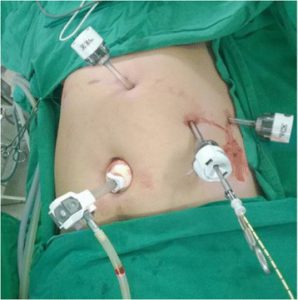
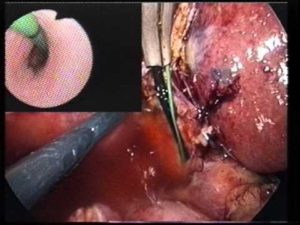
Cholecystectomy
Treatments for nausea and vomiting
- Drink more - eat less. Remove saturated food: cheese, pasta, meat (cooked in oil, steamed, grilled). Porridge, which gives energy for the whole day, according to mom, should be excluded from the menu. Curd snacks, fruits (bananas, raisins, dried fruits). Borsch, hot spices. Drink more non-carbonated water, if possible 0 sugar. Drinking water, increasing the lightheadedness, is stupid, keep to the measure - if you feel thirsty, then go to drink water.
- Bed rest is the primary treatment. Put a pillow under your head, think of something good, switching your mind from focusing the state of the body to building castles in the air. Make plans for the day, week, month. Reading or watching a movie will brighten up the minutes of waiting for improvement.
- Take it easy. Concentration on lifting the root of the tongue, tense mouth, feeling of the body as a whole becomes a great stress for the body. The subconscious mind is worried, winds up, causing a back reaction, intensifying vomiting and nausea. Relax, drink a sedative, breathe in ammonia.
- Black tea with lemon, cold refreshing showers are the ideal medicine for eliminating a bad condition.
Folk remedies for eliminating the disease
- Green, black tea, addition of mint, mint extract will calm the stomach.
- Ginger in light food.
- Basil tincture. Pour boiling water over the leaves for 20 minutes, drain. Use in bouts of nausea.
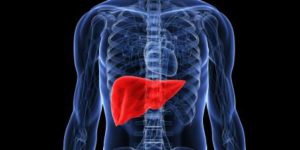
- Constantly warm the right side, hypochondrium. The liver is the direct initiator of dizziness.
- Dissolve a teaspoon of soda in boiling water, take inside. Carefully! The use of this product is not recommended for children under 10 years of age.
- White layer of lemon, small amounts during urging.
- Maple leaf tincture, wedge syrup.
- Clove extract mixed in water, ratio 1 to 5, frequency - 3 times a day.
- Powdered chicory dissolved in water.
- Herbs: rhizomes of Valerian officinalis, chamomile flowers, peppermint leaves, marsh cinnamon.
- You cannot use alcohol! Desires will increase, a strong load on the liver will go, stimulating complications with bile stasis: heartburn, diarrhea, flatulence.
Prevention
After surgery, the patient is often prescribed medications to speed up the healing process and facilitate the recovery of the body. The occurrence of vomiting and nausea is prevented by simple daily actions, adhering to which, it is easy to forget about postcholecystic syndrome.
- Drink plenty of water. As mentioned above, "drink more - eat less." Water will speed up the metabolic process - it will speed up recovery, therefore, it will improve the patient's condition, reducing the risk of nausea to a minimum.

- After the operation, doctors prescribe a diet. The list does not include products with a high salt and sugar content. Sticking to neutral foods that are simple but high in calories is the key to preventing sickness prematurely.
- Warmed food, not cold, but not hot either, will give you comfort and relieve the stress of the stomach and liver.
- There is no need to rush, you are sick! Eat slowly, chewing on every bite. Foods that are well broken down are easier for the body to absorb (preventing gallstones).
- Avoid strong smells: intoxicating perfume, the smell of cigarette smoke, seasonings. After the operation, the body will be very sensitive, listening to a strong smell, provoking nausea and dizziness.
- Try not to drive for the next 2-3 months. Stress, jiggling in traffic makes the body nervous, causing vomiting and lightheadedness.
Surgery to remove the gallbladder is widespread in the countries of the West, the CIS and America. For a week, hundreds of people become victims of the consequences of gallstone disease. In connection with the increase in the number of operations, their quality rises. The consequence is a decrease in the risks of postoperative diseases described in the article.
When you feel vomiting or nausea, understanding that surgical intervention in the body is stress for the body improves the patient's mental state at times. After the operation, psychoemotional disorders are the second initiators of disorders. Vomiting after removal of the gallbladder begins in 40% of patients. Perceiving nausea and vomiting as a normal stage in the body's recovery is the primary rule.