Nausea with VSD: reasons how to get rid of
Nausea, weakness, pallor of the skin - such symptoms may indicate poisoning. Women will think about pregnancy. These disorders can also be a sign of vegetative-vascular dystonia.
Content
- 1 What is VSD
-
2 Causes of nausea
- 2.1 Increased anxiety in perception of the environment
- 2.2 Increased muscle tension
- 2.3 Aerophagia
- 2.4 Functional disorders of the digestive tract departments
- 2.5 Thoughts of nausea never go out of my head
- 3 Symptoms
- 4 Diagnostics
- 5 Treatment
What is VSD
Vegetovascular dystonia is a somatic disease. According to medical research, over the past 40 years, the diagnosis of VSD has been made in every third patient. Vegetative syndrome appears with prolonged exposure to stress of various origins or in the presence of mental pathology. The disease affects the cardiovascular and peripheral nervous systems.
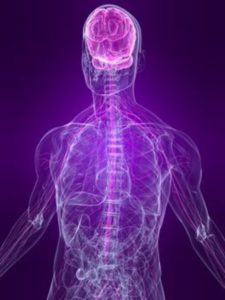
The autonomic nervous system controls the work of internal organs and glands: heartbeat, breathing, sweating, salivation, secretion of gastric juices, body temperature, etc. These actions are not controlled by human consciousness.
Causes of nausea
Dysfunction of the autonomic nervous system affects the well-being of a person. Vomiting with VSD quite often. The disease manifests itself constantly or in seizures. Understanding the cause of the discomfort will help you to treat it properly. The following factors provoke nausea.
Increased anxiety in perception of the environment
The brain receives a signal of impending danger. The body is mobilized to fight or flee. To release unnecessary weight, the stomach, intestines, and bladder are emptied of the contents. Thinking about danger activates the sympathetic nervous system and inhibits the parasympathetic nervous system, which regulates digestion. The digestive process is inhibited and food undigested by the stomach rushes out.
Increased muscle tension
At the moment of excitement, the abdominal muscles are strongly tense. They press on the stomach, causing feeling nauseous. Severe stress provokes gastric spasm and esophageal spasm. Vomiting begins.
Aerophagia
Panic attacks cause rapid mouth breathing and palpitations. Air accumulates in the digestive tract, causing nausea. This also happens with healthy people who have experienced severe stress, but when the cause of the anxiety has passed, the malaise disappears. In a person suffering from VSD, the vegetative symptom is constantly present, disappearing only for a short time. Even when the patient is calm, the body is in a state of anxiety. The brain continues to assess the situation as dangerous. This is chronic stress.

Functional disorders of the digestive tract departments
The gastrointestinal tract is regulated by the autonomic system. When excited in a stressful situation, blood pressure rises, coronary and muscle vessels expand. Less blood is already entering the esophagus. In the absence of expansion of the esophagus, the digestion of food does not occur. The result is nausea, as an attempt by the body to get rid of undigested food.
Constant stress provokes gastrointestinal diseases: inflammation of the mucous membranes of the stomach and intestines, gallbladder dyskinesia, pancreatitis, cholecystitis and others.
Thoughts of nausea never go out of my head
With dystonia, the patient constantly thinks about the problem that worries him, scrolling through the thoughts in his head hundreds of times a day. This happens automatically and unconsciously. Even when a person is busy with business and does not think about the disease, obsessive thoughts still appear, negatively affecting the body. Especially when the patient is alone, his internal dialogue wakes up and adds fuel to the fire.
Symptoms
With VSD, the following symptoms are. The person feels pain, heaviness in the stomach, the urge to vomit. The movement of the esophagus mimics vomiting, but vomit is absent.
With hypertensive and hypotonic types of VSD, the head may spin. Dizziness is often associated with fatigue. Since the vegetative system is severely depleted, physical or mental overwork immediately makes itself felt. With pressure surges, when excessive blood flow enters the brain, a headache is felt. It can be squeezing, bursting or pulsating. Pain syndrome is localized in different parts of the head: forehead, temples, occiput or dark. Flies appear in the eyes.
VSD causes disruption of other functional systems of the body. The patient has the following symptoms:
- weight loss;
- heartache;
- tachycardia;
- arrhythmia;
- pressure surges;
- sensation of tinnitus;
- shortness of breath, yawning;
- feeling of a lump in the throat;
- drops in body temperature;
- weakness;
- apathy;
- unreasonable anxiety;
- phobias due to possible diseases.
Weight loss, as a symptom, can occur for two reasons:
- The body in a state of panic and anxiety spends more energy, decreases appetite. A person forgets to eat because he does not feel hungry. The adrenal glands work harder to release adrenaline into the bloodstream. Calories are burned even when the person moves a little.
- Disruption of the gastrointestinal tract leads to insufficient absorption of food, and weight gain does not occur.
Diagnostics
It is difficult to diagnose VSD due to the presence of common symptoms. Genetic predisposition must be taken into account. Since the autonomic system regulates the work of the internal organs of the body, then violations are manifested in the work of these organs. Therefore, the patient, before finding out the true cause of the ailments, manages to pass all kinds of tests.
A neuropathologist can diagnose vegetative-vascular dystonia after a comprehensive examination. During the initial examination, a detailed history of the patient is drawn up. The next step is to go to a doctor with a narrow focus. It excludes the organic pathology of the diseased organ. Neuropathologists examine the patient's central nervous system using methods for determining autonomic tone, reactivity and autonomic support of activity.
Treatment
The mild form of VSD does not require drug treatment, but folk remedies and physiotherapy are preferred. Decoctions of soothing herbs are used: chamomile, St. John's wort, hawthorn, mint, valerian. The patient should adhere to a set of recommendations:
- daily walks in the fresh air;
- adherence to the set time of sleep and wakefulness;
- healthy, nutritious food;
- eating fresh vegetables and fruits;
- lack of bad habits.
If nervous excitement causes emotional distress, visiting a therapist will bring tangible benefits. The doctor will help you understand the problems and teach you how to distract from them. Fast get rid of nausea a few tricks will help:

- Physical exercise. It is necessary to use up the adrenaline that has entered the bloodstream. Light exercise will relax muscle spasms and burn off excess adrenaline. Useful for acute and chronic conditions. Do not overdo it so as not to increase the symptom.
- Correct breathing. It is performed in a comfortable position. You need to take a deep breath, hold your breath and exhale slowly after 4 seconds. Then count to 4, inhale again. The duration is one minute.
- Relaxation of the abdominal muscles. To perform the exercise, simultaneously tighten the muscles of the abdomen and perineum. In this position, linger for 10 seconds. Repeat 3 times.
- Washing with cool water. Well relieves the physical manifestations of anxiety disorder. Cold water inhibits the activity of the sympathetic system, activating the parasympathetic. Nausea will disappear, anxiety will decrease. It is better to wash only your face and not take a shower.
- Massaging biologically active points. Tibetan medicine uses wrist acupuncture. Massaging the wrist area for a few minutes relieves nausea of any nature. The greater effect of such a procedure will be in an acute state, and in a chronic one, addiction occurs.
- Refutation of obsessive thoughts. We need to write down the disturbing thoughts. It is often difficult to identify them the first time, but it is worth trying. A realistic denial of danger is indicated according to each disturbing thought. After this practice, the condition is normalized in 5-10 minutes.
- Favorite food. If the patient is malnourished due to nausea, it is necessary to prepare a delicious dinner and arrange it beautifully. Such food is not necessarily healthy. The goal is to make you want to eat.