
Flatulence: reasons how to quickly get rid and avoid in the future
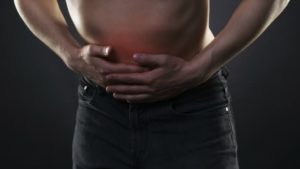
Flatulence is a pathological condition in which a person experiences obvious discomfort in the abdomen. In simple terms, flatulence is an increased content of gas in the intestines. This includes clinical disorders caused by this phenomenon. At the same time, the symptoms are pronounced and cause a lot of inconvenience to a person. From gas in the stomach or intestines, a person feels pain and heaviness in the stomach, which negatively affects the quality of life.
Flatulence is not always a sign of illness and is often caused by the use of foods that contribute to the development of a painful condition.
Content
-
1 Causes of flatulence
- 1.1 Diseases causing gas
- 1.2 Physiological causes
- 1.3 Gas formation during pregnancy
- 2 Symptoms of flatulence
- 3 Diagnostics
-
4 Treatment
- 4.1 Drug treatment
- 4.2 Folk recipes
-
5 Diet
- 5.1 Allowed Products
- 5.2 Prohibited food
- 6 Prevention
Causes of flatulence
Increased gas production in adults develops for various reasons. Abdominal discomfort is provoked by both external factors and malfunctioning of the gastrointestinal tract. Regardless of the reasons, the person's condition deteriorates significantly - pain, heaviness, gas discharge from the intestines appear, which causes psychological discomfort. When the intestines do not work well, stool disorder and a number of other unpleasant symptoms appear.
Diseases causing gas
Flatulence sometimes becomes a sign of a serious pathological process or a disease of the organs of the gastrointestinal tract. If the diet is correct and balanced, but bloating continues to bother you, you should consult a doctor and conduct a complete examination of the digestive system.
Diseases causing flatulence:
- Violation of the intestinal microflora - dysbiosis;
- Bowel obstruction;
- Neurosis;
- Gynecological disorders in women;
- Acute intestinal infection;
- Improper functioning of the pancreas;
- Cancer lesions of the digestive system;
- Bacterial or aseptic inflammation in the abdominal cavity;
- Narrowing of the intestinal lumen;
- Irritable bowel syndrome;
- Gastritis, colitis, peptic ulcer and other pathologies of the gastrointestinal tract.
Often flatulence occurs with hepatitis. Against the background of liver disease, a person develops dysbiosis and other pathologies.
With cirrhosis of the liver, ascites can occur - the accumulation of fluid in the abdominal cavity. The condition is extremely dangerous. Symptoms are flatulence, abdominal overcrowding, heaviness, edema. The liquid accumulates in a large volume - the stomach swells up, the navel comes out. If you suspect ascites, you need to call an ambulance.
Constant bloating in the abdomen for no apparent reason means that the human body is seriously ill. If flatulence persists, you need to contact a specialist for qualified help.
Physiological causes
Not only the disease becomes the cause of the unpleasant phenomenon. With a rare manifestation of the symptom, it is possible to notice, as a result of which swelling appeared. Physiological causes of flatulence:
- Aerophagia is the swallowing of large amounts of air. An odorless belching is a sign.
- Drug reaction.
- Frequent use of drinks containing gas - lemonade, kvass.
- Over-saturation of the menu with foods containing a large amount of carbohydrates.
Determining and eliminating the cause in this case is not difficult on your own. If the stomach is swollen after a meal, it is enough to reduce the portion in the next meal or exclude some foods, there will be no trouble. A sign of overeating is distension in the upper abdomen.
Gas formation causes food to be eaten at night. Gas buildup may occur during sleep, which may indicate a lack of fluid.
Gas formation during pregnancy
In women, during the period of bearing a child, bloating in the abdomen is a frequent occurrence that occurs for established reasons:
- Hormonal changes.
- Taste preferences during pregnancy.
- Compression of the intestines by the uterus.
In the second and third trimester, the fetus grows rapidly. The significantly enlarged uterus presses on the woman's organs, including the intestines. The work of the organ is disrupted. Food stagnates, wanders, an unpleasant symptom arises.
If you experience bloating and heaviness on a daily basis, tell your doctor. An independent decision to take medications harms the health of the mother and child.
Symptoms of flatulence
It is easy to determine flatulence, the signs of the disease are well pronounced. Symptoms include:
- Bloating. The patient can describe his condition with the words "swollen belly."
- There is a sharp painful sensation in the abdomen. The stomach hurts cramping. The localization of pain is changing.
- A person develops heartburn, belching has a pronounced fetid odor.
- From the intestines there is a discharge of gases with the smell of rotten eggs.
- Stool disorder such as constipation or diarrhea.
If pathology has become the cause of increased gas formation, a number of atypical symptoms are also noted:
- Arrhythmia.
- Lethargy, drowsiness, the patient looks tired.
- Pain in the head.
- Burning sensation in the region of the heart.
Bloating can manifest itself in different ways. In some patients, there is a feeling of heaviness in the abdominal cavity, the stomach seems to be bursting. At the same time, gases do not leave the intestines, the patient's condition worsens.
In other patients, the disease is manifested by the release of a large volume of gas from the intestines. The person in this case also experiences a heaviness in the abdomen, but with each waste of gas, relief is observed.
Diagnostics
If you suspect a pathology, you should visit a gastroenterologist. The doctor will help you quickly determine the cause of the bloating and prescribe adequate treatment after diagnostic measures, this includes:
- Examination of the patient, palpation of the abdomen.
- A general blood test to identify the inflammatory process in the patient's body.
- Laboratory examination of urine and feces.
- Endoscopic method for examining the patient's intestines.
- Endoscopic examination of the walls of the esophagus.
- Ultrasound examination of the gastrointestinal tract.
If there is a suspicion of malignant neoplasms during instrumental diagnostics, biological material is taken from the patient for research.
If the doctor has established the cause of the symptom, treatment is prescribed. An alternative option is referral to narrow-profile specialists.
Treatment
The treatment prescribed by your doctor depends on the cause. If flatulence is caused by improper diet, there is no talk of therapy. An unpleasant symptom is quickly eliminated by adjusting the diet. After the patient has passed all the tests and passed instrumental diagnostics, the doctor makes a diagnosis. In case of diseases of the digestive system, the doctor prescribes medicines that eliminate the underlying disease. Treatment includes:
- Compliance with diet and diet.
- A therapy aimed at eliminating the cause of the symptom.
- Taking medications to promote food.
- Taking probiotics and prebiotics to restore intestinal microflora.
- Taking drugs that destroy gas bubbles in the intestine.
Drug treatment
If bloating occurs regularly, the symptom will not go away without medication. Drugs will help get rid of flatulence:
- Espumisan is a well-known and effective remedy for flatulence. Available in capsules and emulsions. Allowed to eliminate bloating in adults and children.
- Motilium is a drug for the treatment of diseases of the gastrointestinal tract. Effective for bloating if triggered by fermentation.
- For pain caused by bloating, antispasmodics can help. The drugs of this group reduce the tension in the stomach, eliminating cramps and pain. Medicines that relieve spasms:
- No-shpa - tablets that reduce intestinal peristalsis. It is prescribed for adults and children who have reached the age of six.
- Papaverine is an analgesic medication.

To eliminate the causes that provoked flatulence, the doctor will prescribe medications only after the diagnosis is made. If bloating is caused by constipation, laxatives are prescribed:
- Duphalac is a drug that helps to cure constipation in adults and children.
- Forlax is a laxative. The effect after taking occurs in 24 hours.
- If bloating is caused by a violation of peristalsis, prokinetics are prescribed:
- Cerucal is a remedy that restores the work of the gastrointestinal tract. Eliminates vomiting, reduces nausea and hiccups.
- Domperidone is an antiemetic drug. It is prescribed for a feeling of fullness in the stomach, pain, heartburn. It is taken on an empty stomach or at bedtime.
If flatulence caused by dysbiosis - drugs are prescribed that normalize the intestinal microflora - probiotics:
- Linex is a modern medicine that normalizes microflora. Take a remedy for dysbiosis and associated symptoms - flatulence, diarrhea, vomiting, belching. Adults and children can take the remedy after meals.
- Bifiform is a medication that restores the gastrointestinal tract. It is indicated for various disorders and for maintaining immunity.
Intestinal infections are eliminated by antibiotics. Drugs in this group are prescribed by the attending physician.
Before trying to take medicine for gas formation, you need to identify the cause of the symptom. It is not recommended to take medications without consulting your doctor. A qualified specialist will provide the necessary assistance and prescribe medications that quickly eliminate the ailment.

Folk recipes
You can eliminate the unpleasant sensation in the abdomen at home, without using expensive medicines. If bloating is the result of poor nutrition or stressful situations, it is permissible to use recipes:
- Mix in a container 2 tablespoons of dry mint, anise, dill seeds, caraway seeds and one spoon of chamomile flowers. Pour one tablespoon of the mixture with a glass of boiling water and leave for 15 minutes. Take half a glass of the drink orally, at least twice a day.
- Chamomile infusion helps fight gas. A tablespoon of raw materials is brewed in a glass of boiling water and infused for half an hour. Drink the infusion twice a day - in the morning and at night.
- Potato juice helps from gas formation. The drink removes toxins. It is necessary to peel the raw root vegetable and squeeze the juice. You cannot store the product, you need to drink it immediately after preparation. The course of treatment lasts at least a week.
- Treat flatulence with ginger. It is permissible to use the product in its pure form or by adding it to dishes. Ginger tea well eliminates the accumulation of gases.
- Dill water - good bloating remedy. It eliminates flatulence and helps relieve stomach cramps. A couple of spoons of raw materials are brewed in a water bath. Then they insist and filter. You need to drink the infusion before meals, 100 ml.
- Flaxseed oil will help eliminate discomfort. The remedy is effective for heartburn, belching, bloating. One teaspoon is taken immediately after sleep.
- Fennel can help with bloating and colic. Allowed to be consumed in any quantity, in a salad and separately.
Folk remedies will quickly help reduce gas formation, if it is not caused by severe pathological processes in the human body. If the symptom persists, it's time to see a doctor.
Diet
Diet for flatulence implies balance. The products must be well combined and properly processed. Dishes are recommended to be consumed warm.
To avoid digestive problems, it is better to eat fractionally and often. Small portions are accepted.
Allowed Products
With frequent gas formation, it is recommended to include in the daily diet foods that can move gently through the intestines without lingering in it. Such food will normalize the stool.
What is allowed to eat with flatulence:
- Wheat croutons.
- Lean poultry and meat, steamed dishes.
- Low-fat broths from fish, meat.
- Cottage cheese, sour cream with a small proportion of fat, yogurt.
- Potatoes, beets, carrots, parsley, dill.
- Green tea, blueberry compote, rosehip decoction, gas-free water.
- Mucous cereals are dairy-free.
Eggs are not recommended for gas formation, but it is allowed to eat a soft-boiled egg.
Diet helps not only prevent gas formation, but also abdominal pain. Proper nutrition helps to normalize digestion and unload the digestive tract.
Prohibited food
Gas formation can be avoided by excluding foods that enhance the undesirable process from the diet. They are divided into three groups.
The first group includes coarse vegetable fiber. The second includes simple carbohydrates that cause food to rot. The third is made up of products to which the patient has an individual intolerance.
It is recommended to remove from the diet or minimize the consumption of foods that stimulate peristalsis due to the high content of carbon dioxide. It is best to completely eliminate food containing preservatives, dyes and other additives.
It is not recommended to eat:
- Pasta, dumplings.
- Fatty meat and poultry.
- Sausages.
- Salted fish, smoked meats.
- Mushrooms.
- Kvass drinks, beer.
- Canned food.
- Sparkling water.
- Nuts.
- Coffee drinks.
- Cereals.
- Sweet fruits and some types of dried fruits.
Prevention
It will be possible to get rid of flatulence forever by following simple recommendations. To avoid an unpleasant symptom, you need:
- Regularly undergo a medical examination, treat diseases on time, follow all the doctor's recommendations.
- Do not be distracted while eating, exclude conversations during a meal. After each meal, it is necessary to rest, exclude physical activity.
- Increase fluid volume. Drink clean water, without gas, decoctions, compotes.
- Avoiding the onset of the symptom will help the refusal to wear corsets and belts that squeeze the abdomen and contribute to an increase in intra-abdominal pressure.
- Regular moderate exercise to strengthen your abdominal muscles will reduce the risk of gas formation. It is good to do exercises every morning.
Bloating and accompanying symptoms can be felt by both adults and babies. A nursing mother should monitor the diet so as not to spread the situation of increased gas production to the child.
Prevention of gas formation in infants includes proper feeding, use of anti-colic bottles.
In order not to experience difficulties with digestion, it is necessary to change your lifestyle and carefully monitor your diet. Regular gas formation is a sign of pathology; you should not neglect a visit to a medical institution. Timely detection of the disease and adequate treatment will help to avoid similar troubles in the future.


