
Renal colic: symptoms, emergency care
Renal colic is called a sharp pain syndrome, which is considered a sign of a number of urological diseases. Disorders in the renal system have a negative impact on a person's well-being. According to the ICD (international classification of diseases), the symptom is classified as renal colic, unspecified. Assigned code N23.
Renal colic is a sudden onset of acute cramping pain in the lower back. This dangerous condition comes on suddenly. A severe lumbar spasm develops, resembling a spasm. The painful shock is so strong that a person loses the ability to sit and move normally. He is forced to rush about, trying to find a comfortable position in order to ease the pain a little. Actually, renal colic is not considered a disease, rather, it is a symptom indicating the origin of some kind of malfunction in the body. Pronounced symptoms are often observed after increased sports activities, motorcycle trips or cycling.
Content
- 1 Characteristics
- 2 Factors that increase the risk of colic
- 3 Diseases responsible for the onset of renal colic
- 4 First aid
- 5 Who is hospitalized first?
- 6 Inpatient treatment
- 7 Diet of renal patients
- 8 Treatment with folk remedies
- 9 What type of treatment should I prefer?
Characteristics
Often, a number of symptoms accompanying the manifestation of colic are noted. They differ depending on the reasons that provoked the disease:
- Intolerable, sharp pain in the lumbar region, having a cramping character or persisting for a long time (up to 10-18 hours, in some individual cases, the period extends to several days).
- An increase in the urge to urinate, accompanied by increased pain.
- Sudden darkening of urine caused by blood in it.
- Nausea and vomiting, not relieving.
- Bloating due to difficulty passing intestinal gas.
- False urge to empty the bowels and bladder.
- High blood pressure (as a rule, in this case, the use of drugs that lower it does not bring a strong effect).
- Increased heart rate.
- Shaking chills, fever (if infection is the cause).
- Fever, dry mouth and headache (as evidence that an acute inflammatory process has begun in the kidneys).
In women, the symptoms are sometimes supplemented by pain in the labia. In men, pain in the penis and scrotum. This can be difficult to diagnose.
This painful syndrome, accompanied by bouts of pain in the navel, lower back and lower abdomen, can also occur in school-age children.

Factors that increase the risk of colic
The causes are varied:
- Genetic predisposition.
- Urolithiasis disease.
- Natural defects of the urinary system.
- Infectious diseases of the urinary tract.
- The formation of blood clots in the venous system of the vessels of the kidneys.
- Limited fluid intake in the heat.
- The consequences of trauma (hematomas formed near the kidneys).
- Developing pyelonephritis.
- Prolonged high physical activity.
Diseases responsible for the onset of renal colic
In women, a similar attack occurs when:
- Pathologies of the uterus.
- Inflammatory process in the area of the appendages.
- Rupture of tissue or torsion of ovarian cysts.
- Polycystic kidney disease.
- Cystitis, jade.
- Ectopic pregnancy.
- Miscarriage (spontaneous abortion).

In men with these diseases:
- Urolithiasis (formation of sand and stones in the urinary system).
- Uraturia (high salt content in the body).
- Oxaluria (calcium leaching and metabolic disorders).
- Phosphaturia (urological disease, phosphate imbalance).
- Cystinuria (formation of cystine crystals or kidney stones, genetic urological disease).
- Congenital pathologies and injuries.
- Pyelonephritis, tuberculosis.
- Tumors (malignant neoplasms).
First aid
The onset of conditions that are accompanied by renal colic requires qualified diagnosis and treatment with medications. What if this is your first time dealing with a similar syndrome? Call your doctor urgently for an examination. A medical emergency will determine the patient's condition and decide whether to hospitalize.
It is undesirable to use analgin and baralgin tablets available in any medicine cabinet. In the described case, they are ineffective and will not produce complete relief of severe pain. To reduce the painful attack, you should try to alleviate the patient's condition as much as possible. He receives the necessary first aid for renal colic.
Before the arrival of an ambulance, or if it is temporarily impossible to call doctors, it is recommended to carry out the specified algorithm of actions to reduce the strength of painful sensations:
- Increase the drinking regime. Give more fluids to drink.
- Provide the patient with an upright position so that his lower back is in an elevated state.
- Use a warm heating pad by placing it in the lumbar region.
- When an attack occurs at the very beginning, it is permissible to offer to take a relaxing bath with hot water in a sitting position.
- If it was possible to anesthetize the attack, and the kidneys continue to bother, intramuscular injections should be given. Take pain relievers or antispasmodics to relax the muscles. Medicines help: no-shpa, drotaverine, papaverine, spazmalgon. If the listed drugs are not found, it is possible to dissolve the nitroglycerin tablet.
- If first aid is provided at home, it is forbidden to ignore any urge to urinate. It is supposed to provide an opportunity to relieve themselves even in a lying position.
- The provision of assistance associated with heating the lumbar region (heating pad, bath) is possible only for patients who have left-sided colic. If the colic is bilateral or right-sided, the diagnosis of appendicitis (inflammation of the appendix) must first be ruled out.
- Important! Until the arrival of medical professionals, analgesics that can distort symptoms are prohibited, and the correct diagnosis of the disease will be very difficult.
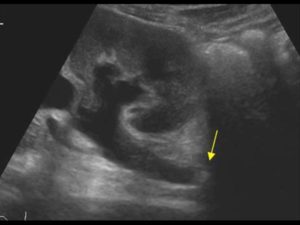
Ureteral stone
The stone that blocks the ureter always causes an inflammatory process. Even taking into account the fact that in the process of providing first-aid assistance it was possible to relieve pain, the patient will still need to be examined by a specialist. When the stone is small and can come out on its own, doctors prescribe:
- A medicine that improves blood circulation in the kidney - pentoxifylline or trental.
- Antibiotics that eliminate inflammation in the ureter - ceftriaxone, fosfomycin, nitroxoline.
- Anti-inflammatory drugs - diclofenac, lornoxicam, ketorolac.
If pain relief with medication helps, the patient may not be admitted to the hospital. In this case, according to the doctor's prescriptions, it is recommended to stay in bed.
Who is hospitalized first?
Regardless of the nature of the symptom, the following categories of patients are subject to mandatory hospitalization:
- Child;
- Pregnant woman;
- Elderly person;
- A patient with a solitary kidney;
- If bilateral colic is present (left and right).
A way to the hospital is necessary if:
- An antispasmodic or pain reliever did not have the desired effect.
- Blood pressure and body temperature are very high.
- Urine stops flowing because the urinary system is blocked by a stone.
- There is a suspicion of an ectopic pregnancy, inflammation of the appendix, or intestinal obstruction.
Inpatient treatment
In the hospital, the main treatment for colic is aimed at eliminating pain and eliminating kidney stones. The selection of the technique in a particular case is performed depending on the size of the stone, its location, the duration of the disease and the length of time, how much the syndrome manifested itself, the presence of possible complications and other factors affecting it leakage.
The generally accepted approach to eliminating the disease is to administer analgesics and antispasmodics intramuscularly or intravenously (dropper). In rare cases, when conventional remedies cannot relieve pain, narcotic analgesics are prescribed.
The clinic performs an operation if such procedures did not bring the patient the long-awaited relief, there were complaints about the deterioration of health. The risk of a serious complication is high. Modern urology allows you to treat urolithiasis and remove the formed stones with minimal surgical intervention. Most often it happens painlessly.
Diet of renal patients
All diseases have certain characteristics and require a proper nutritional system. Proper adherence to a healthy diet is important for people with kidney disease. Foods that irritate kidney cells are completely excluded from their diet. The taboo applies to canned foods, spicy, salty and sour foods, smoked meats and seasonings with an excess of pepper. Preference should be given to the use of vegetable dishes and fruits. At the same time, it is undesirable to eat radish, spinach, cauliflower, celery and garlic.
It is recommended to consume bread products made from wholemeal flour (helps to lower the amount of calcium in the urine and reduce the process of stone formation). Such bread is useful, its use is the prevention of such conditions. It is also suitable for preventing relapse.
Scientists have found that it is possible to prevent the formation of kidney stones by increasing the amount of magnesium in the body. If magnesium preparations are taken together with vitamins B6, the effect of the use increases. These substances are found in corn cobs and buckwheat, bran, wheat crops, potato tubers, avocados and bananas.
Remember that vitamin D increases calcium in the body and decreases magnesium, which leads to increased stone formation and re-attack. The vitamin is found in large quantities in animal products (butter, eggs, liver of animals and fish). Therefore, they try to refuse such products.
In moments of severe exacerbation, the following names must be excluded from the diet:
- Cocoa.
- Coffee.
- Bold.
- Smoked.
- Canned.
- Sweet soda.
- Alcohol.

The amount of salt in food is provided for the minimum, it is advisable not to use it. Soups made from cereals, vegetable or fruit are suitable as first courses. For the latter, steam cutlets or meatballs, lean boiled or stewed meat in sour cream are recommended. Milk porridge is suitable: millet or rice porridge with apricots, plums, apples and pumpkin. From vegetables, fresh cucumbers, white cabbage, potatoes, beets, tomatoes are recommended. The patient excludes legumes from the diet. When an exacerbated inflammatory disease is declining, it is possible to diversify the diet - add fish, poultry, cottage cheese, a little fried meat.
Treatment with folk remedies
Along with the traditional and habitual methods of eliminating renal colic, traditional medicine also has methods of getting rid of, proven for centuries.
Should take:
- Decoctions of celandine herb, pumpkin seeds, rosehip roots.
- Medicinal collection of caraway seeds, buckthorn bark, marshmallow root and mint leaves.
- Flaxseed decoction.
- The consumption of watermelon up to 2.5 kilograms per day helps.
What type of treatment should I prefer?
What to trust with health, medicines or alternative medicine prescriptions is up to you. If you notice signs of renal colic, try not to self-medicate. This way you will avoid unpleasant consequences. Remember that even completely self-relieved pain can come back at the wrong time. Take care of yourself and your loved ones!