
Dill water for newborns from colic: method of application, effectiveness
Colic is a common syndrome in newborns in the first month of life. This is a natural reaction of the body to new conditions: by 3-4 weeks the digestive system adapts on its own, without the help of maternal hormones, to digest milk or artificial mixture; own intestinal microflora is formed. As a result of the adaptation, the intestines overflow with gases, causing pain in the baby. Symptoms appear during, before, or after feeding. Signs of colic:
- Sharp, high-pitched cry;
- Reddish skin tone;
- Pale face;
- Restlessness, pinching of the legs;
- Deterioration or complete lack of appetite;
- Tension, bloating;
- The absence of symptoms of other diseases.
To relieve colic, dill water is used. The effectiveness of the tool has been tested by generations.
Content
- 1 What is "dill water"
- 2 Use of funds
-
3 Mode of application
- 3.1 How to give
- 3.2 Dosage
- 3.3 Termination of admission
- 4 Contraindications
-
5 Where to find dill water
- 5.1 Cooking recipes
- 5.2 Storage of ready-made infusion
What is "dill water"
Dill water is a solution of fennel oil, an umbrella plant related to dill and having similar properties. However, fennel affects the body more effectively, therefore, when treating
colic in newborns use it.Fennel is called pharmaceutical dill, which explains the name of the solution. Real dill is also used in treatment in the form of a tincture of seeds or tea, but much less often.
Dill water is considered a natural, safe medicine, it is allowed to use the remedy from the second week of life.
Use of funds
Dill water is useful for newborns with the ability to improve digestion, eliminate bloating, relax smooth muscles, reduce pressure on the intestinal walls, promote the formation of beneficial microflora, remove cramping. This is facilitated by inulin, which is part of fennel seeds. Besides inulin, fennel contains: B vitamins, sodium, calcium, manganese, zinc, iron, selenium, magnesium, phosphorus and copper. Trace elements have a positive effect on the health and development of the body. Thanks to their content, water helps with colic, and in addition:
- stops inflammatory processes;
- normalizes kidney function;
- improves the quality of sleep;
- lowers cholesterol levels;
- has a beneficial effect on the nervous system, relaxes, soothes;
- strengthens the immune system;
- increases appetite;
- increases the volume of milk of a nursing mother;
- dilates blood vessels, normalizes heart function;
- helps to normalize metabolism;
- accelerates the healing of wounds, abrasions.
This formulation makes water a body-strengthening agent that benefits children and adults.
Mode of application
Before soldering a child with medicine, it is advisable to consult a pediatrician. The doctor will determine the optimal dosage, taking into account the general condition of the child, his weight, the strength of the colic. Also, parents are obliged to make sure that other gastrointestinal diseases that cause symptoms similar to colic are excluded: intestinal obstruction, acute colitis, dysbiosis.
First, the mother is advised to take dill water. The usual dosage is half a glass two to three times a day, half an hour before feeding. Dill water enhances the production of breast milk, improves its quality. The baby will receive the necessary substances from the mother and get rid of colic. If the method does not help, the drug is prescribed to the child.
How to give
Weakened babies are instilled with a pipette or syringe. Active children are spoon-fed, if the baby is bottle-fed.
Fennel tastes good. However, some children don't like it. Then the medicine is diluted with a small amount of milk or an artificial mixture.
Dill water for colic in newborns is used immediately before feeding. The result comes in about 20 minutes. It is impossible to drink the solution for children under two weeks of age, unless there are special instructions from a doctor.
Dosage
If the child has not reached the age of one month, water is given in a minimum amount - 15 drops. Then, if there are no negative reactions, the dose is increased to a teaspoon 3 times a day. Gradually, the frequency of admission is increased to 5-6 times a day.
Breastfed babies need a lower dosage than formula-fed babies. When colic is rare and of short duration, a single dose is administered. Better before bed, most children suffer from flatulence in the afternoon.

Termination of admission
The duration of the course of admission is set at the discretion of the mother. However, dill water is a medicine, not an ordinary drink: drinking it for a long time is harmful. They stop giving the baby a decoction when they are convinced that the colic has passed. If the anxiety returns, treatment is resumed. By 6 months, the adaptation of the digestive system is completely completed, and the intestines normalize on their own.
Contraindications
Contraindications to the use of dill water are rare, but they do occur. There are two main reasons for refusing to use: individual intolerance, that is, hypersensitivity to fennel and preparations based on it, and allergic reactions. Dill water is contraindicated in children who have been diagnosed with postpartum jaundice, babies with diseases of the gallbladder and biliary tract. During the course of treatment, it is necessary to closely monitor the condition of the child, in time to note any disturbing symptoms:
- Redness, flaking of the skin, itching, rash;
- Nasal discharge, swelling of the mucous membrane, shortness of breath;
- Diarrhea, nausea.
Any of the listed signs serves as a signal to stop taking dill water.
Where to find dill water
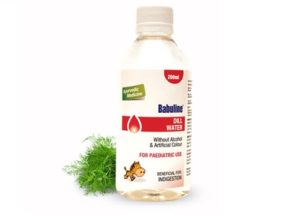
A natural remedy for colic is easy to buy at the pharmacy or prepare at home. The difference between home and pharmacy water is insignificant: the remedy from the pharmacy is a little more concentrated, it has a faster effect. The price per package is 100-150 rubles. The classic form of release is drops or filter bags. Their contents will need to be diluted with water in the proportions indicated in the instructions.
Granulated water is not recommended for newborns as it contains sugar and other additives. A pharmacy with a prescription department can make the necessary composition with you. If you decide to cook dill water yourself, here are a few recipes.
Cooking recipes
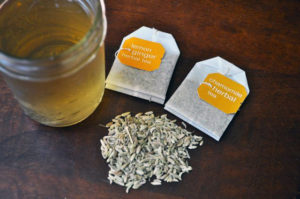
Regardless of the recipe, it is necessary to adhere to the general rules: work only with boiled dishes, observe hygiene rules, brew raw materials with purified water, buy pharmacy seeds - they are guaranteed to be free of harmful substances. Before brewing, you need to dry the seeds, grind them with a blender or coffee grinder. The ground seeds are not boiled, but insisted in hot water or kept in a water bath.
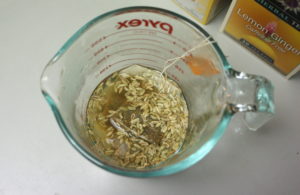
- The first recipe. Pour boiling water over a teaspoon of fennel seeds, let it brew for 40 minutes. Then strain, put to cool. The optimum temperature is approximately 36 degrees. You can use a longer version of the recipe: hold the solution in a water bath for 20 minutes, then leave for an hour.
- The second recipe. Take 0.05 g of fennel oil, dissolve in a liter of water, do not heat. The medicine is ready for use.
- The third recipe. Pour a teaspoon of dill seeds with a glass of hot water. Insist for two hours, drain and cool.
- The fourth recipe. Brew dill tea: pour a tablespoon of fresh chopped dill greens with 100 ml of water. Insist an hour, strain. It should be noted that recipes where fennel is replaced by dill are less effective.
Storage of ready-made infusion
Homemade broth is stored in glass containers in the refrigerator, away from the door. There it is reliably protected from temperature changes and direct sunlight. Before serving the baby, the drug is heated to room temperature. The shelf life of dill water is a day. A solution based on fennel essential oil retains its beneficial properties for a month. The shelf life of pharmaceutical preparations is 3 years. For children until they reach one month of age, the remnants of home water are not stored - a fresh infusion is prepared each time.
Dill water can greatly facilitate the life of a child and his parents, if you follow all the recommendations for use. It has many beneficial properties, but it is not a panacea. Parents must remember that the cause of the baby's discomfort can be not colic, but indigestion, constipation and other digestive disorders. In such situations, dill water is useless.