
Diet for colic in newborns: nutrition for a nursing mother
Colic in a newborn - a common and unpleasant phenomenon. In the first weeks of life, the child's body is sensitive to various changes in the nutrition of the nurse. Discomfort sometimes manifests itself as early as 2 weeks of a baby's life and lasts up to 4 months. Colic brings a lot of inconvenience to both the child and the young mother. To prevent the appearance of pain, it is required to identify the causes of their appearance, to take measures to get rid of the malaise.
Tummy pains are caused by the immature flora of the infant's gastrointestinal tract, because the newborn's digestive system is sterile and is just learning to produce enzymes. The reason for the increased gas formation in the baby is the frequent non-compliance with the diet and irregular nutrition of the young mother.
Symptoms of discomfort are typical: a few minutes after eating, the baby begins to cry or scream loudly, clench his arms into fists, squeeze his legs to the tummy. With colic, the baby becomes tense, irritable and moody. It is difficult for mom to calm down the baby, and breastfeeding is not possible - the child simply does not take it.
Content
- 1 How to get rid of colic in a baby with a diet?
-
2 Diet for colic
- 2.1 Allowed Products
- 2.2 Banned products
- 3 Recommendations for the introduction of new products
- 4 The diet of a young mother
- 5 Useful tips for making menus
How to get rid of colic in a baby with a diet?
The composition of breast milk directly depends on the diet of a young mother. A lactating woman is supposed to follow the conditions of a strict diet and diet. It is recommended to create a menu of healthy and easily digestible dishes. An infant may react sharply to a food introduced into the diet.

To understand the reaction of the child's body to a new type of food, you will need to carefully observe the baby throughout the day. The new product can cause allergic attacks, colic and stool disorders. If such symptoms appear, it is recommended to immediately exclude the new dish from the mother's diet. Try to reintroduce it after 2 weeks, carefully monitoring the subsequent reaction of the child's body.
Diet for colic
If during pregnancy mom adhered to proper nutrition, after childbirth she should treat her diet with increased attention. Nutrition during the lactation period is very different from prenatal nutrition. Feeding a baby with milk is an important and crucial moment in the development of a baby. It is in the first months of a baby's life that immunity, gastrointestinal flora and other processes responsible for the health of a growing organism are formed.
It is important for mom to remember that the content of calories consumed per day should not exceed 3000, and it is necessary to adhere to the drinking regime (no more than 2 liters of liquid per day). The diet of a nursing mother consists of a list of recommended and prohibited foods and dietary rules, because everything that the mother eats or drinks ends up in milk.
Allowed Products
- Vegetables. They guarantee the supply of vitamins and minerals necessary for important processes in the functioning of the body. Before eating, vegetables must be thoroughly washed and thermally processed (baked in the oven, stewed or boiled).
- Fruits. It is preferable to use fruits of white and green flowers. It is advisable to bake the apples in the oven and eat them without a peel.

- Lean meats. It is a necessary product in the diet of a nursing mother. Give preference to dietary meat - turkey, rabbit, veal. It is better to boil it, steam it or stew it with vegetables. It is not recommended to bake and fry.
- Dairy products. During the lactation period, it is worth refraining from drinking milk, replacing it with fermented milk products. The presence of homemade kefir, yogurt, cottage cheese and yogurt in the mother's diet will provide the baby with the necessary spectrum of lactic acid bacteria.
- Cereals. Cooking and consuming cereals is a prerequisite in the diet of a nursing mother. Substances transmitted in breast milk affect the development of the baby's intestinal flora and help prevent constipation. For the first months of the diet, oatmeal and buckwheat porridge cooked in water are recommended (milk provokes an increase in flatulence and subsequent colic in the baby). Rice grits can cause constipation in a child.
- The bread should not be fresh, it is better to eat yesterday's. Bran croutons are perfect.
- Fats. A small amount of butter and vegetable oil should be added to food daily. Other fats and oils are excluded from the diet.
- Eggs. Instead of chicken, it is better to use quail. They are boiled and omelets are made.
- The drinks. Correct fluid intake is a key consideration in any diet. To prevent the child from developing colic, the mother is supposed to drink weak sweet black or green tea, diluted fruit and vegetable juices, compotes, fruit drinks. In the fight against colic, infusions of dill and fennel have proven themselves well.
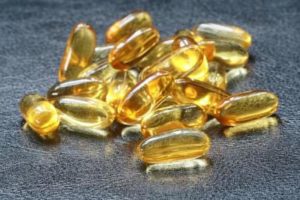
- Fish oil is simply irreplaceable in the diet of a young mother. Many useful vitamins will have a beneficial effect not only on maternal, but also on children's well-being.
- Honey. This product must be consumed with great care due to its allergenicity.
Banned products
A nursing mother should not eat foods that provoke severe colic attacks:
- Pastries and chocolate products;
- Whole milk;
- Citrus;
- Canned food;
- Strong tea, coffee and cocoa;
- Carbonated drinks and mineral water with gas;
- Hot sauces, ketchup, mustard, mayonnaise;
- Garlic, pepper;
- Fatty meat cooked over a fire;
- Smoked products;
- Lard (in any form);
- Pickles;
- Smoked, dried and spicy salted fish.
An increase in flatulence is provoked by all types of cabbage and legumes (beans, peas, lentils).
It is important to remember that a strict diet is required in the early days of the postpartum period. After the second week of the child's life, it is allowed to introduce new products one at a time.
Recommendations for the introduction of new products
For the maturation of the intestinal microflora in a child, it is important for a mother to know the correct introduction of new products for months after childbirth.
- In the first month, the consumption of animal meat is limited. For the normalization of the liver and kidneys of the baby, the elements contained in poultry and fish are perfect. Whole grain cereals and dairy products are welcome in the mother's diet. Fruit - green and white apples.
- In the second month, baked pumpkin, bell peppers, carrots, durum wheat pasta, boiled beef, veal, and rabbit are introduced.
- In the period from the third to the sixth month, freshly squeezed vegetable and fruit juices, eggs and honey diluted with water are allowed.
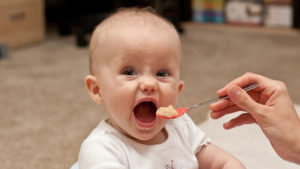
All new products are introduced one at a time and gradually. The reaction of the crumbs to unsuitable products is visible after 5-6 hours.
The diet of a young mother
In addition to restrictions on products and the preparation of a recommended menu, it is required to follow simple rules when eating:
- Eat in small portions;
- Adhere to fractional meals (5-6 times a day);
- Take food 1 hour before feeding the baby;
- Introducing a new product into the diet, monitor the condition of the child in order to exclude the manifestation of an allergic reaction and colic in the baby.
A nursing mother must follow a strict diet with restrictions on certain types of foods. At the same time, fasting is categorically contraindicated!
Useful tips for making menus
In order for a young mother to optimize her own diet and plan a dietary menu, it is recommended to keep a food diary. To help in compiling a list of dishes, we suggest using the information from the table.
| Breakfast | 2 breakfast | dinner | afternoon tea | dinner | |
| day 1 | oatmeal dried fruit compote baked apple |
Cottage cheese lactation tea |
chicken broth with croutons boiled fish steamed vegetables |
a glass of yogurt biscuit biscuit |
boiled chicken baked potato kefir |
| day 2 | buckwheat porridge on the water weak tea with honey biscuit biscuit |
boiled vegetables homemade yogurt |
vegetable soup boiled chicken breast compote |
tea with honey crackers |
baked fish boiled potatoes with butter tea |
| day 3 | hominy curdled milk |
omelette tea |
fish soup oven baked vegetables lactation tea |
baked apple kefir |
cheese casserole curdled milk biscuit biscuit |
Thanks to these approximate data, a young mother will easily be able to compose exactly the menu that suits her and the child as much as possible, and will also be able to track the changes and the baby's reaction to the newly introduced products.
Scientists have proven that colic is not a disease, but a natural reaction of a developing child's body to changes in nutrition. There are no effective medications for colic. Moreover, any substances artificially introduced into the child's body "inhibit" the natural development of the necessary enzymes. The mother's breast milk contains the necessary bifidobacteria and lactobacilli, and their concentration directly depends on the dietary recommendations followed by the mother. Correctly adjusted diet will relieve the baby from colic and help mom to keep breastfeeding as long as possible.