
Heartburn and stomach pain: reasons for what to do
Heartburn and stomach pain are a signal from the body about a short-term or permanent dysfunction of the organs responsible for digesting food. If the occurrence of unpleasant sensations is observed only a few times a year, pain syndrome and heartburn quickly pass without the use of drugs - you can ignore this.
It is worth sounding the alarm and going to a gastroenterologist for a consultation if symptoms appear after eating. It should be noted: after taking what products the sensations appeared.
After heartburn, an uncomfortable state remains in the esophagus and throat.
Content
- 1 Symptoms
- 2 Causes
-
3 Diseases
- 3.1 Gastritis
- 3.2 Stomach and duodenal ulcer
- 3.3 Duodenitis
- 3.4 Gastroesophageal reflux disease
- 3.5 Digestion problems
- 3.6 Cholecystitis
- 3.7 Other reasons
- 4 Quick relief for discomfort
- 5 Drug treatment
Symptoms
As a rule, not only heartburn torments the patient, but also nausea, vomiting and many other symptoms:
- The patient has a constant feeling that the stomach is full. Even if a little was eaten before or the food was long ago.
- A burning sensation in the esophagus and throat. The presence in the menu of fried, smoked, sour and fatty foods. The consumption of sausage, chocolate, sweets creates the prerequisites for the occurrence of heartburn.
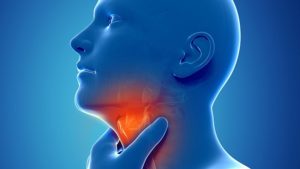
- The appearance of aching, sharp and dull pain. The main localization is in the upper abdominal region between the abdomen and the thoracic region.
- Belching, gagging, excessive flatulence.
- Bad taste in the mouth.
Causes
The factor due to which heartburn begins to appear in the chest region is in the lower part of the esophagus. Located on the border between the stomach and the esophagus, it is responsible for passing food from the second to the first organ. If the muscle tone of the valve is weakened, then the contents of the stomach are thrown into the food-carrying channel. But along with food, gastric juice also passes, irritating the mucous membrane of the esophagus and causing heartburn.
Factors leading to sphincter dysfunction:
- The acidity of the stomach exceeds the permissible limits.
- Food is consumed: fried, spicy, sour, smoked. Eating foods with a high acid content: sorrel, citrus fruits, apples, plums.
- There is no diet. Snacks on the run, dry food. The absence of food for a long time can cause an unpleasant burning sensation.
- Overweight.
- The period of gestation when there are changes in the hormonal background of a woman.
- More alcohol and tobacco consumed.
- Taking medications. Medicines related to antibiotics.

- Thermal burn of the mucous membrane. The consumption of hot food causes dysfunction of the upper digestive system.
- Eating more food than the stomach and intestines can digest. Eating at night is to create conditions for the occurrence of heartburn.
- Sports activities, gravity - immediately after the meal.
- Clothes that are too tight, tightening the belly. The patency of the food lump is impaired, the likelihood of squeezing food back into the stomach and into the esophagus increases.
Symptoms cannot be ignored, since this may be a signal from the system about internal malfunctions in the digestive organs. Heartburn, accompanied by pain in the upper abdomen, requires examination by a gastroenterologist. In the future, you may need consulting services of other narrow specialists: an infectious disease specialist, a toxicologist, an oncologist.
Diseases
Internal causes affecting the appearance of burning and pain in the stomach and esophagus are associated with indicators of the level of acidity in the organs. Often, an increased level of acid content is the factor that irritates the mucous membrane. Acid levels will increase due to the following diseases.
Gastritis
Disruption of the gastric mucosa as a result of infection or other factors. Gastritis can be acute or chronic. The disease can occur for a number of reasons:
- Heredity. If there are a large number of those affected by the disease in the ancestral line, then it is likely that the patient also has a reduced immune system in relation to the disease.
- Bad habits. One of the main scourges of modern society. Alcohol and smoking abuse leads to intoxication of the body, which means that the resistance to infections is significantly reduced.
- Improper nutrition. Snack on the run, dry food, fast food - all this makes the digestive system work in emergency mode, which also does not contribute to its health.

- Stress. The stomach and intestines are very sensitive to the surge of emotions. This leads to the secretion of more gastric juice.
- Infection. The presence of hostile bacteria Helicobacter pylori in the organs always becomes the cause of the disease.
In a patient with gastritis, the pain syndrome is sharp and aching, there is severity and bloating is observed. Vomiting, irregular bowel movements appear. For the treatment of the disease, drugs are used that can not only relieve pain, but also have enveloping properties. A diet is mandatory.
Stomach and duodenal ulcer
The occurrence of gastric ulcer and 12 duodenal ulcer is possible against the background of an existing gastritis or independently. In the organs, areas with a disturbed mucous membrane and an inflammatory process on the wall appear. The ulcers do not heal and constantly provoke discomfort. Gastric juice also contributes to the prolonged erosion of living tissue in the lesion. As a result, minor bleeding may open.
The reasons causing the appearance of an ulcer:
- Eating disorder. In this case, the ulcer can be a complication after gastritis.
- Helicobacter pylori. If there is no treatment, then a hostile microorganism reaches the wall and contributes to the necrosis of organ tissues and the occurrence of an ulcer.
- Alcohol. Taking large doses of alcoholic beverages leads to organ poisoning, provoking the early occurrence of affected areas on the mucous membrane.
- Uncontrolled intake of medications contributes to the destruction of the protective layer in the organs.
- Chemical burns.
Peptic ulcer disease is characterized by the occurrence of malaise on an empty stomach. The pain is especially severe at night. The patient's appetite is constantly growing.
Another symptom accompanying gastric ulcer and duodenal ulcer:
- Eructations with a sour taste.
- Nausea.
- Diarrhea or constipation.
Duodenitis
A disease associated with a disorder of the duodenum as a result of the destruction of its mucous membrane. It mainly manifests itself after eating, at night. Localization of pain discomfort - in the upper abdomen "under the pit".
Duodenitis is also manifested by other symptoms:
- Vomit. Bile may be present.
- Belching, burning.
- Feeling overfull.
- Decreased appetite and weight loss.
- Constipation.
- Increased body temperature.
- Weakness.
Factors provoking the onset of the disease:
- Disorder in bowel development.
- Poisoning: food, medicine, chemical.
- Excessive consumption of spicy foods.
- Alcohol.
- Helicobacter pylori.
Treat heartburn need stationary. The course of therapy and the necessary medicine are prescribed by the doctor, it all depends on the individual indicators of the disease.
Gastroesophageal reflux disease
GERD is a disease that occurs against the background of a disorder in the process of digesting food. In this case, there is a regularly repeated release of food residues and gastric secretions from the stomach into the esophagus canal. As a result, the walls of the latter are irritated. There is a feeling of fullness, burning. It appears heartburn and belching.
Most often, gastroesophageal reflux disease is diagnosed in people prone to obesity, working in harmful work associated with severity, in pregnant women.
The disease can be accompanied by the appearance of shortness of breath, a feeling of dryness in the throat, a change in voice, a persistent cough that is not associated with an infection.
Digestion problems
Dyspepsia is the appearance of many symptoms in the absence of clear indicators of disease. In this case, therapy consists in removing the symptoms.
What manifests itself with an ailment:
- Chronic constipation.
- Rapid satiety, feeling of excess filling of the stomach.
- Diarrhea that occurs frequently, but for no apparent reason.
- Flatulence.
- Heartburn and belching.
- The occurrence of abdominal pain.
Dyspepsia can indicate the initial stage of gastritis or peptic ulcer disease, or it can signal a plentiful meal.
Cholecystitis
The gallbladder is also susceptible to damage. Cholecystitis is a disease that speaks of the appearance of an inflammatory process inside an organ. The person complains of pain and an unpleasant burning sensation. The disease occurs against the background of obstruction of the exit of bile from the bladder. The passages can become clogged as a result of gallstone disease. The pain that manifests itself during this period is paroxysmal, dull in nature. Localization of pain symptoms occurs in the right area of the hypochondrium, with a return to the stomach. The period of exacerbation can be traced by the color of urine and feces.
The therapy is as follows: the doctor prescribes choleretic drugs, antibiotics, antispasmodic drugs. The lack of a result of drug treatment is corrected by surgery.

Other reasons
Not only serious illnesses cause a burning sensation and an unpleasant feeling in the patient's stomach:
- The period of bearing the fetus. A sharp change in the hormonal background that occurs after the fixation of the egg in the uterus leads to a disorder of the digestive system, as well as to the occurrence of a burning sensation and pain.
- Operation. Surgical intervention in the stomach area provokes a temporary disruption in the functioning of organs.
- Overweight. Excess weight does not appear during normal functioning of the gastrointestinal tract.
With pain and burning sensation in the stomach therapy is carried out depending on the severity of the manifestation of symptoms and the results of diagnosis.
Quick relief for discomfort
What should be done if the burning sensation appears suddenly? Baking soda is considered a good home remedy. A teaspoon of the product is diluted in a glass of water. Drink a solution at room temperature. This method helps, but only temporarily. After 30 minutes, the action ends and the symptoms may return even more intense. If the patient has a peptic ulcer, then the use of soda is strictly prohibited - in most cases, bleeding opens!
Facilitates the condition of potatoes. Its juice perfectly relieves irritation, has an enveloping effect.
Milk is also suitable for neutralizing stomach acid. But it cannot be taken in large doses for people suffering from gastrointestinal diseases.
Fennel seeds are a great remedy. The infusion is used for periodic, but often recurring attacks of heartburn. Water 1 liter and 1 tbsp. l. seeds. The water should be boiled and hot. The mixture is infused for 20 minutes. Take 1 glass at the first signs of burning. For prevention, drink one or two glasses a day.
Sharp pain attacks are removed with drugs with antispasmodic action No-shpa or Spazmalgon.
Lack of response to home methods indicates the need to see a doctor. You may need urgent hospitalization and surgery.
Drug treatment
Medicines are divided into groups depending on their effect on the stomach:
- Antacids. Hydrochloric acid is neutralized. Phosphalugel, Rennie.
- Medicines aimed at reducing the production of acid entering the body. Omeprazole, Omez, Gastrozole.
- Reduces the production of gastric acid and affects the amount of acid produced. Gistak, Zantak.
- Drugs that stimulate the motor activity of the gastrointestinal tract. Motilium, Domperidone.


