Lack of appetite during pregnancy: causes, danger, help
Eating oddities during pregnancy are not uncommon. Overeating often occurs in pregnant women, leading to excess weight. But it is not uncommon for a woman to suffer from loss of appetite during pregnancy. Complaints about the lack of hunger are not as harmless as it seems at first glance, it is definitely not worth rejoicing in the situation. The symptom causes complications if the disorder is not addressed.
Content
- 1 Causes
- 2 Why is fasting dangerous?
- 3 How to fight?
- 4 How to reduce feelings of nausea
Causes
During the birth of a new life, carrying a little man, the body of the expectant mother experiences serious psychological and physiological stress. For this reason, an increase or decrease in appetite may occur. It is important to understand the reasons for these difficulties.
Possible causes of loss of appetite:
- Toxicosis is the most obvious factor in appetite disorders. It can occur both in the early stages and in the second trimester. Constant nausea suppresses hunger.
- Lack of folic acid - vitamin B9, which is involved in building the child's circulatory and immune systems. Deficiency leads to violations of the fetal neural tube, and the mother's appetite disappears.

- Emotional factor - stress, psychological stress, depression, restless sleep can cause poor appetite. The woman begins to starve due to a sense of guilt, as the day before she went too far with carbohydrate foods and put on weight, which the doctor reprimanded her for. In such cases, it is important to stop reproaching yourself, it is enough to exclude flour and sweets so that the weight decreases without harming the baby's health.
- The hormonal surge is especially characteristic of the second trimester, when the placenta produces the hormone progesterone, which can suppress hunger. Its concentration rises almost fivefold.
- In the third trimester, the cause is the pressure of the uterus on the stomach. The volume of the uterus grows as the baby grows and develops, this leads to pressure on the stomach, as a result, to a decrease in feelings and hunger.
- Constipation often leads to a feeling of fullness in the stomach and poor appetite.
- Exacerbation of chronic diseases of the intestines, kidneys, liver. Various types of inflammation caused by bacterial, viral, infectious diseases.
- Fatigue, lack of sleep.
- Drinking alcohol, smoking tobacco.
- When you reach 36 weeks pregnant, your appetite may disappear due to the approach of labor. The body gets rid of all that is superfluous, prepares for childbirth, without wasting energy on the digestion of food.
There are many reasons, they are varied, you need to regularly visit a gynecologist, undergo a hardware examination on time, inform the doctor about all disturbing symptoms in order to eliminate the cause of the impaired appetite in time and prevent the occurrence pathologies.

Why is fasting dangerous?
An insufficient amount of food threatens the health of the expectant mother and her baby, leads to a lack of essential trace elements and vitamins that can enter the body exclusively from the outside.
The consequences of rare meals are:
- A decrease in the normal level of iron in the blood leads to weakness, apathy, brittle nails, hair, dryness, and peeling of the skin. Lack of treatment threatens premature birth or missed pregnancy.
- Calcium deficiency is dangerous for the development of osteoporosis, has a negative effect on the development of the bone tissue of the unborn child and the condition of the mother's teeth.
- Recurrent fainting due to low blood glucose.
- Violations of the central nervous system, internal organs of the child.
- Critical weight loss is also a threat to your baby's health.
How to fight?
What to do if you notice a loss of appetite during pregnancy:
- Don't panic! This often becomes quite normal and easily reparable.
- Try lowering your portions and increasing your meals to 5-6 meals a day.
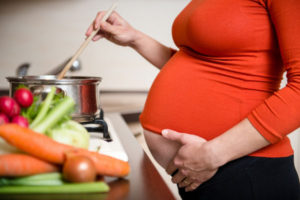
- If the situation occurs in the second trimester, drink 8-10 glasses of water daily.
- Avoid fatty, sugary, high-calorie foods. They are difficult to digest and harm the body. Avoid drinking carbonated drinks, coffee to eliminate intestinal irritation. Instead, eat more green vegetables, high protein foods.
- Diversify your menu. Include more fruits, vegetables, herbs in your diet.
- Take prenatal vitamin complexes after consulting your doctor. They will help the body absorb more nutrients. Check with your gynecologist for the correct dosage of folic acid. In addition to pills, folic acid is found in kale, spinach, asparagus, broccoli, green lettuce, peas, lentils, beans - include these foods in your diet in large quantities.
- Bake cinnamon baked goods or go to pastry shops more often, the aroma will increase salivation and revive your interest in food.
- Eat with company.
- Add spices to your food. They increase appetite.
- Eat lean stews more often - beef, turkey, chicken. Choose vegetables as a side dish for meat.
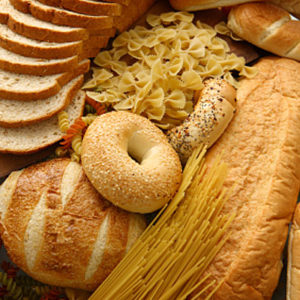
- To avoid weight loss, include in the menu slow carbohydrates - cereals, durum pasta, various types of cereals, vegetables.
- Fermented milk products will help to replenish the amount of calcium. Cottage cheese, kefir, fermented baked milk, sour cream, cheese, natural yogurt will help in strengthening bone tissue and in the process of forming the skeleton of your child.
- Instead of cakes and sweets, eat homemade casseroles, jelly made from fresh berries and fruits for dessert.
- Replenish your iron deficiency with a couple of apples a day or a daily serving of buckwheat.
- Make a meal plan and stick to it.
- Add more activity to your life - do yoga, pilates, fitness for pregnant women, swimming, more walking in the fresh air.
- Relaxation is especially important for pregnant women, try to get more rest and sleep at least 8 hours a day. Avoid excessive physical and emotional stress.
- Warm shades of colors - red, yellow, orange - help to whet the appetite. Eat in these shades of cookware. Set the table, set it beautifully, sit down with makeup, hair. These tricks can help whet your appetite and make your meal more enjoyable.
- Cook and buy food yourself, during the process appetite often wakes up.
- Appetite can be awakened by brewer's yeast and herbal teas. You can only resort to these funds with the permission of your doctor.
How to reduce feelings of nausea
- With toxicosis, eat liquid cereals, soups. Drink natural juices.
- Do not force yourself to forcefully eat in the morning. If the food is disgusting, put off breakfast for a little while.
- In many cases, ginger, mint tea helps.
- Breathe in the scent of sliced lemon or place a slice under your tongue.
- Add lemon juice, sliced orange to chilled still mineral water and take a few sips if nausea occurs.
- Drink sour berry fruit drinks - cranberry, lingonberry, they will help awaken appetite and remove vomiting.
- In the case of severe toxicosis, with vomiting more than three times a day, urgent treatment is necessary, hospitalization may be required to install droppers with vitamin solutions.
Remember that you are responsible for the health of your baby. Only you can give him the healthy food he needs. All of the above methods will not help if lack of appetite not caused by pathology or disease. If you have lost your appetite irrevocably, and you continue to be malnourished for a long period, consult a doctor immediately. Proper and nutritious nutrition is extremely important, and weight loss is dangerous for a woman and her unborn child.