Poor appetite in a child: reasons for what to do
One can perceive in different ways the fact of a child's malnutrition of food on a plate. Modern parents are trying to adequately respond to this situation, but grandmothers have a different opinion. It is believed that the child is hungry, he lacks nutrients, the child must eat everything. There are no established nutritional standards, recommendations are highlighted. A separate baby is a separate metabolic period, respectively, a different need for incoming food.
Toddlers (1-2 years old): meals should be served 4 times a day: breakfast, lunch, afternoon snack and dinner after sleep. Older children (3-7 years old): nutrition should provide vitamins and nutrients to prepare the body for sharply increasing mental and physical stress. The calories contained in food must be in sufficient quantity to support all processes. At 3 years old, 1540 kcal is enough, and at 7 years the figure increases to 2350 kcal.
It is wrong to assume that a child has a poor appetite and is malnourished based on his weight. There is no relationship between the two factors. If the baby is gaining weight normally, he has a harmonious development, active communication and games take place, regularly goes to the toilet - there is enough food, there is no need to increase his appetite.
Loss of appetite can occur for various reasons - not related to diseases or indicative of a dysfunction of the baby's internal organs.
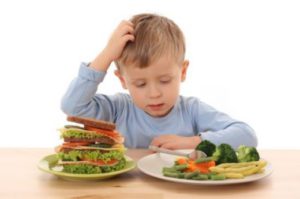
Loss of appetite can lead to complications:
- With a decrease in hunger, body weight decreases to a critical level - cachexia. With an increased sense of hunger, obesity develops.
- Inadequate intake of nutrients leads to cracks in the skin. Excessive food intake causes scarring in places where the skin is stretched in obesity.
- The function of the body is reduced.
- Decreased appetite leads to dysfunction of internal organs due to lack of adequate nutrition.
- The processes of growth and development of the child are disrupted, mental activity decreases, memory deteriorates.
- Uncomfortable psychological nature, sleep disturbance.
Content
-
1 Health reasons
- 1.1 Mouth pain
- 1.2 It's difficult to breathe
- 1.3 Food intolerances
- 1.4 General physical ailment
- 1.5 Violation of the diet
-
2 Reasons associated with whim
- 2.1 I eat what I want
- 2.2 Snack
- 2.3 Individual development
- 2.4 Loads
- 2.5 Eating by force
-
3 Treatment methods
- 3.1 Drug treatment
- 3.2 Natural remedies
- 4 Prophylaxis
Health reasons
Unwillingness to eat in a baby arises when they feel unwell, then all the attention of the parents and the doctor is directed to eliminating the source of poor health.
Mouth pain
The kid refuses to eat and is capricious due to painful sensations in the mouth. Stomatitis causes small ulcers to appear on the oral mucosa, which prevent food from being chewed normally. A sore tooth or sore gums will interfere with normal food processing. Sore throat when swallowing will lead to refusal to eat.
It's difficult to breathe
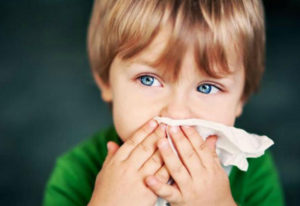
Colds in children are often accompanied by the formation of snot. The child breathes through his mouth, eating is problematic. Every adult has come across a clogged nose and knows that in such a situation, the appetite disappears completely.
Food intolerances
In this situation, we are not talking about allergic reactions of the child's body, but rather about the baby's breast period (0-6 months). Introducing new foods into the diet is always a strain on the digestive system. Intolerance to one of the introduced products can lead to refusal to eat.
In older children, appetite disappears at the sight of jelly, semolina, etc. An attempt to feed a child with unpleasant food leads to gag reflexes and moods.
General physical ailment
Colds and infectious diseases in an adult cause loss of appetite, even more so in a child. The virus and fever, the baby does not eat - it is important for the body to fight the infection, and not to digest food. An attempt to feed a forcibly sick child will lead to a deterioration in his physical and moral condition.
After an illness, the child's body is weakened, a reduced appetite is a normal phenomenon.
Violation of the diet
This often becomes the reason for refusal to eat.
Reasons associated with whim
The above causes are easily diagnosed and resolved. But the child is healthy, there is no pain, but he eats badly or demands something tasty. These are already whims.
Consider the advice of Dr. Komarovsky on impaired appetite in the younger generation.

I eat what I want
The trouble is upbringing. The child demanded candy instead of tasteless porridge and his desire was satisfied, then the situation repeats. This is called selective appetite, it has nothing to do with a healthy appeal to eat.
To restore the correct behavior of the baby, it is enough to adhere to strict rules of food intake. He does not want to eat porridge, which means that breakfast is over, and the baby must wait for lunch, for lunch he did not eat soup - the next meal will be at dinner. Important: no snacks are provided between meals, avoid talking about food.
If adults believe that in such a regime the child's body will remain hungry, they are mistaken. The human body is designed in such a way that it can endure a long hunger strike. During this time, the child will develop nutritional skills.
Snack
An unjustified decrease in hunger is associated with snacks between meals. The kid did not eat lunch, an hour later he gets a sandwich, ran around and found a sweet drink. The hour of lunch comes, the appetite has disappeared.
Returning home, in the absence of parents, the student eats a large piece of sausage, and the proposed bowl of soup remains untouched. Parents advice: do not give children the opportunity to snack.
In a teenager, the frequency of snacking increases many times. It is difficult to correct the understanding of food that was not formed before the age of 16 in adulthood.
Individual development
The needs of an individual baby are individual. One runs, jumps, restless - at the same time thin, no matter how much he ate. The other is quiet, calm, moves a little, while plump and eats little. The measure of the compliance of nutrition with the needs of a child is not the amount of food consumed, but the quality and level of development of his growth, mental qualities.
In this case, the advice of Dr. Komarovsky will come in handy: if the child eats little, but at the same time is mobile, active and develops correctly, the only ones in need of treatment are the parents of the baby.
Loads
The younger generation engaged in sports and active physical activity do not complain about lack of appetite. The child's body is a solid lump of energy, designed to be spent. While spending, you need to replenish energy reserves and there is an increase in the desire to eat.
Eating by force
Forcing an adult to eat the unloved or the excess will lead to rejection and resistance. So is the child: having fed up with half of the portion, the second - eats through force. Parents, trying to feed the child, go to tricks, persuasion.
Food that is not voluntarily ingested is difficult to digest and undergoes incomplete assimilation. In this case, the functioning of the digestive system is disrupted, diseases develop.
Treatment methods
Parents often wonder what to do to increase their children's appetite. The situation associated with a child's whim or incorrect parenting by adults is solved at the level of pedagogy and psychology. Moreover, both the baby and the parents are exposed to the effects.
More serious is the issue of loss of appetite due to illness.
Drug treatment
Any medications should be taken as directed and under the supervision of a doctor, in particular a pediatrician. The child's body reacts differently to medications.
More often, in order to increase appetite, doctors advise homeopathic complexes with magnesium salts and calcium salts.
Among the medications that work to increase the desire to eat, they offer:
- Elkar is a vitamin that normalizes the work of the stomach, participates in the digestion of food and in metabolism.
- Lysine is an amino acid necessary for growth, production of homones, antibodies, and other enzymes.
- Glycine is an amino acid that reduces stress, aggressiveness, improves alertness, and reduces the desire to eat sweets.
The pharmaceutical industry produces vitamins to increase the appetite of children. The pediatrician prescribes a medicine or a mixture of medicines for the best treatment effect, based on the characteristics of the child's body.
If there is no desire to give the child chemical agents, it is permissible to replace it with berries: lingonberries, strawberries, raspberries, etc. Food must be fresh and ripe.
In infants, medications do not increase their appetite. The baby's body is able to determine the amount of necessary nutrients. The baby's refusal to eat is caused by inappropriate foods in breast milk. Having found out which ingredient is not suitable, the mother must exclude it from the diet and replace it with another.
The first complementary food also carries the risk of decreased appetite. Possibly incorrectly selected menu. Try another ingredient and see the reaction. Then continue to add new food and switch to full food.
Natural remedies
Nature comes to the aid of parents in the struggle to increase the appetite of their children. The body's receptors are activated, which are responsible for the feeling of hunger with the help of a cherry, some raspberries, carrots, a piece of apple - half an hour before the main meal.
Possess stimulating properties:
- Chokeberry - rich in vitamins and minerals, sugar and organic acids. Helps the entire gastrointestinal tract work, removes toxins from the body and improves immunity.
- Strawberries are the main source of minerals for a child's body. Helps to cope with colds, improves digestion, increases appetite.
- Black currant, kiwi, citrus, etc.
Prophylaxis
To prevent a decrease in appetite, preventive measures are taken. Frequent walks (fresh air helps to "fatten" the feeling of hunger), as well as physical activity, the main thing is to choose the right set of exercises to increase the appetite of children.
Preventive actions in case of already disrupted work of the digestive system or dysfunction of other organs that affect appetite. The resulting disease requires full and adequate treatment. Methods of dealing with the difficulties that have arisen are prescribed by the pediatrician after the examination and identification of the source of dysfunction.