Pain in the middle of the abdomen: reasons for what to do
The discomfort that occurs in the abdomen indicates a malfunction in the work of internal organs. How serious the disorders are is evidenced by the intensity of the pain syndrome and the appearance of other symptoms.
Causes of painful symptoms:
- Colic caused by flatulence.
- Diseases of different parts of the intestine.
- Oncological diseases.
- Mechanical damage.
- The organ is malfunctioning due to infection.
- Acute and chronic forms of pancreatitis.
- Hernia.
- Dysfunction of the blood vessels supplying organs in the abdominal cavity.
- Peritonitis.
Not only a set of direct symptoms causes discomfort, many diseases can be given to the middle abdomen and create discomfort under the abdomen: renal colic, urolithiasis, female reproductive system, appendicitis.
With urolithiasis, the danger is created by the deposits inside the organ. The stone, moving along the ureter, blocks the lumen, which causes spasm, painful urination.
Stone disease affects the filtering organ in the human body - the kidneys. The kidney, in which calcium deposits are formed, is not able to fully perform its functions.
Content
-
1 Diseases of the digestive system
- 1.1 Enteritis
- 1.2 Peptic ulcer
- 1.3 Pancreatitis
- 1.4 Intestinal obstruction
-
2 Diseases of the cardiovascular system
- 2.1 Abdominal aortic aneurysm
- 2.2 Intestinal vascular thrombosis
- 2.3 Embolism
- 2.4 Abdominal myocardial infarction
- 3 Oncology
- 4 Injury to the abdomen
- 5 Which specialist to contact
- 6 First aid
Diseases of the digestive system
This is the most common problem people go to the hospital with pain in the middle of the abdomen. The cause is various disorders caused by infections, poisoning, bacteria.
Enteritis
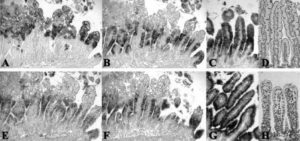
This is not one, but several diseases affecting the intestines, or rather the duodenum, ileum and jejunum. Enteritis includes duodenitis, jejunit, ileitis. Distinguishes between acute and chronic forms of the disease. They differ in the symptomatology of the course of the disease.
The acute form has a characteristic feature:
- Frequent bowel movements, liquid feces, the process is repeated more than 10 times per day.
- In the oral cavity, a white bloom is observed on the mucous membrane.
- Pain in the middle of the abdomen with a gradual narrowing of the painful area at the top, in the area of the solar plexus.
- Increased formation of gases in the intestines and the appearance of unpleasant sounds, rumbling.
- Nausea and vomiting mixed with bile.
- Increased body temperature.
Constant vomiting leads to dehydration, which in turn leads to cramps, dizziness and headaches. Blood clots form in the blood, heart rhythm is disturbed and shock occurs. The process lasts for 2 days, the absence of treatment leads to a worsening of the situation.
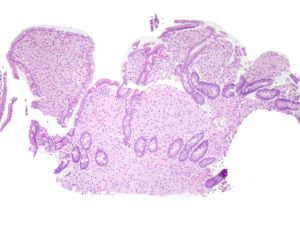
Disease enteritis
The chronic form of enteritis is not so difficult:
- Diarrhea accompanying every meal.
- Food is not completely digested and these particles are visible in the feces.
- In the center of the abdomen, in the navel, there is an aching pain.
- Increased gas production, intestinal distention.
- A white plaque is observed on the mucous membrane in the patient's oral cavity, on which teeth are imprinted.
- Lack of iron in the body and associated symptoms.
- Weakness.
- Lack of calcium leads to symptoms of osteoporosis.
- Decreases body weight with increased nutrition.
Peptic ulcer
Alcohol abuse, smoking, unhealthy diet, stress can lead to destruction of the gastric mucosa, with gradual involvement of the duodenal mucosa. With a prolonged inflammatory process in the digestive organs, wounds form on the walls - ulcers. The disease is accompanied by a pain syndrome in the middle of the abdomen, the upper section suffers, it gives to the back.
An ulcer of the stomach and duodenum causes the patient to complain of discomfort under the ribs, and the lower back is also involved. The disease can increase pain at night and be reflected in the duodenal part of the digestive tract.
Pancreatitis
A disease that affects the pancreas. It is very dangerous if the treatment is not carried out on time. The cause of pancreatitis:
- Alcohol abuse;
- Smoking;
- Overweight;
- Long-term use of drugs, antibiotics, hormonal drugs.
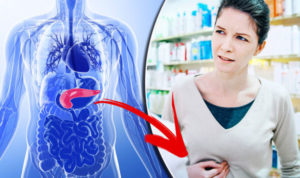
Disease pancreatitis
The pancreas produces enzymes necessary for digesting food, as well as pancreatic juice to neutralize acid from the stomach. During normal functioning of the organ, the secret enters the ducts and then into the small intestine, where the main process of digestion and absorption of useful elements begins. In the damaged gland, the release of enzymes and juice does not occur, or the contents are thrown from the intestines. Enzymes begin to work ahead of time and corrode the internal tissues of the organ, which leads to an inflammatory process. The cells of the gland, being destroyed, further stimulate the activity of the secretion, which leads to the defeat of an even larger area inside the abdominal cavity. Left untreated, pancreatitis is fatal.
Pain syndrome in pancreatitis is characterized as pulling, dull, can change to sharp, strong, acute. The source is felt between the edges.
Intestinal obstruction
Food, in the process of digestion, gradually moves along the channels of the digestive tract. If the intestine slows down motor activity, then a congestion occurs, food accumulates, and intestinal obstruction is formed. The reasons for the violation of peristalsis:
- Organ spasmodic reflex.
- The presence of parasites.
- Mechanical damage to the intestines as a result of impact or injury.
- Renal, bilious colic.
- Volvulus.
- Hernia.
- Adhesive disease.
Gastritis is capable of causing discomfort in the middle in the stomach area.
Diseases of the cardiovascular system
The patient complains that the stomach hurts, but no problems in the digestive system were found. This could be a symptom of an abdominal aortic aneurysm or another blood vessel disorder.
Abdominal aortic aneurysm
The vessel increases in size and threatens to rupture, followed by severe bleeding into the abdominal cavity. The patient feels a pulling, dull pain that occurs in periods. A symptom that immediately indicates the source of pain is a noticeable pulsating area in the peritoneum.
Intestinal vascular thrombosis
One or more blood clots form in the blood vessels supplying the intestines, which are located across the movement and block the flow of fluid. The result is oxygen starvation and tissue necrosis of the organ. The disease affects more often the elderly, but both men and women are affected. The causes of blood clots in blood vessels are found in diseases of the human cardiovascular system. There are sensations of pain radiating to the middle of the abdomen and to the ribs.
Embolism
Blockage of blood vessels by a particle - an embolus. It can be air, part of fat, a detached blood clot. Typically, emboli enter the bloodstream:
- As a result of a mechanical disorder (impact, fracture, injury).
- Heart surgery can also be a source of particles.
- Improper administration of the medication. The drug, intended for intramuscular administration, is introduced into a vein, and oily forms are formed.
- Varicose veins, atherosclerosis.
- A piercing wound can carry pieces of bone fragments from the rib into the bloodstream.
The pain in the abdomen reflects the embolism of the peripheral arteries. There is also pallor of the skin, cold hands and feet.

Abdominal myocardial infarction
Symptoms are similar to gastritis. The patient feels abdominal pain, nausea, urge to defecate. If in other diseases of the vessels their expansion occurs, then with an abdominal infarction, the blood artery narrows. Symptoms of the disease:
- Vomit;
- Nausea;
- It starts to hurt badly, acutely, it burns;
- Bloating, flatulence;
- Heart rhythm disorder;
- A sharp drop in blood pressure.
Medical statistics note that the main causes of cardiovascular diseases can be stressful conditions, heredity, impaired blood pressure, and trauma.
Oncology
Malignant tumors do not make themselves felt for a very long time. Symptoms will only appear when the disease has progressed to the last stage.
- The tumor compresses the nearby organs.
- Tissues die off.
- Bleeding appears.
- Penetration of a stomach ulcer or the appearance of holes in other internal organs.
The middle of the abdomen hurts due to cancer of the small or large intestine, as well as in the pancreas.
Along with these symptoms, other signs may appear:
- General weakness.
- Decrease in hemoglobin and red blood cells in the blood.
- A sharp decrease in body weight.
- Frequent bowel movements, with loose stools.
- Bloating.
The nature of the pain is dull and oppressive.
Injury to the abdomen
Damage to internal organs and muscle tissue can occur not only as a result of mechanical damage: bruises, blows, wounds. Contusions of internal organs are dangerous due to the possible absence of external signs. An examination is necessary to exclude internal bleeding and peritonitis. The pain may not appear or be aching, give between the ribs.
Excessive exercise can create pain in the center of the abdomen as a result of muscle strain.
The feeling of severe abdominal pain does not always signal the need for emergency assistance. At the same time, an almost imperceptible symptom can become a threat not only to health, but also to life.
Which specialist to contact
In the presence of any symptom, there is a need for consultation with a narrowly focused doctor:
- Therapist. The medical officer in charge of the initial examination of the patient. May help treat mild health conditions. If a deeper problem is found that requires qualified advice, the therapist refers the patient to the right specialist.
- Gastroenterologist. He specializes in the treatment of dysfunctions of the human digestive system caused by both physiological reasons and diseases.
- Surgeon. When medications and physical therapy fail, surgery is needed. This is what the surgeon does. There are a large number of pathologies that can be eliminated only through operations.
- Urologist. A highly specialized doctor. Deals with kidney and urinary system dysfunction in men and women. His field of activity includes: prostatitis, pyelonephritis, bladder stones, urolithiasis.
- Traumatologist. A specialist dealing with mechanical damage to internal organs, including abdominal injuries.
When contacting a health worker, you must indicate the following information: sensations, source of pain, what symptoms accompany.
The nervous system of the elderly and children can dull pain syndrome, so they need to be treated more carefully.
First aid
When a person has abrupt abdominal pains, the following actions must be taken:
- The patient must take a horizontal position;
- Put cold on the stomach;
- Light massage clockwise;
- If necessary, give an antispasmodic drug;
- Hunger.
There are actions that in no case should be performed in relation to the patient:
- Place a warm compress or heating pad on your stomach;
- The patient should not be given food;
- No drink should be given;
- Refuse pain relievers and laxatives;
- Enemas and warm baths are contraindicated;
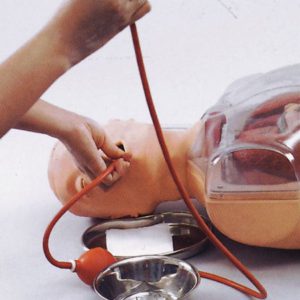
- Flush the stomach.