Stomach hurts during ovulation: what to do, reasons
Not everyone has information about ovulation, they do not know about the causes. The phenomenon that causes a maturing follicle to burst with the subsequent release of an egg into the fallopian tube is called ovulatory syndrome. After two weeks after ovulation, the menstrual cycle begins. The process is accompanied by painful sensations and an unpleasant feeling in the abdomen or genitals.
Regardless of the pain, ovulatory syndrome is a favorable moment for conceiving a child. In a day, the egg is ready for fertilization, women conceive a child. Others, on the other hand, abstain from sex to avoid pregnancy. Knowing when ovulation starts can help you determine when your pain starts and get ready.
During ovulation, the stomach hurts due to stretching of the follicles, which burst, releasing the egg into the uterus. The sensations are heavy, not only the stomach hurts, the whole body suffers. True, for most women, the process is painless and fast. There are many reasons for suffering, in case of prolonged discomfort, consult a doctor for advice.

The impressions of the passage of the middle of the menstrual cycle are different, from neutral to painful symptoms. The main role is played by the state of the woman's health. A diseased organism tolerates ordeals worse than a healthy one. The passage of the ovulatory period serves as an indicator of health status.
Content
- 1 Ovulation abnormalities
- 2 Characteristics and signs of ovulation
- 3 Causes of pain during ovulation
- 4 What is the danger of pain during ovulation
- 5 Reducing pain symptoms of ovulatory syndrome
- 6 Medical help
Ovulation abnormalities
Some women experience unpleasant sensations during ovulation, although it all depends on the characteristics of the body. At the end of the first half of the menstrual cycle, the ovary sometimes hurts, pulls the lower abdomen. The pain is so severe that it creates a light-headed state. Unpleasant sensations last in different ways, the period is measured in moments and ends in days. After ovulation, menstruation occurs after 14-15 days. Deviations from the dates are rare, caused by a complex of reasons.
Malnutrition, diet, affects the menstrual cycle, inhibiting the production of the necessary hormones. Proper nutrition is the key to good health. You need to closely monitor a balanced diet of fat and fiber. Excessive alcohol consumption becomes a negative factor, causing hormonal fluctuations, leading to early ovulation.
Hormonal imbalance is caused by various factors. Among them are stressful situations, diseases, physical overload, hard sexual intercourse, factors that cause changes in the chemistry of the body, leading to an imbalance of hormones. It is normal to try to protect the female body from negative influences.
After childbirth, the menstrual cycle is disrupted and ovulation may not occur. It will take at least six months, maximum two years, before the cycle recovers. Don't worry about not having a monthly cycle after giving birth, this is part of a natural process. During childbirth, you should be attentive to the health of the body, if you have suspicious symptoms, consult a doctor.
Characteristics and signs of ovulation
There are types of pain: weak or strong, sharp and dull, quickly passing or lasting. Soreness of sensations increases with physical overload, movement and sex. The lower back, groin and sacrum suffer. This is accompanied by bleeding. Rarely there is nausea, vomiting and fainting.
Not every woman feels pain; for most, the process is painless or accompanied by a minimum of discomfort. For others, only a fraction of ovulation is painful. These sensations last for hours, depending on the woman's health. Do not delay visiting a doctor with severe excruciating pain.
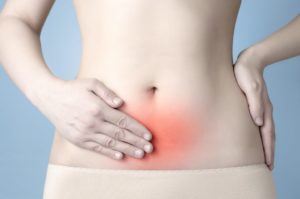
Pain in the abdomen does not always mean the beginning of the release of the egg, there are other signs indicating the beginning of the process. This includes the appearance of bleeding associated with ruptured blood vessels in the lower part of the follicle. Cervical mucus is on the rise. An additional clue is the increase in sex drive.
A set of reasons helps to accurately determine a woman's readiness for childbirth. Accordingly, during this period it is worth conceiving a child or, conversely, refraining from contact. For women who do not know how to determine the right day, special tests have been developed that are purchased at the pharmacy.
Causes of pain during ovulation
Before the release of the egg, the walls of the mature follicles are stretched as much as possible, which can cause suffering. Painful sensations can mean ruptured blood vessels. The fluid formed after the rupture enters the uterine epithelium and the abdominal wall, causing irritation, which turns into contraction of the uterus and the appearance of pains of various sizes. Blood in the discharge is the result of a decrease in estradiol levels or endometrial detachment. If bleeding recurs regularly or bleeding occurs, you should immediately consult a doctor.
The painful passage of ovulation becomes a consequence of gynecological diseases, inflammation of the genitals. These include cystitis, mastopathy, ectopic pregnancy, varicose veins in the pelvic area, and cancer (cancer of the ovaries and cervix). You should not consider the pain natural, it is better to find out what the doctor has to say.
Fever, aching or cutting pain in the right side can be symptoms of appendicitis. If all of the symptoms described are present, consult your doctor. Also, torment is sometimes caused by excessive pain sensitivity in the small pelvis.
What is the danger of pain during ovulation
If ovulation is a natural process, why is it painful? This incomprehensible natural phenomenon accompanies the physiology of a woman. What happens is associated with the participation of special enzymes of cytosines that cause inflammation, as well as spasms of blood vessels. The peculiarity of these phenomena explains the phenomenon: some women do not feel pain, and the chosen ones lose consciousness.
To know exactly what danger the pain poses in the middle of the cycle, you need to be examined at the clinic. An experienced doctor using an ultrasound scan will determine the presence of the causes of discomfort: inflammatory tumors of the small pelvis, adhesions of the pelvic organs, functional ovarian cysts, tumors, underdevelopment of the genitals and other.
Based on the results obtained, the doctor will prescribe microbiological and hormonal studies. After all procedures, a diagnosis is made. If there are no diseases, there is only one cause of pain - ovulatory syndrome. Further action depends on the level of pain. If it is tolerable, it is permissible to refuse further treatment. When pain interferes with normal life, a doctor is consulted.

Reducing pain symptoms of ovulatory syndrome
If after the examination in the clinic it became clear that the pain is caused by ovulation, and not the disease, it is already possible to decide what to do with it. The most common way is to use pain relievers and antispasmodics. They are great at relieving pain. Contraceptive pills also help to suppress the symptoms of ovulation, but before use you should carefully consult a doctor, they sometimes harm the body.
It is advisable to take a day off and lie down at home during the crisis. During this period, physical activity and stressful situations should be reduced. It costs less to move, move less and sleep more. In communication, you should avoid scandals and nervous shocks, which will negatively affect your well-being.
An additional way to reduce pain will be a special diet. During this period, it is worth giving up fried, salty, spicy, sweet and fatty foods. It is not recommended to consume legumes, chocolate and coffee. The listed products have a negative effect on the nervous system. Bloating and flatulence also lead to abdominal pain.
It is recommended to drink more plain, pure water during the day. Best consumed before ovulation and continued after. A heating pad is filled with water and applied to the lower abdomen. This will help relieve pain.
Medical help
A gynecological examination is required every six months, even if everything is normal with health. It's time to go to the doctor when the pain in the middle of the menstrual cycle does not go away for two days. You should be more careful about alarming signals, the symptom of the disease differs:
- So much pain that it leads to loss of consciousness (urgently go to the doctor, and not wait until it passes).
- Fever, headache and dizziness, constant nausea and vomiting, painful urination, shortness of breath and diarrhea (possibly with blood).
It is worth paying close attention to the signs that turn out to be ovulatory syndrome or the first signs of the disease. After thirty years, it is worth increasing attention to the health of the body. Diseases begin to manifest themselves as an unpleasant sensation, the earlier treatment is started, the faster the recovery will be. You should know all the symptoms that affect pregnancy.