The stomach hurts above the navel: reasons for what to do
Pain in the abdomen above the navel becomes a signal of various ailments, ranging from minor ailments that resolve on their own, to serious diseases that require the intervention of doctors. To find out which pathology worries, you need to carefully study the accompanying factors: which organs are susceptible to the disease, to make out specific sensations.
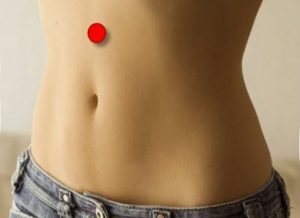
The area near the navel is referred to as the epigastric area of the abdomen, starting from the sternum. It is bounded on the sides by costal arches. If here I have a stomachache, this is:
- A third of the stomach;
- Left lobe of the liver;
- Inferior vena cava;
- Plexus of nerve fibers and nodes;
- Upper part of the kidneys;
- Part of the gallbladder and its ducts;
- Upper section duodenum;
- The place where the duodenum passes into the jejunum;
- Abdominal aorta
- Separate parts of the pancreas.
Content
- 1 The nature of the pain
- 2 Location of pain
- 3 Diseases of the stomach
- 4 Other diseases
- 5 Pain in children and newborns
- 6 Medication
- 7 Home treatment
- 8 Prophylaxis
The nature of the pain
The nature of the pain just above the navel indicates which part of the body is affected. It is impossible to accurately indicate the cause of the ailment. Aching and pulling pains belong to several groups of organs. Studying your own case will require you to be careful.
- The aching character does not give an accurate idea of a possible illness. It is caused by intestinal obstruction, difficulty with the urethra, and inflammation in the small intestine. It is considered the norm for pregnant women - the skin is stretched on the growing belly.
- A serious signal is a sharp pain that prevents you from sitting still. Most often, the cause is appendicitis, in other situations it is the presence of a tumor and volvulus. An immediate doctor's appointment is required.
- With the already mentioned obstruction of the intestines and the accumulation of gases and feces, cramping pain is observed. For constipation, use laxative tablets or products that have a similar effect (prunes, kefir, etc.)
- Pulling pain is a sign of intestinal obstruction, but it is also observed in pregnant women in the absence of diseases. Concomitant causes: problems with the genitourinary system and stretching of the walls of the abdominal cavity.
- Stitching is characteristic of acute gastrointestinal problems: bowel inflammation, pancreatitis (inflammation of the pancreas), and cholecystitis (inflammation of the gallbladder wall).
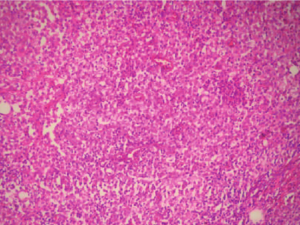
Inflammation of the gallbladder wall
- Colic, changing depending on the change in body position, creating a feeling of lingering pain, refers to the main symptom of peritonitis - inflammation of the peritoneum.
You don't need to make a final diagnosis for yourself. Any unpleasant symptom is sometimes a sign of ordinary indigestion, repeated once.
Location of pain
Depending on the side of the development of pain, it is noted:
- If the left area hurts, for women it can be a sign of an ectopic pregnancy, ruptured ovaries and cysts. In other cases, this is a sign of intestinal obstruction and volvulus, problems with the abdominal aorta. Bowel cancer is the most dangerous.
- A cut above and to the right of the navel is believed to be due to an ectopic pregnancy, ruptured ovaries, appendicitis, hepatitis, and gallstones.
- Pain felt exactly above the navel and in no direction more - the cause of gastritis, ulcers and stomach cancer, duodenal ulcers and pancreatic diseases.
Diseases of the stomach
Most often, pain in the navel is associated with diseases of the gastrointestinal tract as a whole and the duodenum separately. Such diseases include an acute form of gastritis, ulcers and food poisoning. The characteristic symptoms of ailments include belching, heartburn and vomiting after alcohol and toxic substances enter the body.
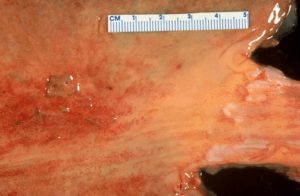
Acute gastrointestinal ulcer
The exacerbation of gastritis can be affected by malfunctions of the nervous system: stress, fatigue, excitement. With an ulcer, the patient often encounters constipation: the stomach is disrupted, the intestines are prone to inflammation. There is a lack of appetite, severe weight loss and nausea.
Other diseases
Diseases of the gastrointestinal tract are the most common with these symptoms, but damage to organs indirectly related to the mentioned system is not excluded:
- Liver and gallbladder. In case of problems with the liver and gallbladder, the patient has a fever, an unpleasant feeling of weakness and constant dizziness, accompanied by diarrhea. With liver diseases, the main signs are added to the appearance of apathy, a constant feeling of fatigue, the desire to walk as little as possible and engage in any other vigorous activity. An important signal - during bowel movements, the urine darkens and the feces brighten. Cramping pains.
- Pancreas. If various kinds of blue discoloration are noticed on the body, the appearance of punctate hemorrhages, and sharp pains in the abdomen have begun to bother more and more often, a signal is possible that the pancreas is susceptible to the disease. Pancreatitis usually develops. Painful sensations are acute, "boring" in nature. The person experiences vomiting, diarrhea, heartburn, belching, bloating, loss of appetite, and weight loss. The occurrence of a malignant tumor developing on the head of the pancreas is possible.
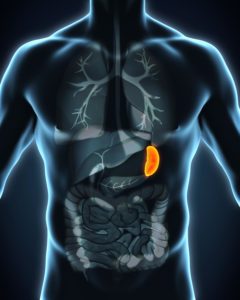
- Spleen. Painful sensations arise due to the expansion of the spleen. This is due to the development of diseases: tuberculosis, malaria, anemia and blood diseases. The person turns pale, shortness of breath, weakness and frequent dizziness appear.
- Osteocondritis of the spine. With osteochondrosis, pains are possible that resemble the sensations of gastritis. An important difference - with gastritis, unpleasant pains intensify with the entry of food into the body, with osteochondrosis, malaise is caused by movement and a change in body position. In women in position, this is considered a sign of a poorly developed spine.
Pain in children and newborns
If the child has the above symptoms, you should immediately call an ambulance or see a doctor. The baby may experience an unpleasant symptom due to emotional outbursts. Newborns are more likely to suffer from pain in the navel area due to the unstable functioning of the stomach and intestines. Pains provoke constipation and lactose intolerance. If the child is sick, the temperature has risen, the skin color and the nature of the stool have changed, an examination in the hospital is necessary.
Medication
Depending on the affected organs, the patient is prescribed a variety of pills. In the presence of pathogenic microflora, Hemomycin, Tsiprolet, Tetracycline, Amoxiclav, Amoxicillin are prescribed. To eliminate gas and bloating, medications like Espumisan are suitable. If the pain is caused by the ingress of toxic substances into the body (the stomach is damaged), you need to use Smecta or Filtrum. Duphalac and Microlax are used to eliminate constipation.
To normalize the work of the gastrointestinal tract, Pancreatin, No-shpu, Ibuprofen and Mezim are recommended.
Home treatment
If desired, it is permissible to independently make special decoctions at home. They stabilize the work of the affected organs, will have a beneficial effect on the result and intensity of treatment:
- White cabbage juice is suitable if after each meal there is a feeling of heaviness. The juice is infused in a cool place. Consume 2-3 times a day, 1 teaspoon 40 minutes before meals. The course of treatment lasts from 7 to 10 days, depending on how quickly the pain goes away.
- Pomegranate and chokeberry drinks eliminate any painful sensations of gastritis. Drink a glass once a day.
- If pains caught you in the evening or at night, a decoction on the bark of oak, St. John's wort and yarrow will be useful. Has a calming and analgesic effect.
- Aloe leaf decoction is used to increase appetite. It is necessary to instruct at least 12 hours, taking 2-3 times a day.
Prophylaxis
To avoid similar situations in the future, you need to carefully monitor your own lifestyle. Go in for sports, observe proper nutrition, do not lean on heavy and junk food. Try to do everything to maintain a stable body. Visit the hospital once a year, listen to what the doctor says, do not neglect his advice. Give up bad habits: alcohol, smoking and drugs. Try to be less nervous.