Stomach hurts after an abortion: reasons for what to do
Termination of pregnancy is a dangerous operation, the consequences for the body are unpredictable: from common thrush to infertility. After an abortion, the patient will inevitably face pain in the abdomen. When discomfort is considered the norm, how to restore health faster, what case will be the reason for going to the doctor - all questions are answered in the article.
Content
-
1 Pain after abortion: the norm
- 1.1 Medical abortion
- 1.2 Vacuum termination of pregnancy
- 1.3 Surgical curettage
- 2 Reason to see a doctor
- 3 Complications
- 4 How to deal with pain after an abortion with folk remedies
-
5 Medications for pain after abortion
- 5.1 No-Shpa
- 5.2 Drotaverin
- 5.3 Tranexam
Pain after abortion: the norm
Public opinion on the abortion procedure is mixed. The operation is prescribed by gynecologists in the presence of fetal pathologies or a strong desire of the mother to terminate the pregnancy. Before the operation, the woman is informed about the possible risks, consequences: sometimes the procedure can cause death. There are three known ways to terminate a pregnancy.
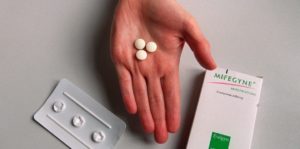
Medical abortion
It is prescribed for patients whose gestation period is from one to four weeks. It is carried out after a complete gynecological examination: examination, ultrasound, tests. The woman drinks special pills that can induce an artificial miscarriage. The procedure consists of two stages. The first step is to increase the hormone progesterone, the passage of the ovum. The second stage is the relaxation of the uterine muscles, the release of the embryo. A kind of contraction is provoked, pushing the ovum through the genital organ.
A medical abortion is accompanied by bleeding for a period of one to five days. Additionally, pain relievers, hemostatic medications are prescribed. Normal side effects: nausea, vomiting, dizziness, back pain, abdominal pain, bleeding similar to menstruation.
Vacuum termination of pregnancy
It is carried out for periods of four to six weeks. The safest type of abortion. The procedure is carried out according to the following scheme: a special apparatus sucks out the ovum. The operation is performed under local anesthesia. Vacuum intervention in the body is not carried out in the presence of:
- Purulent infections of the genitourinary system.
- Inflammatory processes of the pelvic organs.
- Acute infectious diseases.
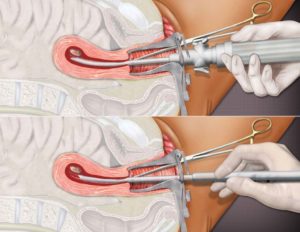
After the operation, the woman feels pain in the lower abdomen for several days, caused by the contraction of the uterus. There is little bleeding for 3-5 days.
Surgical curettage
The most dangerous way to terminate a pregnancy, increasing the risk of complications. It is carried out for periods of six to twelve weeks. The walls of the uterus are expanded with a special device, then the embryo, mucous membrane, and placenta are scraped out. Surgical abortion is painful. The patient is injected with special anesthetic drugs.
Pain during the first time after surgery is normal. The uterus narrows to the same size. After a medical abortion, the pain is caused solely by muscle contraction, after two other procedures - additional damage to the walls of the genital organ. Bleeding, discomfort, moderate pain for five days is considered the norm. If the symptoms are prolonged, there is a reason to go to see a specialist.
After the operation, the intestines and stomach may be very sore. The complication is caused by the contraction of the uterus, affecting the walls of the digestive organ. Unpleasant sensations are accompanied by a violation of the stool, bloating, increased gas production.
If, after an abortion, the stomach hurts on the left side - a symptom associated with an inflammatory process in the intestines. To avoid such complications, it is worth sticking to a diet before and after the abortion procedure: avoid fried, fast carbohydrates (cookies, sweets), heavy foods, observe the drinking regime (about two liters of clean water per day, coffee, tea and soups are not are considered).

Reason to see a doctor
Depending on the type of operation, a certain period of time is allotted for the restoration of the body: several days - medication, a month - surgical. If the recovery period is over, but the woman suffers from pain, bleeding, it is worth considering. The list of alarm signals of the body includes:
- Intolerable pain in the lower abdomen, back.
- Pain for more than a week.
- Bleeding for more than a week.
- Blood clots.
- Unpleasant odor of discharge.
- No bleeding.
- Heat.
- Fainting.
If a woman is tormented by any of the above symptom or other unpleasant sensation, it is worth going to an appointment with a gynecologist. An abortion is unsuccessful, and the fetus or part of it will remain. The preservation of the embryo is indicated by symptoms, as in the early stages of pregnancy. If after an abortion a woman's breast swells, nausea suffers in the morning - it's time to run to the doctor. As a rule, a woman is sent for a second or first (with medical abortion) curettage.

Complications
The main cause of discomfort is contraction of the muscles of the uterus, minor wall injuries. After a medical abortion, the only symptom of pain is the inability to contract the uterus. With surgical intervention during the procedure, complications of the following type can occur: endometritis (inflammation in the mucous layer of the uterus), adnexitis (inflammation in the fallopian tubes), peritonitis (inflammation of the peritoneum), uterine perforation (puncture of the uterine wall), incomplete removal of the ovum, embryo festering and inflammation. The most dangerous complication is a puncture of the uterus, which can affect other organs. Also, later complications include hormonal imbalance, infertility, and uterine fibroids. In case of violation of the monthly cycle, the appearance of painful periods, if everything went well before, it is worth contacting a specialist.
How to deal with pain after an abortion with folk remedies
The only cause of pain after an abortion, not caused by complications, is the contraction of the muscles of the uterus and the release of the remainder of the ovum. After an abortion on the first day, it is advised to put a cold heating pad on the lower abdomen - the uterus begins to contract intensively, the fetal residue is excreted from the body faster. The method does not eliminate pain in the lower abdomen, but it helps to speed up the recovery process. A warm cloth, which is also advised to be applied to the abdomen, will help to cope with the pain. Folk remedies are used after repeated ultrasound, confirming that there is nothing left in the uterus.

It is permissible to stop bleeding, reduce pain, eliminate the consequences of termination of pregnancy on your own at home by using special tinctures and decoctions:
- A decoction of orange peel accelerates the release of the remains of the embryo from the body, returns the uterus to its normal size. The broth will require 6-7 oranges, preferably unripe. Pour the orange peel with two liters of water, boil and boil until half of the water remains. Take 4 teaspoons of the broth three times a day until the bleeding stops.
- Tincture of red pepper. Sold in a pharmacy. Take a teaspoon half an hour before meals. Acts like orange tea.
- Viburnum bark helps with bleeding, is considered a preventive measure for the appearance of fungal diseases (candidiasis). Pour the bark with water at the rate of 4 tablespoons per liter of water, cook for 30 minutes. Take a tablespoon immediately before meals.
- Wormwood is a miracle cure that helps to quickly restore the body and protect it from infectious diseases, sometimes accompanying abortion: fibroids, herpes, Trichomonas, thrush, chlamydia and others. Treatment with wormwood begins after the cessation of bleeding. When taking a decoction of the plant, you can not consume alcohol, meat, dairy products, nicotine. The course lasts at least three weeks. It is permissible to prepare a decoction or use it dry. To prepare the broth, two tablespoons are poured with 200 milliliters of boiling water and insisted for half an hour, taken in a tablespoon 30 minutes before meals. You don't have to cook the broth. Take a tablespoon of crushed wormwood half an hour before meals. Drink with water.
- St. John's wort relieves pain and reduces inflammation. Pour five grams of herbs with a glass of boiling water and leave for 15 minutes, drink a quarter of a glass half an hour before meals, until the pain begins to subside. St. John's wort - one of the most fortified plants, will help to quickly restore the immune system.
Medications for pain after abortion
To alleviate the pain symptom and the speedy contraction of the uterine muscles, patients are additionally prescribed a number of drugs.
No-Shpa
Hungarian medicine, the main active ingredient is Drotaverin. It also contains magnesium stearate, povidone, talc, corn starch, lactose. Release form: tablets, injections. A kind of medication - No-Shpa forte. The difference from the usual format is the increased content of the active substance. After an abortion, take two tablets three times a day. Injections are administered in a capsule three times a day. The course of admission is no more than two days.
Drotaverin
Domestic antispasmodic. The active substance is similar to the name of the drug. Take one tablet twice a day.
Tranexam
Country of origin - Russia. Available in tablets of 250 milligrams of tranexamic acid. Has anti-inflammatory effect, helps to cope with bleeding faster. Take a tablet every three hours until the bleeding stops.