Why does a child have a stomach ache after eating: reasons for what to do
After a hearty meal, everyone can feel pain in the abdomen, regardless of age. If in adults the immune system is fully formed, then the child's body is still weak and unable to fight against pathogenic bacteria. Therefore, after eating, children experience discomfort and pain in the abdomen much more often than adults.
In the article, we will consider the causes of stomach ache after meals in children and the actions necessary to eliminate the malaise.
Causes of pain:
- Food. Food becomes the fundamental factor influencing the digestion process. Eating a number of foods can irritate the lining of the esophagus. Abuse of fatty foods is one of the reasons for the formation of gallstones and the development of biliary disease.
- Dyspeptic disorder. The lack of enzymes in the intestines necessary for complete digestion of food causes discomfort. If a child after a meal has a feeling that the stomach is full, is tormented by belching and nausea, it is worth thinking about changing the diet. Digestive complications can lead to abdominal pain and poor bowel movements.
- Change of diet. Switching from homemade food to catering menus usually adversely affects digestion. Quite often, after the first visits to school canteens, children show signs of poisoning. The result can be abdominal pain, general intoxication of the body and fever.
- Gas formation. Increased gas accumulation is a common cause of abdominal pain in infants under one year of age. The appearance of colic in infants is often associated with an incorrectly selected formula for feeding or a violation of the diet of a nursing mother.
- Constant stress. Abdominal pain caused by stress haunts children from the age of ten. School loads, conflicts with classmates, pressure from teachers - all these are likely causes of an eating disorder, leading to pain in the abdominal cavity after a meal.
The duration of the pain syndrome and the time of day at which abdominal discomfort appears indicate the development of different types of pathologies.
Content
- 1 Pathologies leading to pain
- 2 What to look for
- 3 What to do to prevent abdominal diseases
Pathologies leading to pain
The list of diseases that cause difficulties in digestion after eating is wide, but the indicated pathologies occupy a special place in the list:
- IBS, or irritable bowel syndrome.
- Inflammation of the gallbladder, or chronic cholecystitis. This pathology leads to pain in the right side.
- Pancreatitis It usually starts with a dull pain in the abdomen. Gradually, the pain syndrome increases.
- Inflammation of the stomach lining.
- Spasm that interferes with the passage of food from the stomach to the gastrointestinal tract (pylorospasm).
- Peptic ulcer diseases. The onset of gastric ulcer development is accompanied by painful sensations arising in the center of the abdominal cavity half an hour after eating. The cause of discomfort is an increase in the level of hydrochloric acid.
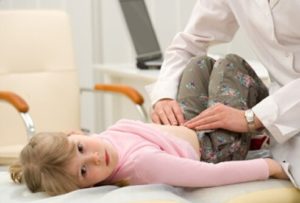
- Meckel's diverticulum. It manifests itself in the protrusion of the area in the ileum. This anomaly develops in a baby in the womb. It is difficult to diagnose as it has symptoms of acute appendicitis. With the mentioned pathology, the baby may complain that his navel hurts.
There are many diseases accompanied by pain in the abdominal cavity. Don't ignore your child's complaints! If the pain persists and the baby is constantly experiencing discomfort, contact your pediatrician immediately. After the examination, the doctor will prescribe treatment or refer you to a narrow-profile specialist.
Constant care of the child will help to notice the disease in time.
What to look for
Experienced parents are able to quickly determine that something is wrong with the child. If the baby is naughty, cries and curls up into a ball, these are clear signs of abdominal pain.
An adult child will be able to tell that he is in pain. When it comes to babies, everything depends entirely on the parents. You will need to take control of the described moments:
- Time. If the pain syndrome goes away after a few hours, it may be bloating, and there is no threat to health.
- Localization of pain. Pain sensations affecting exclusively the central part of the abdominal cavity is not a reason to panic. If the pain spreads to other parts of the abdomen, it is better to see a specialist.
- The behavior and appearance of the child. A good reason for anxiety is pale skin, increased sweating, general weakness, constant crying and lack of reaction to favorite toys and food.
- Diarrhea. Abdominal pain accompanied by diarrhea is the first symptom of a viral infection. The presence of blood in the stool is a serious cause for concern.
- Vomit. Painful abdominal cramps can lead to gagging. Call your doctor if nausea lasts more than 24 hours.
- Pain when urinating. If the stomach begins to ache after a snack and when the bladder is empty, the child is likely to develop pyelonephritis or an acute urinary tract infection. The second option is accompanied by sharp pains in the right lower side. They can be easily confused with appendicitis symptoms.
Each of the above symptoms can be cause for concern, but there are few real reasons to see a doctor.
When to contact a specialist:
- The appearance of rashes on the skin.
- Pain while urinating.
- Attacks of nausea with discharge of yellow or black vomit.
- The appearance of blood in the stool.
- Painful sensations extending to the entire abdominal cavity, which does not stop for more than 24 hours.
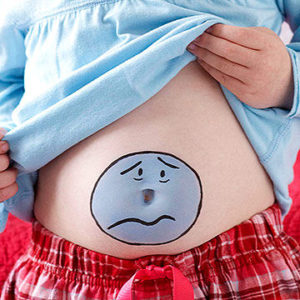
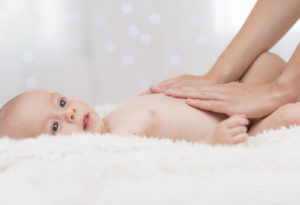
Try to relieve your baby's pain before going to the doctor's office. You should not take medicines recommended by the pharmacist of the pharmacy if there is no accurate diagnosis. The use of drugs without a doctor's prescription is dangerous. It is possible to relieve pain syndrome without resorting to medication. It is enough to massage the abdomen with light circular strokes in the clockwise direction.
Difficulties with digestion, leading to pain in the abdomen in a child, are better prevented than then look for ways to fight.
What to do to prevent abdominal diseases
- Observe the diet of a nursing mother or choose the right formula for feeding.
- Stick to proper nutrition. Eliminate carbonated drinks with a high sugar content, reduce consumption of spicy, fried, fatty foods, sweets and fast food.
- Be sure to include in the diet low-fat dairy products (with the exception of individual lactose intolerance), fruits, vegetables, lean meat, fish, dried fruit compote.
- Move more and strengthen the immune system.
- Avoid hypothermia.
- Regularly monitor the condition of the baby. Be attentive to his complaints of abdominal pain.
- To teach the child to observe the rules of personal hygiene. Before use, be sure to wash berries, vegetables and fruits. Unwashed fruit on the table is the best way to spread germs, the cause of all gastrointestinal infections.
- Try to maintain a calm family environment.
Even the most exemplary family can face ailments. Remember a few rules to help you avoid fatal mistakes.
Memo for parents:
- If a child has abdominal discomfort, this is a clear signal of the development of disorders in the digestive tract and urinary tract. The reason can be anything - from banal overeating to acute appendicitis. Only a doctor makes diagnoses! Don't try to self-medicate.
- It is not recommended to take pain medication before the arrival of the doctor. The pain reliever changes the acuity and it is more difficult for the doctor to understand the source of the pain in the child.
- It is strictly forbidden to independently prescribe antibiotics and any drugs that affect intestinal motility to the child, based on the recommendations of friends or the Internet.
- If abdominal pains are accompanied by vomiting, you can not give the child a solution of potassium permanganate and strong tea.
- With diarrhea and constipation, it is permissible to make herbal infusions, but which herbal mixtures to use is better to check with your doctor. Herbs should be brewed exclusively according to the instructions, observing the proportions and doses.
It doesn't matter if your child is a year old, ten years old or more. You must take care of his health from the cradle and become an example to follow. Take care of yourself and your children!