Stomach hurts after childbirth: reasons for what to do if the pain does not go away for a week or a month
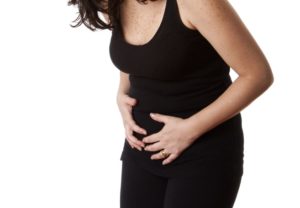
Abdominal pain is a companion of every woman who has given birth. The processes in the body associated with bearing, giving birth to a child lead to discomfort, pain, especially in the first hours and days after the birth of a child. But unpleasant sensations are also a manifestation of the norm and developing pathology. How to understand the causes of abdominal pain after childbirth? How to distinguish physiological pain from pathological pain? What to do if stomach hurts after childbirth for a long period? These issues are covered in the article.
Each woman goes through the postpartum recovery period individually. But painful sensations of varying degrees are experienced by each postpartum woman. Gynecologists say that moderate discomfort within a month after childbirth is a manifestation of the norm. During pregnancy and at the birth of a child, the mother's organs underwent great changes, stress, which did not pass without leaving a trace and ended with the fact of the birth of the child. The muscles and bones of a pregnant woman are gradually restored. This takes 1-1.5 months. If after the specified period the pain continues to manifest itself and cause discomfort, you need to find out the cause.
Content
-
1 Causes of postpartum abdominal pain
- 1.1 Norm options
- 1.2 Pathology development options
-
2 Treatment
- 2.1 Treatment for inflammatory processes
- 3 Preventive measures against abdominal pain
Causes of postpartum abdominal pain
The main reason for the unpleasant sensations of a woman who has given birth is physiological. When a child passes in a natural way, tissue stretching occurs, microcracks, ruptures or episiotomy appear. With a cesarean section, the seam aches strongly. If the sensations are tolerable, without an increase in temperature, this is a normal recovery stage for the body. If symptoms appear that are not normal, what is happening indicates an infection or other pathological processes in the body of the postpartum woman. It is supposed to distinguish natural physiological abdominal pain from pathological, which is not the norm.
Norm options
- Contraction of the uterus. During pregnancy, a woman's uterus increases in size. After giving birth, it is still enlarged and begins to shrink to its natural size. The contraction process is cramping and uncomfortable.
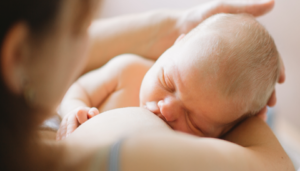
- Establishing lactation. The reason is related to the first. When breastfeeding, a woman produces oxytocin in large quantities, which contributes to the contraction of the uterus. The more often the child is applied to the breast, the faster the uterus contracts, pulls the lower abdomen, the birth canal is restored. This process is natural.
- Injury to tissues and muscles. During childbirth, tears or episiotomy occur. Obstetricians are forced to put on stitches that cause discomfort. They heal within 2 weeks. Hypersensitivity is observed in the first week. On days 10-14, the pain associated with suturing and healing of the birth canal disappears.
- Increased mobility of the hip joint. During pregnancy, ligaments, joints and muscles are subject to stretching and active mobility. This is required for the normal course of labor. After the birth of a child, if the mobility of the hip joint is excessive, pain in the pubic area and lower abdomen may occur. With normal recovery, it practically disappears within a week.
- Overflow of the bladder. The bladder canals can be squeezed as the baby passes. The woman partially does not feel the desire to urinate. Overflow can put pressure on organs. In addition, unpleasant sensations can appear when urinating, when urine gets on the seams and cracks of the birth canal. After healing of the external genital organs, the sensation disappears.
These examples bother immediately after childbirth, it takes a week or two for the unpleasant symptoms to disappear. The body is recovering.
But when the lower abdomen pulls, the discomfort intensifies or does not go away after 2 weeks and after a month - this is considered a manifestation of ailments and requires contacting a gynecologist to find out reasons.
Pathology development options
- Inflammatory processes in the uterine cavity. Sometimes the separation of the placenta has to be done manually. The baby's place is not born on its own, this raises the risk that part of it remains in the uterus and is quite capable of causing inflammation.
- Inflammation and suppuration of the seams. If the sutures on the birth canal have not healed or an infection has got in due to insufficient hygiene or physical exertion, suppuration develops. This causes severe pain and requires immediate treatment, removal of old stitches and the imposition of others.
- Inflammation of the appendages. Inflammation of the ovaries, one or both, may occur. This usually happens after a cesarean section.
- Endometritis. After childbirth, the inner surface of the uterus is a continuous wound. If an infection joins at this moment, a serious disease develops - endometritis. With this disease, the body temperature rises, the stomach hurts as with menstruation, suppuration develops in the uterine cavity.
- Divergence of the pelvic bones during childbirth. After giving birth, the situation disappears on its own within a week. If this does not happen, the pain intensifies - an appeal to a specialist is required.
- Peritonitis. A serious illness that can occur after a cesarean section and dehiscence of the sutures on the uterus. The seams can become inflamed, the process of suppuration goes into the abdominal cavity.
- Diseases of the digestive system. The intestines can be squeezed during the passage of the child through the birth canal. In addition, lack of sleep, dietary changes while breastfeeding can cause constipation, gas formation, and fermentation. Pain in the intestines radiates to the lower abdomen, is perceived as gynecological.

Treatment
As a rule, pain associated with natural childbirth and the normal course of the postpartum period disappears after a month. Within a month after childbirth, sensations of a physiological nature have moderate sensitivity, do not cause severe discomfort, gradually appear less until they disappear completely. The postpartum woman does not have a rise in body temperature. The woman feels normal, does not feel weakness, loss of strength, lives a full life.
If the pain syndrome is severe, associated with fever, weakness, fever, it is necessary immediately seek help from a gynecologist to establish the causes and timely treatment.
Treatment for inflammatory processes
With inflammatory processes in the uterine cavity or appendages, several complex measures are required.
Therapy:
- Antibacterial;
- Infusion;
- Detoxification;
- Sedative;
- Desensitizing.
Self-medication is contraindicated. Taking medications for uterine contraction is required.
- With residual effects in the uterine cavity. With the remains of pieces of the placenta or umbilical cord, manual scraping is performed. After the procedure, you need to take antibiotics. The duration of the course is prescribed exclusively by the attending physician.
- With displacement of the vertebrae. A complex of manual therapy procedures is required.
- With peritonitis. Surgery. It is undesirable to delay the visit to the doctor. This is an extremely serious case, and fatal complications are possible.
- With diseases of the gastrointestinal tract. Diet is prescribed. A variety of diets with vegetables, dairy products. Consultation with a gastroenterologist.
In case of pathological manifestations of pain, a specialist consultation is required. Subsequent treatment procedures are prescribed by a gynecologist in accordance with the recommendations. This will allow you to recover faster, stop the course of pathological processes in the body, eliminate pain and return to normal life. To avoid complications, it is recommended to carry out preventive measures.
After discharge from the hospital for the fastest recovery and preventing the development of severe pain, it is necessary to adhere to the recommendations and preventive measures.
Preventive measures against abdominal pain
- Hygiene. After childbirth, especially if there are tissue tears and stitches, it is recommended to wash after each visit to the toilet. In some cases, treatment with antiseptic solutions is necessary.
- With many seams, it is required to process them with brilliant green or miramistin, chlorhexidine.
- It is recommended to perform special exercises for the speedy recovery of muscles and joints.
- Refusal from physical activity. In the first period after childbirth, it is not recommended to lift weights, perform heavy physical labor or strength exercises with lifting weights.
- Refusal of intimacy until the full restoration of the birth canal, external and internal genital organs. The duration depends on the severity of the injury, the well-being of the mother and the speed of the recovery period.
- Timely examination by a gynecologist. It is assumed, a month after giving birth, to contact the antenatal clinic for examination by a gynecologist in order to avoid the development of pathological processes and diseases.
After the birth of a child, unpleasant sensations are inevitable. They are associated with the fact of the passage of the child, the state of health of the woman, with the peculiarities of the course of pregnancy and childbirth. Abdominal pain can occur after a natural delivery, and after a cesarean section. It is important to distinguish physiological sensations that do not pose a danger to the health and life of a woman, from pathological ones. Their nature is capable of changing, it is important to monitor this and tell the doctor in case of non-standard manifestations. If the pain does not go away for a month, even if it seems normal and physiological, you should seek the advice of a specialist to exclude the development of complications.