Acute stomach pain: what to do, quick treatment, causes
Some people do not know where this organ is located - the stomach. It is located in the region of the upper left abdomen, under the diaphragm, located under the ribs.
There are two types of abdominal pain:
- Organic. Acute pathologies of the gastrointestinal tract. Chronic gastritis, peptic ulcer, gastric mucosa disorder.
- Functional. They are characterized by prolonged colic caused by damage to the nervous system. Some foods can cause allergic reactions.
During ailments, symptoms appear: nausea, gag reflexes, bloating, frequent problems with stools - constipation, diarrhea, lack of appetite, weight loss is noticed.
The disease is noticed by paying attention to the nature of the pain. With an ulcer, sharp, dagger colic. Sometimes it’s impossible to endure. With gastritis, long-term cramps occur. The shingles are typical of pancreatitis.
Content
-
1 Reasons for pain and help
- 1.1 Gastritis
- 1.2 Peptic ulcer
- 1.3 Other reasons
-
2 Treatment of seizures
- 2.1 Help for adults
- 2.2 Helping children
- 2.3 Urgent care
Reasons for pain and help
There are many reasons for sudden pain in the stomach. Doctors have long known methods of treating painful sensations that cause serious pathologies.
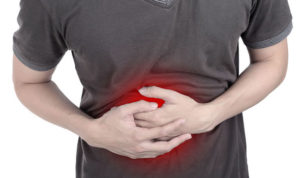
Cutting pain occurs unexpectedly. It is difficult to independently determine the true reasons. This is what doctors do. Periodic, short-term disruptions can indicate a lurking disease. In the work of the gastrointestinal tract, changes in the hormonal background can be observed. Any sharp colic in the stomach indicates problems. You can guess the cause of painful feelings by tracing the onset of the onset: after eating, before bedtime, on an empty stomach, at night.
Poisoning with toxic substances through inhalation or the use of chemicals, prescribed drugs. The cutting is accompanied by vomiting, sweating, lethargy, fatigue. With food poisoning, paroxysmal colic begins. There is periodic lethargy, nausea, fever, dizziness. Spasms, bouts of diarrhea are observed. Allergic intolerance to certain foods is accompanied by belching, vomiting, and bloating. Redness and rash may begin to appear.
Several actions provoke gastric spasm: alcoholism, excessive consumption of fatty, fried, smoked foods, heavy smoking, long medication, mental disorders, stress.
Gastritis
Symptom: nausea, increasing heaviness, fatigue, unpleasant taste, excessive sweating, irritation. Inflammation of the gastric mucosa causes irreversible consequences, after which health deteriorates significantly. This disease is called gastritis. It is very insidious, because in the early stages it is completely asymptomatic. There is a slight discomfort in the abdomen after eating.
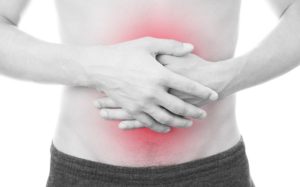
As the condition worsens, the symptoms are more noticeable. Unpleasant aftertaste, soreness after eating sour, spicy, fatty foods. There is a feeling of heaviness and fullness, gas, nausea, heartburn.
Colic occurs at any time, the main thing is to see a doctor on time. Self-medication is fraught with unpredictable consequences, because a person does not know the true purpose of the medicine. Only a gastroenterologist will suggest optimal therapy and prescribe vital medications.
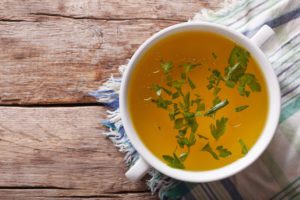
Painful sensations can occur at any time, during an attack, the following actions must be taken: to provide the patient with peace, induce vomiting, put heat on the stomach. But not a hot water bottle! The patient is not fed for up to two days as a therapeutic therapy, only lemon tea can be given. Then liquid food is slowly introduced - slimy soup, broth, grated porridge. Prolonged twisting and irritation of the gastric mucosa will remove analgesics, antispasmodics. However, medications should be approached with caution, they aggravate the condition of the tract with gastritis.
The patient must follow a certain diet for a long time and undergo the therapy prescribed by the doctor. The gastroenterologist compiles the list of products.
Peptic ulcer
The ulcer is characterized by cuts in the stomach, developing gradually after a meal. During periods of exacerbation, wild pains appear, pressure decreases, a person turns pale, bruises appear under the eyes. Functionality is impaired, a person feels pressing pains, suffers from constipation, stomach muscles are always tense, digestion does not do its job. There is also unpleasant belching, bouts of vomiting, heartburn, weight loss. The disease is seasonal, worsening in early spring.
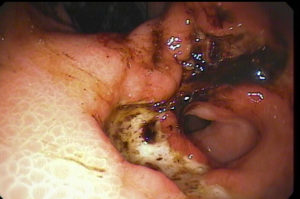
Stomach ulcer
The painful syndrome requires complete rest and recumbency. Drinking water is acceptable, but eating food is contraindicated. In this case, you do not need to make compresses, put heating pads. Such actions will provoke severe cramps in the stomach. A person suffering from a peptic ulcer is able to determine what is happening to him. Therefore, when an ulcer worsens, prescribed painkillers are taken. It is foolish to take soda, when it is used, carbon dioxide is released, irritating the mucous membrane. Anti-acid drugs will help. In the absence of drugs, dissolve a spoonful of starch in warm water. In emergency situations, it is better to immediately call an ambulance. The ulcer can cause stomach bleeding.
Other reasons
Rotavirus infection. Disease-causing bacteria settle in the stomach, the process of reproduction begins. A person has a growing pain, acute spasms. A persistent symptom is intestinal upset, vomiting occurs. Paroxysmal pains appear, heaviness is felt, as a result of which digestion is disturbed.
Food poisoning. Sharp colic in the abdomen indicates poisoning. Acute stomach pain occurs unexpectedly with increasing symptoms. Sweat production increases, the temperature may rise, the person feels very tired. All this is accompanied by bouts of vomiting, nausea, frequent diarrhea, and dizziness. Symptoms begin to appear about three hours after eating.
Food allergy. Loose stools, vomiting, abdominal distension indicate an allergic reaction of the body. Fish, lactose or liver intolerance is most common. Childhood is no exception. Children are least protected from constipation and diarrhea. The child becomes irritable, crying loudly for a long time. It is worth replacing breastfeeding with either milk formula, the child will immediately stop worrying.

Treatment of seizures
Stomach treatment begins with a change in diet. In order for the digestion process to recover faster, the following foods are removed:
- Baking.
- Meat broths.
- Mushrooms.
- Sauces.
- Sour fruits.
- Smoked and canned foods.
- Carbonated drinks.
- Vegetables: sorrel, sauerkraut, onions.
Severe colic will go away after taking antispasmodic medications. The included enzymes will speed up digestion and give a feeling of lightness in the stomach. Restore the gastric mucosa, relieve heartburn Maalox, Rennie.
Gastric cramping with an ulcer during an exacerbation of the disease will help to remove antibiotics prescribed by a healthcare professional. You can reduce acidity yourself with the help of antacids: Almagel, Ajiflux, Maalukol.
Paroxysmal shingles are typical of pancreatitis. Self-medication is prohibited, it can be fatal. Better to see a healthcare professional.
Help in reducing the severity of overeating consists in drugs that accelerate the breakdown of proteins, carbohydrates, crushing of fats in the stomach. The means are used: Festal, Mezim, Activated carbon, No-shpu.
Help for adults
A painful spasm in a woman can be caused by the onset of menstruation. Symptoms usually go away quickly, but severe intolerable contractions require qualified specialist help. Additionally, symptoms of nausea, fever, and abundant vaginal discharge of an unpleasant odor may occur. Acute twisting in the abdomen in men signal urological, muscle, bone diseases.
The patient is given a drip to restore water balance, fasting is recommended until the cause is established. Necessity is important in avoiding complications. If the pain is caused by a spasm, the patient will be given an injection to eliminate it, and will be given pain medication.
It is worth contacting a doctor if the pain in the abdomen only intensifies, interferes with movement, eating, and going to the toilet normally. Accompanied by the urge to vomit, fever, profuse bleeding, does not allow sleep at night.
Helping children
In children, outbreaks of colic occur frequently. Parents carefully observe the well-being of their child, if it is not good, with symptoms of danger, they run to see a doctor. Parents during illness do not feel better, they worry. It is especially difficult with adolescents, the manifestation of care should not be perceived intrusively, unnecessarily.
If a cutting pain persists for more than 30 minutes, an ambulance should be called. While waiting for help to the patient, do not put a heating pad, this will only worsen the condition, you cannot apply heat - only cold. Follow these steps: put in bed on your left side, pressing your knees closer to the stomach. Wait for the arrival of an ambulance, do not use anything for the correct diagnosis of the disease. In case of acute cramps, it is permissible to take No-shpa, Spazmalgon, so that a painful shock does not arise. Treatment will be prescribed by a paramedic based on the disease, general condition of the patient, and test results. If the disease is not dangerous, then the patient will be left at home. In severe cases, outpatient treatment will be required.
During the period of home treatment, the child is provided with bed rest, maximum fluid intake, and minimum food. A horizontal position will relieve pain. When the temperature rises, they give antipyretic drugs (Paracetamol). When vomiting, the liquid does not remain in the body, but it is also not worth pouring in a lot of water. Paramedics advise giving only small sips of water. For abdominal pain, antacids are taken: Fosfalugel, Maalox, Acipol.
Diet is important, and semi-liquid food is given. The child will let you know when he wants to eat. Begin eating with soft fruits, rice, broth. Recovery lasts about a week and does not require taking strong medications, especially folk methods. Do not give antibiotics without a doctor's prescription. Herbal infusions and other self-medication can lead to disastrous processes. It is better to refuse to take antispasmodics that make it difficult to establish a diagnosis.
Urgent care
Regardless of the nature and cause of discomfort, you need:
- Take a horizontal position.
- Remove belly-tightening things.
- Drink only clean water without gases.
- Fasting is a way to relieve tension from vomiting.
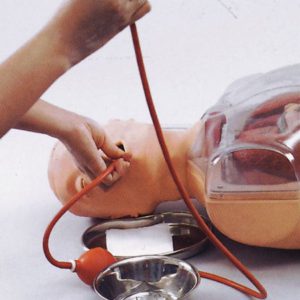
- Rinse the stomach with water.
- Call an ambulance for acute pain.