Stomach hurts during pregnancy: what to do in the early and late stages
The slightest stress, chronic illness, non-observance of the diet - cause stomach illness. Discomfort increases during pregnancy. Half of women carrying children experience stomach pain during pregnancy.
The hormone progesterone from the moment of conception of the child works at an increased pace, creates the necessary conditions for bearing the fetus. It promotes increased production of juice in the digestive tract. Women with gastrointestinal problems during pregnancy experience relief. The juice envelops the stomach, protects, discomfort does not bother.
Stomach pain can be experienced by women who have not had gastrointestinal diseases.
Content
-
1 Causes of stomach pain
- 1.1 Gastritis, peptic ulcer
- 1.2 Diseases of the liver and gallbladder
- 1.3 Difficulty defecation
- 1.4 Viral infections
- 1.5 Enlargement of the uterus
- 1.6 Anxiety, excitement, stress
- 1.7 Allergic reactions to food and food poisoning
- 1.8 Toxicosis
- 2 Second trimester
- 3 Pain in the later stages
- 4 Menstrual pain
- 5 Pain management in pregnant women
- 6 Preventive measures for stomach pain
- 7 Food for pregnant women
Causes of stomach pain
In the early stages of pregnancy, difficulties arise from a chronic illness. To establish the correct diagnosis, it is necessary to undergo an examination so as not to miss an important point. In the early days, the threat of miscarriage is small. If a woman continues to be ill for up to 11 weeks, a doctor's help is needed.
During pregnancy, the stomach hurts due to the woman's sensitivity. Changes in hormonal levels, restructuring of the uterus affect the mucous part of the gastrointestinal tract.
A woman prefers products that she has not been fond of before, and the internal organs must adapt to them. If you want dairy products - a plus for the stomach. During this period, tastes can change dramatically.
In the first three months, the chronic disease that the expectant mother has is exacerbated. Pay special attention to nutrition, regimen, visit a gastroenterologist.
At first, pregnancy is difficult due to toxicosis. Under the influence of nausea, vomiting, I do not want to eat for a long time. At this time, the gastrointestinal tract is empty, the secretion of juice continues, irritating the gastric walls. The body responds with pain to hunger disruptions.
Let us examine the specific causes of stomach pain in a pregnant woman.
Gastritis, peptic ulcer
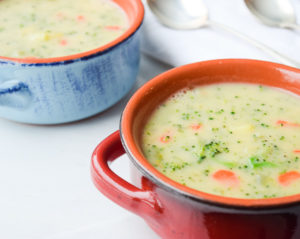
Diseases are provoked by the intake of sour, fried foods, spicy food, a long period of time between meals. Discomfort after eating signals the development of an ulcer. The source of gastritis is the bacterium Helicobacter pylori, which is treated with antibiotics. But pregnant women cannot take drugs, the main treatment is postponed until after childbirth. It is important to follow a diet, take low-fat soups, cereals, low-fat dairy products.
Diseases of the liver and gallbladder
Diseases of internal organs are interrelated. Diseases in the liver and gall bladder give off pain in the stomach. With pain in the gastrointestinal tract, the reason may be hidden in another. To make the correct diagnosis, you need to consult a doctor.
Difficulty defecation
A common occurrence among pregnant women. The cause of constipation is hormonal levels, an increase in progesterone. A change in its level leads to a slowdown in the work of digestion, intestines, constipation is likely in early pregnancy. Reducing physical activity leads to a similar situation.
Viral infections
Infectious diseases lead to disorders in the gastrointestinal tract: vomiting, nausea, diarrhea, fever, fever.
Enlargement of the uterus
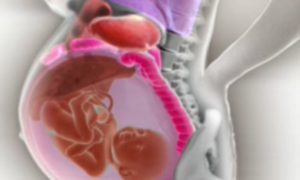
As the fetus grows, it presses on the area inside the abdomen, the stomach. The uterus presses on the organ, pains appear.
Anxiety, excitement, stress
Stressful situations always give off pain, disturbances in the gastrointestinal tract. Women become extremely emotional and irritable during pregnancy.
Allergic reactions to food and food poisoning
Foods loved before pregnancy can cause allergic reactions while carrying a baby. Food poisoning is dangerous. In the latter case, pain appears after 35-50 minutes. Poisoning during pregnancy causes blood clots and dehydration. The most dangerous foods are mushrooms. Harmful substances, having penetrated the placenta, affect the further development of the child.

Toxicosis
The main signs of toxicosis - attacks of nausea, vomiting are sometimes associated with discomfort in the gastrointestinal tract. The phenomenon more often occurs at the beginning of pregnancy, sometimes it is observed in the later stages. Bananas and apples, warm milk with the addition of honey help with toxicosis. After toxicosis, pregnancy is easier.
Second trimester
In the second trimester, stomach discomfort is associated with an increase in fetal weight. The uterus, increasing, presses on the abdomen. Under pressure, the gastrointestinal tract does its job poorly, food enters the intestines with a delay. Undigested food lingers in the digestive tract, causing nausea, heartburn, and belching.
Pain in the later stages
These pains begin due to stretch marks on the nodes that support the uterus. A growing child expands the organ pressing on the nodes. Stretching is felt with sudden, quick movements, coughing.
Abundant food intake is a defect that pregnant women suffer from. Overeating causes the stomach to stretch, causing discomfort. In the last weeks, the sensation of pain decreases. The woman is preparing for childbirth. The uterus, pressing on the internal organs, descends. If the pain persists, a doctor's consultation is necessary.
Menstrual pain
Care should be taken when a pregnant woman has menstrual pain. They are dangerous in the late stages of an interesting situation. In case of dizziness, fainting, discharge resembling menstruation, you should immediately call an ambulance. Pain can occur with an ectopic pregnancy or termination. Illness or injury to the abdomen can cause miscarriage. If you experience these symptoms, see your doctor immediately.
Pain management in pregnant women
Any treatment for the expectant mother is supposed to be careful. In the first weeks, the fetus is forming, any intervention is undesirable. You cannot self-medicate. Everything happens under the strict supervision of a doctor.
The examinations prescribed by the doctor will help identify the cause of the discomfort. Treatment with medication is prescribed with extreme caution. When the pain is strong, sharp, brings a woman strong inconvenience, the doctor, in order to relieve it, prescribes weak doses of drugs that will not harm the baby. For example, the long-known pain pills - No-shpa. Smecta has a softening and protective effect. Cerucal will help to cope with attacks of nausea. Iberogast is effective for pain in the intestines and other digestive organs. For heartburn in patients with gastritis, the doctor prescribes Maalox and Fosfalugel.
In the treatment of stomach pain, folk remedies are used:
- Pregnant women are prescribed sedative herbs that are necessary during this period. Collection of herbs from motherwort, valerian and lemon balm is recommended.
- Chamomile is used with St. John's wort and yarrow for gastritis.
- Honey with the addition of aloe juice helps with gastritis. They soothe, heal the stomach walls.
- The ideal remedy for gastritis is warm mineral water. You can not drink it in excess, this can result in edema, unfavorable for pregnant women.
- Mint tea - relieves pain and heals sleep.
- St. John's wort - is considered a herb for many diseases. It is allowed to use it for any period.
- Dandelion flowers. It is not difficult to prepare a healing remedy from a dandelion on your own. We collect flowers at the time of flowering, pass through a meat grinder, add sugar 1: 1. We take such a medicine at the rate of 1 tsp. per 100 ml of boiling water.
To reduce the attacks of pain, it is necessary to follow a diet. Limit the use of fried, overly salty and smoked foods. Spicy and pickled foods are excluded from the diet. The interval between meals is no more than 3 hours.
Preventive measures for stomach pain
Discomfort can be significantly reduced by observing the rules:
- Rejection of bad habits.
- Multiple meals, in small portions, with an interval of 3-4 hours.
- After eating, you can't go to bed right away.
- Eating at night is prohibited.
- Drink at least 1 liter of water per day.
- Do not take acidic, salty, smoked, fried foods that irritate the gastrointestinal mucosa.
- Start the day with a light breakfast - porridge, milk soup and chamomile tea.
- Do not take everything to heart, do not be nervous.
- For snacks, use light, non-acidic fruits.
- Take walks in the fresh air constantly.
- Restful sleep.
- Go to consultations on time.
If your stomach suddenly gets sick, feels sick, fever has risen, you will have to see a doctor, this may be a sign of food poisoning.
The condition of pregnant women primarily depends on the women themselves. The doctor will not help if you do not follow the recommendations. The expectant mother is obliged to eat healthy food. We must not forget to move. To be on the street more often, to do some easy things. When moving, food is digested faster and the work of the stomach is facilitated. Separate food also comes to the rescue.
Food for pregnant women
It's no secret that the expectant mother should eat foods rich in vitamins. The menu must include meat and vegetable dishes, especially steamed ones. Abuse of starchy foods leads to an increase in body weight and the appearance of constipation, which is fraught with pain in the stomach. The benefits of fruits and vegetables are invaluable, but they should not be abused - taking in large quantities is harmful to the expectant mother. Excessive gas formation, nausea, heartburn, constipation are provoked. We must not forget about the importance of drinking water. In the absence of edema, at least 2 liters of water per day should be taken.
Subject to all the rules, maintaining a healthy lifestyle, bearing a healthy baby is quite real.