
Pancreatic steatosis: what is it, causes, symptoms
Unfortunately, throughout its life, the human body is exposed to a large number of different diseases that develop under the influence of various factors affecting the body, which can come both from the external environment and from the inside US. However, while some diseases cannot be predicted and prevented with 100% probability, others lend themselves well to preventive measures. This category also includes pancreatic steatosis. What it is, we will tell you in today's material.
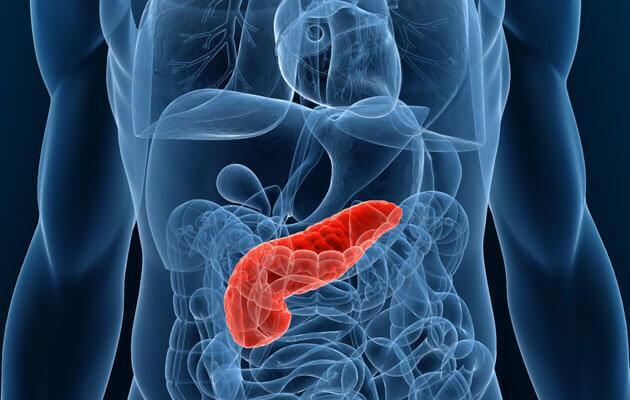
Pancreatic steatosis what is it
Content
-
1 Steatosis - what is this disease
- 1.1 Cell replacement process
- 1.2 The reasons for the development of pathology
- 1.3 Symptoms of pathology
- 2 Who is susceptible to the disease
- 3 How to diagnose the disease
-
4 How to treat a disease
- 4.1 Diet
- 4.2 Sport
- 4.3 Drug treatment
- 4.4 Operation
-
5 Let's summarize
- 5.1 Video - Pancreatic steatosis
Steatosis - what is this disease
Under the medical term "steatosis" is a certain process of transformation of cells of the pancreas, from specific to fatty.

Pancreatic tissue cells are replaced with fatty structures
Like all other diseases, this pathology does not wake up by itself. The disease in question is provoked by leading an improper lifestyle, for example:
- smoking;
- improper diet;
- constant use of strong alcohol.
Do not underestimate the importance of such an organ as the pancreas. Citizens who are ignorant of medicine may think that it has only an indirect effect on the processes occurring in the body, however, this idea is fundamentally wrong.

What does steatosis look like?
Despite the fact that food is not digested inside the pancreas, this process is virtually impossible without it, since it is it secretes a set of enzymes - digestive secretions necessary for the breakdown of dietary fiber into microelements and their assimilation.
Unfortunately, in conditions of impaired functioning of the desired organ, complications manifest themselves in the work of not only the organs of the gastrointestinal tract, but also other systems of the body.
Cell replacement process
Let's look at what stages the process of transformation of organ tissues goes through, during which the pancreas loses some of the cells that secrete secretions.

Pancreatic cells are replaced with fat gradually, under the influence of various negative factors
- During the first stage, various harmful factors influence the organ. The desired stage can last for months, or maybe years. The lower the resistance of the organism, the earlier the potential consequences will manifest themselves.
- When the body's resistance decreases, the cells of the pancreas, which are responsible for the production of digestive juices, die off.
- As the tissue of the organ dies off, each cell affected by necrotic processes is eventually replaced by fat. Just as connective tissue heals lesions in the intestines, for example, or tightens wounds on the surface of our epithelium, adipose tissue replaces the specific structures of the gland.
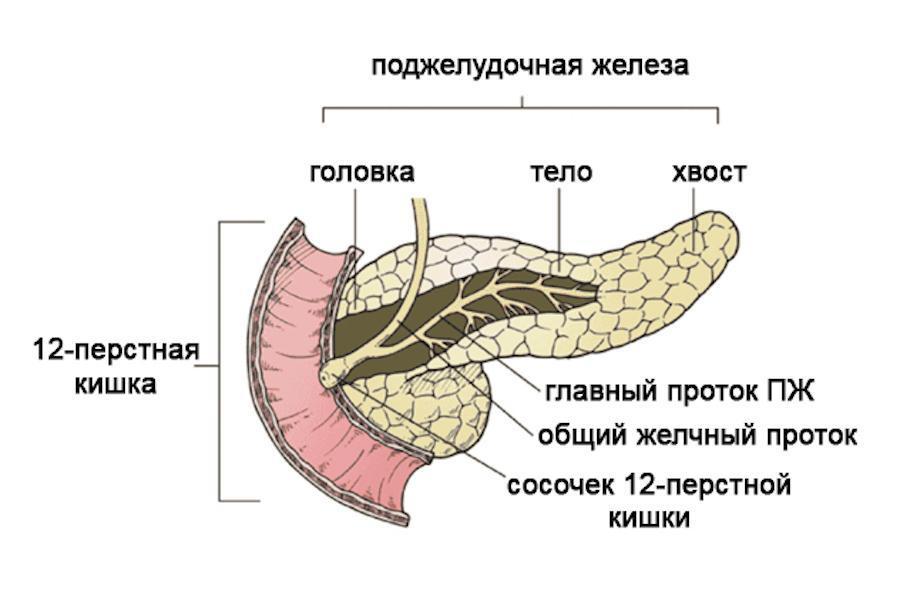
Pancreatic segments
It would seem, what is the danger if the organ, as a result, retained its integrity due to the launched natural healing process? Here's what. The fat cells that replaced the previously working parts of the organ thus tightened the wounds and healed the gland as a whole, however, they are not able to take over and perform the functions of their predecessors. In this case, the following happens:
- the work of the tissues of the pancreas, which produce the secret, is carried out in an extreme mode;
- the body tries to make up for the lack of working tissues of the organ, however, it oversaturated it with fat, as a result, even more of the gland loses its ability to function.

Pain syndrome with steatosis does not manifest itself immediately
Due to the ongoing processes described in the list above, the following consequences may occur:
- the pancreas will gradually die off completely;
- instead of it, another organ is formed, which will be 100% fat
As a result, the renewed "fatty" gland will not be able to perform the functions of the pancreas, which means that the food entering the gastrointestinal tract will no longer be able to be processed. Nutrients will not enter the bloodstream, organs, etc. As a result, the entire human body will begin to gradually die.
Note. In the process of overgrowth of fat cells, not only the pancreas can be destroyed, but other organs can also be damaged and affected by the process. That is why it is very important to understand what kind of disease has affected your body, and to prevent its further development.
The reasons for the development of pathology
Before you understand how to deal with steatosis, you need to find out the reasons for its development.

Improper nutrition is one of the reasons for the development of the disease
These include:
- a person's way of life;
- diseases currently in his body.
So, let's consider the factors influencing the development of steatosis, included in the first category (lifestyle).
1. First of all, the frequent use of strong alcohol has a negative effect on the pancreas. By the way, not only the development of steatosis, but also, for example:
- acute pancreatitis;
- cirrhosis of the liver;
- other violations.

Comparison of a healthy liver and a liver affected by cirrhosis
2. The second bad habit, provoking the development of the pathology of interest to us, implies constant smoking. As you know, when consumed, cigarettes have a negative effect on the body through its clogging:
- combustion products;
- resins;
- nicotine (strong poison).
There is nothing surprising in the fact that such a sensitive organ as the pancreas is under under the influence of a constantly flowing toxin, it transforms and replaces useful tissues with fat structures.

Factors Affecting Pancreatic Damage
3. Incorrect nutritional settings also have a negative effect on the organ. So, steatosis usually occurs when using:
- fatty animal food;
- smoked meats;
- spicy food;
- salted food, etc.
4. Being overweight is another common cause of steatosis. It, as a rule, goes side by side with malnutrition, and instantly causes the development of the pathology of interest to us.

Excess weight is an additional negative factor that provokes the disease
5. In addition, as we have already said, other pathological processes that are already taking place in the human body with an affected pancreas can become the reasons for the formation of the desired disease:
- cholelithiasis (the formation of stones in the gallbladder);
- inflammation of the gallbladder (cholecystitis);
- diseases of the digestive system;
- diabetes;
- pancreatitis, which triggered the death of pancreatic cells.
In addition, surgical interventions previously undergone by the patient can also affect the replacement of the cells of the tissues of the gland with fats.

Signs and symptoms of diabetes
6. In some rare cases, the development of steatosis is a consequence of genes inherited from the parents. In other words, either your mother and father, or grandparents, etc. suffered from this disease. Most likely, it was from them that this sore, unpleasant in all respects, passed on to you.
Symptoms of pathology
To determine the development of the desired disease, it is necessary to pay attention to several of the following factors.
- Pancreatic disease, during which its beneficial structures are replaced by adipose tissue, is usually asymptomatic, as it develops extremely slowly.
- Unfortunately, the symptomatology characteristic of steatosis manifests itself already at a late stage of organ transformation, when half of it is replaced by fat.

The first signs of organ pathology appear already when almost half of the pancreatic tissue is replaced by fatty tissue.
Let's take a closer look at the characteristic manifestations of the disease.
1. First of all, various dyspeptic disorders arise, namely:
- diarrhea;
- heartburn accompanying every meal;
- nausea and vomiting;
- allergic manifestations (in the form of stool disorders or vomiting) to previously unreactive products;
- flatulence and bloating.

Dyspeptic disorders are one of the first manifestations of steatosis
2. Further, the pain syndrome manifests itself, which is characterized by unpleasant sensations in the area:
- just under the ribcage;
- generally in the upper abdomen.
Usually, discomfort makes itself felt after eating.

Weakness is another manifestation of the disease
3. It is also necessary to indicate the symptoms associated with general changes in the condition, namely:
- the onset of weakness;
- lethargy;
- lack of desire to eat.
4. Immunity decreasing in the conditions of development of steatosis causes the simultaneous development of other diseases, for example, colds and the like.

Ways to strengthen immunity
5. The external manifestations of steatosis are as follows:
- the whites of the patient's eyes become yellow;
- the skin of the upper and lower eyelids also turns yellow and dries.
Who is susceptible to the disease
In most cases, steatosis develops when there is a combination of the following two factors:
- wrong lifestyle;
- development within the body of any of the comorbidities listed above.

Most often, the disease affects men and women aged
Unfortunately, not only is steatosis itself a very difficult disease, it also provokes a very rapid development of such a pathology as cirrhosis of the liver. Together, these two pathologies at once are capable of killing a healthy person even in all other respects.
The age category most susceptible to the development of steatosis is represented by citizens of both sexes:
- women 60 and older;
- men aged 50 and over.

You should give up bad habits
The fact is that citizens who have lived to this age are usually no longer able to give up bad habits, for example, from smoking or drinking, while their immunity has long been weakened, and cannot resist incoming toxins. The same applies to junk food, the use of which at this age is as dangerous as smoking or drinking alcohol.
How to diagnose the disease
Like other dangerous diseases, steatosis cannot be diagnosed solely during the initial examination based on the patient's indications, since, unfortunately, they are not enough.
The main diagnostic activities will be carried out through the following categories of research.
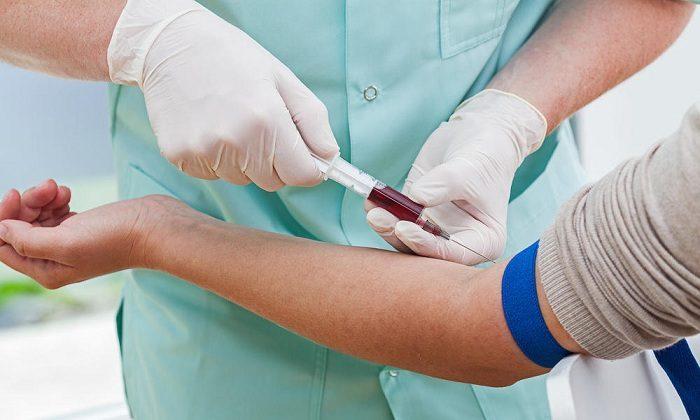
To diagnose the disease, the doctor will take your blood and urine for analysis.
Table 1. Tests conducted to diagnose steatosis
| Instrumental diagnostics | Laboratory research |
|---|---|
Instrumental diagnostics is a method that involves examining a patient using specialized medical equipment. So, they usually carry out:
|
Further diagnostic methods are based on the study of biological fluids of the human body in a laboratory. So, they take for inspection:
|

Stages of liver damage
Additionally, when the diagnosis of steatosis is established, the liver function is checked, since it is this the organ in the first place can pass the desired disease, starting the process of fatty infiltration of it cells.
How to treat a disease
When the diagnosis of interest to us is accurately established in a hospital setting (it is impossible to determine it on our own), the doctor prescribes the following treatment:
- diet;
- adding physical activity;
- taking medications.
Diet
Diet in this case is necessary, since it is necessary not only to prevent further ingestion inside the body of substances harmful to the pancreas, but also to reduce the patient's body weight by about 10-15%.

To cure steatosis, you need to give up junk food in favor of light and healthy foods.
Provided that the goal is achieved, the patient will feel a dramatic improvement. That is why the diet is prescribed individually in each individual case, taking into account the diseases already existing in the patient's body.
Sport
Doctors also include physical activity in a moderate and healthy diet.

All experts are of the same opinion that correctly designed sports training has a positive effect on the entire body and health.
There are special complexes developed for persons with steatosis, which are aimed at:
- losing weight;
- stimulation of the body organs.
Drug treatment
In addition, various drugs of the following groups are prescribed to eliminate the disease.

It is important to take your medications as directed by your doctor and do not stop on your own.
- First of all, drugs are prescribed containing enzymes, the amount of which will replace the loss of some of the digestive juices that have ceased to flow from the pancreas. This is necessary for the body to continue to process food and supply vital nutrients to the organs.
- The second group of drugs prescribed for pancreatic steatosis are drugs that suppress the production of gastric acid, the excess of which has an obvious negative effect on the further destruction of the person undergoing transformation organ.
- The third group of agents means drugs, contained within which substances carry out the removal of fats accumulating in it from the intestine.
Operation
In rare cases, surgery is also performed, which involves resection of lipomatous nodes. The desired procedure is carried out using an endoscope, the patient is put into general anesthesia during the operation.

Removal of part of the pancreas and spleen
Let's summarize
A disease such as steatosis, although not considered fatal, is still very dangerous, since as a result of its development, the human body loses a substantial part of the "power" of each organ. In other words, when the beneficial cells are replaced by adipose tissue, the organ ceases to be able to fully carry out the functions assigned to it and provide the body with everything it needs.
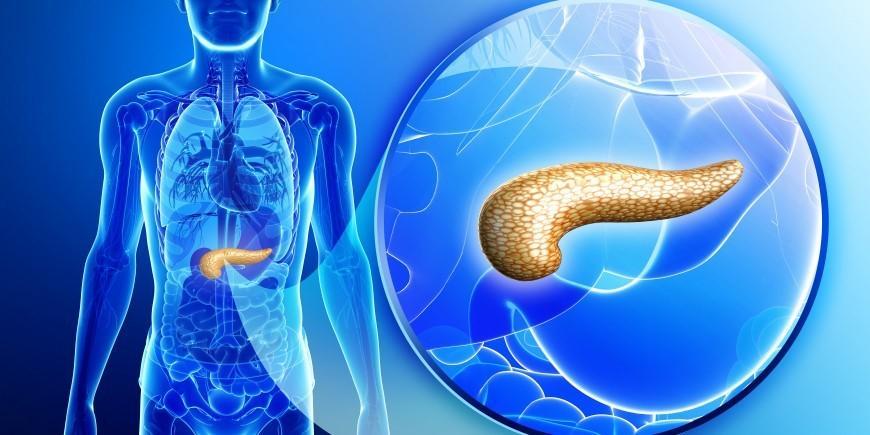
The sooner you find the disease, the sooner you get rid of it.
To avoid the development of steatosis, it is best to follow preventive measures such as:
- proper nutrition;
- regular physical activity;
- healthy lifestyle.
Provided that you combine all three of the above aspects in your case, you can avoid the occurrence of not only steatosis, but also other, no less dangerous diseases.


