Is it possible for a person to live without a pancreas: consequences of pancreatectomy, diet
The pancreas is one of the digestive glands located in the area behind the stomach. In addition to digestive function, iron is essential for the normal functioning of the endocrine system. Removing it leads to big problems, but the patient can live without an organ. To save life, you need to strictly follow the doctor's recommendations and follow the diet. In this article, you will find out if a person can live without a pancreas.
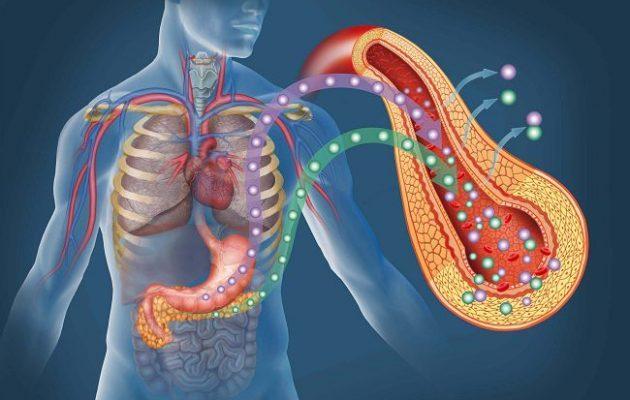
Is it possible for a person to live without a pancreas
Content
-
1 Description of the pancreas
- 1.1 Pancreas functions
- 1.2 Causes of organ dysfunction
- 2 Reasons for removing the pancreas
-
3 Features and dangers of pancreatectomy
- 3.1 Recovery period after surgery
- 3.2 Nutrition after pancreatectomy
-
4 Forecast for recovery and future life
- 4.1 Enzyme preparations
- 4.2 Pain relievers
- 4.3 Antacids
- 4.4 Proton pump blockers
- 4.5 Vitamin complexes
- 5 Pancreas transplant
-
6 How to prevent removal of the pancreas?
- 6.1 Video - Consequences and life after removal of the pancreas
Description of the pancreas
The organ consists of three parts: head, body and tail, it is large in comparison with other glands of the body. All parts of the pancreas are connected by small ducts through which the juice of the organ with the required amount of enzymes enters the duodenum. Also, the gland has a direct communication with the gallbladder, from where the bile juice comes out. Pancreatic enzymes and bile go into the small intestine one ampoule at a time, digesting food in the small intestine.

Pancreas
Usually with minor errors in power supply and no problems with Gastrointestinal tract the patient does not face organ dysfunction. But under the influence of a number of factors, including malnutrition and large body weight, oncological and inflammatory processes can start in the gland.
The danger of this condition is that the gland is located deep in the abdominal cavity behind the stomach. With an increase in its size, it is difficult to notice a violation. Usually, inflammation and cancer are diagnosed already in the presence of acute pain, nausea, vomiting and stool disorder. For this, ultrasound, CT, MRI and blood and urine tests are performed.
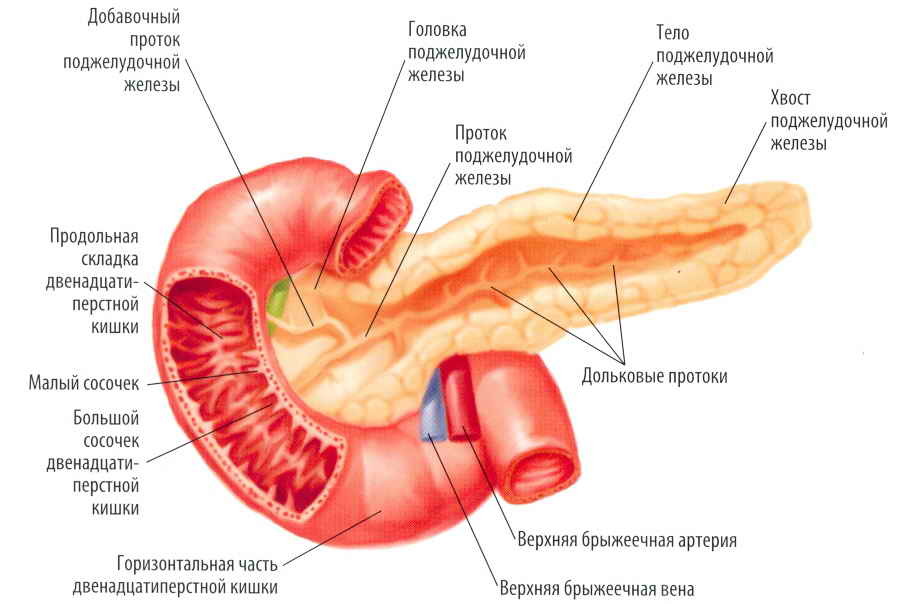
The structure of the pancreas
Pancreas functions
In the cells of the organ, amylase and lipase are produced, which allow the digestion of food in the small intestine. Enzymes are essential for the fast and proper breakdown of fats, proteins and carbohydrates. After processing, they turn into hummus, which resembles liquid feces in consistency.

Pancreas functions
If the functioning of the pancreas is disrupted, food cannot be broken down into the necessary components, due to which the stool is disturbed, tissues and organs do not receive the required amount of nutrients substances. Enzymes are retained in the organ and its self-destruction begins.
Also, insulin is produced in the pancreas. It refers to hormones that affect blood sugar levels. If the body does not produce enough insulin, the sugar level begins to rise sharply, which leads to the development of diabetes mellitus and the person needs injections of the hormone.

The pancreas is responsible for the production of the hormone insulin
Attention! The area of the gland where amylase and lipase are produced is called the exocrine portion. The part where the pancreas produces insulin is called the endocrine part. In case of violation of the functions of the organ, the production of both hormones and enzymes suffers.
Causes of organ dysfunction

Symptoms of pancreatic problems
The following reasons can disrupt the natural functioning of the pancreas:
- frequent intake of alcoholic beverages and smoking;
- frequent consumption of fatty foods, fried proteins are especially dangerous;
- a large number of smoked meats, pickles and sweets;
- the development of diabetes mellitus and abdominal trauma;
- operations on the abdominal organs, after which, in some cases, acute pancreatitis develops;
- inflammatory processes in any part of the gastrointestinal tract and organs of the abdominal cavity;
- problems with the pancreas of a congenital type;
- the appearance of cysts and cancerous growths.

Reasons for an enlarged pancreas
The pancreas is one of the most delicate and easily damaged organs. She suffers from the slightest disturbance in the diet, especially if the patient has other problems with the gastrointestinal tract and increased body weight. The organ can react with an inflammatory process even during operations on nearby organs, which ultimately may lead to the need to remove the gland.
Attention! Often, the gland malfunctions due to gallstone disease. It is connected by one duct to the gallbladder, due to which the release of stones from its cavity causes inflammation and the development of acute pancreatitis. With long-term treatment of the acute phase of the disease, the risk of developing pancreatic oncology increases several times.
Reasons for removing the pancreas
The organ is removed only if there are real indications that are strictly determined by specialists. At the same time, given the existing possibilities, the gastroenterologist will always try a conservative technique and only after its ineffectiveness will he decide on a partial or complete resection of the organ. This can be done if there are diagnoses described in the table.

A gastroenterologist will be able to make an accurate diagnosis
Table 1. Reasons for removing the pancreas
| Diagnosis | Its feature |
|---|---|
| Cancer | No more than 7% of people live with such a diagnosis for more than five years, since it is almost always found at a late stage. Only complete removal can prolong life. |
| Acute pancreatitis | It develops rapidly and can lead to the death of all cells of the organ. The gland is removed in case of tissue necrosis due to acute inflammation. |
| Chronic pancreatitis | With constant relapses and ineffectiveness of medications, a decision may be made on partial or complete removal of the gland. |
| Mucinous tumors | They are formed in the ducts of the gland and quickly develop into cancer. When they are found, part of the organ or the entire pancreas is removed. |
| Extensive trauma | When traces of rupture of an organ and bleeding from it are observed, a decision is made on its resection. |
| Hemorrhoidal processes | In the absence of surgical care, lead to the death of the patient |
| Multiple pseudocysts, abscesses and cysts. | They can also lead to the death of the patient due to inflammation of all organs of the abdominal cavity, massive intoxication and multiple organ failure. |
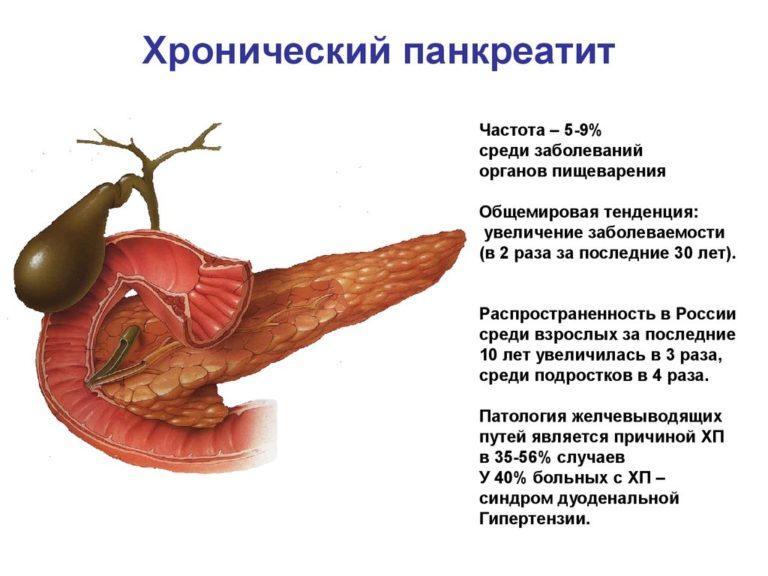
Chronic pancreatitis
Attention! In chronic pancreatitis, organ removal operations are rarely performed. Usually, a person lives a relatively fulfilling life, subject to constant diet and medication.
Features and dangers of pancreatectomy
A pancreatectomy is a complex operation to partially or completely remove the pancreas. In severe septic processes and necrosis, metastases, a decision can be made to remove adjacent gland of organs, including the gallbladder, spleen, small areas of the stomach, intestines and lymph nodes.

Metastases can develop anywhere in the body where wandering malignant cells enter
When the organ is removed, massive bleeding can develop, which will lead to death on the operating table. Sometimes, due to carelessness, an infection is brought in. Anesthesia can negatively affect the patient's health. In mild cases, it causes vomiting and nausea, in severe cases - anaphylactic shock and death of the patient.
Patients who have problems with excess weight, arterial hypertension, smoke a lot and are in old age are most susceptible to complications.

Preparing for a pancreatectomy
During the operation, the doctor cuts the area in the stomach area and, lifting it slightly, assesses the condition of the gland and how much it has suffered. After that, part or all of the pancreas is cut off. The vessels connecting the organ with others are necessarily pinched so that extensive bleeding does not occur. Also, after the incision, the condition of the adjacent organs is assessed, after which they are either left, or they are also resected. The wound is sutured with self-absorbable threads or special staples. Laparoscopy is usually done with minimal incisions.
Today, a fairly large percentage of patients survive after pancreatectomy, with the exception of cancer patients. Back in the middle of the last century, the survival rate was minimal; patients died on the table or within a short time after the intervention. Today, an optimal recovery program has been developed that allows you to replace the removed gland. But it is impossible to accurately predict the outcome of the operation and the patient's subsequent life. This is due to the fact that the functions of the gland cannot be taken over by any organ or other tissue of the human body.

The operation may take 4-8 hours, depending on the size of the pancreas to be removed
Attention! Gastroenterologists recommend that their patients, after a complete resection, turn not only for help to narrow specialists, but also to a psychologist. He will develop a suitable therapy that will make it easier to cope with lifestyle changes and long-term pain.
Recovery period after surgery
As soon as the operation is completed, taking into account the patient's condition, he is transferred to a regular ward or intensive care unit. In a hospital, he needs to spend from several days to several weeks, the duration of the recovery period after the operation is influenced by the cause of the operation and its outcome.

At the hospital, the staff will monitor you to prevent problems.
After surgery, the patient is on a diet of liquid products: water, herbal decoctions, mineral water, broth. Solid food is introduced only from 6-7 days and in small quantities. Pain after surgery can bother the patient from several days to several months.
For about 2-3 weeks, the patient is prescribed antibacterial drugs. For this, antibiotics of a wide spectrum of action are used, for example, the class of ciprofloxacins, penicillins, macrolides and others. They will eliminate tissue inflammation and prevent purulent-septic complications. Painkillers during this period are injected drip or into the gluteus muscle. The drugs and their doses are selected only by the doctor, taking into account the severity of the pain syndrome.
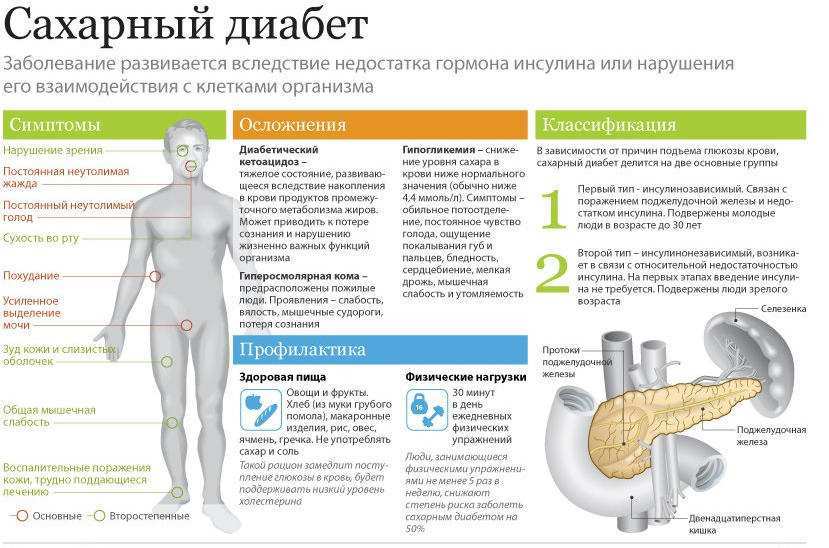
Diabetes
Already in the first time after the operation, the patient develops diabetes mellitus. This requires adjusting the doses of insulin that is administered for the rest of your life. After discharge, the patient is prescribed a complex of drugs that will replace the functions of the organ. The patient will be able to live without the pancreas after its removal only if they are constantly taken.
Attention! Due to the development of diabetes mellitus and removal of the pancreas, the patient's weight can grow rapidly. Therefore, it is required to completely abandon sweet foods, fatty and fried foods. It is important to maintain optimal body weight so as not to burden the body.
Nutrition after pancreatectomy
Nutrition after the removal of the pancreas is very important and plays a key role in conjunction with medications. If the patient does not eat properly, he will not be able to live without the removed organ. The first few days the patient is fasting, drinking a small amount of water without gas. You cannot drink more than a liter of liquid per day.

It is necessary to drink enough water to remove toxins from the body, as well as to maintaining normal blood viscosity and preventing the formation of blood clots, which often occurs after operations
Then unsweetened and weak teas, soup without salt, omelette on proteins are added, it is cooked exclusively for steam. Buckwheat and rice are prepared from cereals in water. Then, after 5-7 days, the diet is saturated with a small amount of butter, cottage cheese with a minimum fat content and stale bread. Of the vegetables, only those that do not cause gas are useful. Cabbage is completely prohibited. Grind vegetables and are best served as a soup. The meat should be completely lean, it should be introduced no earlier than 10-15 days and only for a couple or after baking.
Throughout life, after removing the pancreas, so as not to die, the amount of salt and carbohydrates in the diet, especially simple ones, is minimized as much as possible. You cannot take more than 3-8 g of salt per day, for each patient a different rate is selected. In this case, it is also worth considering the salt that the patient receives with store products.

The best nutritional counselor is a specialist (gastroenterologist, nutritionist)
Attention! How long a person will live without a pancreas is impossible to say. It all depends on the general immunity, the cause of the disease, as well as his efforts in treatment and diet. The minimal chances of survival without a pancreas, even with the right diet, are associated with cancer and necrosis.
Forecast for recovery and future life
It is possible and quite realistic to live without a pancreas with minimal restrictions. But at the same time, you should pay attention to the reason for the operation. In cancers of a malignant type, life expectancy depends on the stage at which the intervention was carried out and whether there were metastases to organs and bones.
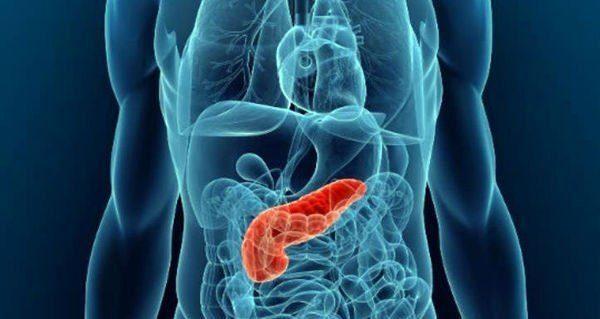
After the operation to remove the pancreas, the body is deprived of digestive enzymes and insulin, which, in principle, is a great threat to health and life. But practice shows that a full life without a pancreas is possible, and modern medicine allows this
In other cases, the patient is tied to medication for life. At the initial stage, he must undergo a course of antibiotics, after which the optimal set of medicines is selected.
Enzyme preparations
These include Creon, Festal, Mezim and their substitutes and analogues. They completely replace the work of the pancreas, releasing amylase and lipase into the digestive tract. They digest food and eliminate bloating and stool problems. Enzymes are taken with each meal in individually selected doses.

The drug "Creon" contains enzymes that are vital for our digestive tract
Pain relievers
Sometimes they have to be taken over several months. After the operation, the patient is prescribed blockades with Novocaine, Atropine and other strong analgesics. Then the patient is transferred to antispasmodics No-Shpu, Drotaverin, Spazgan and others. It is recommended to change the drug every 1-2 weeks so as not to become addictive.

"No-Shpa" and "Drotaverin" are effective antispasmodics
Antacids
They are used to treat heartburn, bloating, and flatulence. Such medicines include Gastracid, Fosfalugel, Almagel A and the like. They are usually used in courses of 7-15 days in individually selected doses.

With prolonged administration of Gastracid, an adequate intake of phosphorus salts with food should be ensured
Proton pump blockers
They relieve inflammation, support the gastrointestinal tract and prevent gastritis and ulcers from developing. These medicines include Omez, Omeprazole, Ultop and others. They are usually taken no more than twice a day, usually in the morning. Treatment courses last up to 4 weeks.

The drug "Omez" is quite well tolerated by patients with a low probability of side effects.
Vitamin complexes
They are aimed at maintaining the body and replenishing the mineral balance. Vitamins are taken in monthly courses three times a year. Complivit, Vitrum, Gravitus, Alphabet help well. Usually one tablet or capsule is taken per day, unless otherwise recommended.

It is not recommended to use Complivit "simultaneously with other preparations containing vitamins and minerals.
Attention! Also, taking into account the regularity of the stool, the patient may be assigned medications against diarrhea and constipation. They cannot be taken on an ongoing basis, you should try to normalize the state of nutrition. Only a doctor selects the exact preparations after removal of the gland to normalize the stool.
Pancreas transplant
On the territory of the CIS, such operations are carried out very rarely and only in large clinics, usually no more than a thousand in a whole year. The operation is very complex and requires a good qualification of the doctor. Before the intervention, a complete examination is carried out, after which a conclusion is made about the possibility of transplantation. Usually it is carried out only up to 50 years old because of the high risk of complications.

Pancreas transplant
Almost always, only the tail part of the organ, which is responsible for the production of insulin, is transplanted to the patient. This cures diabetes, but not digestive problems in general. Implantation is performed through the introduction of a mixture of gland cells into a vein.
Such an operation is very complicated and so far cannot boast of great success. Only 80% of patients live for two years, 10 years - 28%.
Attention! After transplantation, the patient takes immune drugs all his life, which do not allow the organ to be rejected.
How to prevent removal of the pancreas?

Proper nutrition is the key to health
In order to prevent the development of problems with the organ, which may lead to the need to remove it, it is required to adhere to the following rules:
- eat lean meat and fish, it is desirable to combine them with vegetables;
- it is better to subject food to minimal heat treatment, baking, boiling or steaming;
- the amount of oil, including vegetable oil, should be minimized;
- it is required to engage in feasible physical activity in order to maintain a normal body weight;
- after abdominal injuries with prolonged pain, exclude the development of pancreatitis and other pathologies;
- in the presence of chronic diseases of the gastrointestinal tract, prevent their recurrence, and in case of problems, take timely courses of therapy.
Attention! The same methods should be used by patients with acute pancreatitis and chronic pancreatitis. Pathology constantly gives relapses and can lead to the need to remove the gland.

You need to see a doctor and not engage in self-diagnosis
Pancreatectomy is a serious surgical intervention that leads to complications and requires the patient to constantly take medication to maintain life. In order not to bring your body to the need to remove an organ, it is required to observe preventive methods and promptly seek help for symptoms of disorders in the pancreas.