
Rumbling in the stomach and loose stools: causes and treatment, details
If you are worried about rumbling in the stomach and loose stools, this does not mean at all that pathology is developing. Most likely, there was a simple poisoning or overeating. But in any case, you need to carefully monitor the symptoms, and if they are suspicious consult a doctor so that he can more accurately diagnose your condition and rule out the possibility of a serious diseases.
The causes of these symptoms can be both physiological and pathological. The former are completely normal and do not pose a health hazard, the latter indicate that a developing symptom is a consequence of a serious illness that is needed as soon as possible diagnose and treat.

Rumbling is not always a sign of pathology
Content
-
1 Physiological causes
- 1.1 Binge eating
- 1.2 Poisoning
- 1.3 Acclimatization
- 1.4 Stress
- 1.5 Pregnancy
- 1.6 A sharp change in diet
- 1.7 Active use of laxative foods
- 1.8 Digestive disorders in children
-
2 Pathological causes
- 2.1 Intestinal mucosal pathologies
- 2.2 Peptic ulcer and duodenal ulcer
- 2.3 Exacerbation of pancreatitis
- 2.4 Dysbacteriosis
- 2.5 Intestinal infections
- 3 When should you see a doctor
- 4 Diagnostics
- 5 Treatment
-
6 Prophylaxis
- 6.1 Video - Rumbling in the stomach and loose stools: causes and treatment
Physiological causes
Rumbling in the stomach and loose stools can result from:
- overeating;
- poisoning;

Poisoning with stale food causes rumbling
- acclimatization;
- stress;

Stress is a common culprit for stomach rumblings
- pregnancy;
- a sharp change in diet;
- abundant use of products that have a laxative effect or provoke gas formation.

Many foods cause gas production and, as a result, rumbling.
Attention! All of the above reasons are not dangerous and are corrected by changing the diet or environment. Let's consider them in more detail.
Binge eating
Overeating doesn't necessarily mean eating large amounts of food. Sometimes this is just an illiterate combination of food components, an excessive variety of the diet.
Normally, the human body is shown separate nutrition or at least a combination of compatible products. At holidays and feasts, there can be a wide variety of dishes, and it is not always possible to control yourself so as not to try each of them.

Food must be separate
The stomach cannot cope with the excessive load, food components are not able to digest on their own, and without taking enzyme preparations, the body begins to react violently - rumbling and diarrhea. The purpose of this reaction is only one - to remove food from the stomach as soon as possible in order to remove congestion.
In this case, these symptoms do not pose any threat, you can only help the body by taking drugs such as Pancreatin or Mezim and wait until the "storm" in the stomach subsides.

Enzyme preparations will help get rid of heaviness in the stomach and rumbling
During the next day, you must follow a diet: eliminate all fatty and smoked, and introduce into the diet:
- rice;
- porridge on the water;
- broths;
- drinking plenty of fluids.

Rice porridge on the water with dill
Poisoning
Poisoning refers to physiological reasons, because there is no hidden disease. But still, in some cases, in the absence of timely treatment, even a simple poisoning can pose a serious threat to human life.
In case of poisoning, toxins, poisons or spoiled food components enter the body. The stomach begins to react violently, rumbling. The intestines are instantly connected, also wanting to quickly get rid of the source of poisoning.

Signs of poisoning
Most likely, the doctor will prescribe absorbents, plenty of fluids and bed rest.

Absorbent for poisoning
Acclimatization
When changing the climatic zone, each person's body can behave differently. In some cases, abdominal discomfort may occur: rumbling, diarrhea.

The intestines may behave unpredictably during acclimatization.
The use of sorbents, which bind excess fluid and eliminate the symptom of diarrhea, as well as dietary adjustments, will help. Most often, you just need to wait out the adaptation period.

Enterosorbent "Polysorb" - the best help for acclimatization
Stress
The so-called "bear sickness" is a characteristic symptom of stress in some people. It arises as a result of waiting before a significant event: an exam, a public speech or just an important meeting.

Before important events against the background of stress, the intestines can malfunction.
As a rule, medications do not help here. It is best to take a sedative and assess the situation rationally. More often than not, a sober look at the circumstances helps to get rid of the fear and eliminate the unwanted symptom.

Sometimes a sedative is needed for digestive upset.
Pregnancy
During pregnancy, discomfort in the gastrointestinal tract is a fairly common occurrence. Depending on the term, they are different:
- nausea;
- heartburn;
- rumbling in the stomach;
- diarrhea;
- constipation.
Rumbling and diarrhea are more common in the first and last trimester. In the first - as a result of the release of the first metabolic products by the fetus. The maternal organism has not yet learned how to efficiently process them and constantly suffers from poisoning - toxicosis. Since diarrhea is the main symptom of poisoning, it often appears.

In pregnant women, toxicosis is often accompanied by diarrhea.
In the last trimester, the fetus reaches a large size and squeezes the internal organs. Even mild illnesses can be exacerbated and cause great discomfort. In the stomach, the processes of food digestion are disrupted, in the intestines - its excretion. Sometimes stagnation occurs. To eliminate it faster, defense mechanisms are activated - diarrhea and others.

In the later stages, the fetus compresses the intestines, which can cause disruptions in its work
Important! During pregnancy, it is necessary to be attentive to each new symptom, because the mother has a serious responsibility for the life and health of the baby. In any case, you need to see a doctor.
A sharp change in diet
Usually observed when moving to a new climate or to exotic countries on vacation. A large number of new, delicious fruits and dishes are very attractive and I want to try everything.
You need to include new products gradually, in small portions. It is advisable to dilute the food intake with foods already "known" to the stomach.

Exotic foods should be tried with care
Active use of laxative foods
In this case, gastronomic literacy is required. We present to your attention a list of some foods that provoke diarrhea and rumbling in the stomach:
- Strawberry;
- grape;
- legumes;
- apples in large quantities;
- fermented milk products in large quantities;
- dates;
- apricots, peaches;
- cucumbers;
- tomatoes.

Laxative foods
If you have consumed any of these foods in large quantities, then it is most likely that the rumbling in the stomach and diarrhea are caused by them. You can take a few tablets of activated charcoal, a safe and harmless adsorbent, and wait out the indigestion.

Activated carbon has established itself as an excellent natural adsorbent
Digestive disorders in children
Rumbling in the abdomen in infants and diarrhea are most often physiological in nature and are completely due to the formation of intestinal microflora.

In infants, digestion is not yet established, diarrhea is a variant of the norm.
Probiotics and prebiotics, which are prescribed by a doctor in this case, as well as carminative agents (dill water), help.

Dill water is a natural remedy for bloating and rumbling in the stomach
Pathological causes
Pathological causes are serious diseases that are behind the above symptom.

It is not always possible to immediately distinguish the physiological cause of rumbling and diarrhea from the pathological
Most often, they are accompanied by other manifestations:
- general weakness for a long period;
- pallor;
- constant rumbling in the stomach and diarrhea;
- abdominal pain (different localization);
- reaction to certain foods.
Let's look at the most common causes of stomach rumbling and diarrhea.
Intestinal mucosal pathologies
In modern medicine, a large number of diseases are known associated with a violation in the structure of the intestinal mucosa. The most common ones are:
- Diverticulosis (proliferation of mucosal tissue).
- Polyposis.

Intestinal polyposis
- Polycystic.
- Oncology.

Bowel cancer
- Benign tumors.
- Crohn's disease (an autoimmune disease in which a person's own immune system attacks cells in the intestinal wall).

Crohn's disease
Most often, these diseases are accompanied by other symptoms:
- cutting abdominal pain;
- stable diarrhea;
- pain during bowel movements;
- bleeding from the anus.
Attention! If you have at least one of the above manifestations, then immediately consult a doctor for a diagnostic examination.
Peptic ulcer and duodenal ulcer
The entire gastrointestinal tract is interconnected, and the work of some departments affects others. The presence of an ulcer in the mucous membrane of the stomach or duodenum can provoke indigestion, in particular the digestion of food.

Stomach and duodenal ulcer
Undigested food debris will be perceived by the intestines as something foreign, and will be excreted on an emergency basis. Diarrhea will occur.
Exacerbation of pancreatitis
With an exacerbation of pancreatitis, the production of enzymes that serve to digest food in the stomach is completely disrupted. The situation is similar to a peptic ulcer: unprocessed food residues enter the intestines, which are excreted with diarrhea.

Pancreatitis
Dysbacteriosis
Dysbacteriosis is a fairly common occurrence in children, but it also occurs in adults. It is especially often observed after therapy with a course of antibiotics.

Antibiotic treatment disrupts the intestinal microflora
Dysbacteriosis is a disturbance in the balance of bacteria that form the intestinal microflora. First of all, it is manifested by active gas formation, rumbling and frequent diarrhea.
Intestinal infections
Intestinal infections are similar in manifestations to poisoning, but in this case the ailment is provoked not by toxins, but by viruses and bacteria. It is necessary to use local antibacterial agents and active intake of adsorbents.

How to avoid intestinal infections
Peculiarity! In case of intestinal infections, a plentiful drink will be an obligatory point of treatment. Dehydration resulting from diarrhea can cause irreparable harm to the body or even pose a threat to life. It is especially dangerous for children.
When should you see a doctor
A doctor should be consulted if:
- Diarrhea does not go away within 24 hours.
- In addition to her, she is concerned about other accompanying symptoms.
- The general condition is very poor.
- Disturbed by sharp pains in the abdomen.
- Vomiting appeared.
- Blood oozes from the anus during bowel movements.

The most dangerous sign is intestinal bleeding. An urgent need to see a doctor
In cases with children, an appeal to a doctor should be immediate.
Diagnostics
First of all, the doctor will interview you and clarify the clinical picture of the disease, assess all the symptoms. Perhaps the diagnosis can only be made on the basis of the information collected.
The next step is to examine the patient, palpate, and listen for noises. If this is not enough, or the symptoms indicate a serious pathology, then an instrumental examination of the intestine may be prescribed. This includes:
- computed tomography of the intestine;

CT scan of the intestine
- colonoscopy;

Colonoscopy - examination of the intestines using a special probe
- Ultrasound.
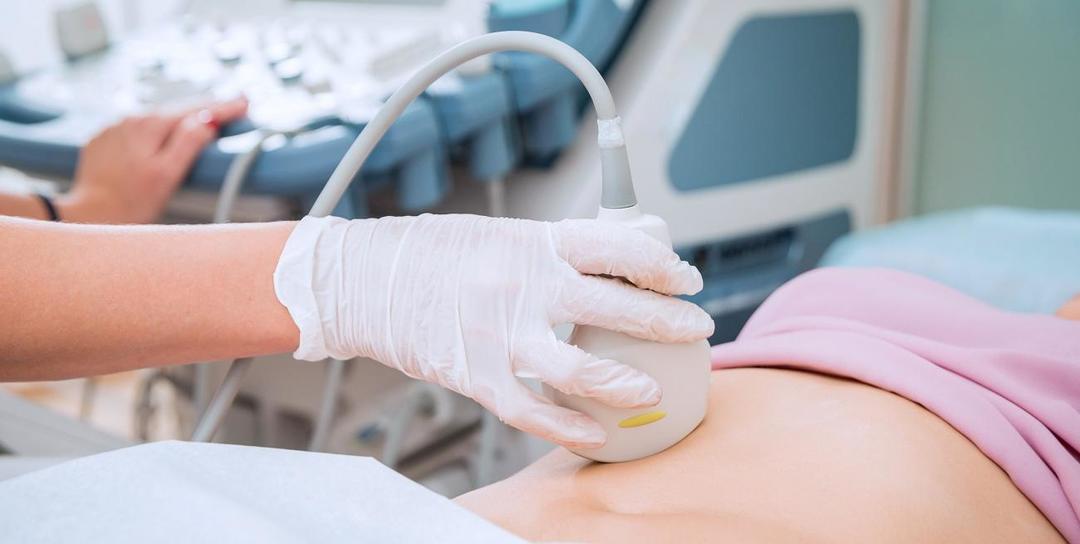
Standard bowel ultrasound
After conducting all the studies, the doctor will diagnose and prescribe treatment.
Treatment
Treatment will depend entirely on the diagnosis.
Table. Intestinal infection treatment
| Drug group | Medicine |
|---|---|
 Sorbents |
"Polysorb", Enterosgel, Activated carbon. |
 Preparations to restore water-salt balance |
"Regidron", Hydrovit. |
 Antimicrobial agents |
"Levomycetin", Levovinisol. |
 Antiemetic |
"Motilium", "Damelium" Motilak. |
 Antispasmodics |
"No-Shpa", "Drotaverin". |
Peptic ulcer disease is treated with gastroprotectors (Ventrisol), antibiotics (Amoxicillin), antacids (Maalox).

Suspension for oral administration "Maalox"
Pancreatitis is treated with enzyme-substituting drugs (Pancreatin, Mezim), antiemetic (Motilium), choleretic (Cholenzym).

"Pancreatin"
In case of dysbiosis, probiotics and prebiotics ("Bifidumbacterin") and sorbents ("Enterosgel") are used.

"Bifidumbacterin" capsules
Damage to the mucous membrane (polyposis) requires surgery followed by restorative therapy.
Prophylaxis
For each individual patient, the selection of therapy is individual, the doctor proceeds from the presence of concomitant diseases and symptoms.
To prevent intestinal diseases, it is necessary to comply with a number of requirements regarding diet and general lifestyle:
- reduce the consumption of salty, fatty, smoked;
- refuse to drink copious alcohol;

Refusal of alcohol
- observe the drinking regime (at least 1.5 liters of clean water per day);
- monitor the freshness of food;

Before buying, you need to check the expiration dates of the products
- consume periodically fermented milk products;
- consult a doctor in time if unwanted symptoms appear.

If you are concerned about problems with the digestive system, it is better to consult a doctor.
Prevention is the best treatment, especially when it comes to the digestive organs, the examination of which brings psychological discomfort and discomfort.


