
Peritonitis with appendicitis: signs, consequences, postoperative period
Appendicitis is a patient's condition that requires immediate treatment due to possible complications and rapid progression. The disease in itself is not scary for the patient's life; complications, especially peritonitis, pose a threat. Appendicitis with peritonitis requires urgent surgical intervention. The disease becomes not just a complication, but a threat to life due to inflammation of the peritoneal cavity. If tightened, the patient may die. What are the signs of the development of peritonitis and the consequences, how the postoperative period goes, is described in the article.
Content
- 1 Symptoms
- 2 Types of peritonitis
- 3 Diagnostics
- 4 Treatment
- 5 Complications and consequences
- 6 Prophylaxis
Symptoms
With the development of peritonitis, the symptoms are very similar to acute appendicitis. The most important symptom is an intolerable feeling of pain and burning in the abdomen in the navel area, under the right side of the ribs, as in appendicitis. In addition to the main one, you should know the accompanying symptoms:
- The patient loses his appetite.
- An intestinal disorder appears.
- Violation of urination is possible.
- Hyperthermia.
- The stomach is distended from the accumulated gas.
- Heart malaise.
The urge to nausea and vomiting is often present. Attention should be paid to the color of the vomit. They have a greenish tint, gradually adding blood clots is possible. In the presence of these symptoms, the patient needs to urgently call a doctor or ambulance. Otherwise, the patient faces an early death.
Types of peritonitis
The disease is divided into types according to the severity of the disease. The stages are highlighted:
- Catarrhal.
- Destructive.
In addition, the pathological process can be both diffuse and local. The diffuse form of the disease poses the greatest danger to life. Since the infection spreads throughout the peritoneal cavity, absolutely all organs are infected, they get out of work. The situation is very life threatening. When the peritonitis is local, the situation is more stable, the patient's condition remains satisfactory for some time, the infection remains localized, without complete penetration into the peritoneum.
In addition, peritonitis is classified according to the type of fluid that accumulates in the peritoneum. Classification includes types such as:
- Fibrinous;
- Purulent;
- Serous and others.
The most dangerous is considered to be purulent peritonitis. It is accompanied by frequent profuse vomiting. At the initial stage, you can see the contents of the stomach in the content of the vomit, but gradually particles from the intestines and even feces appear there.
There are several more types of the disease. But, in addition to species, the phases of the disease are also distinguished:
- Reactive - lasts for 24 hours after the onset of pain. Gradually, the pain intensifies, hyperthermia is noted, nausea and vomiting begin to disturb.
- Toxic - lasts 2-3 days. It differs in that the body begins to become infected with toxins through the blood. The patient suffers from endless vomiting, dehydration sets in. Pressure may drop greatly.
- Terminal - the nerve endings in the organs of the peritoneal cavity die off, and therefore the patient feels temporary relief from pain. But at the same time, the patient is in an extremely difficult condition, does not respond to external stimuli, speech, touch.
Doctors also distinguish stages:
- The disease is in its initial stage, when there are no signs of blood poisoning.
- The next stage, in which there is blood poisoning in the area of the peritoneal organs.
- Next comes the stage of severe infection, in which purulent foci develop in the organs of the peritoneum.
- The last stage is the stage of septic shock, in which the failure of the abdominal organs develops.
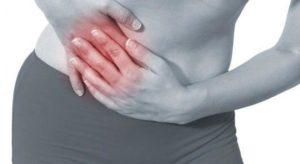
Regardless of the stage or phase of the development of the disease, peritonitis is extremely dangerous, develops rapidly and requires emergency assistance to the patient!
Diagnostics
The disease can only be diagnosed by a doctor. It is impossible to make such a diagnosis on your own or to trust a loved one. Initially, the patient should be examined, after which, to confirm or remove the diagnosis, you need to do:
- Blood and urine tests.
- Examination using ultrasound of internal organs.
- Diagnostics using MRI or X-ray equipment.
When analyzing blood and urine, the inflammatory process is determined, and peritonitis can be seen when conducting an ultrasound study. In this case, the doctor will be able to assess the condition of the organs located in the peritoneum.
In extremely rare cases, they resort to laparoscopy. Possible puncture of the abdominal cavity. But the most effective way to examine the state of the peritoneal cavity is ultrasound.
It is difficult to diagnose the disease in children - due to their age - and in pregnant women, since the enlarged uterus displaces all organs in the peritoneum. Pain and discomfort are felt differently and not in the place where the inflammation is usually located. But when using ultrasound, the disease is determined accurately.
Treatment
When a patient is admitted at an early stage of the disease, it is possible to use antibiotics to destroy part of the bacterial environment and reduce foci of infection. But with the development of peritonitis, an emergency operation is indicated, removal of the appendix, flushing of the abdominal cavity, after which drainage is established for the free outflow of fluid from the abdomen.
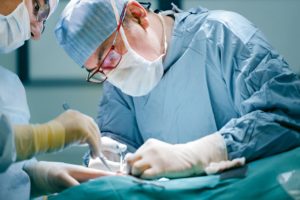
The tubes remain for a while in the patient's abdominal cavity to drain pus, which continues to form in the peritoneum for a while. Surgical penetration for peritonitis is carried out using an incision in the abdomen. Laparoscopy is not used and is considered dangerous.
Diet is an important part of treatment after acute appendicitis with peritonitis. If the conditions of sparing nutrition on individual conditions are not observed, complications may develop after the removal of the inflamed organ. Nutrition is selected individually for the patient, but there are general recommendations for everyone.
On the first day after removal, weak tea and jelly are allowed.
On the second and third day after the operation, the following are allowed:
- Mashed potatoes.
- Boiled rice.
- Low-fat broths on meat, never on bone.
- Fermented milk yoghurts.
After 3 days, with a satisfactory state of health, you can supplement the diet:
- White meat (chicken or fish).
- Baked apples.
- Porridge on the water.
It is imperative to monitor the flow of a sufficient amount of fluid after peritonitis to compensate for the loss in the acute stage of the disease and for the safe healing of incision sites during the operation.

It is forbidden to use after appendicitis with peritonitis:
- Spicy, salty, smoked food.
- Sauces and mayonnaises.
- Fatty meats and sausages.
- All kinds of canned food.
- Baking and pastry.
- Alcoholic drinks and carbonated drinks.
In addition to antibiotics, dietary intake of vitamins is important to maintain the patient's immune system and vitality.
Complications and consequences
In case of illness, it is important to respond promptly and seek help from doctors. At the slightest delay and untimely treatment, complications and unpleasant consequences for the patient are possible. The most serious are:
- Blood poisoning.
- Gangrene of a part of the intestine.
- Adhesive process formation.
- Liver encephalopathy.
Prophylaxis
The development of peritonitis in acute appendicitis is not an independent disease, but a type of complication. Therefore, there is no prevention of peritonitis as such. It is important to follow the general rules for maintaining health, and in the presence of dangerous symptoms, seek help without delay. In case of untimely treatment of acute appendicitis, peritonitis develops, and if delayed, if it progresses, there is a threat not only to the health, but also to the patient's life!
The main thing in the prevention of the disease is to maintain the body and immunity at a high level. To do this, it is important to follow the daily routine, the alternation of sleep and wakefulness, adhere to the foundations of a healthy diet. In the autumn and spring periods, when the body needs support, it is worth taking a course of multivitamins. Physical condition also requires a regimen and regularity. Feasible physical exertion, walking, being active, visiting the fitness room - all this will significantly improve health and keep you active and vigorous for many years.


