
Diarrhea with appendicitis: can it be before and after removal
Many people are interested in whether there is diarrhea with appendicitis. Inflammation of the appendix requires urgent surgery; other options are not considered. Recognizing the symptoms in time is important for saving lives, the symptoms of appendicitis need to be known to everyone. Pain with appendicitis is localized in the right side of the abdomen, it can be in the peri-umbilical region, at the level of the pubis, especially in advanced cases. Pain is not the only symptom that occurs with appendicitis. Inflammation can be accompanied by a single vomiting, loose stools are a rare reaction in adults, a certain percentage of such cases are.
It is recommended to know the symptoms in advance, appendicitis is a serious disease, fraught with death in children, not every adult is able to survive inflammation. Chronic course is rare, appendicitis can begin as a minor ailment, it is accompanied by vomiting, abdominal pain. However, if medical care is not provided, the purulent contents of the appendix are poured into the abdominal cavity, causing peritonitis, inflammation of the abdominal cavity, and death of the patient.
Content
- 1 Stages of development
- 2 Typical symptoms
- 3 Why does diarrhea occur?
-
4 After operation
- 4.1 Where does diarrhea come from?
- 4.2 How to prevent?
- 5 When does it stop being just a symptom?
Stages of development
Considering the situation before the operation, it should be noted that appendicitis in development goes through five stages. The disease can be like appendicitis:
- Catarrhal;
- Superficial, then phlegmonous;
- Phlegmonous-ulcerative, then gangrenous.
At the first stage, there are no symptoms, the first hours the disease affects only the mucous membrane, without causing serious effects.
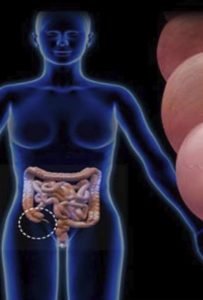
Abdominal pain occurs in the second stage, an acute symptom is noted in all patients, local internal bleeding occurs. The third phlegmonous stage creates serious risks to health, life, and affects all layers of the intestine. Diarrhea, vomiting, nausea occur. Further, ulcers appear on the intestines, the body loses its ability to resist the disease. It usually does not reach the gangrenous stage; in the modern world, people manage to get help before it occurs. The stage is characterized by the rupture of necrotic tissues, the outpouring of purulent contents into the abdominal cavity. When pus is poured out, providing assistance to a person is problematic, not all surgeons successfully cope with the task.
Typical symptoms
The main symptom of appendicitis is pain. Aching dull sensations are constantly pursuing, the pain does not recede. With any movement from sneezing to running, the pain increases. Initially, it is felt everywhere, then it is localized in the region of the appendix, and remains there.
The temperature accompanies the inflammatory process, without rising high. With appendicitis, the indicator does not exceed 37.5-38.5 degrees. The temperature may not rise. When the appendix is ruptured, it increases sharply to critical levels.
The symptom of appendicitis is dry mouth, white coating on the tongue. The symptom is a single vomiting, there may be diarrhea, but constipation is more common.
Why does diarrhea occur?
In the early stages of the disease, diarrhea rarely occurs, usually the symptom manifests itself in the acute course of the disease with the localization of the inflammatory process in the cecum. With inflammation, the organ cannot perform a number of its functions, it does not cope well with the absorption of fluid. Against the background of the impossibility of absorption, diarrhea occurs, a significant part of the fluid that has naturally entered the body is excreted in the feces.
After operation
Before the operation, constipation is characteristic, after removal of the inflamed organ, diarrhea becomes a common ailment. Diarrhea after the removal of appendicitis often occurs, doctors give special recommendations to exclude this problem, they must be followed.
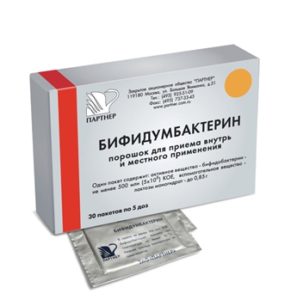
Antibiotic therapy saves from diarrhea after surgery, which is often carried out as directed. A special diet prescribed by a doctor is important - the load is removed from the body, the gastrointestinal tract is not overloaded, and recovery is faster. When prescribing antibiotics, drugs are offered that restore the intestinal microflora. Diarrhea can follow after taking antibiotics; to counteract, special drugs with lacto-, bifidobacteria are prescribed.
Where does diarrhea come from?
Diarrhea occurs for reasons independent of the operation. Food poisoning, helminths, allergies, stress, stomach diseases can lead to diarrhea. It is advisable to show attention to well-being, to identify the causes of intestinal disorders. Medical intervention will allow you to find the cause of the disease, eliminate the disorder.
How to prevent?
To eliminate the risk of diarrhea after surgery, you should carefully consider your doctor's recommendations. It is important to adhere to the prescribed diet, which will be based on broths, porridge. We recommend mashed potatoes, kefir, lean meat. It is necessary to drink a lot of water, stews in the diet are beneficial.
Hygiene standards are important and should be followed. Hand washing and clean dishes are the minimum that protects against many risks. It must be observed before, after the operation. If a symptom occurs, you should see a doctor immediately. Any disturbances in the work of the gastrointestinal tract after the operation become a reason for contacting a doctor.

Operation - stress, after which the body needs to learn to work in a new way, to recover. Complications, difficulties in treatment manifest themselves in different ways, sometimes - dysbiosis.
It is worth knowing that the first three days after the operation, diarrhea is considered a normal symptom for an adult, the body reacts in this way to what happened. The problem is associated with the operation, with the received antibiotics. After removal of the appendix, the intestines are weakened, there is a risk of being infected by viruses, diarrhea becomes evidence of their activity. Diarrhea can be caused by anesthesia, fermentation problems, appendicular infiltratetrapped in the intestines. This is normal.
When does it stop being just a symptom?
Seeing a doctor is necessary when diarrhea lasts more than three days from the date of the operation.
We need a diagnosis and an accurate diagnosis, after which - a prescribed course of treatment, which exhausts the problem. Diarrhea accompanied by blood, diarrhea with fever, bouts of weakness, other effects - a reason to pay attention, immediately call a doctor.
Diarrhea after appendicitis in a child is an alarming sign, the help of a doctor is also in demand. Severe diarrhea stimulates dehydration, it is important to observe the drinking regime, to provide the body with the necessary moisture.
Diarrhea with appendicitis is a rare occurrence, characteristic of a serious stage in the course of the disease, emphasizing the need for urgent surgery. In the postoperative course, the symptom is the norm for the first three days, further manifestation signals danger, requires taking appropriate measures, contacting doctors.
Against the background of pronounced, dangerous symptoms, the expediency of going to a doctor is emphasized - a dangerous situation, with the need for emergency treatment, with a risk of death.


