
Blood test for appendicitis: transcript, indicators in adults and children
With appendicitis, discomfort is localized in the lower right part of the abdominal cavity. But pain in the right side during physical exertion is not the main symptom of the disease. Most often this is a consequence of muscle spasm or neuralgia. If painful sensations are accompanied by a compaction of the abdomen, which is located below and to the right of the navel, an increase in body temperature, vomiting, this is a sure sign of a serious intestinal disease. The main indicator of the general condition of the body, doctors consider a chemical study of the composition of the blood. A blood test for appendicitis is the main indicator of the presence or absence of this disease.
Content
- 1 The clinical picture of biochemical studies with inflammation of internal organs
- 2 Differences in blood tests in adults and children
- 3 The initial period of appendicitis
- 4 The beginning of the acute phase of inflammation
- 5 Pathological stage
- 6 Prevention of appendicitis
The clinical picture of biochemical studies with inflammation of internal organs
The chemical composition of human blood is a constant value. They donate blood for analysis in order to find out the quantitative relationships of its components. If the indicators of white and red blood cells are increased, the composition of the plasma has changed, then it is necessary, without delay, to begin treatment.
A mandatory laboratory test for the presence of leukocytes in the blood is prescribed if an inflammation of the appendix is suspected. In acute inflammatory processes, the composition of a person's blood changes due to the ingestion of metabolic products of bacteria into it. Leukocytes with appendicitis increase in size and quantity.
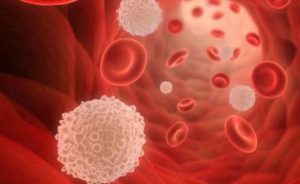
Leukocytes in the body
They are the main instrument of immunity, but in the first stage of inflammation, this increase is imperceptible. The state of erythrocytes also changes. Their number is not subject to strong fluctuations, but inflammation shortens the life of the erythrocyte.
Urine also changes its composition, which correlates with the type of disease. In it, the number of remnants of dead leukocytes, erythrocytes increases, the alkaline reaction changes, and the most severe cases are accompanied by the appearance of protein. To determine appendicitis by blood test, you need to take it early in the morning on an empty stomach.
Differences in blood tests in adults and children
Children's blood tests are highly dependent on the individual condition of each child. The metabolic rate of a child's body is much higher than that of an adult. Leukocyte is actively involved in metabolism. Their amount in the blood of children significantly exceeds the proportions for older people.
The correct indicators for a mature person in relative values of leukocytes are from 4 to 8 units. In children, they can reach 17. During pregnancy, 12-18. If the leukocytes exceed 20, then there is a suspicion of peritonitis - the most severe form of appendicitis, requiring urgent surgical intervention. The decision on the severity of the disease should be made by specialized specialists - a pediatrician and a gastroenterologist. Since in acute peritonitis, the death of the patient is likely due to blood poisoning, it is important not to miss the moment.
Other signs of appendicitis include:
- Physiological signs. Fever, painful lumps in the lower abdomen, vomiting, loose stools are the first external signs. If the disease has gone far, bloody discharge in feces and urine may appear. In especially difficult cases, a fistula develops with access to the skin.
- Changes in the composition of urine. The vital activity of pathogenic microorganisms is reflected in all secretions of the body. The kidneys separate metabolic products, letting the change in the chemical composition of the filtrate know about the onset of the disease. If proteins appear in the general analysis of urine, the bacterial background is increased, and its color has acquired an unhealthy cloudy appearance, this is a sure sign of internal inflammation.
- ESR. The analysis of ESR (erythrocyte sedimentation rate) is intended to show at what stage the disease is. The activity of red blood cells changes depending on the state of the body. The inflammatory process provokes erythrocytes to increase the expenditure of their resources. ESR shows how long these cells live. It is expressed in the height of the plasma layer and is measured in millimeters per unit of time. In a healthy man, it is 1-10 millimeters per hour, in a woman 3-15, in a child 12-17, in a newborn 0-2.

- However, only the results of a comprehensive examination, taking into account the total number of leukocytes and erythrocytes, will help to draw a conclusion about the nature of the disease.
The initial period of appendicitis
Children are more susceptible to changes in blood composition. This makes it difficult to diagnose appendicitis on time. A child's blood contains a much higher number of leukocytes. Because of this, in children, it is easy to miss the disease at an early stage. It is accompanied by a relatively imperceptible change in the results of laboratory tests or is not diagnosed at all.
Pain syndrome is attributed to physical activity, general malaise for a cold, digestive problems for stress, and so on. In the presence of these signs, it is necessary to hand over discharge samples for research on the general composition. Sampling should only be done in the absence of irritants. A comprehensive blood and urine test is designed to help identify the disease at this stage.
The beginning of the acute phase of inflammation
Cecum performs the function of storing enzymes necessary for digestion and the functioning of the immune system. It is isolated from the intestines, and this causes suppuration when the immune system is weakened.

A diagnosis of a high white blood cell count clearly indicates inflammation. This condition is called leukocytosis. Determine whether an acute inflammatory process has begun with suspected appendicitis, you need as quickly as possible! This disease is dangerous with complications. Immediate treatment with modern antibiotics and close clinical supervision are able to completely stop the disease at this stage. Strict adherence to the recommendations guarantees full recovery, and non-compliance will lead the disease to a chronic stage.
Pathological stage
The transition to this stage will show that the permissible level of leukocytes is many times exceeded (2 or more times). The onset of tissue decay threatens with general blood poisoning. The accumulating fluid containing the remains of dead leukocytes in the form of suppuration becomes a source of intoxication. It can cause severe anaphylactic shock and coma. The proximity of the appendix to the lymph nodes is especially dangerous. Only an urgent operation will save a patient with this form of the disease. Medical treatment is not able to help in this case. Often people die from medical error in the treatment of peritonitis.
Prevention of appendicitis
At a time when the internal organs of a person remained poorly understood, doctors did not have the opportunity to localize inflammation. Autopsies were prohibited by medieval religion.

Disease of the cecum was studied by ancient scientists. Hippocrates wrote about severe intestinal suppuration, but did not know its causes. There were isolated cases of cure. The cause of appendicitis became clear only in the 16th century. The treatments offered were wild by modern standards. For example, doctors advised swallowing small balls of lead to clear the cecum valve. Until the beginning of the 20th century, the causative agents of appendicitis were considered foreign bodies that did not have an exit from it, since there is no through passage through the cecum. In folk signs, advice has been preserved on prohibiting the use of small, hard-to-digest foods, for example, sunflower cake. In the 20th century, medicine has achieved great development and refuted such misconceptions.
Bowel diseases are affected by the following reasons:
- Improper nutrition;
- Bad habits such as smoking and alcohol;
- Harmful working conditions associated with toxins;
- Failure to comply with food hygiene.
After eliminating these factors, the risk of appendicitis will decrease.


