Why can there be irritation on the head of a man?
Redness on the head in men: causes, treatment
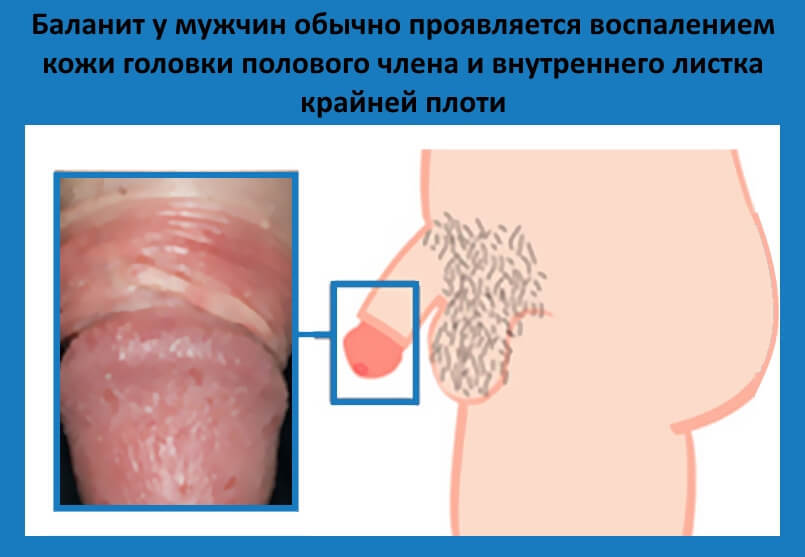
The main reason that redness appears on the head in men is balanoposthitis - a disease accompanied by inflammatory processes in the area of the glans penis and extreme flesh.
This common ailment is of a different nature. To determine the form of pathology and its stage, you will need to visit a doctor - only a specialist will be able to accurately diagnose and prescribe an effective treatment.
Characteristic signs of balanoposthitis
The disease is classified into three types. The nature of each of them is determined by the prerequisites that cause them:
- Infectious type of balanoposthitis - observed as a result of damage by fungal, viral and bacterial microorganisms;
- Dermatological appearance when skin problems become the cause;
- Other forms of the disease are caused by various factors - mechanical and chemical exposure, trauma, radiation, drug and antibiotic use, and autoimmune diseases.
Most often, the symptoms of the disease are manifested in the following:
- Severe redness occurs;
- The opening of the urethra is swollen;
- White plaque appears on the surface of the head of the penis and preputial folds;
- Purulent mucus appears;
- The man feels itching and burning;
- A rash, erosive lesions and small ulcers appear on the genitals;
- During the process of urination, the patient feels stinging, burning and pain of varying intensity.
In the event that no treatment was carried out and the process of necrosis began, the patient suffers from headaches and even bleeding.
What causes may precede the disease
Irritation and redness can result from inflammation, exposure, and injury.
To determine the investigative relationship with the pathology, the doctor will necessarily examine the patient and, based on an analysis of the latest events in the patient's life, find out what caused the painful symptoms.
Basic prerequisites:
- Very often balanoposthitis can be caused by exposure to allergens, when steroid, antibacterial and narcotic drugs, low-quality cosmetics for the care of the genitals or low-quality condoms were used quality. The result is redness on the head in men and an allergic, itchy rash throughout the body;
- A red rash on the head can also mean eating foods containing substances to which the patient has persistent personal intolerance;
- With fungal infections, the skin may become covered with a white coating. This is a typical sign of candidiasis;
- With infectious infections with herpes viruses, Trichomonas, streptococci and other pathogenic bacteria in an adult man has a rash on the head and small sores, as well as discharge of different colors with unpleasant smells;
- Possible development of balanoposthitis after burns, both thermal and chemical, as well as injuries, bruises and other injuries.
In addition to these main reasons, there are others, no less serious. These include chronic systemic diseases such as:
- Diabetes mellitus is a disease that manifests itself in metabolic disorders. The pathologically high sugar content in the patient's urine is a breeding ground for a variety of pathogenic bacteria;
- Disruptions in the endocrine system due to disruption of the thyroid gland in the form of excessive or insufficient production of hormonal secretion;
- Chronic psoriasis is one of the most serious and most mysterious in nature autoimmune diseases;
- The progression of unpleasant symptoms can aggravate Trichomonas and gonorrheal urethritis.
This is an incomplete list of the previous conditions of a man, which led to a logical continuation in the form of balanoposthitis. All these factors can serve as a trigger for the development of a pathological process in the urogenital area. When a patient does not seek medical help, the problem can grow to complications that involve the internal organs of the small pelvis and important body systems.
What to do when redness and burning sensation are aggravated by itching, sores and abscesses?
Balanoposthitis treatment methods
If you suspect an infectious nature of the disease, diagnosis is carried out using bacteriological culture and laboratory tests to exclude syphilis. In other cases, a specialist needs a blood sugar test, visual examination and palpation of the external genitalia (palpation). Samples of skin particles are taken from the head, prepuce, and smears of secretions.
After the diagnosis is identified, therapeutic therapy is prescribed in the form of oral medications and local creams, solutions and ointments.
Various pathologies should be treated with the means provided for this, depending on the form of the disease and the severity of the man's condition. For these purposes, apply:
- Antibiotics of the macrolide group and the penicillin series;
- Antiprotozoal drugs;
- Immunostimulants;
- Antimicrobial and antiviral agents;
- Topical ointments to relieve swelling, irritation and inflammation, pain and itching;
- Antiallergic medications in the form of tablets and topical creams;
- Disinfecting solutions.
If an adult patient has red spots on the head and edema of the urethra, the corresponding diagnosis may be inflammation of the mucous membranes of the urethra, and then direct treatment of the causes should be applied urethritis.
Proper personal hygiene
Redness of the head in men, combined with itching and mild soreness during urination, may be the result of irregular care of their genitals. Intimate hygiene is an important aspect. Boys should be taught to wash from an early age.
If the baby's head and foreskin are reddened, diapers should be carefully selected for the baby. When they contain excessive amounts of fragrances, they can irritate the delicate skin of the baby. Another reason for the appearance of hyperemia of the genitals in children is the diaper not changed in a timely manner - irritation causes diaper rash.
When, at the age of 6-7, the prepuce is pushed back with great difficulty in a boy, this is a reason to think about a circumcision operation.
No matter how the child's life develops in the future, he should know that it is necessary to regularly monitor the cleanliness of the penis and seek help for any discomfort. Most adult problems come from our childhood, so it is necessary to teach the baby in advance how to take proper care of his health.
Source: http://MuzhDoc.ru/andrologiya/krajnyaya-plot/pokrasnenie-na-golovke
Why does it occur and how to treat redness of the head and foreskin
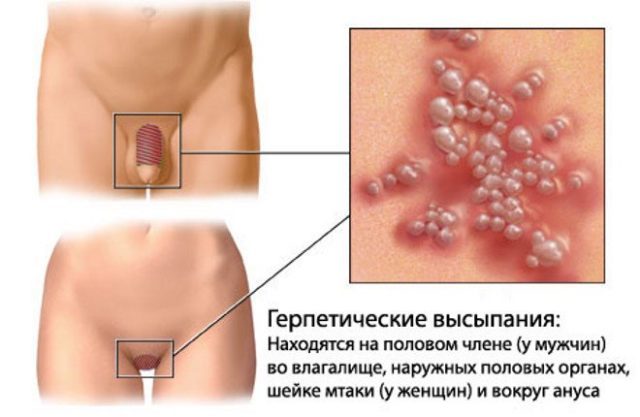
Redness of the skin of the head and foreskin in men is an alarming phenomenon. There are many reasons that can cause this condition - from poor personal hygiene to injuries and infectious diseases of the genitourinary system. In case of changes in the appearance of the penis, the appearance of itching or pain, you should consult a doctor as soon as possible.
Causes
The skin on the head of the penis is very sensitive, which is important for certain physiological functions. The foreskin protects the head from external influences and has a unique structure that allows it to respond to the slightest touch, pressure and temperature changes.
Redness can be due to 3 factors:
- Short-term redness - can be caused by a rush of blood due to an increase in vascular tone or occur on a nervous basis.
- External factors - mechanical or temperature influence, reaction to allergens.
- Inflammatory processcaused by diseases of internal organs or skin pathologies.
Redness may be accompanied by age spots, rashes, swelling in the form of acne or blister-papules with a watery filling, erosions and ulcers.
Constant temperature, humidity, sweat discharge make the male genitals a comfortable enough environment for the life of various microorganisms. The danger is that at any time an infection can join the skin abnormality, and the redness caused by normal physiological factors is transformed into an infectious lesion.
to the table of contents ^
The man
The most common causes of redness are:
to the table of contents ^
Allergic manifestations
Caused by skin contact with an irritant environment:
- underwear made from synthetic fabrics;
- personal hygiene products;
- condoms and other topical contraceptives;
- medicines taken by a man;
- local cosmetics used by a woman.
to the table of contents ^
Physiological factors
- tight underwear;
- neglect of hygiene in daily and sexual life;
- increased sexual activity;
- lack of intimate lubrication during intercourse (leads to injury and chafing of the penis);
- increased chemical activity of urine - the change in its composition is affected by the use of alcohol, unhealthy diet;
- exposure to temperature - hot or cold shower, sitting on a cold surface.
to the table of contents ^
Inflammatory diseases
Balanoposthitis - inflammation of the head (balanitis) and foreskin (postitis), is the most common disease of the genitourinary system in men.
In addition to redness, there may be swelling, burning sensation, itching, ulceration and cracking, as well as the formation of infiltration and pus, which cause an unpleasant odor.
Perhaps increased sexual arousal, frequent erections, pain during intercourse.
If the disease is not treated, hyperemia and edema spread to the entire organ, lymphatic nodes, inguinal lymphadenitis and lymphangitis may occur, in rare cases - necrosis and gangrene of the genital member.
Factors contributing to the development of balanoposthitis are:
- Infection with infectious agents - fungi, bacteria, viruses. With candidiasis (thrush), redness is often accompanied by a white bloom. The causative agents of sexually transmitted diseases (syphilis, gonorrhea) often contribute to a burning sensation in the urethra (urethra).
- Local factors - poor hygiene, skin irritation with urine, narrowing of the foreskin (phimosis), increased sexual activity, frequent masturbation and changing partners, neglect of contraception, vaginal dryness partners.
- Urinary tract infections (urethritis, cystitis, pyelonephritis), hydronephrosis, urolithiasis.
- Autoimmune and endocrine diseases - diabetes mellitus, anemia, vitiligo, systemic lupus erythematosus, psoriasis, alopecia, polymyalgia rheumatica, primary biliary cirrhosis, thyroid disease.
- Skin lesions - lichen planus, dermatitis.
- Heredity.
Read also:Torsion of testicular hydatids: diagnosis and treatment
to the table of contents ^
In a teenager
During puberty, when hormonal changes in the body take place, the intimate zone of adolescents requires special attention. At this time, inflammation of the sebaceous glands on the head is possible, which looks like a pink rash. To fix the problem, iodine treatment and regular rinsing with warm water are usually sufficient.
At the age of 15-16 years in boys, the foreskin should move freely from the head, but sometimes attachment zones - adhesions are formed in some places. They accumulate various substances that can cause irritation and inflammation. Usually adhesions are destroyed on their own by the age of 18-19, before this period it is recommended to pay increased attention to hygiene and use special creams.
Read also what adhesions are, why they appear and how to deal with them with medication and other methods http://woman-l.ru/spajki/к table of contents ^
The child has
Redness of the penis is often observed in infants. If you don't change diapers often enough, the bowel movement eats away at the skin, causing irritation. In this case, it is recommended to use baby ointments and powders, baths with soothing herbs (string, mint), air baths.
From birth, boys develop smegma (sebum) - a whitish discharge that appears on the head of the penis and contains the secretion of the sebaceous glands, moisture, and dead epithelial cells. If too much smegma is synthesized, it can accumulate and become a breeding ground for bacteria. In this case, the head and foreskin become inflamed, reddened and swollen.
to the table of contents ^
Treatment
To prescribe the optimal treatment, you should consult a specialist. Depending on the causes of redness, drugs of different groups are used:
- antibacterial (antibiotics-macrolides, penicillins, fluoroquinolones) - effective for the bacterial nature of the lesion;
- antiviral (Acyclovir, Valacyclovir) - used for herpes viruses;
- antimycotic systemic and local use (Lamisil, Miconazole, Nizoral, Nystatin ointment, Fluconazole) - serve to eliminate fungal infections;
- antiprotozoal (Metronidazole) - necessary for the detection of protozoa (Trichomonas);
- antihistamines - eliminate allergic reactions, as well as side effects from antibiotics;
- immunostimulants and immunomodulators (Cycloferon) - prevent relapses and increase the effectiveness of treatment;
- drugs for the treatment of diseases of the genitourinary system (in particular, urethritis);
- remedies for autoimmune diseases (for example, psoriasis);
- external preparations of antiseptic and anti-inflammatory effects (potassium permanganate, zinc oxide-based products, Levomekol, Methyluracil, Furacilin);
- herbal preparations for baths (infusions and decoctions of calendula, chamomile).
With complications of balanoposthitis, surgical intervention with incision or circumcision of the foreskin may be required.
You should also remember about the methods of preventing relapse:
- thorough hygiene of the genitals;
- with dry skin - the use of creams that moisturize the skin and protect against fungal and bacterial pathogens;
- timely treatment of any diseases;
- an active lifestyle that allows you to maintain immunity;
- a healthy diet rich in vitamins and minerals;
- limited use of alcoholic beverages, smoking cessation;
- attentiveness in choosing a sexual partner, the use of contraceptives during casual sexual intercourse.
If you liked our article and you have something to add, share your thoughts. Your opinion is very important for us!
Source: http://woman-l.ru/pokrasnenie-golovki-i-krajnej-ploti/
Penile irritation
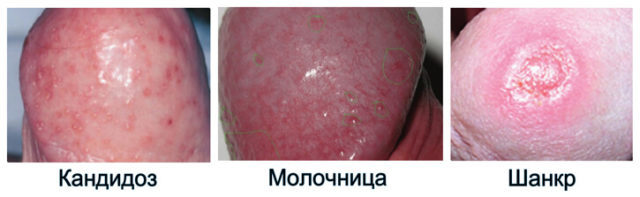
Irritation or redness of the foreskin and glans of an adult male indicates the presence of one of diseases that are a consequence of allergies, fungi, infection with an infection transmitted in the process of unprotected sexual contact.
Also, the cause of the formation of a red spot on the penis can be chronic diseases of the genitourinary and endocrine systems.
Inflammatory processes on the extreme raft of the male genital organ are the most common causes, for which representatives of a strong half of humanity seek help from a dermatologist or urologist.
Causes
The head and the skin around it can turn red as a result of traumatic injuries during sexual intercourse. act, tight clothing or a negative reaction of immunity to the powder, which is used to wash the bottom linen.
Still, most often, hyperemia and itching of the penis is provoked by the presence of pathogens of the fungus, or by infection.
The presence of the latter is always distinguished by a stormy clinical picture of the course of the disease, which periodically passes into an exacerbation phase, and then for some time it may not even make itself felt at all.
Therefore, a periodically appearing red rash on the penis should alert a man and become an incentive to contact a dermatologist or urologist.
The most common culprits for irritation on the foreskin and the surface of the head are microorganisms such as Trichomonas, chlamydia, and gonococcus, which causes gonorrhea.
Treatment of this cause of a red rash on the male genital organ requires special attention and scrupulousness, since sexually transmitted infections without proper therapy can be very dangerous for the entire genitourinary system men.
Disease-causing bacteria are able to climb up the urethra, penetrate the prostate gland, the walls of the bladder, the ureter, and even the kidneys. In all these parts of the excretory system, the infection provokes chronic foci of inflammation, the presence which can cause infertility, prostatitis, impotence, cystitis and even renal failure.
Irritation on the penis with balanitis
There are many urological pathologies of the male genitourinary system. Along with others, a disease called balanitis is no less rare.
Essentially, this is an inflammation of the top layer of skin that covers the head of the penis. The nature of the inflammatory process can be different.
This is only a primary diagnosis, the etiology of which is established during a detailed examination of the patient's body. Balanitis is classified into the following types:
- Infectious. Includes inflammation caused by genital herpes, chlamydia, trichomoniasis, syphilis, gonorrhea, fungus.
- Non-infectious. These are adverse environmental factors, mechanical trauma to the penis, allergic reactions, non-observance of basic hygiene rules, complications of diabetes mellitus and other dermatological diseases.
Balanitis is always dangerous because, in the absence of adequate treatment, the inflammatory process only intensifies. Its development is facilitated by the constant closeness of the intimate zone and a favorable environment for the development of pathogenic bacteria. As a result, the usual irritation gradually turns into a solid red spot, on which erosion, abscesses and necrosis of the affected tissues are formed.
Irritation on the head with balanoposthitis
This is another disease of the foreskin of the penis, which is often diagnosed in men. Its distinctive feature is that the head and the skin surrounding it reddens, swells and begins to itch strongly.
On visual inspection, it is clear that inflammation is distributed over the surface of the organ non-uniformly and can manifest itself in the center of the penis or only on one side.
This pathology occurs when the following factors and circumstances are present:
- As a result of hitting the surface of the penis of staphylococcus, Pseudomonas aeruginosa, streptococcus. These microorganisms can be on the skin of a man's penis absolutely by accident as a result of touching the excretory organ with dirty hands.
- An infection with genital herpes has occurred. Symptoms of balanoposthitis at the initial stage of its development are very similar to the signs of a herpes infection parasitizing the male genitals. The patient also observes swelling of the foreskin, a red spot on the head and skin, itching. Only after some time does the virus make itself felt with a more pronounced manifestation in the form of red blisters.
- Genital hygiene is not observed. A rare change of underwear, neglect of water procedures leads to the fact that multiple bacterial colonies of a wide variety of microorganisms develop in the intimate zone of a man. They periodically provoke irritation, inflammation on the foreskin and head.
- Infection with Candida fungi. This is the so-called thrush. Many people mistakenly believe that this dermatological disease is inherent only in women. Unfortunately, although men are less common, they are also prone to genital candidiasis. A distinctive feature of this type of balanoposthitis is that, in addition to swelling, the presence of a red spot or multiple irritation in the form of a rash, the penis becomes purple, itchy, and the foreskin periodically gets wet. Similar red spots appear on the skin around the genitals at the folds. In this case, the patient may periodically feel a characteristic yeast smell, which is difficult to remove even after taking a shower.
Treatment of balanoposthitis on the head of the penis is always specific and is based on what exactly caused the inflammation of the male foreskin.
To do this, immediately after a visual examination of the penis, the patient is sent to the delivery of urine, blood from a vein, smears from the mucous membrane of the walls of the urethra and the directly affected surface.
Based on the results of laboratory research, the attending physician can already formulate a therapeutic course for the patient aimed at getting rid of the dermatological problem.
Redness of the head with a genital infection
In the case of unprotected sexual contact with a non-regular partner, there is always a risk of contracting sexually transmitted infections. These include syphilis, gonorrhea, trichomoniasis, chlamydia.
After they get on the penis, inflammation begins only after a few weeks, and sometimes months, since each type of these microorganisms has a different incubation period. The disease begins to manifest itself with minor irritation of the foreskin.
Read also:Application of teimurovaya paste for sweating
Multiple pimples are formed, covering the entire head and penis.
It is extremely rare that these inflammatory formations transform into one red spot, with the exception of the formation of a syphilitic chancre on the penis, but this is possible only in the last stages of the disease.
Sexually transmitted inflammation of the foreskin in adult men does not cause itching, and most of the sensations are painful. In 2-5 days after the onset of the rash, a cutting pain occurs during urination.
Uncharacteristic discharge with impurities of blood and pus begins to appear from the urethra. As the disease progresses, the symptoms of pathology intensify.
In this case, the earlier the treatment begins, the less long-term the therapeutic effect on pathogens will be.
Treatment of irritation on the head of the penis
Therapy of the inflammatory process on the foreskin of the man's penis is based on what caused the painful condition of the skin. With an infectious lesion of the genitals, potent antibacterial drugs are used as a treatment.
The patient takes them in tablet form, intramuscular injections are administered to him and antiseptic baths are prescribed.
The type of antibiotics used directly depends on the type of microorganisms identified in the urethra and on the surface of the patient's penis during laboratory tests.
Candidiasis of the foreskin is always treated only with antifungal creams and ointments - Clotrimazole, Mikospor, Lomexin, Pimafucin. In complicated cases, similar drugs are prescribed to the patient in the form of tablets.
Therapy for allergic reactions is performed with antihistamines such as Citrine, Suprastinol, Ketotifen, Suprastin. The factors that provoke allergies are also established. It is recommended to wash clothes only with baby or laundry soap and do not use synthetic powders.
Underwear should be made from natural fabrics, and it should be replaced daily after taking water treatments.
Surgery is an extreme method of treating irritation and inflammation of the foreskin in men. It is possible to carry out local operations to remove extensive purulent formations, as well as tissues, after prolonged inflammation of which necrosis has developed.
With complicated forms of the inflammatory process, surgical excision of the foreskin is not excluded in order to deprive infectious pathogens of the natural area of existence. This operation is not dangerous for a man's health and normalizes the balance of microflora in the intimate area.
Only the appearance of the penis changes.
Source: http://furunkul.com/drugie-zabolevaniya-kozhi/pokrasnela-golovka-i-kraynyaya-plot-u-vzroslogo.html
Redness and itching on the head and foreskin in men: how to treat

Redness and itching on the glans penis is a fairly common occurrence in urological practice. These painful manifestations significantly disrupt the usual pace of life of an adult man, upset his sexual function and affect the psycho-emotional state.
Itching sensations can vary in intensity and duration. The aggressiveness of the pathological process depends solely on the reasons for its development, which are currently called a lot by doctors.
Causes of redness and itching of the head and foreskin
Naturally, in order to cure the reddened and itchy skin of the genitals, one should determine the main pathogenic factors that provoke the development of the disease. Let's consider the main ones:
Allergic reaction
Allergy is one of the main causes of irritation, which is accompanied by itching and redness of the head penis, foreskin, as well as the development of burning sensation, rashes in the form of red dots and local edema of soft fabrics. In case of allergic reactions, as a rule, there is no discharge from the urethra, and the man himself notes an exacerbation of signs of ailment after contact of the skin of the genitals with certain irritants, among which:
- synthetic fabrics from which underwear or bedding is made;
- latex, which is part of contraceptives;
- topical dosage forms (ointments, gels, cream);
- personal hygiene products.
Less commonly, glans allergies can be caused by food, pollen, animal hair, or general medications.
Dry skin and mechanical damage
Itching of the foreskin and the head of the penis is often associated with mechanical damage to their skin or excessively dry epidermal integument in this area. Such conditions can be caused by the following factors:
- tight and uncomfortable underwear that rubs and squeezes the genitals;
- frequent masturbation;
- prolonged intercourse.
Poor genital hygiene
Often, the consequences of poor hygiene of the genitals serve as a favorable condition for the development of microorganisms that provoke the development of redness and itching of the glans penis. When a man does not pay enough attention to intimate hygiene, he accumulates under the foreskin natural secretions, which are an excellent medium for growth and an increase in the number of disease-causing bacteria.
Active reproduction of microbes leads to redness and itching sensations in the foreskin and glans.
Such symptoms can be accompanied by burning sensation and discomfort during urination, the appearance of peeling and swelling of the affected tissues.
Regular personal hygiene and control over the cleanliness of the genitals will help to avoid the development of pathological signs.
Bacterial and fungal infections
Very often, various opportunistic bacteria and fungi penetrate into the thickness of the skin and cause symptoms similar to the manifestations of sexually transmitted diseases. Such signs include: redness and itching of the head and foreskin, burning sensation in the indicated area, discomfort during urination, peeling and dryness of the tissues covering the external male organs.
For fungal infections or candidiasis, in addition to soft tissue irritation, white mucus appears on the head of the penis. Such a white plaque has a specific cheesy consistency and a sour smell, according to which the doctor assumes the patient is likely to have candidal infection of the genitals.
Therapy for such pathological conditions depends on the nature of the pathogen. Sometimes, to get rid of the problem, it is enough to lubricate the skin with a moisturizer, conduct a toilet of the genitals and use antifungal ointments.
Balanitis and balanoposthitis
Balanitis is a painful condition characterized by inflammation of the skin covering the head of the penis. Often, the ailment is accompanied by damage to the inner layer of the foreskin, which is called balanoposthitis in medicine.
In practice, these pathologies arise as a result of injuries to the external genital organs of a man, phimosis (narrowing of the foreskin), insufficient hygiene of the genitals, complications of other diseases, in particular, genital infections, diabetes mellitus, psoriasis.
One of the first symptoms of diseases is redness of the head and foreskin in men, the appearance of edema, itching and burning on the penis.
Sexually transmitted diseases
The appearance of characteristic symptoms may be the initial sign of the development of syphilis or gonorrhea in a patient.
But in practice, itching and redness on the head and foreskin are not the main manifestations of ailments.
In the diagnosis of sexually transmitted diseases, discharge from the urethral canal, the presence of rashes on the penis, an increase in overall body temperature, and the like are important.
Other reasons
Among other causes of redness and itching on the penis, in addition to diseases that directly affect the genitals, doctors identify a number of somatic pathologies, the complications of which negatively affect the state of the reproductive organs spheres. These pathologies include:
- diabetes mellitus and hyperglycemia;
- kidney diseases, which are accompanied by the formation of calculi;
- liver diseases;
- dysfunction of urination with urinary retention;
- psoriatic lesions of the genitals;
- hormonal imbalance in the patient's body, leading to disorders of sexual function.
The head of the penis turns red and itches in the child
Doctors diagnose redness of the head and extreme raft not only in adult men, but also in little boys. Reddening of delicate areas in infants is a common practice. There are several reasons for this condition:
- the development of diaper rash or the so-called ammoniacal dermatitis, which occurs as a result of the interaction of the baby's feces with his acidic urine;
- skin irritation by contaminated diapers;
- redness and swelling of soft tissues with phimosis (a condition in which exposure of the glans penis is painful or impossible due to narrowing of the foreskin);
- an allergic reaction to the remains of detergents, powder on clothes after washing, personal hygiene products.
The appearance of itching and redness of the foreskin and surface of the head of the penis in boys can contribute accumulations of smegma in large quantities, which is a mixture of epithelial cells, secretions, subcutaneous fat. Usually, such a secret is separated without treatment, but sometimes it requires the use of a moisturizer.
Diagnostics
Since redness on the head in men is a symptom of a huge number of pathological conditions, then this process needs a thorough diagnosis with the allocation of the main provoking factor of its development.
Determination of the causes of the onset of the disease in men should be dealt with by a urologist. When assessing what is happening, the specialist takes into account:
- the results of an objective examination with the identification of the main symptoms and syndromes;
- data obtained in the course of laboratory and instrumental diagnostics;
- if necessary - the conclusion of the venereologist and therapist.
If a venereal disease or candidiasis is suspected, the doctor must take a swab from the patient's urethral canal for a microbiological examination, which will determine the nature of the disease. If an allergy develops, it is necessary to conduct a series of tests to isolate the main allergen.
The following symptoms should be the reasons for immediate medical attention:
- the appearance of genital herpes and other rash, regardless of its size and shape;
- the development of pronounced edema, when the head and foreskin acquire a bluish color, creating conditions for inadequate passage of urine;
- the occurrence of erosions, ulcers on the head and itching of the indicated area;
- discharge from the urethra of a secretion with an unpleasant odor;
- the formation of wound surfaces on the genitals.
Read also:How to quickly gain weight for a man: tips
Redness and itching on the head in men: how to treat
The choice of therapeutic tactics directly depends on the etiology of the development of the disease, which provoked the appearance of pathological symptoms.
| Cause | Treatment |
| Allergic reaction | In this case, the patient is recommended to take antihistamines of general action, in particular, Suprastin, Claritin, Diazolin, in the amount of 1 tablet 2-3 times a day. The course of such therapy is approximately 7-10 days. Sometimes, to get rid of allergies on the genitals, it is enough to eliminate the main provoking factor and use ointments with anti-allergic properties. |
| Fungal infection | Such diseases require the appointment of antimycotic drugs. Among the most popular remedies for the treatment of candidiasis, doctors distinguish: Diflucan and Fluconazole. The first drug is usually given at a dose of 150 mg twice a day. An excellent addition to general therapy is the local application of antifungal ointments, a prominent representative of which is Clotrimazole. Antimycotic dosage forms are prescribed in a course of 7 to 14 days, depending on the neglect of the pathological process. |
| Balanitis and balanoposthitis | With mild to moderate severity, these inflammatory processes can be successfully treated at home. For these purposes, lotions with a weak solution of potassium permanganate are used, as well as decoctions of herbs with anti-inflammatory effects (chamomile, oak bark, string). Naturally, such procedures should be carried out exclusively at the suggestion of the attending physician. |
| STDs and bacterial infection of the penis | In case of suspicion of the presence of such diseases, a man should immediately contact a urologist or venereologist. The effectiveness of treatment in this case directly depends on the results and timeliness of the diagnosis of the disease. Patients with this kind of pathologies can be prescribed antibacterial drugs, antimicrobial agents, antiprotozoal dosage forms and immunomodulators. In most cases, the doses of drugs are chosen by the doctor on an individual basis, taking into account the main symptoms, the degree of complexity of the disease and the individual characteristics of the man's body. |
The best way to avoid the problem of redness and itching of the penis is to maintain a healthy penis.
To do this, you must adhere to the rules of personal hygiene, eat right, be selective in the choice of sexual partners and use contraception.
In addition, during the period of treatment, one should refrain from sexual intercourse, which will protect the patient from reinfection and reduce genital trauma.
Source: https://VseProZud.ru/zud-u-muzhchin/intimnyj-zud-zud-u-muzhchin/pokrasnenie-i-zud-na-golovke-i-krajnej-ploti-u-muzhchin-chem-lechit
Redness on the glans penis: causes and treatments
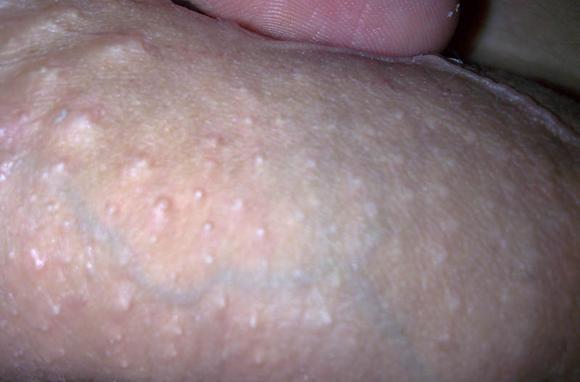
If a man suddenly finds redness on the head after intercourse, he immediately equates this symptom with a rather dangerous ailment and asks himself the question: "Why?" First you need to identify the reasons and figure it out. There is a special medical term for this symptom - balanitis in men.
If it turns red not only around the head of the penis, but also the foreskin, this phenomenon in medicine is called balanoposthitis. The insidiousness of seemingly simple redness is that it can develop into necrosis or even cancer.
Among the main symptoms of balanitis are the following:
- Redness on the glans penis;
- It burns in the groin area, itching is noted, pain is characteristic;
- The opening of the urethra is swollen;
- There is a small amount of urethral discharge that has an unpleasant, pungent odor;
- A white coating is visible on the head of the penis and ulcers may appear;
- If you touch the affected area, painful sensations appear;
- The penis is affected by cracks and erosion;
- When urinating, an itching sensation is characteristic;
- Body temperature often rises;
- The lymph nodes become inflamed;
- The head hurts, the general condition is dejected;
- If the penis is struck by the gangrenous form of balanitis, bleeding is possible.
To classify the disease of the penis, it should be noted that it directly depends on the cause of the disease.
In general, there are three groups:
- Caused by infectious agents such as Candida
- Those that have appeared as a result of skin diseases (lichen, psoriasis);
- Balanitis caused by allergies.
The causes of the disease are very diverse.
If the head of the penis has redness, this may indicate the presence in the body of a man:
- Bacterial or viral infection (gonorrhea, herpes virus, staphylococcus, syphilis);
- The irritation appeared due to an allergic reaction caused by condoms, intimate lubricants;
- Fungal lesions (usually infects a partner);
- Trichomoniasis
In addition, redness on the glans of the penis can appear due to exposure to chemicals. A man washes his genitals too often and at the same time uses various hygiene products that irritate the penis. This leads to itching.
If you mechanically act on the penis, for example, make a piercing, often have sex, masturbate, redness of the head may appear.
To diagnose an ailment, you need to visit a specialist, go through a series of special studies. Only a doctor can understand what is really going on.
There are also certain factors that affect the condition of the penis in men.
Among them:
- The patient has a preputial sac, in which smegma accumulates (the reproduction of microbes occurs there);
- A man does not adhere to the rules of hygiene, or, on the contrary, takes care of the organ without measure;
- The patient leads a promiscuous sexual life, does not use protection during intercourse, prefers oral sex;
- A high sugar content is found in the urine of men (with diabetes, the risk of bacterial growth increases);
- There are concomitant diseases, for example, different types of urethritis, as well as problems with the thyroid gland, different types of psoriasis.
After the real causes of the disease have been identified, treatment is prescribed. Convalescence in men can occur both soon and after a long time. The neglect of the disease plays an important role in this. If the symptoms noted earlier make themselves felt, contacting a specialist should be immediate.
In such cases, apply:
- Antibacterial therapy;
- Antiviral drugs are prescribed in the form of tablets and ointments (if a viral infection is detected);
- The specialist prescribes antifungal drugs (tablets, ointments, creams), the action of which is aimed at stopping the itching;
- Antiprotozoal drugs are used (with trichomoniasis);
- Immunomodulatory drugs are prescribed (to support immunity);
- Use solutions that have antimicrobial effect;
- Eliminate allergies with corticosteroid drugs;
- Heal pathologies that can be called factors of provoking the disease;
- Baths with herbal medicines are used to relieve inflammation.
During treatment, you need to refrain from sexual intercourse. It is advisable for the partner to also seek help from a specialist and undergo appropriate therapy.
To preserve men's health, it is worth adhering to the general recommendations:
- Avoiding casual relationships, having the same partner and resorting to protective equipment during sex;
- Regularly wash the genitals, do not bring the penis to a state of neglect (it is good to wash off the remains of gel or foam from the organ);
- Make sure not to get infected with sexually transmitted diseases;
- Eliminate mechanical stress: do not pierce, wear high-quality underwear, select your size in order to prevent friction with the seam;
- Use condoms that will not cause allergies; they must be of high quality.
Thus, it is obvious that reddening of the glans penis in men is an extremely unpleasant sign that may indicate the presence of a dangerous ailment in the body. It is best to avoid these symptoms.
This can be done by following simple formulas for men's health: protection and hygiene. Also, timely treatment will help prevent visible complications.
To do this, you need to regularly visit a doctor and follow his recommendations.
It has long been known that traditional medicine can help treat many diseases. Balanoposthitis in men is no exception. The use of folk recipes will help relieve inflammation of the penis, remove redness.
Recipe number 1
Aloe is suitable for treating the disease. Almost every home has this medicinal plant. It is necessary to prepare several leaves of aloe, be sure to remove the thorns. The top layer must be cut off and applied to the sore spot of the penis several times a day, in the morning and before bedtime.
Recipe number 2
Make a sage-based product. To do this, take a few tablespoons of the herb, put it in a special container, pour boiling water over it. After the infusion settles a little, you need to strain. To make compresses: moisten gauze in the infusion and apply to the sore area of the penis for a quarter of an hour.
Recipe number 3
Calendula is an assistant for many diseases. To remove the redness of the head, you need to take olive oil (slightly less than half a glass) and calendula (spoon).
Stir the ingredients, let it brew for about three weeks in a sunny place. Strain and treat reddened areas of the penis.
Recipe number 4
Baths are considered to be a very good tool. They are usually prepared on the basis of medicinal herbs.
John's wort will do. Pour a spoonful of herbs with one glass of boiling water. Cool, strain, do the procedure for the penis in the form of a bath.
Recipe number 5
Compresses from plantain relieve inflammatory processes. Take leaves, wash, crush, apply to sore areas. Can be secured with gauze. You need to do such procedures up to three times a day.
If you systematically use folk remedies for this disease, the treatment will be successful. But if the form of the disease is too neglected, only a specialist will help.
Source: https://muzhiiik.ru/andrologija/drugoe/pokrasnenie-na-golovke-polovogo-chlena