Crohn's disease in children: treatment, symptoms and diagnosis
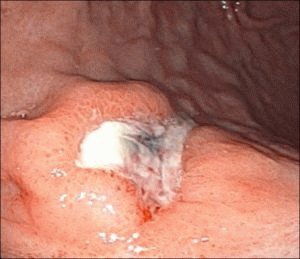
A disease of a chronic, progressive nature with inflammation that affects parts of the digestive tract is called Crohn's disease. The progression of the disease leads to the appearance of nodular formations (granulomas) that can capture the gastrointestinal tract from the oral cavity to the rectum. The transmural nature of the lesion distinguishes the disease from ulcerative colitis.
Crohn's disease in children is noted from the age of 12 years. Less commonly, the disease is characterized in the preschool age group. The inflammatory process affects the small intestine, duodenum and jejunum. It is difficult to diagnose the disease in the early stages.
Content
- 1 Causes
- 2 Symptoms
-
3 Diagnosis
- 3.1 Instrumental research
-
4 Therapy
- 4.1 Surgical intervention
- 5 Forecast
Causes
Certain reasons for the appearance of chronic damage have not been identified. Presumably, the pathology develops with the following factors:
- Heredity - characterized in a child if there are sick close relatives.
- Failure of the immune system - an excess of T-lymphocytes and antibodies to E. coli, milk protein, lipopolysaccharides, which leads to the body's immune response. Against this background, inflammation with nodular formations appears.
- Infectious processes - pathogenic microorganisms lead to changes in the walls of the organs of the digestive system.
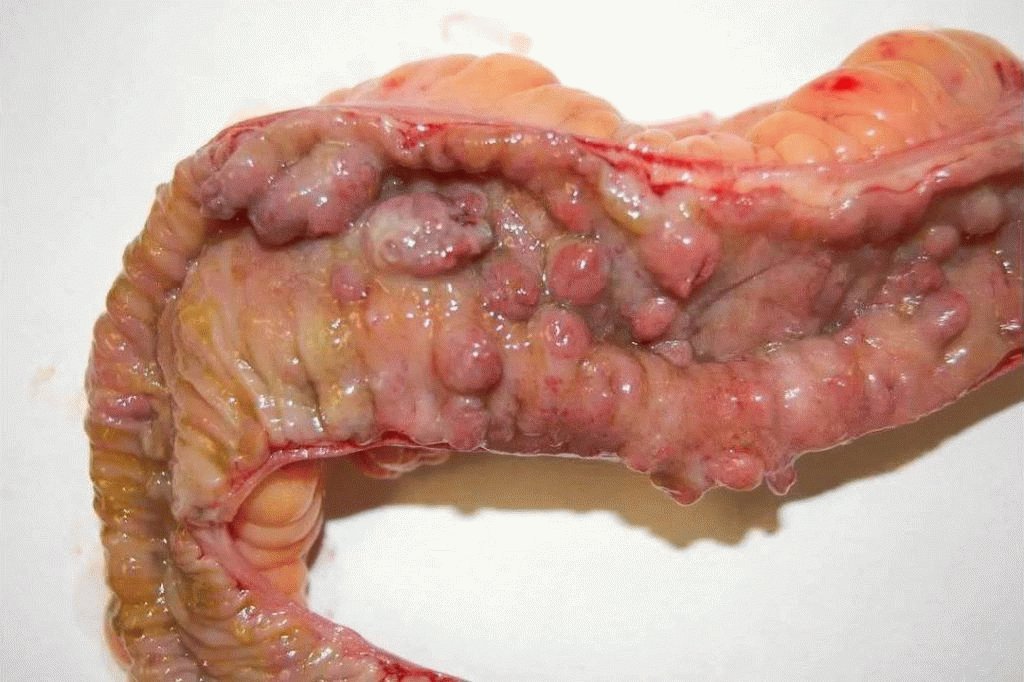
Crohn's disease
The following reasons affect the digestive tract:
- weakened immunity of the child;
- dysbiosis;
- allergic reactions to foods;
- stay in unfavorable environmental conditions;
- the diet includes junk food;
- wasting infections;
- transferred measles;
- side effects of medications.
The appearance of the disease is provoked by a single cause or a number of sources at once. It is classified depending on the location of the lesion and develops in the form of:
- defeat of the small intestine - terminal ileitis;
- a focus of inflammation in the large intestine - colitis;
- the inflammatory process covers the large and small intestines - ileocolitis;
- localization in the rectum and anus - anorectal.
Pathology proceeds in waves, with exacerbations and remission.
Symptoms
The disease is characterized by slow development, reaching three years. The more lesions on the intestinal mucosa, the more acute and severe the symptoms appear. The asymptomatic course complicates the diagnosis of early onset.
Flow phases:
- Infiltration - characterized by a change in the pattern of the vascular surface, an accumulation of cells in the submucosal layer. The intestine is covered with erosion.
- Stage of expression - erosion deepens, becomes ulcers that affect the muscle layer. The connection of ulcers occurs with cracks, the affected area thickens and swells, the lumen decreases.
- Scarring stage - ulcers, healing, form scars, which leads to deformation and a decrease in the intestinal lumen. The phase is irreversible.
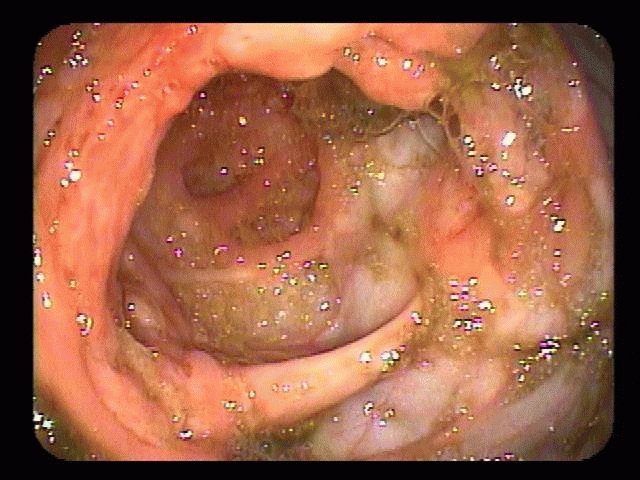
Clinical symptoms in children are characterized by the following manifestations:
- Frequent loose stools (diarrhea), the frequency of which is more than ten times. The volume, frequency of stool depends on the area of the lesion focus: the higher the digestive tract is affected, the more pronounced the diarrhea. Blood clots are present in the stool. The granulomatous process of the small intestine leads to impaired absorption of nutrients, which leads to a decrease in the child's weight. The baby has mucus and pus in the feces.
- Painful abdominal cramps. The early stages are characterized by irregular, mild pain. When the disease progresses, spasms become sharp, cramping and accompany the release of feces, food intake. The pain occurs against the background of narrowing of the intestinal lumen.
- Bloating.
- The defeat of the mucous layer of the stomach is accompanied by nausea, vomiting, a feeling of heaviness.
- Weakness, slight fever, loss of appetite.
Severe intestinal damage is characterized by an acute abdomen, the child must be hospitalized.
Extraintestinal manifestations of the disease:
- inflammation and soreness of the joints;
- aphthous stomatitis - damage to the mucous membrane of the mouth;
- inflammation of the eye membranes, uveitis, iridocyclitis;
- damage to the biliary tract leads to inflammatory processes, stagnation of bile.
Lack of nutrients leads to hypovitaminosis, micronutrient deficiency, and the electrolyte composition of the blood changes. Against this background, swelling, vascular disorders are characteristic. With illness, children lose body weight, there is a lag in sexual and physical development, the temperature rises sharply, painful discomfort in the joints.
The development of hepatitis, diseases of the eyes, mouth and skin (eczema, ulcers, dermatitis) are considered signs of extraintestinal development of the disease. If the inflammatory course begins in infancy, extraintestinal symptoms will appear at the age of seven.
Crohn's disease is of a nonspecific granulomatous chronic nature and leads to complications. Characterized by the presence of fistulas, cracks around the anus, abscesses and intestinal obstruction. Possible perforation of the intestinal wall, peritonitis, toxic dilation (abnormal expansion of the small intestine). Against the background of the disease, kidney micronephrolithiasis occurs - the development of pathology leads to the deposition of salts or stones in the organ.
Diagnosis
Before the diagnosis is made, the patient and the parents are interviewed. Diagnostics begins with the examination of the child, laboratory and instrumental examinations. Even if the disease is genetic in nature, additional studies are still assigned.
To confirm the diagnosis, blood, feces, urine are donated. With Crohn's disease, low hemoglobin, an increased white blood cell count, and a high ESR are detected. Biochemical research reveals an increase in fibrinogen, a decrease in albumin against the background of an increase in reactive protein, alkaline phosphatase. Folic acid and vitamin B12 will decrease. Immunological test determines the growth of immunoglobulin, immune complexes.
Examination of urine shows the presence of protein and blood. Feces contain blood clots, epithelium, bacterial infections and helminthiases. Bacterial inoculation is performed. The level of calprotectin is determined.
Instrumental research
To determine the pathological process, the following examinations are prescribed:
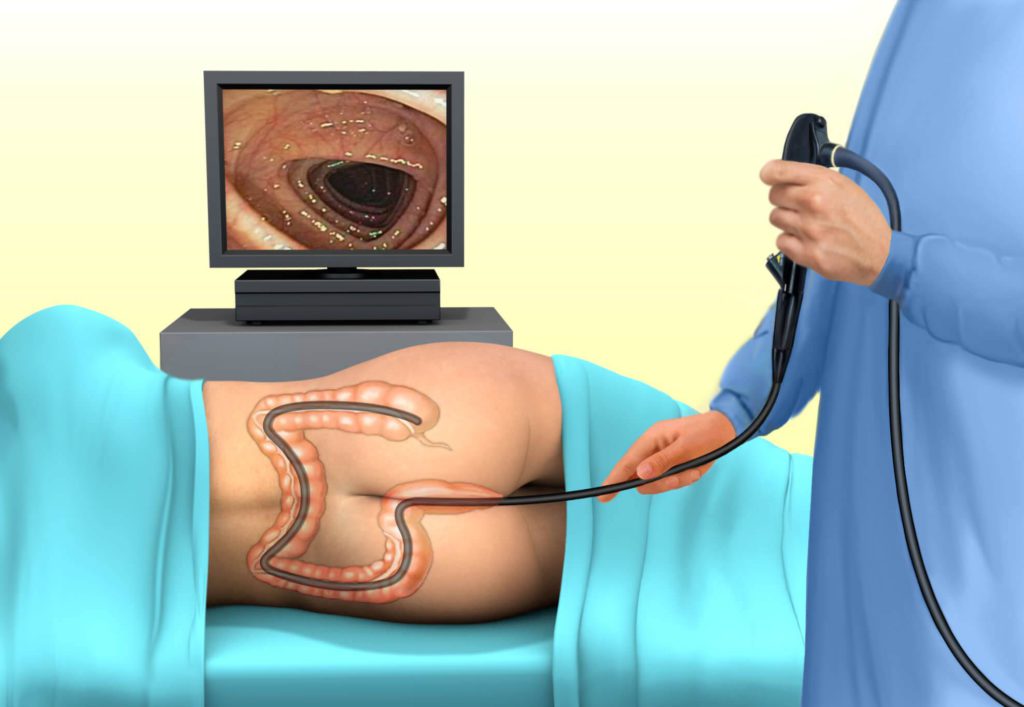
- Colonoscopy - the method allows you to study the presence of pathology of the large intestine, to obtain material for biopsy. The endoscope is inserted through the anus, passing through the rectum. Preparing for a colonoscopy is required. A diet is prescribed three days before the examination. In the evening, a laxative is taken or a cleansing enema is given. For children, the procedure is carried out with anesthesia. Do not carry out with heart failure, peritonitis, blood clotting problems.
- An X-ray with a contrast agent allows you to fully examine the intestines, reveal expansion and perforation, the presence of ulcers.
- CT scan allows you to get an image of the pelvis, abdominal cavity. The use of computed tomography allows you to identify perforation, abscesses. The result helps to drain the abscess and prevent complications.
- Ultrasound detects fistulas, enlarged lymph nodes, intestinal obstruction.
- MRI.
- FGDS.
Diagnostic methods are prescribed by a gastroenterologist. The scheme is selected individually, taking into account symptoms, age, manifestations. Crohn's disease is similar to ulcerative colitis. Differences in pain syndrome, rectal lesions, and stool volume are determined.
Therapy
The disease belongs to the category of incurable, since it is impossible to establish a factor influencing the development of the disease. Doctors have developed techniques to prevent the spread of pathology. Treatment is carried out conservatively or surgically. Teenagers need psychological help to adapt to new living conditions.
Conservative therapy is carried out in the following ways:

- Relief of symptoms with medication. The pathogenesis and etiology of the disease is not fully understood. A protocol for helping children has been drawn up, which contains a list of medicines aimed at immunity, inflammation, and infections. Prescribing medications depends on the patient's condition. If the development of the lesion is not serious, anti-inflammatory drugs with aminosalicylates, antibacterial, antimicrobial, glucocorticosteroids and immunosuppressants are prescribed. A symptom of a pronounced nature is treated in conjunction with antidiarrheal drugs, enzymes, enteric agents and multivitamins, antispasmodics, probiotics are prescribed.
- Diet food. A sparing and fractional diet is prescribed, excluding hard, large pieces, which lead to injury to the mucous membrane of the digestive tract. Dishes are baked, stewed, boiled, steamed. Nutrition during an exacerbation is administered parenterally.
During a period of deterioration, hospitalization is indicated. A gentle mode with low loads is recommended without exacerbation. Treatment is prescribed taking into account the age of the child, the course of the pathology.
Surgical intervention
Diagnosis in the early stages of Crohn's disease is rare. More often, the examination takes place at the stage of complications, including:
- the development of an acute form of intestinal obstruction against the background of stenosis;
- inflammation of a purulent nature with fistulas, fistulas;
- perforation;
- severe internal bleeding that cannot be stopped with medication;
- damage to the intestinal walls after illiterate treatment, leading to a developmental delay in the patient.
In these cases, an operation is indicated aimed at removing the damaged area. After excision, the ends of the intestine or plastic are connected. Children's surgery does not completely stop the disease. After surgery, complex treatment is prescribed.
Forecast
Crohn's disease is incurable, the chronic form does not give a chance for recovery. The prognosis of life is favorable if the diet is followed for life. Parents should not violate clinical guidelines. Otherwise, prolonged remission will go into an acute stage, complications will develop, which will pose a threat to the child's life.
It is difficult to prevent the disease, in preventive measures it is recommended to avoid intestinal infections, not to delay the treatment of inflammatory processes of the digestive tract. Strengthening the child's immune system will avoid serious consequences. The prescribed examinations are required to be carried out regularly.