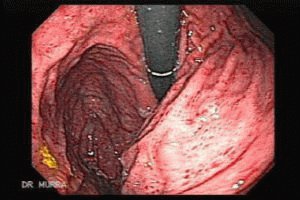
Ascites with cirrhosis of the liver: how long they live, treatment and symptoms
Liver cirrhosis is a dangerous and incurable disease. Damage to healthy liver tissue occurs with scar replacement. Ascites - the accumulation of fluid in the peritoneal cavity, is not considered an independent pathology. Ascites in liver cirrhosis provokes an increase in blood pressure in the portal vein, tissue fibrosis with a failure in the synthesis of albumin. There is an expansion of blood vessels in the front of the peritoneum, poisoning of the body, heart failure is manifested.
The development of an oncological process with clamping of blood vessels also leads to ascites. The prognosis for life expectancy is not high, depending on the stage of detection of the disease. Patients often do not live long.
Content
-
1 Reasons for development
- 1.1 Portal hypertension
- 1.2 Secondary hyperaldosteronism
- 1.3 Hypoalbuminemia
- 2 Symptoms
-
3 Development stages
- 3.1 Stages of the course of ascites
-
4 Diagnostics and treatment
- 4.1 Therapy
- 5 Forecast
Reasons for development
A small volume of fluid forms in the peritoneum. It provides elasticity of the intestines, prevents sticking of organs. The excess amount is absorbed by the epithelium. The obstructed movement of the blood flow along the vascular system against the background of ascites leads to the accumulation of a liquid component, which causes an exit through the vessel wall and accumulation in the cavity. The manifestation is characteristic of the last stages of liver damage.
Scarring inside the organ leads to a decrease in healthy tissue. The scar surface appears due to cell death. In cirrhosis, the cell structure is destroyed under the influence of necrosis. The disease goes through four stages of development: the first is characterized by inflammation with necrotic development, the second is manifested by the replacement of organ tissue with connective tissue. A prolonged inflammatory process leads to the accumulation of fluid, the altered surface of the liver increases. The third stage is expressed in bleeding, severe complications, and is life threatening. The fourth stage leads to the patient's hepatic coma, the liver is completely deformed.
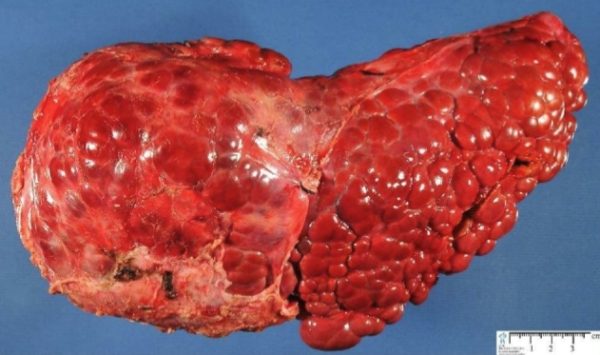
Cirrhosis of the liver
The following reasons can provoke ascites:
- heredity;
- unbalanced diet;
- abuse of alcoholic beverages and tobacco products;
- the use of drugs with toxic effects;
- low physical activity;
- contact with toxins, poisons;
- regular stressful situations;
- heart failure;
- the contraction of blood vessels is disturbed.
In medicine, there are three factors that provoke the accumulation of fluid: portal hypertension, secondary hyperaldosteronism, hypoalbuminemia. The reasons are considered common and trigger the development of ascites.
Portal hypertension
Inhibition of blood through the hepatic portal vein leads to stagnant manifestations, an increase in pressure inside the peritoneum is observed. Small vascular branches are affected, in which the permeability of the walls increases. The liquid passes through the vessel membrane and accumulates in the cavity.
Secondary hyperaldosteronism
The liver controls the production of active substances that lead to the expansion of the blood vessels of the blood system. Due to damage to the liver cells (hepatocytes), the amount of produced components in the bloodstream increases. Weakening of smooth vascular muscles disrupts the movement of blood, and the pressure decreases.
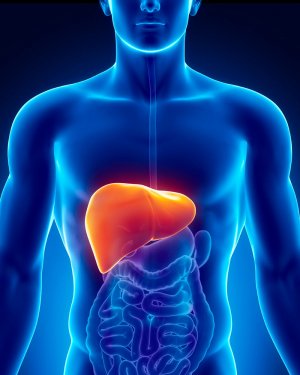
The liver in the human body
Against this background, problems arise in the functioning of the kidneys. Renin is produced, which provokes the appearance of the adrenal hormone. Retention of water and sodium is observed.
Hypoalbuminemia
The organ produces a protein called immunoglobulin. The liquid retains the protein component in the vessel lining. Violation of synthesis allows you to go beyond the boundaries, provoking the development of ascites.
Cirrhosis is an incurable disease that develops against the background of foci of necrosis with the replacement of dead areas with fibrosis. Hepatic deformation is observed, the activity of healthy surfaces is disrupted. Cells are replaced by abnormal cellular structures that inhibit the work of hepatocytes. There is a nutritional deficiency of tissues, which leads to death.
New vessels are formed, the blood bypasses the damaged areas of the liver. Cirrhotic changes are accelerating, which leads to the development of portal hypertension. In the liver, the filtering function decreases, and toxic components accumulate. Against the background of adverse manifestations, changes occur in the abdominal cavity, which lead to ascites.
Symptoms
The first stage is characterized by a small amount of fluid, which has time to be distributed by the vessels of the lymphatic and circulatory system. Due to the additional load, vascular elasticity is lost, the liquid component ends up inside the cavity, the volume of which reaches 10 liters.
The first symptoms of ascites are not characteristic of the disease. Shortness of breath, general weakness, dizziness occurs. The shape and size of the abdomen does not change. When diagnosed with cirrhosis of the liver, it is required to adhere to the prescribed diet.
The following clinical signs also appear:
- there is bleeding from hemorrhoidal veins and vessels of the digestive tract;
- feeling of heaviness in the abdomen, pain, discomfort;
- heartburn, vomiting, belching;
- the limbs are swollen;
- deterioration in performance, memory;
- body weight increases;
- there is a fluid fluctuation in the peritoneum;
- rapid breathing, coughing, pale skin and blue lips;
- soreness under the ribs on the right side;

- redness of the palms with spots;
- jaundice;
- enlargement of the mammary glands in men, impotence;
- in women, the menstrual cycle is disturbed, infertility is revealed;
- itching of the skin, the tongue turns red and swells;
- spider veins appear on the face;
- low temperature rise;
- the skin dries, turns pale, acquires a yellow tint;
- the navel protrudes, an umbilical hernia is formed;
- venous collaterals.
The shape and size of the abdomen is gradually changing. The progression of cirrhosis leads to muscle atrophy. The abdomen becomes disproportionate, the volume is increased. Stretch marks are observed, the skin becomes smooth. With ascites, the body cannot get rid of fluid.
Compression of the diaphragm leads to respiratory failure. The patient is unable to sleep without a high pillow. Disorders in the intestines due to squeezing of the organ by liquid accumulation. Intestinal obstruction may occur.
There is pressure on the bladder, which is manifested by frequent urination.
Pathology does not lead to the death of the patient. Life expectancy is affected by the complication that has arisen against the background of dropsy. The accumulation of fluid leads to pressure on important organs, functions are impaired. The cardiovascular system is strongly affected.
Against the background of ascites, the following dangerous pathologies arise:
- peritonitis - purulent inflammation arising from pathogens;
- intestinal obstruction;
- hydrothorax - the accumulation of fluid in the thoracic region;
- kidney damage;
- umbilical hernia, which manifests itself after treatment. Possible inguinal, white line of the abdomen hernia.
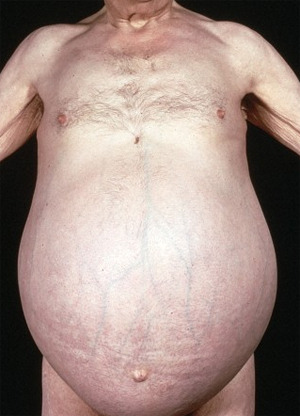
Hepatic ascites
Complications develop several months after the first signs of ascites. Seeing a doctor and conducting diagnostic examinations will save the patient's life. The danger of the disease is that there are no pronounced symptoms. A sign of the course of the disease is manifested by general symptoms. In the early stages, it is rarely determined, since the liver has no nerve endings, the sensitivity is low.
Development stages
The appearance of damage to the liver is provoked by viruses, toxins, metabolic disorders and taking medications. Prolonged alcohol syndrome also leads to a weakening of the protective functions of the organ. The development of cirrhosis goes through four stages. The presence of liquid is noted at the third and fourth stages. Scar tissue covers most of the liver, accumulates a liquid component, and the abdomen enlarges. The fourth stage is characterized by severe clinical symptoms, the patient's condition worsens, and the prognosis for life is unfavorable. Characterized by problems with the lungs, difficulty breathing, shortness of breath.
The disease can be cured in the initial stages of development. Irreversible manifestations of pathology are difficult to cure at the last stages of development.
Stages of the course of ascites
The accumulation of liquid goes through three stages:
- The initial stage - the amount does not exceed two liters, the abdominal area is slightly expressed. The prognosis for treatment is favorable, life expectancy is high, if the doctor's prescriptions are followed.
- The second stage - the volume of the formed fluid reaches five liters, the clinical signs are pronounced, liver failure develops.
- The third (refractory form) - the abdomen is greatly increased in size, the liquid substance reaches ten or more liters. The condition worsens sharply, shortness of breath, swelling of the whole body, cardiac decompensation.
Diagnostics and treatment
In case of diseases of internal organs, a doctor's examination takes place using the following diagnostic methods:

- Percussion of the abdomen. The patient is turned from side to side, and the shock wave is assessed. The tactic allows you to detect liquid over 2 liters. Differential diagnosis takes into account that adhesive peritonitis, which appears with the development of tuberculosis and ovarian cysts, carries a space-limited effusion. Percussion sound does not change. When standing, the effusion is displaced downward. Pronounced ascites is characterized by a dull sound over the entire surface of the abdomen.
- Palpation. Using the method, the doctor can determine the size of the liver, tissue density. It is possible to detect inflammation of the abdominal cavity (peritonitis). A tense, hard, painful abdomen is characterized by severe ascites.
- Conducting ultrasound. It is considered a harmless method, it can be used several times to control the patient's condition. Helps to determine fluid in small volumes in the abdominal, pleural cavities, diffuse changes in the liver and portal vein. Determines the levels of blood loss, the cause and the degree of development of the disease. Differs in safety, fast results, absence of invasive intervention.
- MRI. The examination reveals small volumes of effusion in hard-to-reach areas that are not visible using other procedures. It is prescribed to confirm liver cirrhosis, peritonitis.
- If the diagnosis is not confirmed, then a therapeutic and diagnostic surgical measure (laparocentesis) with biochemical and cytological examination is carried out. The anterior abdominal cavity is punctured and the required amount of ascitic effusion is pumped out. The method is assigned to identify:
- detection of primary ascites;
- diagnostics of cirrhosis with malignant neoplasm;
- to exclude bacterial peritonitis.
In the liquid, indicators of protein and fractions, bilirubin, cholesterol and triglycerides, atypical cells are determined. The activity of amylase, leukocyte reaction, erythrocytes is manifested.
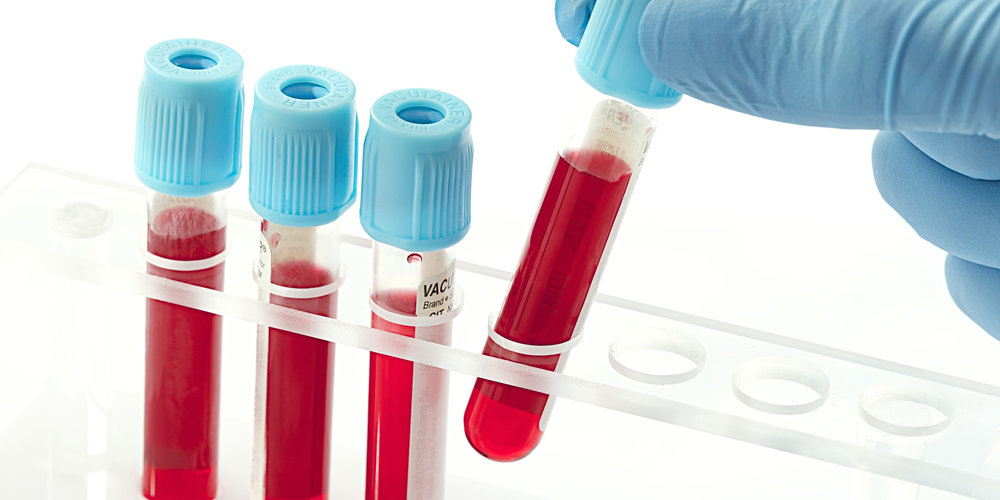
The history of the disease with cirrhosis includes the results of studies, the pathogenesis of the course of complications.
Additionally, the following examinations are prescribed:
- ECG - performed to assess the condition of the heart muscle to determine changes in size, rhythm, activity;
- EchoCG - the structure and contractions of the heart are studied;
- X-ray of the chest cavity to determine ascites, excludes infectious diseases. Abdominal X-ray reveals liver enlargement, intestinal obstruction, and perforation;
- dopplerography - shows the state of the blood vessels.
Laboratory research:
- general blood test - with cirrhosis, there is a decrease in erythrocytes, hemoglobin, leukocytes and platelets. The development of peritonitis is characterized by an increase in the number of leukocytes, the erythrocyte sedimentation rate increases;
- biochemical study of blood - cirrhosis is manifested by an increase in bilirubin, proteins in the blood decrease;
- general urine analysis - determines disorders of the urinary system. A failure of kidney function is detected, which leads to a large amount of urine excreted at the initial stage of the disease. The fourth stage is characterized by a small volume of excreted urinary fluid;
- bacteriological examination - used to determine bacterial peritonitis. Based on the study, antibiotics are selected;
- liver biopsy - allows you to confirm the diagnosis.
Therapy
To cure the pathology, you need to find out the cause of the appearance. Toxic hepatitis is caused by damage to cells by harmful additives in alcohol and drugs. Viral hepatitis is treatable with modern drugs. An organ transplant is the only way to completely remove the hepatic scar. With abdominal ascites, therapy is supportive. Fluid will accumulate due to liver failure.
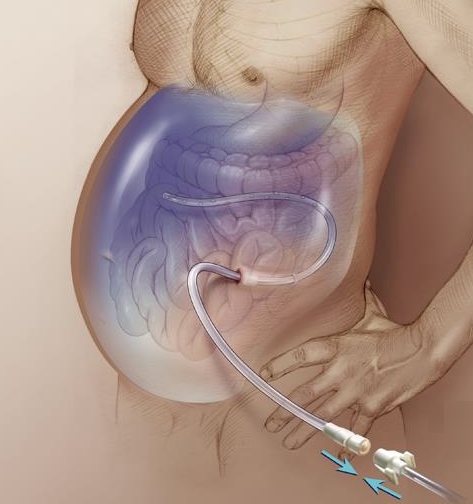
Medical intervention for ascites
When the volume of the liquid component accumulates in excess of six liters, laparocentesis is prescribed. It is performed if the diuretic drugs fail. In the hospital, water is pumped out through the puncture of the abdominal wall. The fluid intake is limited to five liters. An increase in the amount pumped out threatens with complications, a state of shock. The procedure has a temporary effect. After the operation, gentle squeezing of the abdomen is required. Laparocentesis is not performed in the following cases:
- problems with blood clotting, bleeding is possible;
- with adhesions of the abdominal cavity;
- the stomach is very swollen;
- if there is a risk of injury to the intestines.
Shunting of the collar vein is also shown. Surgery is temporary and the problem will recur.
Special dietary food is prescribed. The diet excludes the consumption of salt (to prevent water accumulation), alcoholic drinks, soda, fatty foods. Yeast and sweet foods, butter, mayonnaise are removed. Vegetable, fruit dishes are stewed or boiled, consumption raw increases the formation of gases.
Treatment with medications is aimed at inhibiting the destruction of liver tissue, to prevent the deterioration of the patient's condition. The pills will not completely get rid of ascites. Symptomatic therapy is prescribed, which is aimed at removing fluid from the cavity. The course of treatment includes:
- hepatoprotectors - there are synthetic, vegetable. Aimed at maintaining the cellular structures of the liver;
- phospholipids normalize fat metabolism;
- anti-inflammatory steroid medications to relieve soreness;
- Albumin helps to fill the lack of protein in the blood plasma;
- diuretics (diuretic drugs) remove fluid from the body.
Antibiotics are selected to prevent peritonitis. Bed rest affects the improvement of kidney function. It is not worth using folk remedies as the main therapy. The effect of the treatment can be seen when combined with drug therapy. The use of medicinal charges is allowed with the permission of a doctor, only in the absence of allergic reactions to the components.

Additionally, physical activity is prescribed. Depends on the condition of the patient, cardiovascular and respiratory systems. Contraindicated when shortness of breath occurs without physical activity, at rest. Hiking, gymnastics, swimming are allowed. All types of exercise are discussed with your doctor. Compression of the lungs, peritoneal organs does not allow the load in order to avoid deterioration of the condition.
Surgical intervention for ascites is possible when the patient's health deteriorates, determining the cause of fluid accumulation. Operations are carried out for cancers of the liver to inhibit the oncological process, oncology of the peritoneal cavity (removal of the tumor promotes the restoration of blood vessels), bacterial peritonitis (the abdomen is opened to remove purulent masses). A neglected form of disease cannot be treated with surgery.
The patient can get rid of the disease if the cause of the appearance is determined.
Forecast
Human life expectancy depends on damage to the cardiovascular system, kidneys, and liver. At the stage of initial development or compensation, a favorable prognosis is determined. The diagnosis at the beginning of the course of the disease helps to prolong life.
The defeat of several internal organs does not give a favorable outcome. To calculate the length of the life path, one should take into account the age group, adherence to dietary nutrition, concomitant diseases and the rate of development of the pathological process.
The patient is threatened by tense ascites, the moderate form is treatable without the development of complications. The onset of renal failure leads to death within a month without hemodialysis. Liver transplantation is considered the only way to cure dropsy. A successfully performed surgical intervention gives a prognosis for life for more than ten years.
Doctors identify a risk group for which the appearance of ascites with edema poses the greatest threat: the elderly, a person with chronic hypotension, patients with oncology, patients with diabetes mellitus.
Doctors recommend treating pathology with drugs, dietary nutrition. The existence of some forms of the disease does not allow for competent therapy and alleviate clinical symptoms. It is impossible to prolong life for such patients.
Preventive measures for abdominal ascites include timely treatment of liver diseases. The appearance of cirrhotic damage is facilitated by the inflammatory process of the liver tissue (hepatitis), which has been observed for a long time. Determining the diagnosis at the early stages of development, the treatment carried out will avoid damage to the liver cells and preserve the organ.