
Allergy to paracetamol in a child and an adult: symptoms, treatment
Content
- Causes of paracetamol allergy
- Symptoms of paracetamol allergy
- Drug allergy treatment
- Prevention of an allergic reaction
Allergy to paracetamol is a pathological reaction of the immune system to the components of the drug, which undergo chemical changes when entering the body. Allergy to medications is common, because many of their active ingredients are synthesized artificially.

Causes of paracetamol allergy
In the process of metabolic transformations of the drug, intermediate biologically active substances are formed. Any of the eight metabolites can have toxic effects on the body, disrupting kidney and liver function, and causing allergies. Exceeding the recommended dosage increases the risk of adverse reactions, especially in a child or adult with chronic liver or kidney disease.
People with Gilbert's syndrome should be especially careful. This condition is characterized by mild liver dysfunction, is inherited and chronic, so most people are unaware of its presence. Gilbert's syndrome manifests itself as periodic mild jaundice (the skin often seems tanned), which occurs after physical exertion, infectious diseases, or poor nutrition.

The chances of developing allergies and other complications increase if, in addition to paracetamol, a person takes other medicines (corticosteroids, antihistamines, phenobarbital, some antibiotics). Since paracetamol drugs are considered one of the safest antipyretic drugs, many parents choose them. To get the child to take the medicine, manufacturers release paracetamol in the form of syrups and suspensions. However, in addition to the main active ingredient, they contain many auxiliary components. For example, the Panadol Baby suspension, which is popular among parents and pediatricians, contains the following additional substances:
- xanthan gum;
- maltitol;
- sorbitol;
- strawberry flavor;
- azorubin.
Each of these components can be an allergy provocateur in a child.

Allergy to paracetamol is also associated with the fact that this drug produces the effect of histaminoliberation - it stimulates the release of the main mediator of the allergic reaction. Therefore, while taking this medication, an allergy can be provoked by a potential antigen, which the immune system previously perceived normally.
Symptoms of paracetamol allergy
It must be remembered that paracetamol can have toxic effects on the liver and kidneys, the manifestations of which are different from those of allergies. The symptoms of medicinal hepatitis can be as follows:
- nausea and vomiting;
- constipation or diarrhea;
- bitter taste in the mouth;
- icterus (yellowness) of the skin and whites of the eyes;
- clarification of feces (clay-like stools);
- darkening of urine.

It is noteworthy that the severity of the toxic effect depends on what dose of the drug entered the body. Allergy symptoms develop even in the case of taking a very small dose of paracetamol, and their severity is determined by the individual characteristics of the person. The classic symptoms of paracetamol allergy are as follows:
- redness and itching of the skin;
- skin rashes in the form of many small blisters with a clear liquid or flat, slightly raised pink blisters;
- copious transparent discharge from the nasal passages;
- nasal congestion;
- lacrimation and pain in the eyes.
In some people, drug allergies are difficult, as evidenced by the symptoms of angioedema:
- hoarseness of voice;
- cramping abdominal pain;
- enlargement of the lips and reduction of the eye slits;
- swelling of the limbs;
- shortness of breath and obsessive cough.

This condition can be life-threatening, so self-medication in this case is unacceptable. In addition, studies have shown that taking paracetamol provokes the development of attacks of bronchial asthma.
Drug allergy treatment
If the drug with paracetamol caused an allergic reaction, it should be stopped immediately. In order to cleanse the body of the allergen, it is recommended to drink more liquid, as well as to take enterosorbents: Filtrum, Neosmectin, Polysorb. Additional absorption is facilitated by the use of foods rich in pectins and fiber (bran, apples, cereals).
To eliminate unpleasant allergy symptoms, systemic antihistamines are prescribed. It is preferable to choose the latest generation of drugs ("Tsetrilev", "Loratek", "Telfast"), as they are less likely to cause side effects. The dosage of such drugs and the duration of treatment with them depend on the severity of the condition and are determined by the doctor.
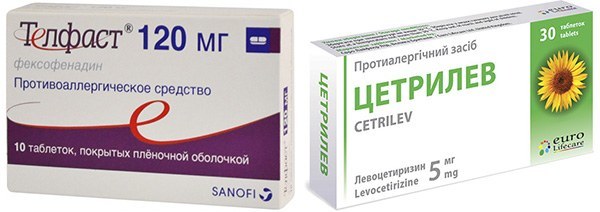
If the signs of the disease are very pronounced, then topical preparations will help to eliminate the symptoms as soon as possible.
- In case of skin manifestations of allergies, Fenistil-gel, hormonal ointment Sinaflan, and anti-inflammatory cream Advantan are recommended.
- To eliminate the symptoms of rhinitis, a nasal spray with antihistamine "Allergodil" or drops with decongestants "Tizin" are prescribed.
- If the allergy is accompanied by conjunctivitis, you can use antihistamine eye drops "Opatanol" and drops with anti-inflammatory effect "Akular" or "Vizin".
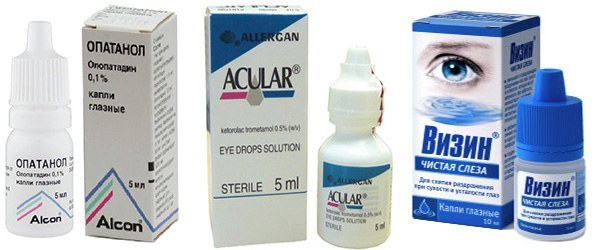
In severe allergic reactions, systemic or topical corticosteroid medications may be required. Only a doctor can prescribe them, since these drugs have contraindications and serious side effects. The toxic effect of paracetamol on internal organs is treated differently, it is considered a serious complication and requires hospitalization.
Prevention of an allergic reaction
There are several rules that can be helpful in preventing drug allergies.
- Above all, do not overuse medications. It is advisable to use antipyretics with paracetamol when the body temperature rises above 39.0 degrees.
- It is important to observe the dosage, which does not depend on age, but on the weight of the child or adult.

- The duration of paracetamol use also matters, so you should not exceed the recommended duration of the course of treatment.
- The use of even the smallest doses of alcohol together with paracetamol increases the chances of developing toxic and allergic reactions several times, so alcohol should be discarded.
- To prevent paracetamol from provoking allergy symptoms, follow a hypoallergenic diet during treatment - exclude from the menu citrus fruits, chocolate, nuts, foods with a lot of preservatives and dyes.
Remember that an auxiliary component can cause an allergic reaction, so it is better to choose the simplest dosage forms: tablets, oral powders or rectal suppositories. An allergic reaction to paracetamol can occur in a baby if a nursing mother regularly takes drugs with it, because part of the active substance passes into milk.

If the allergy still persists, the paracetamol medications should be replaced with antipyretic medications for based on ibuprofen "Advil", "Nurofen", "Next", many of them are suitable for the treatment of a child, but also have side effects effects. Those who take paracetamol to relieve pain or inflammation should choose other drugs with analgesic and anti-inflammatory effects.
Remember that paracetamol is found in many combination cold remedies (it contains "Teraflu", "Coldrex", "Antigrippin"), so carefully study the composition of such drugs before reception. Since they contain "shock" doses of other active substances, it is better to refrain from the frequent use of such drugs and not to give them to children.
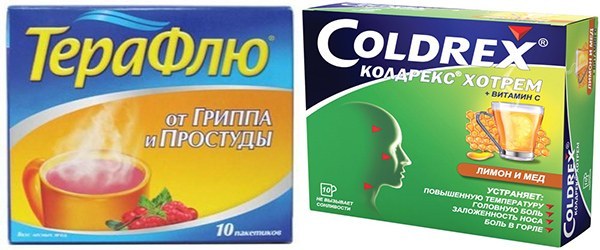
It is also necessary to conduct a survey to determine the exact cause of the development of an allergic reaction. To do this, determine the levels of immunoglobulins A, E, M and G, conduct clinical blood tests, search for circulating immune complexes in the blood, specific cells and proteins. In childhood, allergies are common but temporary. Many of these negative reactions disappear after the formation of the immune system is completed.