
Poplar fluff allergy: causes, symptoms, treatment
Content
- Causes of poplar fluff allergy
- Symptoms
- Treatment activities
- Possible complications of an allergic reaction
- Preventive actions
Allergy to poplar fluff is a seasonal disease and appears with the beginning of the flowering of poplar (from late May to June). Poplar filters the air quite well, so it is most often planted in large cities.

But this tree has one significant disadvantage - when flowering begins, a huge amount of poplar fluff is released, which, contrary to popular belief, IS NOT AN ALLERGEN. However, fluff plays the role of a kind of sponge that absorbs all harmful substances, including pollen, harmful substances and spores of various plants.
It is as a result of the accumulation of allergens that an allergy to poplar fluff develops, manifesting itself as negative symptoms. In addition, poplar fluff is very light and is able to get into premises, transport, public places, etc., provoking disease in predisposed people.
Causes of poplar fluff allergy
With the development of any allergic disease, common features are determined, which are manifested by the body's immune response, rejecting the antigen, defining it as a foreign protein.
Often, a provocateur of an acute attack can be various types of intoxication (drugs, alcohol, household and industrial pesticides, etc.), as well as poor ecology. Numerous studies indicate that residents of large industrial cities are 2 times more likely to suffer from allergies.

The cause of the development of an allergic reaction can also be a hereditary predisposition and hormonal disruptions in the patient's body. In addition, structural changes in the nervous system and the presence of chronic infections are of no small importance for the occurrence of allergic symptoms.
Symptoms
Allergy to poplar fluff is most often accompanied by the following symptoms:
- frequent sneezing, rhinitis;
- redness of the eyelids, lacrimation and pain in the eyes;
- possible breathing difficulties, accompanied by suffocation;
- a hyperemic rash may appear on the skin, which is local or spread throughout the body;
- as a rule, the rash is accompanied by unbearable itching;
- from the side of the central nervous system, increased drowsiness, lethargy and fatigue. Dizziness and migraine headache are sometimes possible;
- in severe allergies, Quincke's edema and anaphylactic shock are possible. In this case, the symptoms grow rapidly and there is a direct threat to the patient's life. Therefore, despite the first aid provided, it is recommended to immediately call a medical team.

It should be remembered that the allergic symptoms of poplar blossoms are most severely exacerbated in windy and hot weather. With any development of the disease, timely therapy is necessary. This will help avoid possible complications.
Treatment activities
Therapeutic measures to relieve an acute attack of allergy include, as a matter of priority, limiting contact with the allergen (in this case, poplar fluff). Further treatment is performed according to the following algorithm:
- to reduce the effects of inflammatory mediators, a course of antihistamines is prescribed (Claritin, Diazolin, Loratadin, Fenkarol, etc.). The use of antihistamines should be carried out taking into account possible side effects (drowsiness, lethargy, loss of concentration);
- for the removal of external manifestations, it is recommended to use ointments (Lokoid, Hydrocortisone, etc.);
- in the absence of a positive effect during treatment, glucocorticosteroid preparations of oral and injection forms (Prednisolone, Kenalog, Dexamezaton, etc.) can be prescribed. However, it should be borne in mind that hormonal agents are not intended for long-term use, as they have a number of serious consequences;

- in all cases, symptomatic therapy should be carried out, and compliance is also necessary hypoallergenic diet, excluding foods with high allergenicity (honey, strawberries, chocolate, citrus fruits, etc.).
It is important to remember that with any changes in the general condition, it is necessary to seek medical advice to clarify the diagnosis and choose the most optimal method for treating allergies.
Possible complications of an allergic reaction
Any allergies, including hyperreaction to poplar fluff, can cause serious complications, ranging from mild rhinitis and conjunctivitis to the development of an asthmatic attack.
Seasonal allergies are especially dangerous in childhood and during pregnancy. In children, in the absence of treatment, most often acute symptoms provoke the development of sinusitis, otitis media, lymphadenitis and pathological changes in the respiratory system.
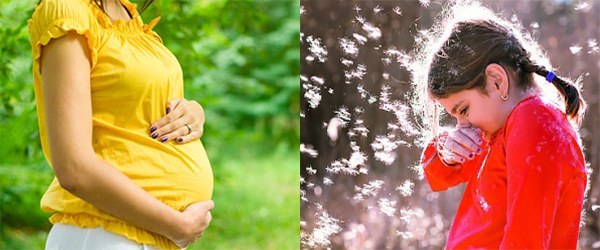
In pregnant women with the seasonal development of allergies, it is necessary to monitor the patient's condition, since there is a possibility of abnormalities in the intrauterine development of the fetus, since prolonged cough and impaired nasal breathing in the mother with allergies can provoke hypoxia fetus. In addition, in 50% of cases, there is a possibility of transmission of the disease to the child.
Preventive actions
Prevention of the development of allergy to poplar fluff is of great importance. If the necessary measures are taken, the risk of an acute allergic attack can be significantly reduced.
- It is necessary to protect the premises from poplar fluff by covering the vents and windows with mosquito nets or other protective materials. It is important to regularly carry out wet cleaning of the room and be sure to ventilate the room before going to bed (having previously installed protection against dust and lint).
- You should be aware that in hot and windy weather, allergy sufferers are not recommended to go outside until 6 pm, as the peak of pollen concentration is observed before that time. After a walk, it is recommended to rinse the nasopharynx with clean water or special sprays based on sea water.
- Allergy during the flowering of poplar is accompanied by severe discomfort, since the fluff penetrating under the clothes can stick to the body and cause the strongest irritation, therefore, it is recommended to wear clothes made from natural fabrics so as not to cause increased sweating, since fluff does not affect dry skin sticks.
- It is necessary to protect children, as they very often arrange games with poplar fluff, directly in contact with it. Avoid poplar planting areas and always carry an antihistamine with you for first aid in the development of acute allergy symptoms.