How is toenail and toenail fungus transmitted, is it contagious?
Content
- Infection routes
- Is the fungus inherited?
- Can you get infected from person to person?
- How is hand fungus transmitted?
- Risk factors
- How can you protect yourself from infection?
There are various ways a fungal infection can spread. Infection can occur both at home and outside. Let's try to figure out how nail fungus is transmitted and is it possible to prevent infection?
Infection routes
Not everyone knows that the causative agents of onychomycosis spread not only from a sick person to a healthy person, but also from animals and household items. That is, there are different ways of its transmission, since the fungus is extremely contagious. It is difficult to cope with onychomycosis, moreover, the clinical manifestations of the disease, provoked by the activity of microorganisms, bring a lot of discomfort to the life of the infected.
So how does the infection take place? Fungi, like many other microbes, are present on the body of every person. At the same time, they do not pose any danger to their "owner". If the body's immunity becomes weaker due to certain factors, the pathogenic flora will begin to show activity, grow and multiply, spreading throughout the body. As a result, a disease develops with characteristic unpleasant symptoms. Fungi that affect the skin and nails of the hands and feet of a person provoke mycosis, if we are talking only about the nail plates - onychomycosis.
In addition to weakening the immune system, the following reasons can lead to the development of a pathological process:
- endocrine disorders;
- uncontrolled intake of antibiotics;
- injuries to nails and fingers;
- immunodeficiency (HIV, HPV);
- diseases of the heart and blood vessels;
- hormonal changes in the body, such as pregnancy;
- wearing low-quality shoes.
Toenail fungus is so contagious that it can be transmitted to humans with a simple handshake. Pets such as cats and dogs also spread the infection. Pathology can be picked up through shoes, bedding, wardrobe items and household items, simply by touching them. Once on the skin, mycospores easily transfer to the nails, which become brittle and fragile, with a change in the structural structure and loss of integrity, which is very unpleasantly reflected in their appearance. Itching, burning and even pain accompany these symptoms of trouble.
How is fungus spread in public places?
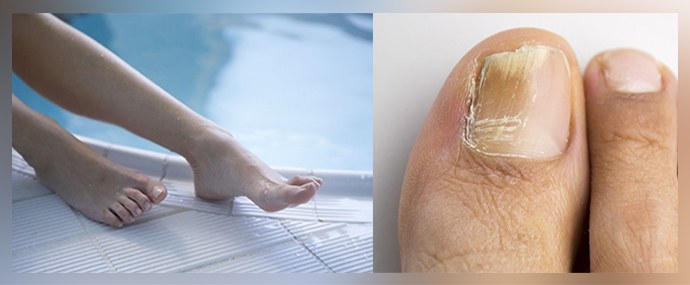
The risk of contracting an infection is highest in crowded areas. These can be gyms, swimming pools, beaches, hotels, and more.
Experts have conducted studies that have confirmed that the highest concentration of pathogens of mycotic infections is observed in poor ventilated rooms with high humidity and in places where there is a fact of "standing water" - it can even be trees near ponds, lakes, etc.
But most often, infection occurs in the following public organizations listed in the table.
| A place | Description |
|---|---|
| LOCKER ROOMS | Fungal spores are localized mainly on the floor. Infection occurs when the bare feet of a healthy person come into contact with its surface, for example, in the process of changing shoes. |
| BEAUTY SALONS | The causative agents of mycosis are transmitted to clients of such establishments in case of unsatisfactory disinfection tools intended for manicure and pedicure, mistakes of the master, non-compliance sanitary and epidemiological standards. |
| SHOE STORES | The easiest option is to pick up nail and foot fungus. This happens when trying on shoes not only on bare feet, as is commonly believed, but also on socks. The causative agents of onychomycosis remain on their tissues, and under appropriate conditions it is not difficult for them to penetrate the nails and skin of the feet. |
 Based on the above, I would like to note that not a single person is 100% insured against this infection.
How is fungus transmitted at home?
This fact is even more common. If one family member suffers from onychomycosis, then, as a rule, the disease affects other household members in a short time.
Mycotic infection usually occurs in the elderly. Weakened immunity and serious hormonal changes in the body are to blame for this. Fungus in the home can be transmitted through household items such as shared towels and slippers, floor surfaces, carpets, and more.
Is the fungus inherited?
Onychomycosis does not apply to diseases that can be inherited and called congenital. But if the future parents have not cured the pathology before the baby is born, the likelihood of his infection is quite high. The touch of a mother, common household items and much more in a home environment can lead to the development of a disease in a child, which is several times more complicated.
Can you get infected from person to person?
The infection really spreads from sick people to healthy people. For this to happen, a single condition is sufficient - direct contact with body parts or household items affected by the causative agents of onychomycosis. An elementary example is a handshake. Infection will occur with a high probability if a person falls into a risk group for the disease (we will talk about this below).
How is hand fungus transmitted?
This danger is inherent in women. It is they who tend to measure things more often in stores, visit beauty salons, hairdressers and other establishments, where, as was the case above, the likelihood of contracting onychomycosis increases several times.
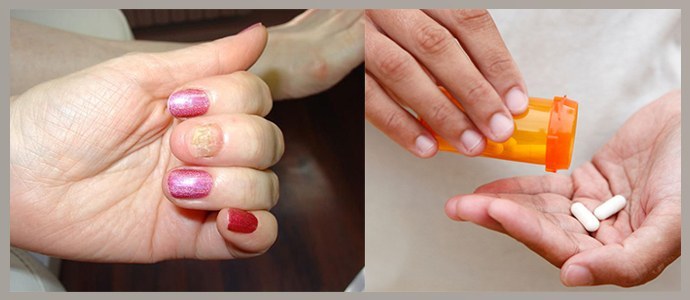
Fungus infection of the nails of the hands often occurs in manicure rooms. It is known that dozens and hundreds of clients visit them every day. If the master has been visited by a person with onychomycosis, which is far from uncommon, the likelihood of infection increases significantly. How does this happen?
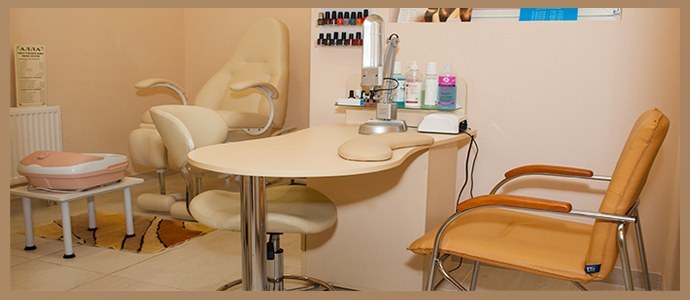
For example, gel polishes and shellacs that are popular these days can spread the infection from another person's nails. Mycospores of the fungus enter the cosmetic product during its application to diseased plates, and remain in it until the next client. A conscientious master will never recommend a person with onychomycosis to decorate his nails, initially he will advise to cure the disease. Unfortunately, this is rarely the case in practice.
The same problem applies to nail extension. Processing them with poorly disinfected tools, for example, nail files and nail scissors, after a sick person, the risk of infection is very high. Also, a specialist can make mistakes in building up, which in the future will lead to the development of the disease.
There is always a chance of getting a hand fungus. Even at home, you need to be careful.
Risk factors
Mycotic infections of the nails and feet are a common problem in society. The following persons are at risk:
- swimmers;
- athletes;
- military;

- sailors;
- miners;
- workers of utilities and other manufacturing enterprises.
Public locker rooms and showers are the main areas where most of the pathogens of fungal infections accumulate.
Individuals who are engaged in physical labor, the immune defense is often reduced in connection with this activity. Therefore, their body is more often attacked by infectious pathogens transmitted from one person to another, while mycoses and candidiasis are no exception.
How can you protect yourself from infection?
If the first signs of fungal infection of the nails and skin of the feet are detected, it is important to consult a dermatologist as soon as possible. This is necessary not only to prescribe the correct treatment, but also to prevent the further spread of infection in society.
After carrying out the appropriate therapeutic courses and complete recovery, it is recommended to adhere to the requirements of prevention aimed at preventing the recurrence of the disease.
In order not to get infected with mycosis, you can protect yourself and your loved ones with the following tips:
- Hygiene. Regular washing of hands and feet, use of individual washcloths and towels, keeping skin and nails dry and clean. Clothes need to be changed and washed as they become dirty, especially socks, in which, with prolonged wear, ideal conditions are created for the growth and development of pathogens of onychomycosis.
- Strengthening the immune system. Achieved by leading a healthy lifestyle, hardening, balanced nutrition.

- Shoes. Eliminate wearing someone else's and uncomfortable shoes. If it is not possible to purchase it of good quality, it is necessary to regularly wash the products, inside and out, thoroughly dry and ventilate. This rule also applies to wearing common slippers with the family.
- Public places. In pools, saunas and other establishments, you must not walk barefoot on the floor. After water procedures, you should wash your feet with soap. Additionally, it is recommended to treat the skin, fingers and toenails with any fungicidal medicines or folk remedies for prophylactic purposes 2 times a week.
If you follow all the recommendations, the likelihood of infection with foot and nail fungus can be minimized. Compliance prevention is the best way to fight pathogens. Knowing the mechanism of transmission of onychomycosis, a person can protect himself and his loved ones from infection.