
Contraindications for dental implantation
Content
- Absolute
- Relative
- General
- Local
- Temporary
- Complications of implantation
Dental implantation is a modern and very progressive way to restore a completely lost tooth or several teeth. But, despite all the advantages of this procedure and the opportunity to give the client a new tooth, modern dentistry considers the procedure to be necessary only when there is a presence of strictly defined indications. Moreover, today it is recommended to carry out implantation only in the absence of a result from orthopedic methods.
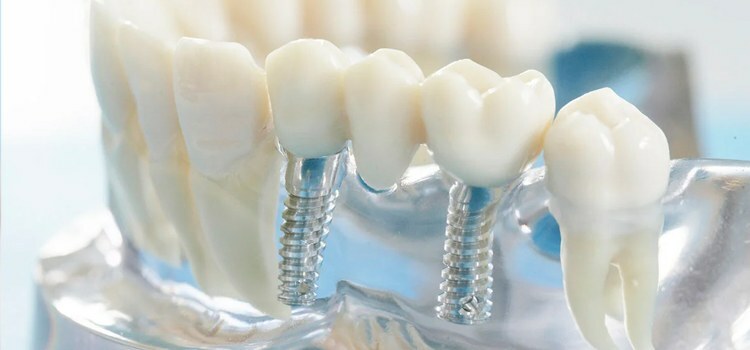
The suspicious attitude of dentistry towards implantation is quite understandable and justified, since this procedure is a serious surgical intervention. In many ways, the success of the operation is determined by the presence of indications and the absence of contraindications for its implementation. Therefore, implantation is carried out only with strict adherence to all requirements and conditions. Indications for implantation are determined only by an experienced doctor, but every patient should know about certain contraindications and the possibility of complications.
Exists contraindications for implantation absolute, relative, general, local, and temporary.
Absolute
Contraindications for implantation here include a list of conditions under which the operation is contraindicated in general. It is impossible to carry out implantation in the presence of diseases of the blood, hematopoietic organs, the central nervous system, malignant neoplasms of various systems and organs, systemic diseases of the connective tissue, tuberculosis and its complications, some diseases of the oral mucosa, type I diabetes mellitus, hypertonicity of the masticatory muscles, bruxism.
Relative
Contraindications for implantation include lack of oral hygiene, poor oral hygiene, gingivitis, marginal periodontitis, abnormal occlusion, severe atrophy, defects in the bone tissue of the alveolar process, diseases of the temporomandibular joint, pregnancy, alcoholism, smoking, addiction.
General
Diseases include various contraindications for anesthesia, surgical grounds for refusing any intervention, certain types of treatment that may affect the safety of the implant, healing, distress syndrome, depletion of the body.
Local
Local contraindications include various factors that are determined by the doctor on the spot.
Temporary
The indications of a temporary nature include the stages of rehabilitation and recovery, acute illnesses, and the state after irradiation.
In most cases, treatment and preliminary preparation of the patient makes it possible to get rid of many contraindications for implantation or reduce their influence, and then proceed with the successful implantation of teeth. Therefore, if the patient is very insistent on the operation, the doctor can take on his treatment and preparation for the operation.
Complications of implantation
The appearance of various complications after the operation is extremely unlikely, since modern medicine is at a high level, but, nevertheless, it is possible. During the implantation of the implant, complications such as inflammation of the tissues around the implant can occur, which can cause progressive destruction of the bone tissue that surrounds the implant. Rejection of implants is also possible, which is very rare.
During the postoperative period, severe pain syndrome, hemorrhages, seam dehiscence, inflammation from the operation area are possible. During the second stage of implantation, when the abutment is placed, complications such as twisting root implant and plug, pushing the implant into the maxillary sinus, bone formation above the root implants.
List complications during implantation rather small, they appear very rarely - leading clinics provide statistics in 1-2 cases of complications per 100 patients.